Category: 세계 뉴스 (World News)

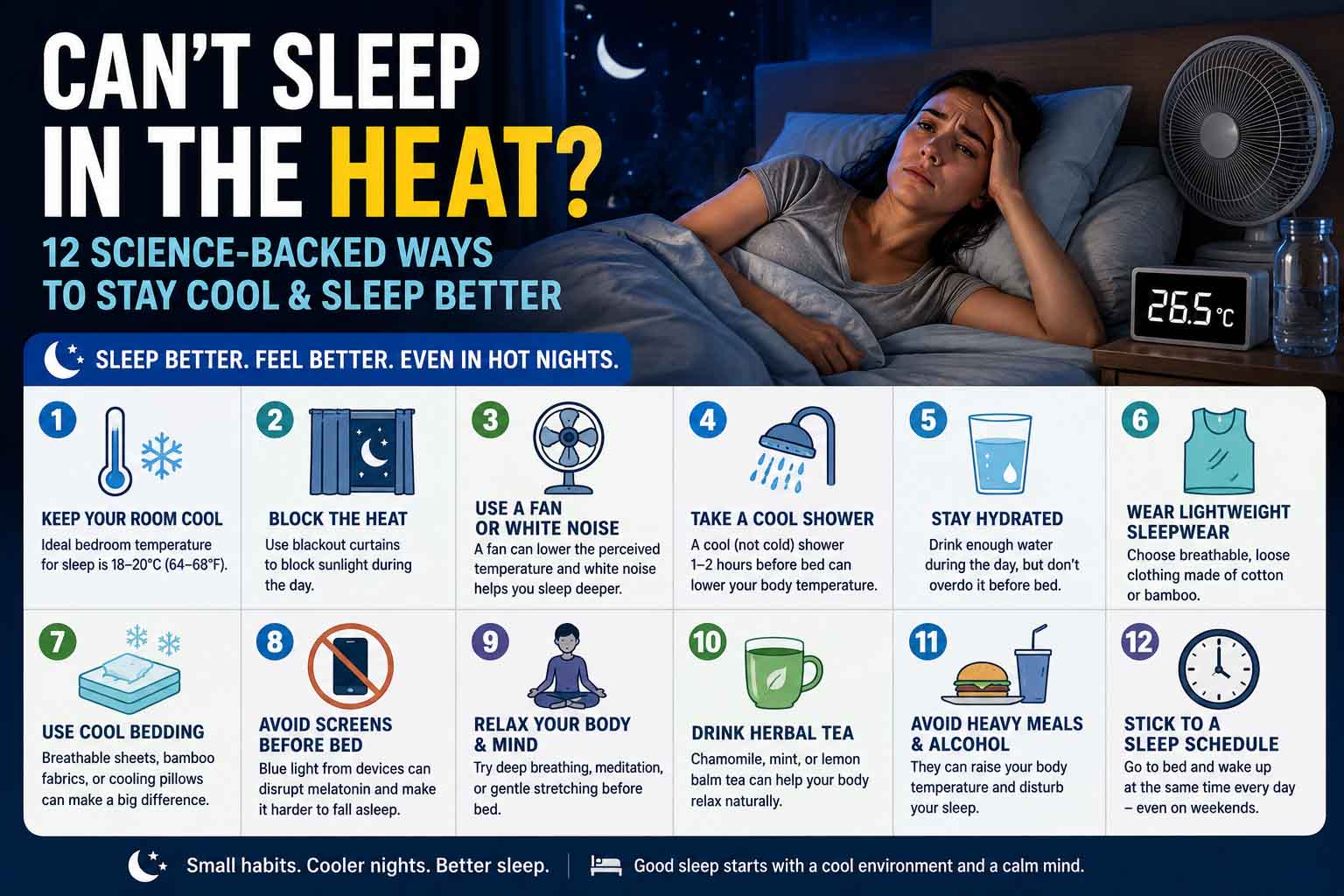
  • Can’t Sleep Because of the Heat? The Ultimate Guide to 12 Scientifically Proven Methods for Deep Sleep

    Can’t Sleep Because of the Heat? The Ultimate Guide to 12 Scientifically Proven Methods for Deep Sleep

    Deep Sleep Heatwave. Finding a deep sleep heatwave solution is essential for surviving the hot summer nights.

    Deep Sleep Heatwave. Meta Description: A highly detailed guide covering 12 scientifically proven methods to achieve deep sleep despite summer heatwaves and tropical nights. This ultimate guide includes expert know-how on physical temperature control, physiological optimization, and securing sleep time through the latest AI task automation.

    Deep Sleep Heatwave. As the intense summer approaches, the number of people suffering from sleep disorders due to soaring temperatures and high humidity increases rapidly. It is generally known that our bodies must naturally lower their core temperature to enter recovery mode during sleep, but when the external temperature is excessively high, this temperature regulation system malfunctions.

    This goes beyond simple fatigue, leading to a weakened immune system, decreased cognitive function, and chronic stress.

    Proven Deep Sleep Heatwave Strategies

    Deep Sleep Heatwave. Especially for office workers, freelancers, and content creators who must exert high levels of concentration in front of a monitor until late at night, tropical nights are a fatal factor that drastically reduces work efficiency.

    Many experts emphasize that rather than relying on short-term sleeping pills or the excessive use of air conditioning, a comprehensive approach that simultaneously controls the physical environment of the bedroom and regulates the physiological rhythm of the human body is necessary.

    Deep Sleep Heatwave. This guide goes beyond simple tips for beating the heat. It provides a deep analysis of 12 methods to perfectly control and optimize your sleep environment based on scientific evidence. Structured around real-world production fields and various practical cases, it offers specific execution guidelines that you can apply starting tonight.

    By controlling various variables that can change depending on the situation, we hope you regain your perfect sleep cycle.

    Scientific Approach to Bedroom Environment and Physical Temperature Control

    Deep Sleep Heatwave. The most direct factor determining the quality of sleep is the physical environment of the bedroom. The human body must lower its core temperature by about 1 to 1.5 degrees Celsius to initiate sleep, and for this to happen, the temperature of the external environment must be properly controlled.

    Some studies suggest that the most ideal sleep structure is formed when the bedroom temperature is between 18 and 22 degrees Celsius. However, blindly lowering the temperature can cause “air-conditioning sickness” or have the adverse effect of waking you up in the middle of the night. Therefore, a sophisticated approach is required to comprehensively control the direction of airflow, the heat dissipation characteristics of bedding, and indoor heat-generating factors.

    Deep Sleep Heatwave. Depending on the purpose, the choices will vary, but understanding physical thermodynamics and setting up the space is the first step to a good night’s sleep.

    Optimal Combination of AC and Fans & Indirect Airflow Control

    Deep Sleep Heatwave. The core of cooling a bedroom in the summer lies in evaporating sweat from the skin’s surface without rapidly dropping body temperature. Running only the air conditioner can dry out the indoor air and irritate the respiratory mucous membranes, while using only a fan has limitations as it cannot fundamentally lower the indoor temperature.

    • Expert Know-how: Set the air conditioner to 24-26 degrees with the dehumidification function running, and direct the fan or air circulator towards the ceiling or walls to create indirect airflow. Lowering the overall temperature of the room evenly through air circulation (convection) is the key.
    • Common Beginner Mistake: Deep Sleep Heatwave. Fixing the air conditioner or fan so that the wind blows directly onto the sleeping body. This causes an abnormal drop in core body temperature during sleep, leading to muscle contraction and blood circulation disorders, which induces extreme fatigue the next day.
    • Real-World Example: In actual video editing studios, experts who have to catch a quick nap after working all night actively utilize a method of reflecting an air circulator off a wall corner to form a gentle airflow to avoid direct wind in a narrow space.
    • Practical Tip: If you set the air conditioner’s sleep timer to turn off after 2 hours before going to bed, and set the fan to run all night on a gentle or sleep breeze mode, you can prevent waking up due to a drop in body temperature at dawn.

    Utilizing the Heat Dissipation Characteristics of Mattresses and Bedding

    Deep Sleep Heatwave. Bedding forms a microclimate that absorbs and releases heat and sweat generated by the body during sleep. No matter how much you lower the room temperature, if the breathability of the mattress or blanket directly touching your body is poor, the humidity on your skin’s surface will rise, increasing the discomfort index and disrupting sleep.

    • Expert Know-how: In summer, you should choose materials with a bumpy texture that have a small contact area with the skin and excellent heat dissipation, such as linen, modal, or seersucker. It is recommended to place a cooling gel pad or a bamboo cooling mat on top of the mattress to dissipate heat.
    • Common Beginner Mistake: Preferring hotel-style bedding and covering yourself with densely woven cotton materials with an excessively high thread count even in the middle of summer. The denser the weave, the lower the breathability, trapping heat inside.
    • Real-World Example: Deep Sleep Heatwave. Looking at cases of patients at sleep clinics in areas with severe tropical nights, just replacing the bedding material with a functional cooling material that quickly absorbs and dries sweat resulted in a more than 40% reduction in tossing and turning during sleep.
    • Practical Tip: Keep the covering blanket thin, but be sure to cover your stomach and chest to prevent excessive loss of core body temperature. This maintains smooth bowel movements and prevents sleep disturbance due to indigestion.

    Completely Blocking Outside Heat with Blackout Curtains and Insulation

    Deep Sleep Heatwave. To keep the bedroom temperature low, blocking radiant heat entering from the outside is just as important as running cooling devices. Especially for bedrooms with large windows or facing west/south, the heat that enters through the glass windows during the day accumulates in the walls and floors, and slowly radiates out at night, exacerbating the tropical night effect.

    • Expert Know-how: Install thermal insulation film (Low-E film) on the windows or high-functional blackout curtains that block both ultraviolet and infrared rays simultaneously. The most efficient curtain color scheme is a combination of a bright-toned outer lining with high light reflectance and a dark inner lining that completely blocks light.
    • Common Beginner Mistake: Opening the windows and closing the curtains only when night falls. You must preemptively defend against heat absorption into the room by keeping the curtains closed during the hottest part of the day, between 2 PM and 4 PM.
    • Practical Tip: To block even the slightest heat coming in through the window frames, utilizing weather stripping or thermal bubble wrap (air caps) even in the summer is the secret to maximizing cooling efficiency.
    • Actual Work Application Example: Deep Sleep Heatwave. Shift workers with reversed day and night schedules or highly light-sensitive freelancers induce deep sleep by custom-making a thermal blackout board that perfectly fits the window frame size, completely blocking 100% of outside heat and light.
    Managing Indoor Heat Generation in High-Spec Equipment Environments

    Deep Sleep Heatwave. Recently, it has become common to use homes as office spaces or studios. In particular, computers and monitors left on for video editing, 3D rendering, or high-spec gaming emit massive amounts of heat, becoming the main culprits that raise the bedroom temperature.

    • Actual Shooting and Work Example: The task of rendering massive amounts of 9:16 vertical short-form content or exporting 4K resolution videos pushes the GPU and CPU usage to the extreme, instantly raising the room temperature by more than 2-3 degrees. In one-room apartments or studios where the workspace and bedroom are not separated, this heat completely destroys the sleep environment.
    • Problem Solving During Production: Deep Sleep Heatwave. All rendering tasks must be completed at least 2 hours before sleep, or you should utilize cloud-based rendering servers to minimize the heat generated by your local PC. Place the PC main body as far away from the bed as possible or near the window, and adjust it so the exhaust fan does not face the bed.
    • Expert Know-how: Immediately after high-performance work is finished, you must go through a “ventilation then cooling” cycle. Open the windows in the room to create a cross-breeze and forcefully ventilate the stagnant hot air, then close the windows again and run the air conditioner to stabilize the temperature.
    • Common Beginner Mistake: Deep Sleep Heatwave. Leaving rendering or file uploads running all night and trying to sleep right next to it. The combination of mechanical noise, heat generation, and faint lights seriously prevents the brain from entering the deep sleep (slow-wave sleep) stage.

    Physiological Optimization Techniques for Body Temperature Regulation

    Deep Sleep Heatwave. Once you have controlled the physical temperature of your bedroom, the next step is to optimize the physiological temperature regulation mechanisms inside your body. The human biological clock (Circadian Rhythm) reacts most sensitively to light and temperature.

    Deep Sleep Heatwave. It is generally known that to fall asleep, our brain’s hypothalamus dilates peripheral blood vessels, such as those in the hands and feet, to circulate blood from the torso outwards, thereby dissipating core body temperature. In summer, this dissipation process does not occur properly because the surrounding air is hot, making it difficult to fall asleep.

    Therefore, a strategy is needed to intentionally induce a drop in core body temperature and eliminate physiological factors that interfere with sleep. You must comprehensively manage temperature, hydration, nutrition, and sensory organ stress.

    The Paradox of Warm Showers to Induce Core Body Temperature Drop Before Bed

    Deep Sleep Heatwave. Taking a cold shower on a hot summer day can give you temporary coolness, but from a sleep physiology perspective, it can actually act as a poison.

    • Expert Know-how: Take a half-bath or shower with lukewarm water at 38-40 degrees, similar to body temperature, for 10-15 minutes, 90 to 120 minutes before bedtime. Warm water expands the blood vessels on the surface of the skin, temporarily raising body temperature, but once you step out of the bathroom, internal body heat rapidly evaporates through the dilated blood vessels, causing a dramatic drop in core body temperature and inducing strong sleepiness.
    • Common Beginner Mistake: Taking a shower with ice-cold water to cool down. Cold water rapidly constricts the blood vessels on the skin’s surface, blocking the internal body heat from escaping. Eventually, as soon as you lie in bed, your temperature starts to rise again, making you feel even hotter.
    • Practical Tip: Vigorously wiping off moisture with a towel after a shower generates friction heat. Therefore, it is better to lightly pat dry to remove moisture and let natural drying lower body temperature through the heat of vaporization.
    • Real-World Example: Deep Sleep Heatwave. According to experiments in the sleep medicine community, the group that took a warm bath before bed experienced an average reduction of more than 10 minutes in the time it took to fall asleep (sleep latency) compared to the group that did not, and the proportion of deep sleep also increased.

    Restricting Fluid Intake Right Before Sleep and Controlling Nighttime Sweating

    Deep Sleep Heatwave. In summer, hydration is essential due to heavy sweating, but depending on the time and type of intake, the quality of nighttime sleep can change completely.

    • Expert Know-how: To compensate for the moisture excreted through sweat during sleep, it is most ideal to drink about half a cup (approx. 100-150ml) of lukewarm water 1 hour before falling asleep. If you lack hydration, your blood becomes sticky, increasing your heart rate and decreasing your temperature regulation ability.
    • Common Beginner Mistake: Deep Sleep Heatwave. Gulping down a large amount of water or drinking ice-cold water right before bed because you feel thirsty. This induces nocturia, forcing you to go to the bathroom in the middle of your sleep, and cold water stimulates the gastrointestinal tract, exciting the sympathetic nervous system.
    • Practical Tip: Drinking water containing trace amounts of electrolytes (a pinch of salt or lemon juice) rather than plain water is highly effective in increasing the intracellular moisture absorption rate, preventing thirst during sleep.
    • Caution: Deep Sleep Heatwave. Fruits with an overwhelmingly high water content, such as watermelon or melon, which are popular in summer, must be strictly restricted from 3 hours before bedtime to prevent nighttime frequent urination.

    Evening Diet and Nutrient Composition to Aid Melatonin Secretion

    Deep Sleep Heatwave. The food we consume is directly used as raw material in the synthesis process of the sleep hormone, melatonin. Especially in summer, when energy is depleted due to sweating, the evening diet should be structured around nutrients that aid sleep.

    • Expert Know-how: Deep Sleep Heatwave. Include foods rich in tryptophan, a precursor to melatonin, in your dinner, such as chicken breast, bananas, cherries, almonds, and milk. Because it takes time for tryptophan to convert to serotonin and then to melatonin, it is important to finish your meal 3 to 4 hours before bedtime.
    • Real-World Example: Professional athletes and workers in physically demanding professions often drink cherry juice (tart cherry) for dinner in the summer. Tart cherries contain large amounts of natural melatonin, demonstrating an excellent effect in regulating the biological clock and inducing sleep.
    • Common Beginner Mistake: Ordering and eating spicy, salty, and stimulating late-night delivery foods because the heat has ruined your appetite. Capsaicin and excessive sodium trigger gastric acid secretion and raise core body temperature, putting the brain in an aroused state.
    • Practical Tip: Deep Sleep Heatwave. Lying down when food is not fully digested causes blood to rush to the stomach, preventing the core body temperature from dropping. For dinner, try to reduce carbohydrates and eat light meals focused on easily digestible proteins.

    Stabilizing the Autonomic Nervous System through Auditory Fatigue Reduction

    Deep Sleep Heatwave. Auditory stimuli, as well as visual ones, raise our brain’s arousal level and secrete stress hormones, causing a rise in body temperature.

    • Actual Work Application Example: Workers who perform long hours of short-form video editing or sound mixing—where they maximize tension by completely excluding background music and maximizing only sound effects and vocal impact (e.g., following directives like “No background music, loud sound effects only”)—are constantly exposed to sharp, high-frequency ranges, making their autonomic nervous system extremely hypersensitive.
    • Expert Know-how: Deep Sleep Heatwave. After stimulating auditory work, you need at least 1 hour of ‘Sound Detox’ time to soothe the brain’s auditory cortex. Take off all earphones and headphones, and maintain complete silence, or play sounds of nature (sound of rain, waves, etc.) through speakers at a very low volume to relax the sympathetic nervous system.
    • Problem Solving During Production: During editing work, lower the monitoring volume by 20% from your standard level, and periodically wear noise-canceling headphones to block external noise while taking auditory breaks where you listen to absolutely nothing.
    • Common Beginner Mistake: Deep Sleep Heatwave. Turning on podcasts or stimulating YouTube videos while lying in bed to erase the intense sounds lingering in your ears. This keeps the brain constantly in an information-processing state, severely disrupting deep sleep.

    Overcoming Tropical Nights through Brain Rest and Psychological Stability

    Deep Sleep Heatwave. Even if a cool and comfortable environment is created, if the brain remains in an aroused state, deep sleep is impossible. The brain consumes massive amounts of energy and generates heat not only during physical activities but also during high-level cognitive activities, creative conception, and stressful situations. Modern people, in particular, overwork their brains by swimming in an endless sea of information right until they fall asleep.

    Deep Sleep Heatwave. For successful sleep, a psychological relaxation technique that turns the brain to an ‘offline’ state is essential, along with external environmental control.

    Deep Sleep Heatwave. Many experts agree that how you utilize the 1 hour before bed completely dictates the quality of sleep for that night. Let’s look at methods to turn off the brain’s switch through blocking visual stimuli, auditory therapy, and active meditation and breathing.

    The Science of Blue Light Blocking and Minimizing Visual Stimuli

    Deep Sleep Heatwave. Blue light (short-wavelength light) emitted from the displays of digital devices is transmitted to the brain through the retina of the eye, sending a false signal that it is still ‘daytime.’ This is a primary cause of strongly suppressing melatonin secretion.

    • Expert Know-how: Deep Sleep Heatwave. It is best to completely stop using smartphones, tablets, and PCs starting 2 hours before bedtime. If you inevitably have to look at a screen, fully activate the ‘Night Shift’ mode in the device settings to make the screen a reddish tone, and make sure to wear blue light blocking glasses (Amber Glasses).
    • Real-World Example: Deep Sleep Heatwave. Developers in Silicon Valley or those in professions with frequent night shifts commonly use dedicated blue light blocking glasses with amber lenses to physically block short wavelengths from reaching the retina. This is a frequently used technique to trick the biological rhythm so they can immediately enter sleep after leaving work.
    • Common Beginner Mistake: Deep Sleep Heatwave. Turning off all the lights in the room and leaving only the bright smartphone screen on to watch. When the surroundings are dark, the pupils dilate, allowing significantly more blue light to penetrate the eyes, which completely collapses the sleep hormone system.
    • Practical Tip: Deep Sleep Heatwave. Instead of bright, white fluorescent lights on the ceiling, replace bedroom lighting with warm-toned (2700K~3000K) indirect lighting or mood lamps located closer to the floor to gradually release visual tension.

    Relieving Brain Fatigue and Relaxing After High-Intensity Planning Work

    Deep Sleep Heatwave. Parody planning in the form of pantomime or slapstick comedy—which conveys a story purely through visual reactions and motions without dialogue or text—places a tremendous load on the creator’s brain. This is because, rather than general linguistic thinking, you must constantly simulate spatial perception abilities, timing, and character movement trajectories in your head.

    • Problem Solving During Production: Deep Sleep Heatwave. After pushing visual brain activity to the extreme—such as planning a short-form video where a Joseon-era scholar or an animal character from traditional folktales moves rapidly in a cybernetic environment without text, purely through silent slapstick—you need training to block visual associations before bed. Close your eyes and imagine a black screen, or focus your consciousness solely on one very simple, static landscape.
    • Expert Know-how: Deep Sleep Heatwave. Do not agonize late at night over complex work instructions or storyboard revisions (e.g., “Remove dialogue, keep it fast-paced focusing only on visual reactions”). Before bed, write all your ideas down by hand in a notebook to empty the brain’s working memory, undergoing a ‘Brain Dump’ process.
    • Practical Tip: Deep Sleep Heatwave. When the brain continuously tries to generate images, reading an unstimulating paper book or listening to an audiobook to forcefully rest the brain’s visual processor is a huge help for deep sleep.

    Controlling Heart Rate through Meditation and Breathing Techniques

    Deep Sleep Heatwave. When the sympathetic nervous system is activated due to stress or heat, the heart rate quickens and blood pressure rises. To intentionally calm this down, breathing techniques that stimulate the parasympathetic nervous system are highly effective.

    • Expert Know-how: Deep Sleep Heatwave. Practice the ‘4-7-8 Breathing Technique’ devised by Dr. Andrew Weil of Harvard Medical School. Inhale deeply through your nose for 4 seconds while expanding your belly, hold your breath for 7 seconds, and slowly exhale long through your mouth for 8 seconds. Repeat this 4 to 5 times. This supplies more oxygen to the lungs and stimulates the vagus nerve, bringing an immediate relaxation effect.
    • Common Beginner Mistake: Deep Sleep Heatwave. Suffering from the pressure that you must force yourself to sleep, thereby counting sheep or constantly checking the clock. This aggravates sleep anxiety, actually promoting the secretion of adrenaline.
    • Practical Tip: Deep Sleep Heatwave. Combining breathing with Progressive Muscle Relaxation, where you sequentially tense and relax each part of your body, is extremely useful for forgetting physical tension and the heat, and falling asleep. Start from your toes and proceed in the order of calves, thighs, abdomen, shoulders, and face.

    Utilizing White Noise and ASMR for Autonomic Nervous System Stability

    Deep Sleep Heatwave. When sleeping with the windows open due to tropical nights, sudden external noises such as midnight traffic noise or motorcycle exhaust sounds greatly disrupt sleep. Masking these irregular noises is crucial.

    • Expert Know-how: Deep Sleep Heatwave. White Noise or Pink Noise with a constant frequency covers up sharp external noises, helping the brain stay relaxed and maintain sleep stages. The sound of a fan motor or air purifier can serve as excellent substitutes.
    • Real-World Example: Deep Sleep Heatwave. Many modern people who have difficulty sleeping set up ASMR like the sound of a crackling campfire or gentle rain, or low-frequency soundtracks on a sleep timer, utilizing them to boost the proportion of deep Non-REM sleep.
    • Common Beginner Mistake: Deep Sleep Heatwave. Setting the volume too high, or playing audiobooks or podcasts containing spoken dialogue. Sounds involving language force the brain to continuously try to interpret meaning, which acts as an absolute hindrance to sleep.

    Systematic Restructuring of Sleep Hygiene and Lifestyle

    Deep Sleep Heatwave. Sleep is not just an independent event that occurs at night, but rather a report card showing how we lived during the day.

    Deep Sleep Heatwave. Even if you have established both the bedroom environment and psychological stability, you cannot overcome tropical nights if you repeat bad lifestyle habits during the day or if your sleep schedule has collapsed.

    Deep Sleep Heatwave. In particular, professions with irregular commuting hours, like freelancers and content creators, must establish and strictly follow principles of Sleep Hygiene. It is absolutely necessary to implement a strategic lifestyle restructuring that smartly utilizes modern technology, especially AI automation tools, to compress working hours and strongly synchronize your biological clock in everyday life.

    Maintaining a Consistent Sleep Schedule and Synchronizing the Biological Clock

    Deep Sleep Heatwave. Our body’s biological clock (Circadian Rhythm) loves consistency above all else. Melatonin secretion and the temperature regulation system operate most perfectly when you go to bed and wake up at the exact same time every day.

    • Expert Know-how: Deep Sleep Heatwave. You must maintain the exact same wake-up time on weekends and holidays as on weekdays. Sleeping in lowers that night’s Sleep Drive, making it harder to fall asleep at night, which is a core cause of “Social Jetlag” (Monday sickness).
    • Common Beginner Mistake: Taking long naps of 2-3 hours during the day just because you tossed and turned the previous night due to the heat. This preemptively depletes the fatigue substances (adenosine) needed for nighttime sleep, creating a vicious cycle that worsens sleep that very night. Naps must be strictly limited to under 20 minutes and taken before 3 PM.
    • Practical Tip: Deep Sleep Heatwave. Receive bright sunlight through your eyes within 30 minutes of waking up. The moment morning sunlight hits the retina, the brain stops secreting melatonin and sets the biological clock’s timer to secrete melatonin again exactly 14 to 16 hours later.

    Shortening Late-Night Work and Securing Sleep Time Using AI Automation Tools

    Deep Sleep Heatwave. In content production and planning fields, working all night due to deadline pressure is a frequent occurrence. However, sleep deprivation directly leads to a drop in quality.

    • Latest Trends and AI Utilization: Deep Sleep Heatwave. Recently, AI music generation tools like Suno and Mureka, AI scriptwriting assistants like Grok, and automated cut-editing programs like CapCut have advanced tremendously. You must actively introduce these generative AI tools into your pipeline to drastically reduce physical working time.
    • Actual Work Application Example: Deep Sleep Heatwave. Unlike the past when background music was composed and mixed manually, creators can now instantly generate audio tracks of the desired tempo and mood with just a few lines of prompt. By utilizing automatic subtitle functions to cut post-production time by more than 60% compared to traditional methods, producers can now get off work before midnight and secure a stable sleep pattern.
    • Expert Know-how: Deep Sleep Heatwave. Employ a ‘Work-Shift’ strategy where at night, you only set up repetitive, mechanical rendering tasks or initial draft generation prompts via AI tools, and defer final review and revision tasks requiring human creative judgment to the morning hours when your brain is clearest.
    • Problem Solving During Production: Deep Sleep Heatwave. Instead of blindly staying up all night monitoring in case an error occurs in the AI-generated output, setting up an automated system to receive notifications upon errors while you sleep is overwhelmingly advantageous for long-term health and maintaining content quality.

    The Impact of Increased Daytime Physical Activity on Nighttime Core Body Temperature

    Deep Sleep Heatwave. Actively moving your body during the day to consume energy and sufficiently raise your body temperature is, paradoxically, an excellent way to promote sleep by widening the gap when your core body temperature drastically drops at night.

    • Expert Know-how: Deep Sleep Heatwave. Do cardiovascular exercises that make you sweat for more than 30 minutes in the early morning or before dinner (around 5-6 PM). The elevated core body temperature at this time slowly drops over about 3 to 4 hours, naturally inducing sleepiness.
    • Common Beginner Mistake: Sitting in front of the air conditioner all day because it’s hot, or conversely, doing high-intensity workouts late at night (after 9 PM) to avoid the heat. Late-night exercise secretes adrenaline, pushes your body temperature to its peak, keeps the sympathetic nervous system in an aroused state, and completely ruins your sleep.
    • Practical Tip: Deep Sleep Heatwave. During heatwaves when outdoor activities are burdensome, it is highly recommended to properly build physical fatigue indoors through static yet full-body muscle exercises such as foam roller stretching, yoga, and core workouts.

    Strategic Control of Caffeine and Alcohol Intake

    Deep Sleep Heatwave. Coffee and alcohol, essential stimulants for modern people, are the most powerful enemies of sleep during the hot summer.

    • Expert Know-how: Deep Sleep Heatwave. The half-life of caffeine varies by person, but it usually lasts from 5 hours up to a maximum of 8 hours. For the caffeine in your body to be completely broken down and not affect your sleep, you must stop all caffeine intake (including coffee, black tea, energy drinks, cola, and chocolate) after 2 PM.
    • Common Beginner Mistake: The habit of ‘drinking alone’ (having a cold can of beer) right before bed because you can’t fall asleep. Alcohol acts as a nerve depressant and can temporarily make you fall asleep faster; however, in the process of the liver breaking down the alcohol, it arouses the brain, induces thirst, makes you wake up continuously at dawn, and destroys deep REM sleep.
    • Practical Tip: Deep Sleep Heatwave. When lethargy and fatigue rush in during the afternoon and you can’t concentrate, you must establish an alternative routine to refresh yourself, such as washing your face with cold water or drinking decaffeinated herbal teas like peppermint or chamomile, instead of coffee.

    □ Checklist for Perfect Sleep in the Summer

    • □ Is the air conditioner set to 24-26 degrees on dehumidification mode, and the fan set to indirect airflow?
    • □ Did you finish all rendering and high-spec PC work 2 hours before getting into bed?
    • □ 90 minutes before bedtime, did you take a shower with lukewarm water around 38 degrees, not cold water?
    • □ Did you close the blackout curtains during the day to block the influx of outside heat?
    • □ Did you stop using your smartphone before bed and apply a blue light blocker?
    • □ Did you avoid eating late-night snacks or drinking beer late at night just because it’s hot and humid?
    • □ Did you stop tasks that heighten your senses, such as sight and sound, and have some quiet time?
    • □ Are you maintaining the same wake-up time on weekends as you do on weekdays?

    Deep Sleep Heatwave. In conclusion, a good night’s sleep during tropical nights is not simply a matter of luck or physical condition, but depends entirely on how scientifically you control your environment and body.

    Deep Sleep Heatwave. You must fulfill all four areas: controlling the physical bedroom temperature, understanding the physiological body temperature regulation mechanism, inducing psychological brain rest, and properly setting up your daytime lifestyle.

    Deep Sleep Heatwave. We encourage you to apply the 12 methods and checklist presented above one by one, tailored to your own lifestyle patterns and work environment. A small detail difference in improving your sleep environment will completely change your vitality and work performance the next day.

    FAQ

    Q1. What is the most ideal indoor temperature for a bedroom in summer?

    Generally, sleep experts recommend between 18 and 22 degrees Celsius, but in summer, when using thin bedding, maintaining a level of 24 to 26 degrees and creating an indirect airflow with a fan is the most appropriate way to keep the skin surface temperature pleasant.

    Q2. Will taking a cold shower make me sleep better because it’s so hot?

    No. Taking a cold shower causes the blood vessels in your skin to constrict rapidly, preventing the heat inside your body from escaping. Taking a lukewarm shower at 38-40 degrees 90 minutes before bed to dilate blood vessels, then naturally lowering your core body temperature through the heat of vaporization, is a scientific way to sleep soundly.

    Q3. Why am I so tired the next day if I sleep with the air conditioner blowing directly on me?

    If cold wind directly hits your body, your body’s muscles continuously tense and contract to maintain body temperature. Because of this, energy is consumed even during sleep, and blood circulation decreases, causing you to feel extreme muscle pain and fatigue in the morning.

    Q4. How should I hydrate during tropical nights?

    Hydration is essential due to heavy sweating, but a large amount of water right before bedtime causes nighttime urination. It is best to drink only about half a cup of lukewarm water (containing a little electrolyte) 1 hour before falling asleep to prevent thirst.

    Q5. Is it helpful to drink a can of beer when I can’t sleep because of the heat?

    It is absolutely not helpful. Alcohol may shorten the time it takes to fall asleep, but it drastically drops the quality of sleep. Its diuretic effect makes you go to the bathroom, raises body temperature, and disrupts REM sleep, making you more tired the next day.

    Q6. How do you manage the temperature when there is a high-spec PC or work equipment in the room?

    The heat emitted by equipment significantly raises the indoor temperature. After working, it is absolutely necessary to open the windows to ventilate the heat outside, then close the windows again and run the air conditioner to cool the room. Heavy tasks like rendering right before sleep should be avoided.

    Q7. Is there a reason why the blue light from smartphones is more fatal to sleep in summer?

    Tropical nights alone leave the sympathetic nervous system in an excited state, but when blue light reaches the brain as well, melatonin secretion is completely suppressed, collapsing your biological clock. Under adverse conditions, you must minimize even visual stimuli to fall asleep.

    Q8. What bedding material is most suitable for a good night’s sleep in summer?

    You need highly breathable materials that can quickly release heat and sweat. Thin blankets made of linen, modal, or seersucker are good, and laying down a cooling gel pad or cool mat will keep the microclimate between your skin and the mattress pleasant.

    Q9. Why is white noise helpful for sleep during tropical nights?

    In summer, you are likely to leave windows open, or there is mechanical noise from fans and air conditioners. White noise at a constant frequency masks stimulating and irregular outside noises, preventing the brain from reacting to sounds and waking up.

    Q10. Is it harder to fall asleep at night if I take a nap during the day?

    Yes. If you take a long nap, your Sleep Drive (the desire to sleep at night) is depleted. If you are too tired, it is best to take a light nap of no more than 20 minutes before 3 PM.

    Q11. Does the dinner menu affect sleep?

    It has a very big impact. Spicy, salty, and greasy foods cause excessive secretion of stomach acid and raise body temperature. It is best to eat foods rich in tryptophan, like chicken breasts and bananas, 3 to 4 hours before bedtime to help produce melatonin.

    Q12. If I exercise late at night, will I not be able to sleep because of the heat?

    That is correct. Exercise raises your core body temperature and secretes adrenaline. For the sake of sleep, it is ideal to finish your workout at least 3 to 4 hours before bedtime so that you can go to bed just when your elevated core body temperature is slowly dropping.

    Q13. Is it bad to look at the clock when I wake up in the middle of the night because of the heat?

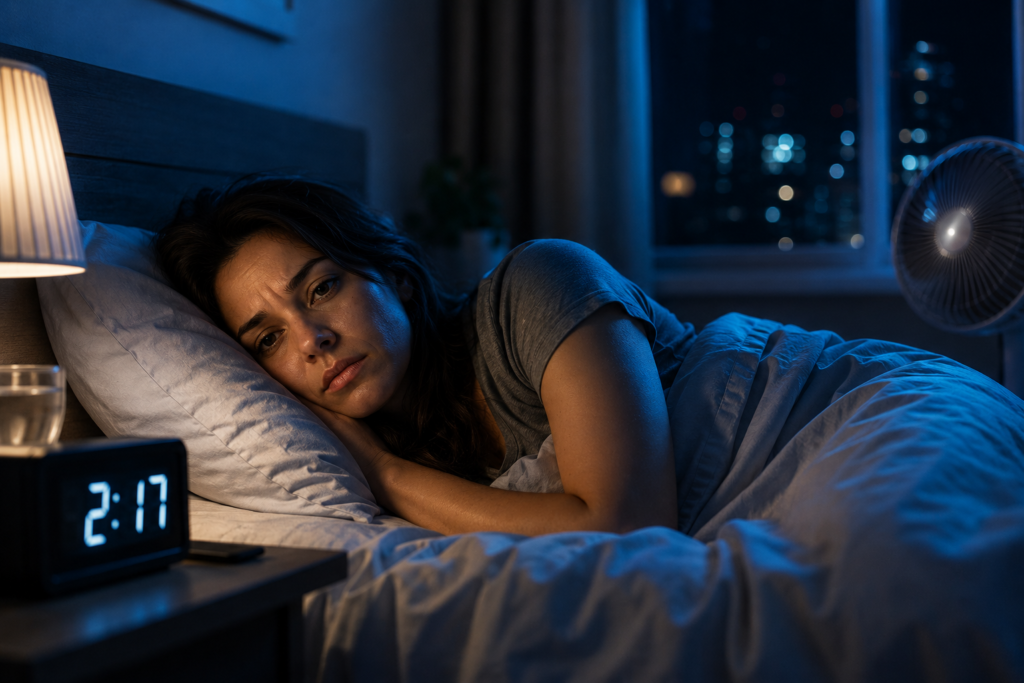
    The moment you check the clock, your brain calculates the time remaining until wake-up and secretes stress hormones. This induces sleep anxiety, so even if you wake up, it is important not to look at the clock, take a deep breath, and close your eyes again.

    Q14. Why is reducing working hours using AI tools important for sleep?

    If you manually edit or plan all night long like in the past, your sleep schedule itself will collapse. You can only maintain a healthy biological rhythm by actively utilizing automation tools to finish work before midnight and keeping the ‘sleep hygiene’ of going to bed at a consistent time.

    Q15. Is it better to close blackout curtains during the day or at night?

    In summer, closing the blackout curtains in advance during the day (2-4 PM) to prevent solar radiant heat from entering the house is far more effective in preemptively preventing the room temperature from rising.

    Internal Link

    2026 Global Cat Festival Guide: Trends in Korea, USA, and Canada

    References

    • National Sleep Foundation (NSF) – The Ideal Room Temperature for Sleep
    • Journal of Physiological Anthropology – Effects of Thermal Environment on Sleep and Circadian Rhythm

    [Site Operating Policy]

    ■ About Us We provide verified professional information related to health, climate change, and field practice.

    ■ Contact www6812@naver.com

    ■ Privacy Policy This website uses visitor cookies to provide personalized Google AdSense advertisements. If you do not wish to, you can block cookie storage through your browser settings.

    ■ Disclaimer All information on this site is for reference and educational purposes only and does not replace professional medical or legal advice. The operator assumes no legal responsibility for any results arising from the use of the information on this site.

    📌 함께 보면 좋은 글

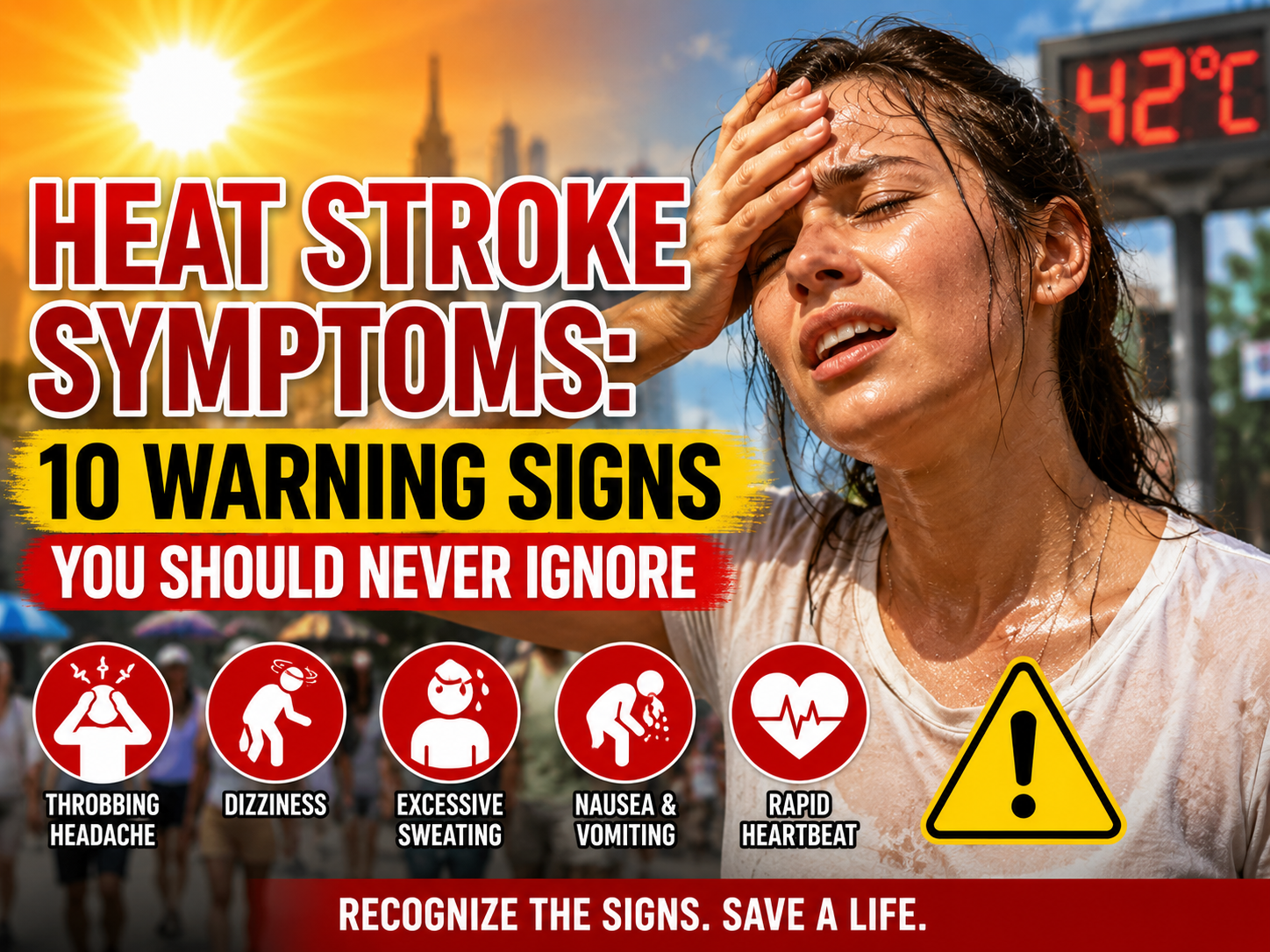
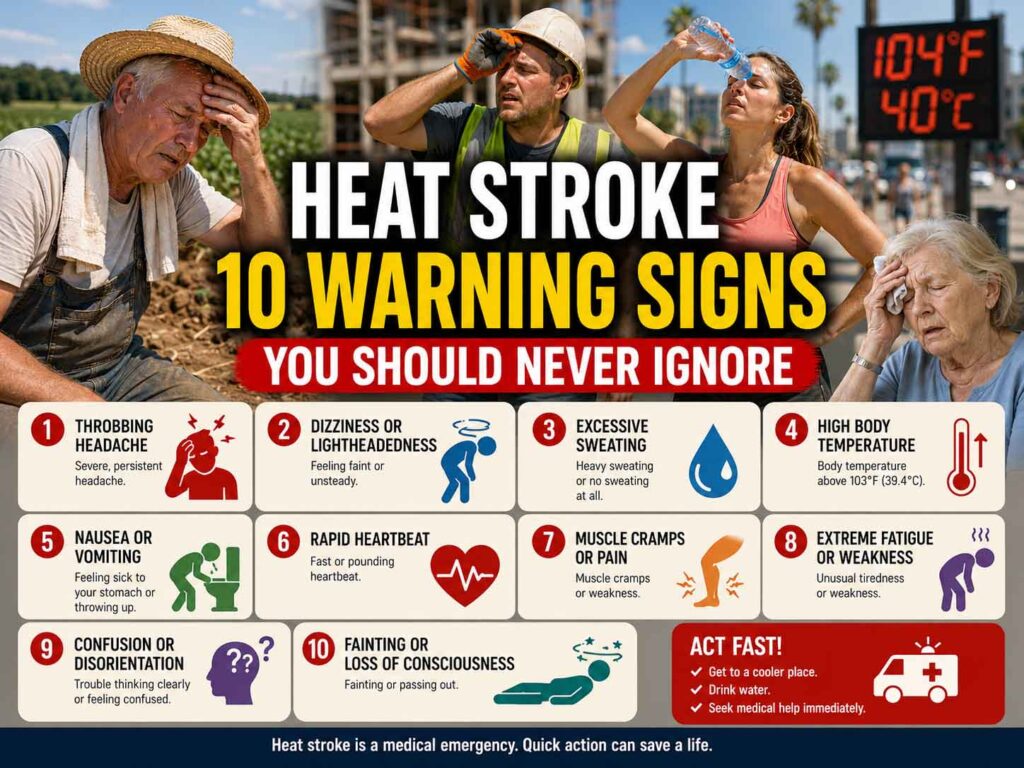
  • Heat Stroke Symptoms: 10 Warning Signs You Should Never Ignore

    Heat Stroke Symptoms: 10 Warning Signs You Should Never Ignore

    Recognizing early heat stroke symptoms is absolutely crucial to staying safe and preventing serious health issues during extreme summer temperatures.

    Meta Description: Discover the critical 10 warning signs of heat stroke that you should never ignore. This comprehensive guide provides expert field safety protocols, real-world prevention strategies for outdoor crews, and life-saving medical insights for navigating extreme heat environments.

    The physical toll of extreme heat is one of the most critical challenges modern professionals and outdoor enthusiasts face today. As global temperatures continue to break historical records, recognizing the definitive signs of heat-related illnesses is no longer just basic medical knowledge; it is an essential survival skill. Heat stroke, the most severe form of hyperthermia, is a life-threatening medical emergency that demands immediate, aggressive intervention to prevent irreversible organ damage or fatality.

    Critical Heat Stroke Symptoms You Should Watch For

    When the human body is pushed beyond its physiological limits, the internal cooling system entirely collapses. This guide is designed to provide highly detailed, practical information on identifying heat stroke symptoms before they become fatal. We will explore not only the clinical signs but also how these symptoms manifest in high-stress outdoor environments, such as active construction sites or intense media production sets.

    It is generally known that recognizing the subtle transition from simple heat exhaustion to full-blown heat stroke can save a life in a matter of minutes. Through this comprehensive manual, you will thoroughly understand the top 10 warning signs of heat stroke, the underlying physiological mechanisms, and the expert-level protocols required to protect your team and yourself in the field.

    Understanding the Severity of Heat Stroke in High-Stress Environments

    Heat stroke occurs when the body’s core temperature rises above 104°F (40°C), leading to central nervous system dysfunction and potential multi-organ failure. Unlike a standard fever caused by an infection, heat stroke is induced by extreme environmental conditions and strenuous physical activity. When the surrounding air temperature exceeds body temperature, the only way the body can cool itself is through the evaporation of sweat.

    However, in environments with high humidity, this evaporative cooling process completely shuts down. In actual production environments, crews working outdoors in heavy gear often fail to realize that their bodies have stopped regulating heat. The rapid escalation from mild discomfort to a life-threatening crisis is what makes heat stroke so incredibly dangerous.

    Many experts emphasize that the initial signs are often masked by the sheer adrenaline of the job. Whether you are an athlete, a construction worker, or a camera operator filming a documentary in the desert, understanding how the environment actively works against your body’s cooling mechanisms is the first step in comprehensive prevention.

    The Physiological Collapse and Central Nervous System Failure

    The defining characteristic of heat stroke, separating it from milder heat illnesses, is the profound impact on the brain and central nervous system. When the core temperature crosses the critical threshold, the proteins and cellular structures within the brain begin to denature. This leads to immediate cognitive impairment, which is often the earliest red flag visible to bystanders.

    A common beginner mistake is assuming that a person suffering from heat illness will simply complain about being hot. In reality, as the central nervous system begins to fail, the victim often loses the capacity to accurately perceive their own body temperature. They might become argumentative, highly confused, or even insist that they are feeling perfectly fine despite exhibiting obvious physical distress.

    An expert know-how utilized by field medics is to ask the suspected victim a series of basic cognitive questions, such as “What day is it?” or “What were we just working on?” If the person struggles to answer or exhibits slurred speech, it must be treated as an immediate neurological emergency, requiring rapid cooling protocols before emergency services arrive.

    Transitioning from Heat Exhaustion to a Medical Emergency

    Understanding the boundary between heat exhaustion and heat stroke is crucial for field safety. Heat exhaustion is characterized by heavy sweating, weakness, and a rapid pulse, as the body frantically tries to shed excess heat. If a worker exhibiting these signs is not immediately removed from the hot environment and hydrated, their condition will aggressively escalate into heat stroke.

    In a real filming case during an outdoor documentary shoot in a tropical climate, a camera operator ignored the signs of heat exhaustion, attributing his extreme fatigue to the heavy cinema camera rig. Within thirty minutes, he collapsed. The production team had to halt all operations and apply ice packs directly to his neck and groin to stabilize his core temperature while waiting for the ambulance.

    A highly practical tip for preventing this transition is the strict implementation of a “buddy system.” Because the victim is often the last person to realize their cognitive decline, colleagues must actively monitor each other. If you notice a team member who was previously sweating profusely suddenly stop sweating and develop dry, flushed skin, you must initiate emergency response procedures immediately.

    AI Utilization and Environmental Monitoring in Field Work

    The latest trend in managing extreme heat on large-scale outdoor projects involves the integration of advanced technology. Environmental monitoring has evolved far beyond simple thermometers. Today, AI-driven weather tracking applications provide hyper-local, real-time data on the wet-bulb globe temperature (WBGT), which factors in heat, humidity, wind, and solar radiation to accurately assess human heat stress.

    When facing problem-solving during production in extreme climates, technical directors now rely on wearable biometric sensors linked to an AI dashboard. These devices track the heart rate, skin temperature, and exertion levels of key personnel. If a crew member’s biometric data indicates an impending thermal crisis, the AI system immediately alerts the safety officer to pull that individual off the set.

    It may vary depending on the situation, but the integration of these AI tools allows production managers to dynamically adjust shooting schedules based on real-time microclimate predictions. This ensures that the most physically demanding tasks are executed only during the safest thermal windows, drastically reducing the overall risk of heat-related emergencies.

    The First 5 Warning Signs of Heat Stroke: Neurological and Physical Red Flags

    Identifying the symptoms of heat stroke requires a keen eye and an understanding of human physiology under extreme stress. The initial warning signs are often deeply neurological, reflecting the brain’s struggle to cope with the boiling internal environment. Ignoring these signs can lead to permanent brain damage or death within an hour.

    It is absolutely vital to understand that heat stroke does not always look like the dramatic collapses seen in movies. It can present as a quiet, confusing deterioration of a person’s mental and physical state. Being able to spot these first five signs is the ultimate defense mechanism for anyone operating in extreme summer heat.

    The following symptoms represent the immediate red flags that dictate a shift from standard first aid to a 911 medical emergency. Any individual exhibiting these signs must be actively cooled while awaiting professional medical transport.

    1. Altered Mental State and Severe Confusion

    The absolute hallmark of heat stroke is an altered mental state. When the brain overheats, neurotransmitter function is severely disrupted. This manifests as profound confusion, delirium, extreme irritability, or entirely irrational behavior. The person may seem intoxicated, stumbling, or completely disconnected from their surroundings.

    A common beginner mistake in field management is dismissing a worker’s sudden irritability or combativeness as simply being “stressed out by the heat.” In reality, aggression and irrationality are primary clinical indicators that the brain is literally cooking. Arguing with the victim is useless; they are experiencing a severe neurological crisis.

    Expert know-how dictates that if a crew member suddenly forgets how to operate familiar equipment—like a veteran grip forgetting how to set up a standard light stand—you must intervene. A practical tip is to immediately move them to an air-conditioned space and physically assess their temperature, as cognitive failure is the most reliable early warning sign of impending systemic collapse.

    2. Lack of Sweating (Anhidrosis) or Dry, Hot Skin

    Sweating is the body’s primary cooling mechanism. In classic, environmentally-induced heat stroke (often seen in the elderly), the body eventually runs out of water or the thermoregulatory center completely fails, causing sweating to stop entirely. The skin becomes alarmingly hot, dry, and red.

    However, in exertional heat stroke (common among athletes and outdoor crews), the person may still have moist skin from previous exertion, but the active production of sweat has ceased. A real filming case involved an action actor performing a strenuous chase scene in high humidity; despite his shirt being soaked, the medical officer noticed his face was completely dry and radiating intense heat.

    A crucial practical tip is to never assume someone is safe just because their clothes are wet. You must check for active sweat production on the face and arms. If the skin feels like a dry furnace, the body’s internal cooling system has suffered a catastrophic failure, and external cooling (like an ice bath) must replace the biological sweating process instantly.

    3. Dangerously High Core Body Temperature

    A core body temperature reaching or exceeding 104°F (40°C) is the primary clinical definition of heat stroke. At this temperature, cellular damage begins to occur at a rapid pace. It is important to note that skin temperature is not an accurate reflection of core temperature; a person can feel relatively warm on the outside while their internal organs are at a critical limit.

    Some studies suggest that for every minute a patient’s core temperature remains above 104°F, the mortality rate increases significantly. In actual production environments, safety officers are now equipped with advanced tympanic (ear) or temporal thermometers to get a closer estimation of core heat, though rectal thermometers remain the clinical gold standard in emergency rooms.

    A beginner mistake is relying on cheap, surface-level forehead scanners in direct sunlight, which often provide wildly inaccurate, falsely low readings due to the wind or sweat. Expert know-how requires taking the individual into a shaded, climate-controlled area before attempting to measure their temperature to ensure the reading reflects their actual physiological state.

    4. Throbbing, Severe Headache

    A sudden, intensely throbbing headache is a severe warning sign that the blood vessels in the brain are dilating to an extreme degree in a desperate attempt to release heat. This is often described by victims as one of the most painful headaches they have ever experienced, frequently accompanied by a feeling of immense pressure behind the eyes.

    When a field worker complains of a splitting headache out of nowhere, it must be treated as a red flag for heat stroke. A highly practical tip is to have the person sit down in the shade immediately and offer them an electrolyte-rich fluid. If the headache is accompanied by any visual disturbances, such as blurred vision or seeing spots, emergency protocols must be triggered.

    During a reality show production in a desert environment, a sound mixer complained of a throbbing headache but tried to push through the scene. The expert audio supervisor immediately halted the recording, recognizing the symptom. By forcing the mixer to rest in an air-conditioned production van, they prevented a full-scale medical emergency that would have otherwise shut down the entire shoot.

    5. Nausea, Vomiting, and Gastrointestinal Distress

    As the body prioritizes sending blood to the skin for cooling, it severely restricts blood flow to the digestive system. This sudden ischemia (lack of blood supply) to the stomach and intestines causes profound nausea, severe stomach cramps, and active vomiting.

    Vomiting is particularly dangerous during a heat emergency because it rapidly accelerates dehydration and the loss of critical electrolytes, creating a vicious, downward cycle. A common beginner mistake is trying to force a vomiting victim to chug large amounts of water. This will only irritate the stomach lining further and induce more vomiting.

    Expert know-how dictates that if a suspected heat stroke victim is vomiting, they must be rolled onto their side into the recovery position to prevent them from inhaling their own vomit (aspiration), especially if their mental state is altered. Fluids should only be administered intravenously by paramedics at this stage, as oral hydration is no longer safe or effective.

    The Next 5 Warning Signs: Cardiovascular and Systemic Failures

    Once heat stroke has firmly taken hold of the body, the symptoms move beyond the brain and digestive system, directly impacting the cardiovascular and respiratory systems. The heart and lungs are forced to work at absolute maximum capacity to compensate for the massive physiological stress, leading to highly visible physical distress.

    Recognizing these systemic failures is critical, especially in remote outdoor locations where emergency medical services may take time to arrive. These signs indicate that the body is in a state of profound shock. Field personnel must maintain a calm, methodical approach to stabilize the victim while continuously monitoring these cardiovascular indicators.

    Platform differences play a role when reporting these incidents; while internal production safety reports require detailed biometric data, public-facing news on extreme weather often focuses on the visible severity of these systemic collapses to educate the masses. Let us examine the final five critical warning signs.

    6. Rapid, Racing Heart Rate (Tachycardia)

    To dissipate heat, the heart must pump massive amounts of blood to the dilated blood vessels near the skin. This places an extraordinary burden on the cardiovascular system. In a heat stroke scenario, a victim’s heart rate can easily skyrocket to 130 to 160 beats per minute, even while they are resting completely still in the shade.

    A practical tip for field workers is to know how to take a manual radial pulse (at the wrist). If a colleague’s pulse feels incredibly fast and unusually strong (bounding), it means their heart is working in overdrive to prevent systemic collapse. If the pulse suddenly becomes fast but very weak and thready, the cardiovascular system is beginning to fail entirely.

    In an actual real-world application, athletes training in extreme heat are monitored continuously for heart rate recovery. If their heart rate fails to drop significantly after five minutes of resting in the shade, it is a glaring indicator of severe heat stress. This expert know-how is easily translated to outdoor film sets, where crew members carrying heavy gear should be subjected to the same heart rate recovery checks during mandatory breaks.

    7. Rapid and Shallow Breathing (Hyperventilation)

    Alongside a racing heart, a heat stroke victim will often exhibit rapid, shallow breathing. The body attempts to exhale heat directly through the lungs, a process similar to how a dog pants. This hyperventilation further depletes the body of carbon dioxide, which can lead to tingling in the extremities and exacerbate feelings of dizziness and panic.

    A common beginner mistake is instructing the victim to breathe into a paper bag to stop the hyperventilation. In a heat stroke scenario, this is highly dangerous, as it restricts their oxygen intake when their organs are already under massive metabolic stress. Instead, expert know-how requires moving the victim into the coolest available environment and speaking to them in a calm, soothing voice to help them manually regulate their breathing rate.

    During a highly demanding outdoor broadcast, a camera operator began hyperventilating due to the extreme heat reflecting off the concrete. The production safety team immediately applied cold, wet towels to his chest and back while coaching his breathing. This rapid problem-solving during production stabilized his oxygen levels and prevented a full loss of consciousness.

    8. Flushed, Extremely Red Skin

    As the body attempts to dump heat, it opens up all the capillaries just beneath the surface of the skin, a process called vasodilation. This turns the skin a very bright, flushed red. In lighter-skinned individuals, this is immediately apparent. In darker-skinned individuals, the flushing can often be observed on the palms of the hands, the soles of the feet, or the inside of the lips.

    It may vary depending on the situation, but this redness is often one of the first visual cues that an individual is in danger. A practical tip is to press your finger firmly into the red skin for a second and release it. If the skin turns white (blanches) and takes a long time to return to red, it indicates severe dehydration and compromised capillary refill.

    Real filming cases often involve lighting technicians working close to hot, high-intensity lamps. The combination of ambient summer heat and equipment radiation can cause severe skin flushing. Expert crews utilize reflective heat shields and mandate the wearing of breathable, light-colored, long-sleeved clothing to mitigate direct thermal radiation and prevent this massive vasodilation.

    9. Muscle Weakness, Cramps, and Loss of Motor Control

    While heat cramps are often an early sign of heat exhaustion, profound muscle weakness and a total loss of fine motor control are serious indicators of heat stroke. As electrolytes like sodium and potassium are completely depleted, the electrical signals that command the muscles begin to misfire.

    The victim may find themselves completely unable to stand up, or their hands may cramp into claw-like shapes (carpopedal spasms). A common beginner mistake is aggressively massaging the cramped muscles. This can actually cause severe tissue damage when the muscles are in an extreme state of chemical imbalance.

    Expert know-how dictates that stretching must be entirely passive and gentle. In actual production environments, if a grip or rigger suddenly loses the hand strength required to safely secure a piece of heavy equipment, they must be relieved of duty immediately. The loss of motor control in a hazardous work environment is a recipe for catastrophic secondary accidents.

    10. Fainting, Syncope, or Seizures

    The most dramatic and terrifying sign of heat stroke is a complete loss of consciousness or the onset of thermal seizures. Syncope (fainting) occurs when the dilated blood vessels cause a sudden drop in blood pressure, depriving the brain of oxygen. Seizures occur because the brain tissue is actively misfiring due to the extreme thermal and chemical stress.

    If a person collapses or begins seizing, it is an absolute, undeniable, life-or-death emergency. A practical tip is to clear the area of any sharp objects or hazards to prevent the seizing victim from injuring themselves. Never place anything in a seizing person’s mouth.

    The choice depends on the purpose of your safety protocol, but universally, the immediate action must be aggressive, whole-body cooling. Medical professionals state that survival rates plummet if the core temperature is not drastically reduced within the first thirty minutes of a heat-induced collapse. Emergency responders must be called the very second an individual loses consciousness in a high-heat environment.

    Immediate Action Protocols and Problem Solving During Field Work

    Recognizing the 10 warning signs is only half the battle; knowing exactly how to execute a rapid response is what saves lives. When heat stroke is identified, every single second counts. The objective is to rapidly lower the victim’s core body temperature while waiting for professional medical assistance.

    Standard first aid protocols often fall short when dealing with the sheer intensity of heat stroke. Field crews must be trained in aggressive cooling techniques. This requires having the right equipment on standby and a clear chain of command to execute the emergency action plan without hesitation.

    In actual production environments, the safety officer must take immediate charge. The workflow of the entire set must stop, and all available resources must be redirected to stabilizing the victim. Here is the expert-level protocol for handling a heat stroke emergency in the field.

    Rapid External Cooling Techniques (The Ice Bath Protocol)

    The gold standard for treating exertional heat stroke in the field is cold water immersion. If a large tub or a specialized medical cooling tarp is available, the victim should be submerged in ice water up to their neck. This rapidly conducts heat away from the body’s core.

    If a tub is not available, which is often the case in remote locations, expert know-how dictates the use of the “tarp-assisted cooling” method. The victim is placed on a waterproof tarp, and crew members lift the corners to create a makeshift hammock while pouring coolers of ice water over the victim’s torso.

    A common beginner mistake is worrying about causing hypothermia and therefore using lukewarm water. In a heat stroke crisis, the fire inside the body is so intense that ice water is absolutely necessary. You must cool the victim aggressively until their core temperature drops below 102°F (38.9°C), or until they begin to shiver, at which point the cooling should be scaled back to prevent an overshoot.

    Strategic Placement of Ice Packs and Evaporative Cooling

    If total water immersion is impossible, the next best problem-solving method is the strategic placement of chemical ice packs or wet, frozen towels. These must be placed directly over the areas where major arteries run close to the skin’s surface: the neck, the armpits, and the groin.

    Simultaneously, you must maximize evaporative cooling. Strip the victim of all heavy gear, vests, and unnecessary clothing. Spray their exposed skin continuously with cool water while aiming multiple high-velocity fans directly at them. The rapid evaporation of the water acts as artificial sweat, pulling heat away from the skin.

    In a real filming case taking place in a dense urban environment, a crew member suffered heat stroke on a concrete rooftop. The team had no ice bath, but they utilized the set’s high-powered wind machines (usually used for special effects) and sprayed the victim with drinking water from a cooler. This rapid improvisation successfully stabilized the victim’s temperature until the paramedics navigated the city traffic.

    Managing the Airway and Communicating with Emergency Services

    While cooling is the primary physical intervention, maintaining the victim’s airway is paramount, especially if they are unconscious or seizing. As mentioned previously, place the unconscious victim in the lateral recumbent (recovery) position on their left side. This prevents the tongue from blocking the airway and allows any vomit to drain safely out of the mouth.

    When communicating with emergency services, a highly practical tip is to explicitly use the term “suspected heat stroke” rather than “heat exhaustion” or “overheating.” This specific terminology immediately escalates the priority level of the dispatch and allows the incoming paramedics to prepare intravenous chilled saline solutions en route.

    Assign one specific crew member to stand at the entrance of the location or on the main road to physically guide the ambulance to the exact spot on the set. Time lost trying to find the victim in a sprawling outdoor location can be fatal.

    Utilizing Latest Trends and Technologies for Heat Stroke Prevention

    The modern approach to field safety has shifted from reactive treatment to highly proactive prevention, driven largely by technological advancements. Preventing heat stroke requires manipulating the work environment and optimizing the physical resilience of the team before the temperature ever reaches a critical level.

    By integrating the latest trends in wearable tech and AI, productions and outdoor operations can create a highly controlled safety net. Understanding how to leverage these tools is what separates amateur setups from world-class, professional organizations.

    It is generally known that the upfront investment in heat safety technology pays for itself by preventing costly medical evacuations, halted productions, and most importantly, the loss of human life.

    Wearable Biometric Trackers and Smart Fabrics

    The deployment of wearable biometric trackers has revolutionized field safety. Devices worn on the upper arm or chest continuously monitor a worker’s physiological strain index (PSI). These devices track subtle changes in heart rate variability and estimated core temperature, transmitting this data via Bluetooth to a central iPad monitored by the safety officer.

    Additionally, the use of smart fabrics and active cooling gear is a major trend. Phase-change material (PCM) cooling vests maintain a steady 58°F (14°C) against the body for hours, drastically reducing thermal strain without shocking the system with freezing temperatures.

    Many experts mandate the use of these vests for camera operators who must carry heavy, heat-generating equipment on their shoulders for extended periods. When the vest’s cooling elements melt, they are simply swapped out for fresh ones from a designated on-set icebox, ensuring continuous thermal protection throughout the shooting day.

    AI-Driven Scheduling and Microclimate Forecasting

    As mentioned, AI plays a massive role in modern scheduling. High-end productions utilize AI software that analyzes hyper-local weather forecasts, topographical data, and the specific physical demands of the daily call sheet to generate an optimized shooting schedule.

    If the AI predicts a severe spike in the wet-bulb temperature at 2:00 PM, the software automatically reschedules the physically intense action sequences or heavy rigging tasks to the early morning hours, reserving the peak heat hours for indoor, air-conditioned work or mandatory rest periods.

    This level of problem-solving during production eliminates the human error of a director trying to “push through” a dangerous heat wave to get a shot. By relying on objective, AI-driven data, the production guarantees the safety of the crew while maintaining maximum operational efficiency.

    Expert Survival and Field Reporting Checklist

    To ensure absolute safety in extreme heat environments, professional teams must strictly adhere to a standardized safety protocol. Below is the essential checklist utilized by expert field managers and production safety officers.

    Verify Mandatory Hydration Stations: Ensure coolers with ice water and electrolyte solutions are placed within 50 feet of all active working zones.

    Establish Active Cooling Zones: Set up dedicated, heavily shaded tents equipped with high-velocity fans, portable AC units, and seating.

    Confirm Emergency Medical Gear: Verify the presence and readiness of an ice bath tub, chemical cold packs, and a temporal thermometer on site.

    Implement the Buddy System: Assign every crew member a specific partner to monitor for neurological signs of heat stress (confusion, irritability).

    Monitor AI Weather Dashboards: Check the wet-bulb globe temperature (WBGT) hourly and enforce mandatory work-rest ratios when limits are exceeded.

    Pre-Cooling Protocols: Mandate that workers consume an ice slurry drink (crushed ice and sports drink) 30 minutes before engaging in heavy physical labor.

    Briefing on the 10 Warning Signs: Conduct a mandatory morning safety briefing detailing the specific symptoms of heat stroke and the immediate ice-cooling response plan.

    Conclusion

    Heat stroke is a devastating, highly lethal medical emergency that strikes when the body’s natural cooling mechanisms are completely overwhelmed by extreme environmental stress. By recognizing the 10 critical warning signs—ranging from altered mental states and a lack of sweating to a racing heart and complete loss of motor control—you are equipped to intervene before irreversible damage occurs.

    In high-stakes outdoor environments, such as construction sites and media production sets, relying on modern technology, AI environmental monitoring, and aggressive field cooling protocols is non-negotiable. Memorize these symptoms, strictly enforce the safety checklists, and always prioritize proactive cooling and hydration. The ability to spot the subtle onset of heat stroke and execute a rapid, clinical response is the ultimate safeguard against the escalating threats of a warming world.

    FAQ

    Q1. What is the absolute first sign of heat stroke I should look for?

    The most critical early warning sign is an altered mental state. If a person suddenly becomes highly confused, unusually irritable, irrational, or begins slurring their speech in a hot environment, you must assume they are entering a heat stroke crisis.

    Q2. Can a person have heat stroke even if they are still sweating?

    Yes. Exertional heat stroke, common in outdoor workers and athletes, can occur while the skin is still damp from earlier exertion. If their core temperature is dangerously high and their mental state is altered, it is heat stroke, regardless of whether there is still sweat on their skin.

    Q3. Why shouldn’t I give a heat stroke victim water to drink?

    If a person is suffering from severe heat stroke, their mental state is usually compromised, and their digestive system has essentially shut down. Giving them fluids orally poses a massive risk of choking, vomiting, and aspiration (inhaling fluid into the lungs). Hydration must be done intravenously by medical professionals.

    Q4. How fast does an ice bath lower the core body temperature?

    Cold water immersion is highly effective and can lower a patient’s core body temperature by approximately 0.35°F to 0.4°F per minute. The goal is to rapidly drop the core temperature below 102°F within the first 15 to 30 minutes of collapse.

    Q5. What is the difference between heat exhaustion and heat stroke?

    Heat exhaustion involves heavy sweating, weakness, and a normal or slightly elevated body temperature, where the person remains mentally coherent. Heat stroke is a total failure of the cooling system, marked by a core temperature above 104°F, a complete change in mental status, and often dry, flushed skin.

    Q6. Is it safe to use a standard fan to cool someone with heat stroke?

    A fan alone is entirely insufficient for treating heat stroke. Fans only work well if the person’s skin is wet and the ambient air is cooler than their body. You must combine the fan with active water spraying to create artificial evaporative cooling, alongside placing ice packs on major arteries.

    Q7. Can certain medications increase the risk of heat stroke?

    Yes. Medications such as antihistamines, diuretics, beta-blockers, and some antidepressants actively interfere with the body’s ability to stay hydrated, regulate heart rate, or produce sweat, significantly increasing the risk of heat-related illnesses.

    Q8. What does “wet-bulb globe temperature” (WBGT) mean for field safety?

    WBGT is a highly accurate measurement of heat stress in direct sunlight that takes into account temperature, humidity, wind speed, and solar radiation. It is the gold standard used by the military and professional sports to determine safe work-rest cycles.

    Q9. If someone recovers from heat stroke, are there long-term effects?

    Surviving a severe heat stroke can leave a person highly sensitive to heat for months or even years. In extreme cases, it can cause permanent damage to the liver, kidneys, or brain if the core temperature was elevated for too long before treatment.

    Q10. Why is a throbbing headache a sign of heat stroke?

    The intense headache is caused by extreme vasodilation. The blood vessels in the head expand dramatically in a desperate attempt to shed heat, causing severe pressure and pain, often accompanied by visual disturbances.

    Q11. How does high humidity prevent the body from cooling down?

    The body cools itself when sweat evaporates off the skin, pulling heat away into the air. In high humidity, the air is already saturated with moisture, preventing the sweat from evaporating. The sweat simply drips off, providing zero cooling effect while depleting the body of water.

    Q12. Should I give someone with heat cramps a salt tablet?

    Many experts advise against plain salt tablets, as they can cause severe stomach irritation and nausea. Instead, provide a balanced electrolyte beverage or an oral rehydration solution that contains the proper ratio of sodium, potassium, and carbohydrates.

    Q13. Can wearing dark clothing really cause heat stroke?

    Dark clothing absorbs a massive amount of solar radiation, directly transferring that heat to the wearer’s body. In actual production environments, crews are mandated to wear light-colored, highly breathable fabrics that reflect the sun’s rays to minimize thermal load.

    Q14. What should I do if a heat stroke victim begins to seize?

    Do not try to hold them down or put anything in their mouth. Clear the area of hard or sharp objects to prevent injury. As soon as the seizure stops, roll them onto their side (recovery position) to protect their airway and continue aggressive external cooling methods.

    Q15. Are phase-change cooling vests effective for outdoor crews?

    Yes, they are highly effective. Unlike ice vests, which can shock the system and cause blood vessels to constrict (trapping heat), phase-change materials maintain a steady, moderate cool temperature (usually around 58°F) that safely draws heat away from the core over several hours.

    [Site Policies]

    ■ About Us We provide verified, expert information on health, climate change, and field safety protocols.

    ■ Contact www6812@naver.com

    ■ Privacy Policy This website uses cookies to serve personalized ads through Google AdSense. You can disable cookies at any time through your browser settings.

    ■ Disclaimer All information on this site is for informational and educational purposes only and does not substitute professional medical or legal advice. The operator assumes no liability for any actions taken or outcomes resulting from the use of this information.

    Internal Link

    2026 Global Cat Festival Guide: Trends in Korea, USA, and Canada

    References

    • World Health Organization (WHO) – Information on Heatwaves and Health
    • American Red Cross – Heat Wave Safety Guidelines

    📌 함께 보면 좋은 글

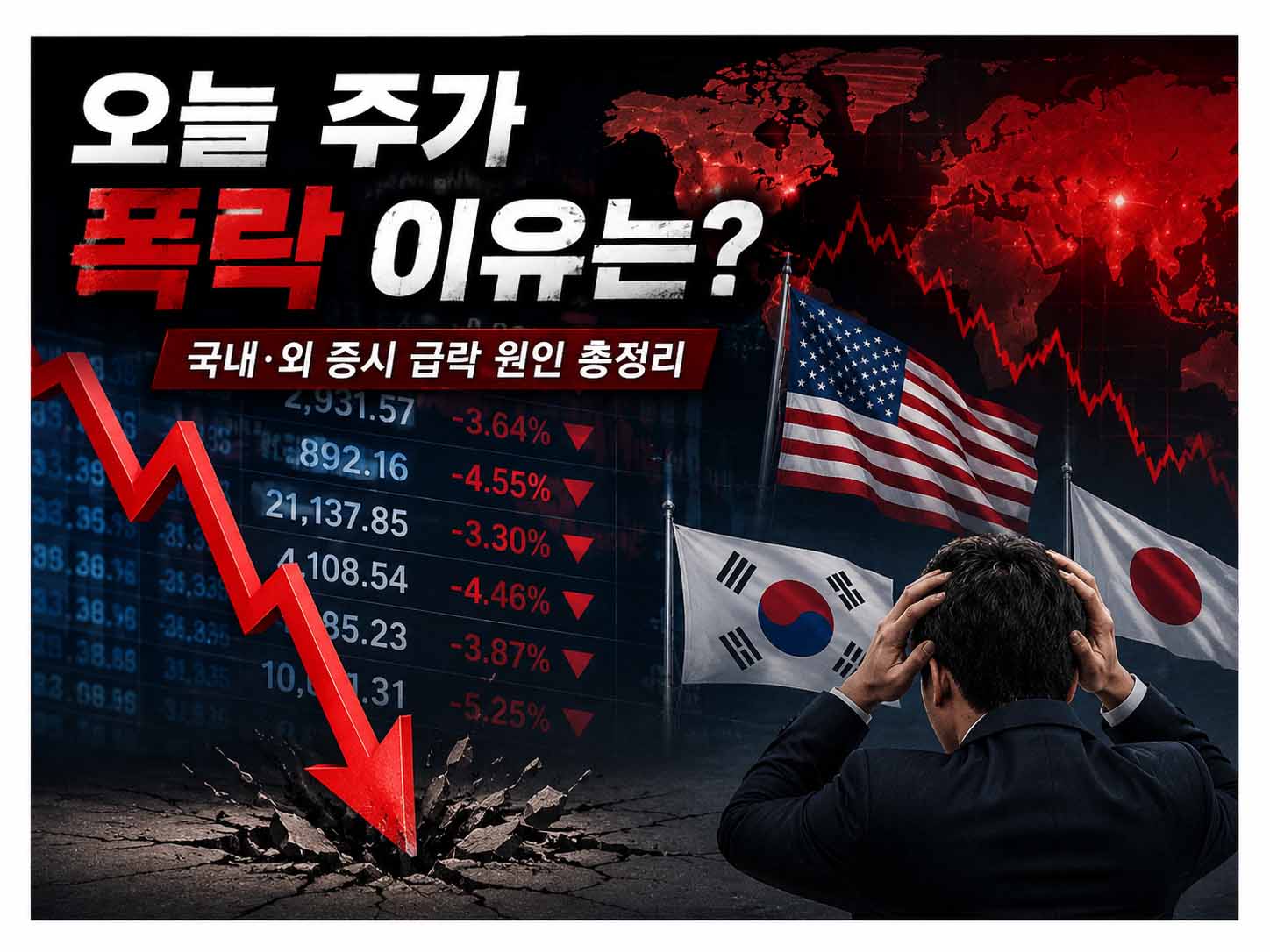
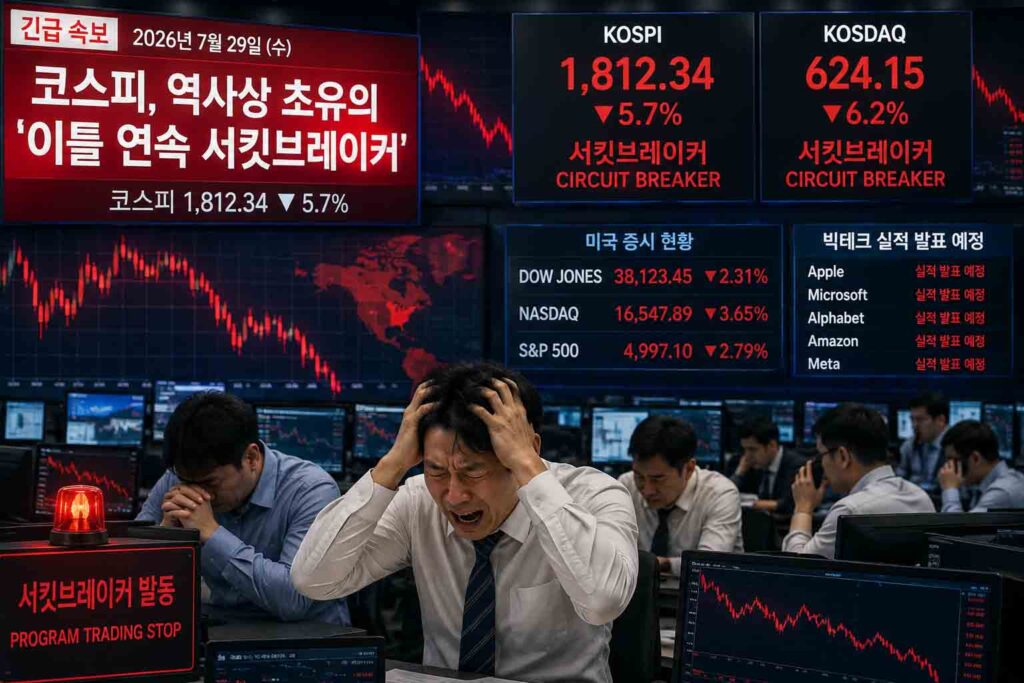
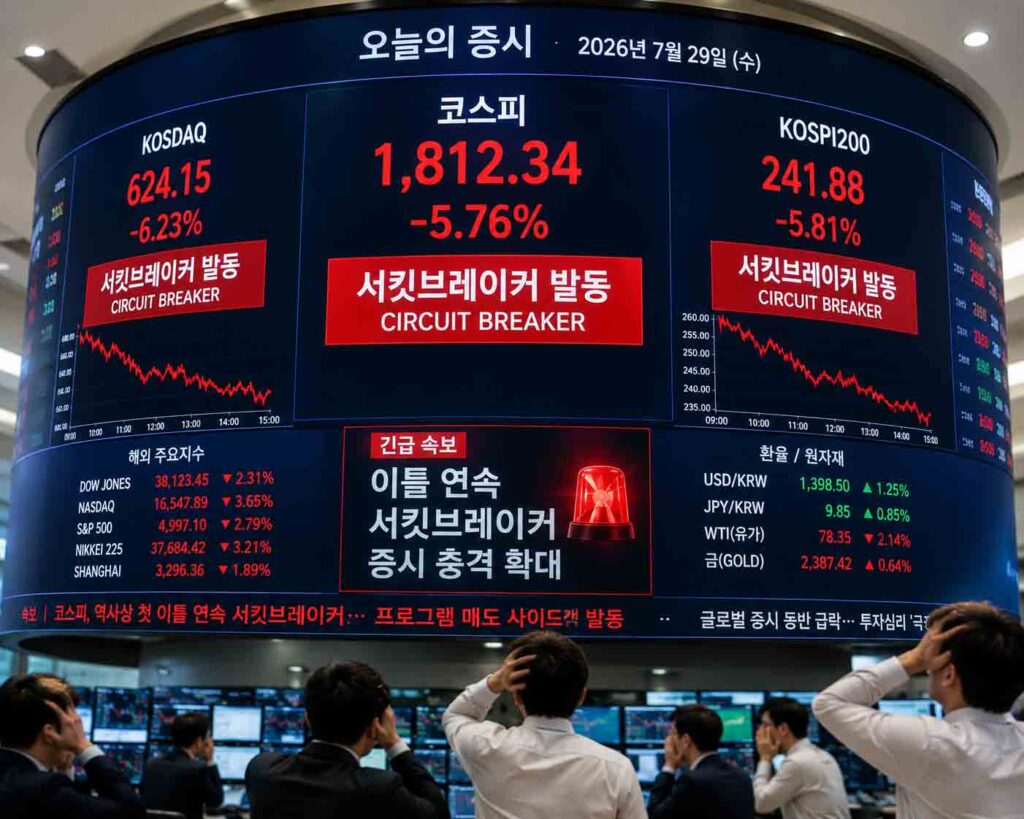
  • 2026년 7월 29일, 대한민국의 주식시장이 역사상 초유의 ‘이틀 연속 서킷브레이커’라는 충격적인 기록을 썼습니다. 미국 증시 역시 대형 기술주(빅테크)들의 실적 발표를 앞두고 크게 출렁이며 전 세계 금융시장이 공포에 휩싸여 있습니다.

    2026년 7월 29일, 대한민국의 주식시장이 역사상 초유의 ‘이틀 연속 서킷브레이커’라는 충격적인 기록을 썼습니다. 미국 증시 역시 대형 기술주(빅테크)들의 실적 발표를 앞두고 크게 출렁이며 전 세계 금융시장이 공포에 휩싸여 있습니다.

    2026 주가 폭락: 최악의 서킷브레이커 사태 완벽 생존 비법

    2026 주가 폭락 사태로 인해 2026년 7월 29일, 대한민국의 주식시장이 역사상 초유의 ‘이틀 연속 서킷브레이커’라는 충격적인 기록을 썼습니다. 미국 증시 역시 대형 기술주(빅테크) 실적 발표를 앞두고 크게 출렁이며 전 세계 금융시장이 공포에 휩싸여 있습니다.

    투자자 여러분, 지금 계좌를 열어보기가 두려우신가요? 20년 경력 경제 전문 기자이자 애널리스트로서, 오늘 발생한 글로벌 2026 주가 폭락 사태의 본질을 명확히 분석해 드립니다. 이번 2026 주가 폭락이 2008년 금융위기급 거대한 붕괴의 시작인지, 아니면 과열된 인공지능(AI) 랠리가 식어가는 건강한 조정인지 철저한 데이터와 팩트를 기반으로 진단하겠습니다.

    2026 주가 폭락: 서킷브레이커 발동의 충격적 원인

    이번 한국 증시 이틀 연속 서킷브레이커와 글로벌 2026 주가 폭락은 단일 악재가 아닌 복합적 요인이 뇌관을 건드린 결과입니다.

    가장 큰 원인은 그동안 시장을 견인해 온 빅테크 기업의 막대한 AI 투자 대비 실질적인 수익성(ROI)에 대한 시장의 의구심이 한계치에 달했다는 점입니다. 여기에 글로벌 금리 인하 지연 우려와 주요국 실물 경제 지표 둔화가 맞물렸습니다. 그 결과, 막대한 수익을 내고 있던 기관 투자자의 차익 실현 물량이 투매성으로 쏟아지며 충격적인 2026 주가 폭락을 부추겼습니다.

    2026 주가 폭락은 거대한 붕괴인가, 건강한 조정인가?

    제2의 금융위기를 걱정하는 목소리가 크지만, 현시점에서 이번 2026 주가 폭락을 시스템 리스크로 인한 ‘거대한 붕괴’로 보기는 어렵습니다. 과거 금융위기는 기업과 가계의 부실한 신용과 연쇄 도산이 원인이었으나, 현재 주요 기업의 현금 보유량과 펀더멘탈은 매우 견조한 편입니다.

    따라서 이번 2026 주가 폭락은 그동안 이어졌던 과열된 AI 및 기술주 랠리에 대한 ‘격렬하고 뼈아픈 가격 조정(Correction)’ 과정으로 해석하는 것이 합리적입니다. 공포 매물이 투매를 부르는 과매도(Oversold) 구간에 진입했음을 의미하며, 이 거센 2026 주가 폭락 속에서도 냉정하게 옥석을 가려내야 합니다.

    2026 주가 폭락: 최악의 서킷브레이커 극복 완벽 전략

    2026 주가 폭락 현상으로 인해 전 세계 금융시장이 전례 없는 공포와 변동성에 직면했습니다. 코스피 지수가 급격히 하락하며 이틀 연속 서킷브레이커가 발동되는 등 투자자 불안감이 극에 달한 상황입니다.

    급격한 지수 하락 속에서 냉정한 판단력을 유지하기란 쉽지 않습니다. 하지만 시장 충격의 원인을 객관적 데이터로 분석하고 위험 요인을 식별한다면, 이번 위기를 자산 재편의 기회로 전환할 수 있습니다. 오늘 발생한 시장 동향과 핵심 원인을 살펴보고 현명한 대응책을 제시합니다.

    2026 주가 폭락 원인과 증시 현황 분석

    이번 증시 급락은 단일 악재가 아닌 다중 악재가 결합하여 발생한 복합적 결과입니다. 그동안 증시 상승을 이끌어온 주요 기술 기업의 인공지능 관련 투자 대비 수익성(ROI)에 대해 시장이 의구심을 갖기 시작한 점이 주요 원인으로 꼽힙니다.

    아울러 중앙은행의 금리 인하 시점 지연 우려와 글로벌 경기 지표 둔화가 동시에 작용했습니다. 이로 인해 기관 투자자의 대규모 차익 실현 매물이 시장에 한꺼번에 쏟아졌고, 단일 종목 레버리지 상품의 강제 청산이 잇따르며 낙폭이 확대되었습니다. 여기에 해외 반도체 공급망 관련 차질 우려까지 더해져 투자 심리가 급격히 위축되었습니다.

    시장 펀더멘털 진단과 하락장의 본질

    많은 투자자가 2008년 금융위기와 같은 시스템적 붕괴를 우려하지만, 현재 경제 상황은 과거와 다른 양상을 보입니다. 과거 위기가 금융 기관의 부실 신용과 연쇄 도산에서 비롯되었다면, 현재 주요 상장 기업의 재무 건전성과 현금 보유량은 여전히 견조한 수준을 유지하고 있습니다.

    따라서 현재 나타나는 증시 냉각은 시스템 리스크가 아닌, 과열되었던 주가 밸류에이션이 제자리를 찾는 고통스러운 조정 과정으로 해석하는 것이 타당합니다. 단기 과매도 구간에 진입한 만큼, 감정에 휘둘린 투매보다는 실적 개선이 확실한 기업을 선별하는 시각이 필요한 때입니다.

    변동성 장세 극복을 위한 포트폴리오 전략

    급격한 하락장에서는 무리한 추격 매수나 신용을 활용한 추가 매수 전략을 지양해야 합니다. 현금 비중을 일정 수준 확보하여 리스크를 관리하고, 시장이 바닥을 다지는 과정을 관망하는 것이 바람직합니다.

    실적 기반이 약한 테마성 종목 비중은 줄이고, 펀더멘털이 튼튼하며 안정적인 현금 흐름을 창출하는 우량주나 배당주 중심으로 포트폴리오를 재편해야 합니다. 변동성 장세가 일단락되면 이익 창출 능력이 검증된 종목부터 가장 빠르게 반등할 가능성이 높습니다.2026 주가 폭락을 극복하는 완벽한 생존 비법

    역사적으로 이런 극단적인 2026 주가 폭락 장세에서는 섣부른 추격 매도나 맹목적인 ‘물타기(평단가 낮추기)’ 모두 계좌를 망가뜨리는 치명적인 실수가 됩니다. 지금은 포트폴리오 체질을 개선해야 할 완벽한 시기입니다.

    실적이 뒷받침되지 않는 맹목적인 테마주나 부채 비율이 높은 한계 기업은 과감히 비중을 축소해야 합니다. 반면, 이번 2026 주가 폭락으로 밸류에이션이 역사적 평균 이하로 내려온 우량 기업이나 고배당 방어주로 포트폴리오를 압축하는 전략이 필요합니다. 변동성이 극심할 때는 현금 비중을 일정 수준 유지하며 시장의 바닥 다지기를 관망하는 것이 험난한 2026 주가 폭락을 이겨내는 최고의 비법입니다.

    관련 링크

    한국거래소 (KRX) 시장 경보 및 서킷브레이커 발동 내역 확인

    Yahoo Finance: 글로벌 빅테크 실적 및 VIX 공포지수 실시간 체크

    자료 출처

    한국은행: 2026년 하반기 글로벌 경제 동향 보고서

    금융감독원: 자본시장 변동성 확대에 따른 리스크 점검 결과

    함께 읽으면 좋은 우리 블로그 글

    증시 대폭락장, 내 자산을 지키는 포트폴리오 리밸런싱 3원칙

    과열된 AI 랠리의 끝? 미국 빅테크 실적 발표 관전 포인트 총정리

    ※ 투자 유의사항: 본 게시글은 최신 경제 뉴스와 증권사 리포트를 바탕으로 작성된 정보 제공 목적의 글이며, 특정 종목에 대한 투자 권유나 추천이 아닙니다. 투자의 최종 책임은 투자자 본인에게 있습니다.

    참고자료 (출처)

    • 인포스탁데일리: [0729마감체크] 사상 첫 이틀 연속 ‘서킷브레이커’… 코스피 6000선 아래로 (2026.07.29)
    • 뉴스1: 사상 첫 이틀 연속 서킷브레이커…코스피 5.98% 내린 5663.24 마감 (2026.07.29)
    • 연합뉴스: 진짜 바닥은 어디? 공포가 지배한 증시…역대급 연이틀 ‘블랙데이’ (2026.07.29)
    • 시사저널: 빅테크, AI 투자 청구서 앞에 섰다…알파벳 쇼크 뒤 실적 줄줄이 (2026.07.27)
    • 뉴시스: 30일 새벽 美연준 7월 금리 결정…동결론 우세, 깜짝 인상 가능성은 (2026.07.29)
    • 뉴데일리: TSMC 이상 없지만 … 구마모토 강진에 반도체·車 공급망 ‘긴장’ (2026.07.29)
    • 연합인포맥스: 美예측시장서 연준 7월 금리 동결 베팅 71% (2026.07.28)

    📚 관련 기사

    📚 참고자료

    • Reuters
    • Seoul Economic Daily
    • 한국거래소(KRX)
    • 금융위원회
    • 연합뉴스

    함께 읽으면 좋은 우리 블로그 글

    앞으로 주가 전망: 폭락장 이후 반등 시점과 업종별 대처법

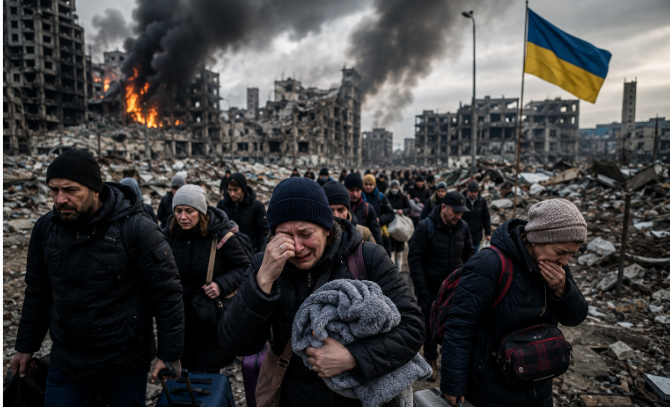
  • 전 세계의 정치, 경제, 외교 지형을 뒤흔들고 있는 우크라이나 전쟁이 2026년 현재 만 4년을 넘어 5년 차에 접어들었습니다. 글로벌 질서의 재편, 강대국들의 이해관계, 그리고 끝없이 고통받는 민간인들의 현실이 복잡하게 얽혀 있는 이 전쟁은 여전히 현재 진행형입니다.

    전 세계의 정치, 경제, 외교 지형을 뒤흔들고 있는 우크라이나 전쟁이 2026년 현재 만 4년을 넘어 5년 차에 접어들었습니다. 글로벌 질서의 재편, 강대국들의 이해관계, 그리고 끝없이 고통받는 민간인들의 현실이 복잡하게 얽혀 있는 이 전쟁은 여전히 현재 진행형입니다.

    2026 우크라이나 전쟁: 끝나지 않은 위기와 지정학적 대전환

    전 세계의 정치, 경제, 외교 지형을 뒤흔들고 있는 우크라이나 전쟁이 2026년 현재 만 4년을 넘어 5년 차에 접어들었습니다. 글로벌 질서의 재편, 강대국들의 이해관계, 그리고 끝없이 고통받는 민간인들의 현실이 복잡하게 얽혀 있는 이 전쟁은 여전히 현재 진행형입니다. 이번 리포트에서는 장기화 국면에 접어든 2026 우크라이나 전쟁의 핵심 쟁점과 향후 전망을 심층적으로 다뤄보겠습니다.

    교착 상태에 빠진 전선과 신냉전의 고착화

    현재 2026 우크라이나 전쟁의 양상은 뚜렷한 승자도 패자도 없는 지루한 소모전으로 굳어지고 있습니다. 양측 모두 결정적인 돌파구를 마련하지 못한 채 방어선이 고착화되었으며, 이는 군사적 타격보다는 경제 제재와 외교적 고립을 무기로 삼는 ‘신냉전’ 체제를 더욱 공고히 만들었습니다. 전문가들은 2026 우크라이나 전쟁이 단순한 두 국가 간의 충돌을 넘어, 서방 자유민주주의 진영과 권위주의 연대 간의 체제 경쟁으로 완전히 변모했다고 지적합니다.

    글로벌 경제와 공급망에 미치는 파장

    2026 우크라이나 전쟁의 여파는 글로벌 경제 곳곳에 깊은 상흔을 남기고 있습니다. 특히 에너지와 식량 자원의 무기화는 전 세계적인 인플레이션을 촉발했으며, 각국은 생존을 위해 공급망 다변화와 자국 중심주의 경제 정책을 가속화하고 있습니다. 이러한 상황에서 2026 우크라이나 전쟁의 전황은 글로벌 원자재 가격과 금융 시장의 변동성을 결정짓는 가장 강력한 상수(Constant)로 작용하고 있습니다.

    향후 전망 및 평화 협상의 가능성

    가장 큰 관심사인 2026 우크라이나 전쟁의 종식 시점은 여전히 불투명합니다. 양측의 핵심 요구 조건이 평행선을 달리고 있으며, 다가오는 주요국들의 선거 결과 등 정치적 셈법이 맞물려 평화 협상의 테이블을 마련하는 것조차 쉽지 않은 상황입니다. 결국 2026 우크라이나 전쟁은 단기간의 극적인 타결보다는, 장기적인 휴전이나 제한적 합의를 향해 매우 느리게 흘러갈 가능성이 높습니다. 국제사회는 이 지속되는 위기 속에서 피해를 최소화하고 새로운 평화 프로세스를 구축하기 위한 연대를 끊임없이 모색해야만 합니다.

    국제 정세에 관심이 많으신 분들, 그리고 세계 경제의 흐름을 읽고자 하는 분들을 위해 2026년 7월 최신 기준의 우크라이나 전쟁 상황을 다각도로 심층 분석했습니다. 정치적 편견을 배제하고 오직 객관적인 사실과 국제 언론 보도를 바탕으로, 초보자도 쉽게 이해할 수 있도록 명확하게 정리해 드립니다.

    1. ‘2026 우크라이나 전쟁’ 현재 전황: 교착 상태 속 격화되는 후방 타격

    현재 전선은 뚜렷한 돌파구 없이 치열한 소모전 양상으로 굳어지고 있으며, 양국 모두 상대의 후방 인프라를 무력화하는 데 집중하고 있습니다.

    • 전투 진행 지역 및 점령 현황: 현재 러시아는 우크라이나 영토의 약 20%를 점령하고 있는 상태입니다. 2025년 한 해 동안 러시아군이 막대한 병력을 투입해 새롭게 점령한 영토는 4,830㎢로, 이는 우크라이나 전체 면적의 0.8%에 불과할 정도로 전선의 이동은 매우 더딥니다. 특히 동부 도네츠크주 포크로우스크에서는 하루 평균 불과 70m, 하르키우주 쿠피안스크에서는 23m씩 전진하는 데 그쳤습니다.
    • 최근 가장 큰 변화: 2026년 중반에 접어들며 전장 밖에서의 전략적 타격이 급증했습니다. 지난 6월 우크라이나는 러시아의 수도 모스크바를 겨냥해 2년 만에 최대 규모의 공격을 감행하며 러시아 본토 타격 능력을 과시했습니다. 이어 7월 초에는 아조우해를 통과하는 러시아의 물류와 무역을 마비시키기 위해 다수의 ‘그림자 함대(shadow fleet)’ 선박을 집중적으로 타격했고, 크림반도의 연료, 전력, 교통 인프라를 파괴했습니다.
    • 러시아와 우크라이나의 전략: 이에 대한 보복으로 러시아는 수도 키이우에 대규모 공습을 재개했습니다. 러시아는 서방의 패트리어트 미사일 지원이 부족해진 우크라이나의 방공망을 뚫기 위해 단방향 공격 드론과 저비용 미사일을 섞어 쏘며 인구 밀집 지역과 핵심 인프라를 지속적으로 파괴하는 소모전 전략을 취하고 있습니다. 우크라이나는 이에 맞서 비대칭 전력인 드론을 적극 활용해 러시아 본토의 핵심 시설을 집요하게 타격하는 방식으로 응수하고 있습니다.

    2. ‘2026 우크라이나 전쟁’ 미국과 NATO의 지원: 정권 교체와 불확실성

    미국의 정권 교체는 우크라이나 전쟁의 향방을 가를 가장 큰 변수입니다. 2022년 1월 전쟁 발발 이후 미국은 우크라이나에 약 1,880억 달러를 지원해 왔으나, 내부적으로 안보 정책의 기류 변화가 감지되고 있습니다.

    • 미국의 군사 및 무기 지원: 미국 의회는 하원(312표 대 112표)과 상원(77표 대 20표)의 초당적 지지를 바탕으로 2026년 회계연도를 위한 9,010억 달러 규모의 국방수권법(NDAA)을 통과시켰습니다. 이 법안에는 ‘우크라이나 안보 지원 이니셔티브(USAI)’를 통한 4억 달러 규모의 지원 예산이 포함되어 있습니다. 특히 이 법안은 국방부가 우크라이나를 위해 계약한 무기와 장비를 미군 자체 재고로 임의 분류하는 것을 금지하고, 반드시 키이우로 인도하도록 강제하는 중요한 조항을 담았습니다. 또한 우크라이나에 대한 정보 지원이 중단될 경우 즉시 의회에 보고하도록 규정했습니다.
    • 경제 지원과 트럼프 행정부의 종전 압박: 법안 통과에도 불구하고 트럼프 행정부는 전쟁을 서둘러 끝내려는 명확한 의지를 보이고 있습니다. 트럼프 행정부는 6월을 시한으로 설정하고 20개 항목으로 구성된 평화 협정 초안을 제시했습니다. 우크라이나는 논의 후 이 제안을 수용했으나, 영토 양보 문제나 향후 안전 보장 같은 가장 민감하고 핵심적인 조건들은 여전히 불투명한 상태로 남아 있어 완전한 합의에 이르기까지는 난항이 예상됩니다.
    • NATO 내 미군 주둔 문제: 미국의 2026년 NDAA는 유럽 내 미군 병력을 76,000명 이하로 감축하려는 시도를 매우 까다롭게 만드는 장치를 마련했습니다. 만약 병력을 감축하려 할 경우 국방부는 미국 국가 안보에 미치는 영향을 평가하고 관계 부처와 협의한 뒤 의회에 결과를 보고해야만 합니다. 이는 미국의 유럽 동맹국 경시를 우려하는 공화당 내 일부 의원들과 트럼프 행정부 간의 정책적 시각차를 보여주는 대목입니다.

    3. 유럽의 입장 변화: 독자 생존 모색과 내부 분열

    미국의 스탠스가 변화함에 따라 유럽 국가들, 특히 EU는 안보에 대한 무거운 책임감을 떠안게 되었습니다. 유럽연합(EU)은 전쟁 이후 우크라이나에 약 1,970억 달러를 지원해 왔습니다.

    • EU의 방위력 강화: 러시아의 미사일과 드론 공격이 지속되고, 미국의 정책 방향이 종전으로 쏠리면서 우크라이나와 유럽 국가들은 생존을 위해 자체적인 저비용 미사일 및 요격 드론 개발에 집중하고 있습니다. 발트해 연안 3국(리투아니아, 라트비아, 에스토니아)의 방위력 강화를 위한 ‘발트 안보 이니셔티브(BSI)’에도 1억 7,500만 달러의 자금이 할당되는 등 유럽 최전선의 긴장감은 여전합니다.
    • 독일, 프랑스, 영국의 셈법: 유럽 주요국들은 러시아의 위협을 방어해야 한다는 명분에는 동의하지만, 장기화된 전쟁 피로감에 시달리고 있습니다. 특히 러시아는 이러한 유럽 내부의 분열을 적극적으로 활용하려 합니다. 러시아는 우크라이나 지원에 회의적인 독일의 극우 정당(AfD) 같은 세력을 간접적으로 지원하거나, 헝가리의 오르반 정권처럼 반대 목소리를 내는 유럽 내 정부들과의 협력을 강화하며 EU의 단결력을 흔들고 있습니다.

    4. 러시아의 대응: 전시 경제 체제 완성과 아시아 밀착

    ‘2026 우크라이나 전쟁’ 강력한 서방의 경제 제재 속에서도 러시아는 경제 시스템을 재편하고 국방비를 늘리며 놀라운 맷집을 보여주고 있습니다.

    • 경제 재편: IMF의 분석에 따르면 2026년 러시아는 약 1%의 경제성장률과 5.2%의 인플레이션을 기록할 것으로 전망됩니다. 비록 경제적 어려움은 존재하지만 시스템 붕괴와 같은 치명적인 위기는 아닙니다. 그 비결은 철저한 교역 대상의 전환에 있습니다. 2020년 러시아 교역의 38%를 차지했던 EU의 비중은 2025년 8%로 폭락한 반면, 중국과의 교역 비중은 18%에서 33%로 치솟았습니다. 하지만 이는 매우 비대칭적인 관계로, 러시아는 중국에게 부차적인 시장일 뿐이어서 향후 교역에서 중국에 더욱 끌려다닐 가능성이 높습니다.
    • 군사적 역량: 영국의 싱크탱크 IISS에 따르면, 러시아는 2025년에 국내총생산(GDP)의 7.3%인 1,860억 달러(약 266조 원)를 국방비로 지출했습니다. 이는 전쟁 전인 2021년 대비 두 배 증가한 수치로, 경제적 압박 속에서도 군사 장비 확보와 병력 모집 능력이 전혀 약화되지 않았음을 시사합니다. 유럽 전역을 사정거리에 두는 샤헤드-136 자폭 드론 등 새로운 전술 무기 개발도 멈추지 않고 있습니다. 북한과의 군사 협력에 있어서는 전장의 트렌드가 중포(Heavy Artillery)에서 드론으로 변모하면서 대규모 포탄 수입의 필요성은 줄어들 전망입니다. 다만, 북한 노동력이 건설업 및 제조업 투입을 위해 지속 파견되어 2026년 말에는 러시아 내 북한 노동자가 3만~5만 명에 달할 것으로 보입니다.
    • 외교 및 평화협상: 푸틴 대통령은 러시아가 이른바 ‘포스트 글로벌’ 세계의 중심이자 ‘글로벌 사우스’의 리더 중 하나라고 주장하며, 자유주의 국제질서를 비판하고 있습니다. 그러나 현실적으로 러시아는 우크라이나 전선에 자원을 쏟아붓고 있어, 2023년 나고르노-카라바흐 분쟁 당시 동맹국 아르메니아를 외면했듯 중동이나 아프리카 문제에 적극적으로 개입할 국력의 여유는 없는 상태입니다. 향후 평화 협정과 관련하여 러시아는 지난 8월 알래스카에서 열린 트럼프 대통령과의 정상회담 당시 합의된 ‘정신과 서한’에서 벗어나는 수정안에는 절대 동의하지 않겠다며 팽팽히 맞서고 있습니다.

    5. 우크라이나 국민들의 현실: 극한의 인도적 위기

    강대국들의 정치적 줄다리기 속에서 가장 비참한 희생을 치르고 있는 것은 우크라이나 민간인들입니다.

    • ‘2026 우크라이나 전쟁’ 피난민과 사상자: 2022년 침공 이후 전쟁으로 인해 약 56,000명의 엄청난 민간인 사상자가 발생했습니다. 특히 러시아가 민관군을 가리지 않고 무차별 공격을 감행하면서 피해는 급증하고 있습니다. 2026년 봄(3월 기준) 한 달 동안에만 민간인 180여 명이 숨지고 750여 명이 다쳤는데, 이는 전년 동기 대비 45%나 급증한 끔찍한 수치입니다. 현재 자국 내에서 떠도는 실향민은 370만 명에 달하며, 국경을 넘은 난민은 590만 명으로 집계되었습니다. 생존을 위해 인도적 지원이 필요한 인구만 1,080만 명입니다.
    • 생활과 경제 인프라 붕괴: 최근 몇 달간 러시아가 드론과 미사일로 우크라이나의 주택과 에너지 기반 시설을 집중 공격함에 따라 에너지망이 완전히 붕괴할 위기에 직면했습니다. 발전소와 급수 시설이 산산조각 나면서 수십만 가구의 전기, 난방, 수도 공급이 완전히 끊겼고 주민들은 상상할 수 없는 고통을 겪고 있습니다.

    6. ‘2026 우크라이나 전쟁’ 세계 경제 영향: 지속되는 공급망 불안

    2026년 세계 경제는 우크라이나 전쟁이라는 변수를 상수로 받아들인 채 불안한 외줄 타기를 하고 있습니다.

    • 에너지 및 물가: 우크라이나가 크림반도의 연료 시설을 비롯해 아조우해를 지나는 러시아의 그림자 함대를 성공적으로 타격하면서, 글로벌 에너지 공급망의 리스크가 재부각되었습니다. 이는 에너지 가격 변동성을 높여 세계 각국의 인플레이션 압력(물가 상승)을 자극하는 주요 원인이 됩니다.
    • 곡물 및 반도체: 흑해 주변의 물류 통제와 아조우해의 군사적 긴장감은 우크라이나와 러시아산 곡물 수출을 방해하여 글로벌 식량 위기를 부채질합니다. 반도체 생산에 필수적인 네온가스와 팔라듐 등 특수 원자재의 공급망 역학 역시 전쟁 이전과는 완전히 달라진 상태로 유지되며 제조업 전반의 비용 증가를 초래하고 있습니다.
    • 금융시장: 미국 주도의 종전 압박과 러시아의 저항이 팽팽하게 맞서면서, 글로벌 금융시장은 지정학적 뉴스 하나하나에 극도로 민감하게 반응하고 있습니다. 투자 자본은 위험 자산보다 안전 자산으로 쏠리는 현상이 굳어지고 있습니다.

    7. ‘2026 우크라이나 전쟁’ 한국 경제 영향: 제한적인 기회와 높은 리스크

    대한민국은 지리적으로 멀리 떨어져 있으나 경제적으로는 깊이 연관되어 있어 복합적인 영향을 받고 있습니다.

    • 수출과 기업 환경: 한국 기업들은 지속되는 대러 제재로 인해 과거 유망했던 러시아 시장에서의 정상적인 영업 활동이 거의 불가능한 상태입니다. 러시아 정부는 외교적으로 한국을 ‘비우호국 중 가장 덜 비우호적인 나라’로 인식하고 있어 향후 직항 노선 재개나 교역 활성화 등을 제안할 가능성이 있습니다. 그러나 한국 정부가 미국, 일본 등 서방 동맹국과의 굳건한 연대를 유지하고 있는 한, 2026년 내에 양국 관계의 가시적이고 극적인 개선은 어려울 것으로 전문가들은 전망합니다.
    • 환율 및 투자: 글로벌 지정학적 불안은 달러화 강세를 유발해 원/달러 환율 상승 압력으로 작용하고 있습니다. 하지만 다른 한편으로는 유럽 국가들의 독자적인 방위력 강화 움직임 에 힘입어 K-방산(한국 방위산업)의 수출 기회가 확대되고 있습니다. 또한 장기적으로 트럼프 행정부의 압박 등에 의해 휴전이 성립될 경우, 대규모 우크라이나 전후 재건 인프라 사업에 한국 건설 및 기술 기업들이 참여할 여력이 있어 투자자들의 관심이 집중되고 있습니다.

    8. 앞으로 예상되는 시나리오: 불완전한 휴전 vs 끝없는 소모전

    다수의 외교 및 군사 전문가들은 2026년 하반기 이후의 시나리오를 크게 두 가지로 요약합니다.

    • ‘2026 우크라이나 전쟁’휴전 가능성: 가장 유력하게 거론되는 시나리오는 극적인 평화 협정 타결보다는 ‘불완전한 휴전’입니다. 미국의 정책 변화에 따라 전선이 현재 상태(러시아 영토 20% 점령)에서 동결되고 총성만 멈추는 형태입니다. 그러나 러시아가 알래스카 회담의 조건 고수를 고집하고, 우크라이나가 영토 포기를 거부한다면 합의문 도출은 극히 어렵습니다.
    • 장기전 가능성: 미국이 협상을 강제하더라도 이견이 좁혀지지 않는다면 장기전은 불가피합니다. 영국의 IISS 분석처럼 러시아는 GDP의 7.3%를 쏟아부으며 전쟁을 이어나갈 막대한 재정적 인내력과 군사 장비 동원력을 갖추고 있습니다.
    • 국제사회 전망: 전쟁이 어떤 형태로 봉합되든 국제사회는 완전히 두 쪽으로 쪼개졌습니다. 미국은 유럽에 대한 개입을 줄이고 인도-태평양 지역으로 전략의 축을 옮기려 할 것이며, 이에 따라 유럽은 각자도생을 위해 막대한 세금을 국방에 투자하는 새로운 ‘냉전’ 시대를 맞이할 것입니다.

    자주 묻는 질문(FAQ)

    Q1. 2026년 현재 우크라이나 영토는 얼마나 러시아에 점령되었나요? A. 현재 러시아는 우크라이나 전체 영토의 약 20%를 차지하고 있습니다. 2025년 1년 동안 러시아가 추가로 확보한 면적은 4,830㎢로 전체의 0.8% 수준에 그쳐 전선이 고착화되어 있습니다.

    Q2. 미국의 지원은 어떻게 변하고 있나요? A. 미국 의회는 2026년 국방수권법(NDAA)을 통해 우크라이나 지원 기금(USAI) 4억 달러를 포함시켰습니다. 그러나 트럼프 행정부는 전쟁을 조기에 종식하기 위해 6월을 기한으로 20개 항목의 평화 협정 초안을 내밀며 우크라이나를 압박하고 있습니다.

    Q3. 러시아 경제는 제재로 붕괴하지 않았나요? A. 러시아 경제는 붕괴하지 않았습니다. 2026년 경제성장률은 1%, 인플레이션은 5.2%로 예상됩니다. 유럽과의 교역을 중국(전체 교역의 33%)으로 돌리며 전시 경제 체제로 완벽히 재편했습니다.

    Q4. 북한군이 우크라이나 전투에 직접 투입되고 있나요? A. 2026년 현재 북한군이 전방 전투에 직접 참여할 가능성은 낮습니다. 과거 러시아 영토인 쿠르스크주에만 배치된 바 있으며, 최근에는 주로 건설 및 공병 등 비전투 인력이 파견되고 있습니다 (26년 말 기준 3만~5만 명 예상).

    Q5. 우크라이나 민간인 피해 규모는 어느 정도인가요? A. 민간인 피해는 끔찍한 수준입니다. 거의 56,000명의 사상자가 발생했고, 590만 명의 난민, 370만 명의 국내 실향민이 집을 잃었습니다. 올해 3월 기준 민간인 사망자는 전년 대비 45% 급증했습니다.

    핵심 요약 10줄

    1. 2026년 우크라이나 전쟁은 만 4년을 지나 5년 차 소모전으로 돌입했습니다.
    2. 러시아는 우크라이나 영토의 20%를 점령 중이며, 하루 수십 미터 전진하는 고착 상태입니다.
    3. 우크라이나는 모스크바 공습과 아조우해 상선 타격 등 비대칭 드론 전술로 응수하고 있습니다.
    4. 미국은 예산안에 우크라이나 지원 4억 달러를 포함했으나, 트럼프 행정부는 종전을 강력히 압박하고 있습니다.
    5. 유럽은 미국의 공백을 우려해 독자적인 미사일과 방공망 개발에 나서고 있습니다.
    6. 러시아는 국방비로 GDP의 7.3%(1,860억 달러)를 쏟아부으며 전쟁 수행 능력을 유지하고 있습니다.
    7. 러시아의 최대 무역 파트너는 중국(33%)이 되었으며 경제는 1%대 성장을 유지할 전망입니다.
    8. 무차별 공습으로 우크라이나 민간인 사상자는 56,000명을 넘었고 에너지망은 붕괴 직전입니다.
    9. 한국 기업들은 러시아 시장 수출이 제한된 반면, K-방산 수출과 향후 전후 재건 사업의 기회를 엿보고 있습니다.
    10. 영토 양보 합의가 불투명하여 완전한 종전보다는 한국형 38선과 같은 불완전한 휴전 가능성이 높게 점쳐집니다.

    📑 관련기사


    📚 참고자료

    • NATO
    • 유럽연합(European Union)
    • Reuters
    • Financial Times
    • Axios

    💡 함께 읽으면 좋은 우리 블로그 글