Tag: Active Aging

  • WHO Healthy Aging Guide: Simple Habits for a Longer Life

    WHO Healthy Aging Guide: Simple Habits for a Longer Life

    Meta Description: Discover the WHO healthy aging guidelines to enhance your longevity and wellness. Learn simple, evidence-based daily habits for a longer, more active life.

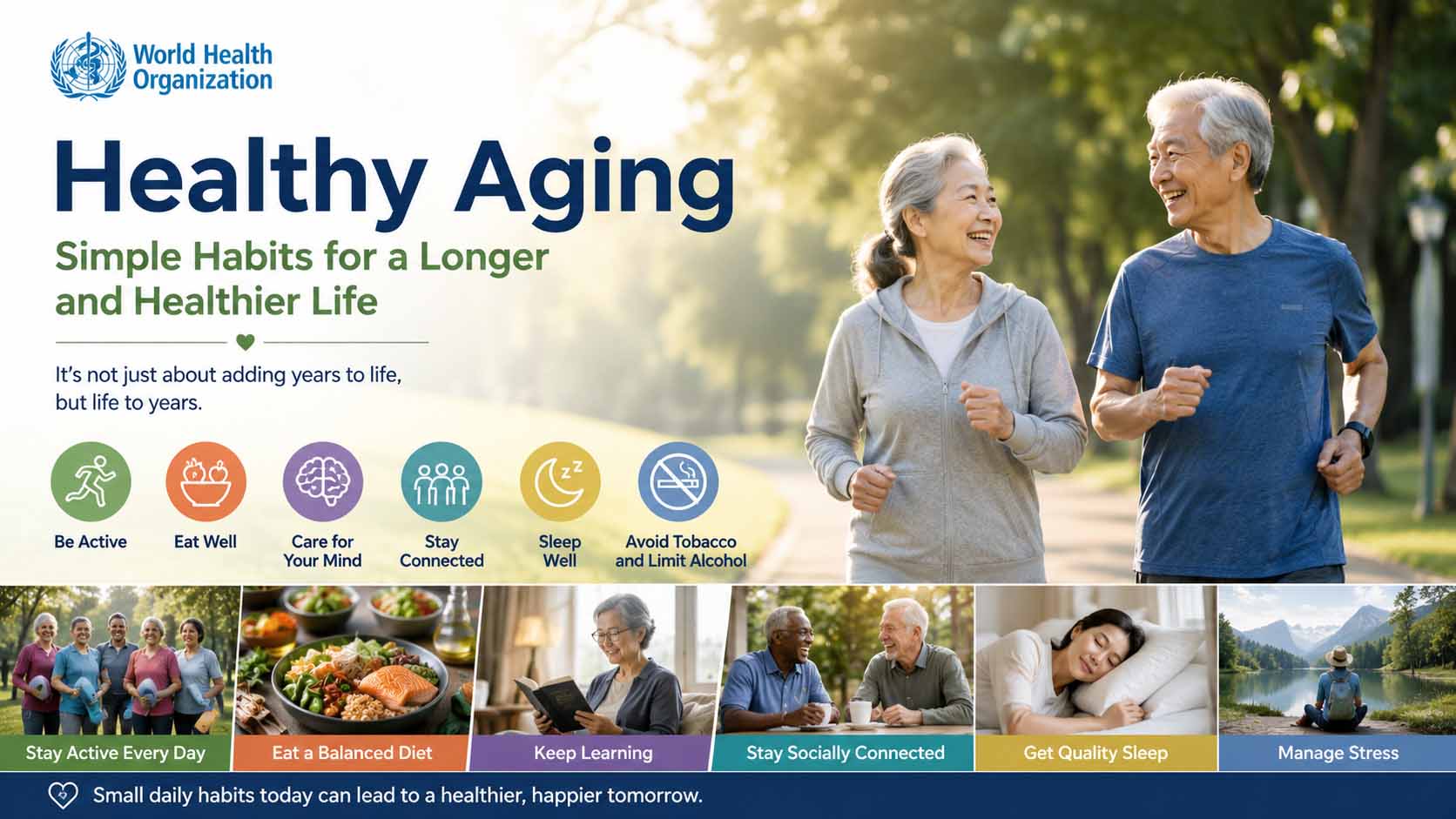
    The global population is experiencing a remarkable demographic shift. Thanks to advancements in modern medicine, public health initiatives, and improved living conditions, humans are living longer than ever before. However, this triumph of longevity brings a new, critical challenge: ensuring that our extended years are lived with vitality, purpose, and good health. It is no longer just about adding years to our lives; it is about adding life to our years.

    The World Health Organization (WHO) has declared the period from 2021 to 2030 the “Decade of Healthy Ageing,” emphasizing a global shift in how we approach getting older. Getting older should not be viewed as an inevitable decline into illness and dependency. Instead, with the right lifestyle choices and a focus on preventive health, we can actively shape how we age.

    In this comprehensive guide, we will explore the WHO’s framework for healthy aging, unpack the daily habits that promote longevity, and provide actionable, evidence-based strategies to help you maintain your physical and mental independence for decades to come.
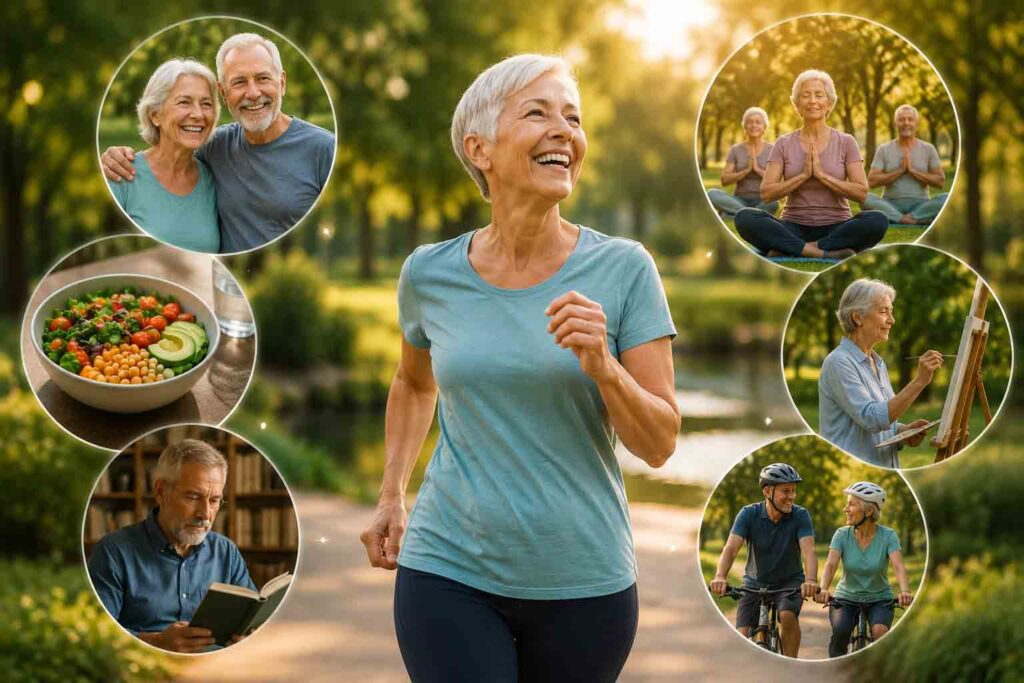
    What Is Healthy Aging?

    When many people think of aging healthily, they imagine living completely free of disease. However, the World Health Organization offers a more realistic, empowering, and holistic definition.

    According to the WHO, healthy aging is “the process of developing and maintaining the functional ability that enables wellbeing in older age.”

    This definition is revolutionary because it shifts the focus away from merely counting medical diagnoses. You can have a chronic health condition—such as well-managed hypertension or arthritis—and still experience healthy aging, provided you maintain your “functional ability.”

    Functional ability means having the physical and mental capacity to do the things you value. It includes your ability to:

    • Meet your basic needs (getting dressed, cooking, managing finances).
    • Learn, grow, and make decisions.
    • Be mobile and navigate your environment.
    • Build and maintain relationships.
    • Contribute to society and your community.

    Healthy aging is about preserving your intrinsic capacity (your physical and mental reserves) and creating environments that support you as you age.

    Why Healthy Aging Is Important

    The pursuit of active aging is not just a personal goal; it is a global public health priority. Adopting a healthy lifestyle today yields profound benefits for your future self, your family, and society as a whole.

    Increasing Life Expectancy

    By 2030, one in six people in the world will be aged 60 years or over. As global life expectancy rises, the gap between “lifespan” (how long you live) and “healthspan” (how long you live in good health) becomes glaringly apparent. Embracing preventive health habits ensures that your healthspan closely matches your lifespan, saving you from spending your final decades in a state of frailty.

    Quality of Life

    Longevity without quality of life can be a heavy burden. Healthy aging allows you to continue engaging in hobbies, traveling, playing with grandchildren, and enjoying the simple pleasures of life without being constantly sidelined by pain, exhaustion, or illness.

    Maintaining Independence

    One of the greatest fears associated with growing older is losing independence and becoming a burden on loved ones. Preserving your physical strength, mobility, and cognitive function allows you to live safely in your own home for as long as possible, maintaining your autonomy and dignity.

    Preventing Chronic Diseases

    While genetics play a role, the vast majority of non-communicable diseases (NCDs)—such as heart disease, stroke, type 2 diabetes, and certain cancers—are heavily influenced by lifestyle. Adopting healthy habits significantly reduces your risk of developing these debilitating and costly conditions.

    Healthy Habits Recommended by WHO

    The foundation of healthy aging is built on daily, consistent choices. The WHO emphasizes that it is never too early, or too late, to adopt behaviors that support wellness and longevity.

    Regular Physical Activity

    The human body is designed to move. Physical inactivity is a leading risk factor for global mortality and a primary driver of functional decline. The WHO recommends that adults achieve at least 150 to 300 minutes of moderate-intensity aerobic physical activity (such as brisk walking, swimming, or cycling) per week.

    Additionally, adults should perform muscle-strengthening activities (like lifting weights, using resistance bands, or bodyweight exercises) on two or more days a week. Preserving muscle mass is critical for maintaining metabolism, supporting joints, and preventing frailty.

    Balanced Nutrition

    A healthy diet protects against malnutrition and non-communicable diseases. The WHO advises a diet rich in fruits, vegetables, legumes, nuts, and whole grains.

    To support healthy aging, nutrition should focus on:

    • Limiting free sugars: To less than 10% (ideally 5%) of total energy intake.
    • Reducing sodium: Consuming less than 5 grams of salt per day to prevent hypertension and protect cardiovascular health.
    • Choosing healthy fats: Replacing saturated and trans fats with unsaturated fats found in olive oil, avocados, and fatty fish.

    Quality Sleep

    Sleep is the body’s ultimate restorative process. During deep sleep, your brain clears out metabolic waste and your body repairs damaged cellular tissues. Chronic sleep deprivation accelerates biological aging, increases systemic inflammation, and elevates the risk of cognitive decline. Prioritize 7 to 8 hours of uninterrupted, high-quality sleep by maintaining a consistent bedtime, limiting caffeine in the afternoon, and keeping your bedroom cool and dark.

    Stress Management

    Chronic, unmanaged stress takes a severe physical toll on the body. Prolonged elevation of the stress hormone cortisol suppresses the immune system, increases blood pressure, and accelerates the shortening of telomeres (the protective caps on the ends of your chromosomes associated with aging). Incorporate daily stress-reduction techniques such as mindfulness meditation, deep breathing exercises, or spending time in nature.

    Staying Socially Connected

    The WHO recently highlighted social isolation and loneliness as a pressing global health threat, carrying health risks equivalent to smoking 15 cigarettes a day. Maintaining strong social connections lowers the risk of depression, boosts immune function, and provides a critical support network. Actively invest in friendships, participate in community groups, or volunteer to stay engaged.

    Avoiding Tobacco

    Tobacco use is a primary driver of preventable death globally. Smoking damages blood vessels, reduces lung capacity, and vastly increases the risk of cancer, cardiovascular disease, and respiratory illnesses. Quitting smoking at any age immediately begins to reverse vascular damage and adds healthy years to your life.

    Limiting Alcohol

    The WHO is clear that there is no “safe” level of alcohol consumption. Alcohol is a toxic, psychoactive, and dependence-producing substance. Heavy drinking accelerates brain atrophy, damages the liver, and increases the risk of various cancers. Limiting or entirely eliminating alcohol intake is a powerful step toward preventive health.

    Keeping Your Brain Healthy

    Cognitive decline is not an inevitable part of aging. The brain is incredibly plastic and can form new neural connections well into old age—provided you give it the right stimulus and environment.

    Lifelong Learning

    Just as your muscles need resistance to grow, your brain needs challenge to stay sharp. Lifelong learning builds “cognitive reserve,” which helps the brain compensate for age-related changes. Learn a new language, take up a complex musical instrument, read challenging literature, or engage in strategic games like chess. Novelty is the key to brain health.

    Physical Exercise

    What is good for the heart is good for the brain. Aerobic exercise increases blood flow, delivering oxygen and essential nutrients to brain tissue. Exercise also stimulates the release of Brain-Derived Neurotrophic Factor (BDNF), a protein that supports the survival of existing neurons and encourages the growth of new synapses.

    Social Interaction

    Engaging in conversation requires complex cognitive processing. You must listen, interpret facial expressions, retrieve vocabulary, and formulate responses in real-time. Frequent social interaction is one of the most effective ways to keep the brain agile and ward off dementia.

    Managing Blood Pressure and Diabetes

    The brain relies on a vast, delicate network of blood vessels. Chronic hypertension (high blood pressure) and uncontrolled diabetes damage these microvessels, leading to silent strokes and vascular dementia. Keeping your blood pressure, blood sugar, and cholesterol in check through diet, exercise, and medication is vital for protecting your cognitive function.

    Preventing Falls and Maintaining Mobility

    For older adults, a simple fall can be a catastrophic, life-altering event. Falls are a leading cause of fatal and non-fatal injuries, often resulting in hip fractures that permanently strip away independence. Maintaining mobility is a cornerstone of the WHO’s active aging strategy.

    Strength Training

    Sarcopenia—the age-related loss of muscle mass and strength—makes everyday tasks difficult and destabilizes the body. Engaging in regular strength training builds the muscular armor needed to support your skeletal structure, making you more resilient against trips and stumbles.

    Balance Exercises

    Balance relies on a complex interaction between your inner ear, your eyes, and the proprioceptive sensors in your joints. This system degrades without practice. Incorporate balance-specific exercises into your routine, such as Tai Chi, yoga, or simple daily habits like standing on one leg while brushing your teeth.

    Home Safety

    Many falls happen in the comfort of one’s own home due to environmental hazards. To age safely in place:

    • Remove loose throw rugs and electrical cords from walkways.
    • Ensure all rooms, stairwells, and hallways are brightly lit.
    • Install grab bars in the bathroom near the toilet and shower.
    • Wear supportive, non-slip footwear indoors.

    Vision and Hearing Checks

    Impaired vision limits your ability to see obstacles, while untreated hearing loss reduces your spatial awareness and balance. Schedule annual eye exams to check for cataracts, glaucoma, and macular degeneration, and undergo regular audiogram testing. Wearing prescribed glasses and hearing aids is a direct investment in fall prevention.

    Healthy Aging Starts Earlier Than You Think

    A common misconception is that healthy aging is something you only need to worry about once you turn 60. In reality, the WHO advocates for a “life-course approach” to aging. The health of your future self is actively being built by the choices you make today.

    In your 20s and 30s, you are building peak bone mass and establishing the metabolic set-points that will govern your midlife. In your 40s and 50s, unhealthy habits begin to compound, leading to the early stages of arterial plaque buildup, insulin resistance, and joint degradation.

    By adopting a healthy lifestyle early, you maximize your intrinsic capacity, giving yourself a much higher starting point from which to age. However, the human body is incredibly forgiving. Even if you adopt these WHO healthy aging habits in your 60s or 70s, you can still significantly improve your functional ability, reduce medication dependency, and enhance your quality of life.

    Frequently Asked Questions

    1. What is the WHO definition of healthy aging? The WHO defines healthy aging as the process of developing and maintaining the functional ability that enables wellbeing in older age. It focuses on what a person can do and their quality of life, rather than just the absence of disease.

    2. How much exercise is needed for active aging? The WHO recommends that adults engage in at least 150 to 300 minutes of moderate-intensity aerobic activity per week, plus muscle-strengthening activities on at least two days a week. For older adults, adding multicomponent physical activity that emphasizes functional balance is highly recommended.

    3. Does diet really affect how quickly we age? Yes. A diet high in ultra-processed foods, sugar, and unhealthy fats accelerates cellular aging by driving systemic inflammation and oxidative stress. A balanced diet rich in whole foods, antioxidants, and healthy fats protects your cells, supports brain health, and prevents chronic disease.

    4. How does social connection impact longevity? Social isolation causes chronic stress, which elevates cortisol levels, increases blood pressure, and suppresses the immune system. Strong social connections buffer stress, provide emotional support, and are consistently linked to longer, healthier lifespans.

    5. Is it too late to start healthy habits if I am already over 65? It is never too late. Research shows that older adults who adopt healthy habits—such as quitting smoking, starting an exercise program, or improving their diet—can rapidly improve their cardiovascular health, boost their mood, and increase their functional mobility.

    Conclusion

    Healthy aging is not a genetic lottery or a stroke of luck; it is a proactive, lifelong journey. The World Health Organization’s guidelines remind us that growing older does not have to mean a loss of independence or a decline in wellbeing. By prioritizing regular physical activity, balanced nutrition, quality sleep, and social connection, we can actively protect our intrinsic capacity.

    Whether you are in your 30s building your foundational health or in your 70s looking to preserve your mobility, the daily choices you make hold tremendous power. Start small, build sustainable healthy habits, and take control of your preventive health today. By doing so, you are not just adding years to your life—you are ensuring those years are vibrant, active, and deeply fulfilling.

    Disclaimer: This article is for educational and informational purposes only and does not constitute medical advice. The content is based on general public health guidelines provided by the World Health Organization. Always consult with a qualified healthcare provider before making significant changes to your diet, exercise routine, or lifestyle, especially if you have existing health conditions.

    🌟 Add More Fun & Useful Information to Your Everyday Life

    🎵 Plus-1 (Shorts)
    https://www.youtube.com/@플러스-1/shorts

    🎼 DMC-6
    https://www.youtube.com/@DMC-6

    🚀 77-DMC
    https://www.youtube.com/@77-DMC

    🎧 PlusMusic KR
    https://www.youtube.com/@PlusMusic_KR

    🎵 TikTok
    https://www.tiktok.com/@leew2968292

  • The Neurological Impact of Latin Festival Beats on Active Senior Well-being

    The Neurological Impact of Latin Festival Beats on Active Senior Well-being

    1. Introduction

    The aging process brings dynamic shifts in neurobiology, cognitive processing, and physical mobility. As public health initiatives shift toward proactive systems for healthy aging, neuroscientists and music therapists are exploring the therapeutic potential of sensory-rich auditory environments. Among the most powerful tools for neurological optimization in older adults is the strategic application of syncopated, high-energy global music. Rhythmic Latin music, characterized by complex percussion patterns, distinctive syncopations, and joyful arrangements, serves as a comprehensive multi-sensory stimulator that systematically promotes structural and emotional well-being.

    Active seniors seeking to maintain intellectual clarity, motor agility, and emotional resilience often look beyond basic cognitive puzzles and standardized physical training. While simple rhythmic exercises provide baseline physical benefits, the multi-layered rhythmic structures of traditional Latin musical styles—such as salsa, samba, cumbia, and flamenco-inspired arrangements—engage the aging brain in a profound way. By simultaneously activating networks responsible for movement execution, memory retrieval, and emotional processing, these musical textures form a complete cognitive and physical workout.

    This deep operational framework explores the biological mechanics of audio-driven neuroplasticity, cognitive motor control, and emotional resilience in the aging demographic. We will analyze the specific neurochemical transformations triggered by syncopated percussion, map the distinct cognitive benefits of traditional Latin rhythms, and provide actionable daily listening guidelines for active seniors. By understanding the intersection of auditory science, physiological movement, and community music festivals, creators and wellness professionals can design highly effective audio strategies to promote long-term active aging.


    2. Why Rhythmic Latin Music Affects the Aging Brain

    The human brain remains remarkably responsive to complex structural auditory inputs throughout the lifespan. Rhythmic Latin music features a dense grid of overlapping percussive patterns, syncopated downbeats, and polyrhythmic foundations that challenge and sharpen human auditory processing. When an older adult listens to these complex arrangements, the aging brain cannot remain passive; it must actively decode the shifting syncopations and predict upcoming rhythmic drops, driving massive neural engagement.

    From an evolutionary and biological standpoint, the brain treats rhythm as a critical structural map. The dense percussive layers generated by traditional instruments—such as congas, timbales, claves, and maracas—provide clear acoustic anchors that stimulate the brain’s internal timing mechanisms. This high level of structural engagement exercises the auditory cortex while building active neural bridges to the areas of the brain responsible for motor planning, attention tracking, and pattern recognition, keeping the mind sharp.

    Furthermore, Latin music frequently incorporates call-and-response vocal structures and fluid, improvised horn arrangements that mimic natural human conversation. This combination of structural complexity and expressive, flowing melody forces the aging brain to constantly monitor multiple layers of information simultaneously. This continuous cognitive processing serves as a comprehensive workout for your executive functions, naturally helping seniors push back against the standard cognitive decline associated with normal aging.


    3. Brain Plasticity and Rhythmic Stimulation

    For many years, traditional medical science believed that the structural architecture of the adult human brain became completely fixed after early maturity. However, modern neuroscience has thoroughly disproven this limitation, demonstrating that the aging brain retains the capacity for neuroplasticity—the vital ability to rewire neural pathways, construct fresh synaptic connections, and grow new neurons in response to continuous learning and sensory enrichment. Rhythmic acoustic stimulation stands out as one of the most effective catalysts for driving this neuroplastic transformation.

    When seniors are consistently exposed to the highly structured, syncopated percussive loops of Latin music, it triggers a biological process known as auditory neural entrainment. The brain’s internal electrical networks automatically adjust their firing rates to match the exact tempo and rhythmic pulse of the external music. This synchronization forces separate, distant areas of the brain to communicate in harmony, reinforcing existing white matter tracts and building fresh synaptic pathways across both hemispheres.

    This rhythmic stimulation is particularly effective at reinforcing the neural networks located in the hippocampus—the primary brain structure responsible for memory formation, emotional regulation, and spatial navigation. By challenging the brain to track, predict, and remember complex polyrhythmic shifts, Latin music exercises your spatial memory networks. This active mental training strengthens cognitive reserves, providing a resilient biological shield that helps older adults maintain intellectual independence.


    4. Neurochemical Transformations: Dopamine, Serotonin, and Endorphins

    Listening to or dancing to the vibrant beats of a Latin music festival triggers a profound chemical transformation within the senior brain. The complex, highly satisfying resolution of syncopated rhythms interacts directly with the brain’s deep reward centers, stimulating the immediate release of a powerful chemical cocktail containing dopamine, serotonin, and endorphins.

    Dopamine functions as the primary neurochemical driver for anticipation, motivation, and physical pleasure. When the brain anticipates a specific rhythmic shift or experiences the satisfying drop of a syncopated percussion line, it releases a wave of dopamine that boosts alertness and sharpens immediate cognitive focus. Concurrently, the smooth, flowing melodic hooks found in styles like cumbia and flamenco elevate baseline serotonin levels, which stabilizes mood, reduces anxious thoughts, and fosters a deep sense of internal peace.

    When seniors transition from passive listening to active physical movement—such as dancing or playing along with percussion instruments—the brain releases endorphins, the body’s natural pain-relieving chemicals. These endorphins mask physical fatigue, alleviate joint discomfort, and trigger a natural state of euphoria. By systematically lowering cortisol production (the primary stress hormone) while boosting these positive neurotransmitters, rhythmic music serves as an exceptional tool for protecting senior neurological health.


    5. Dynamic Latin Rhythms and Cognitive Engagement

    Each distinct genre within the Latin music universe presents a unique percussive fingerprint that challenges the senior brain in specific, highly beneficial ways. By selecting specific styles, seniors can target different areas of cognitive engagement and physical movement.

    • Salsa Rhythms: Built upon the strict, continuous structural foundation of the clave rhythm, salsa demands immense predictive processing from the brain. The fast tempo and complex syncopations keep the mind highly alert, making it an exceptional workout for visual tracking, rapid choice execution, and sharp cognitive focus.
    • Samba Beats: Originating from vibrant Brazilian traditions, samba features an intense, multi-layered polyrhythmic structure driven by traditional percussion instruments. The high-energy, rapid double-step rhythms demand quick motor planning and physical agility, helping seniors build fast reflexes and excellent physical balance.
    • Cumbia Tempos: Characterized by a highly predictable, comforting rolling bassline and an easy-to-follow shuffling rhythm, cumbia offers a gentle yet highly engaging movement framework. This continuous rhythmic glide is ideal for lower-intensity physical therapies, encouraging steady movement without overwhelming older joints.
    • Flamenco-Inspired Textures: Combining intricate acoustic guitar picking with sharp, dramatic handclaps (palmas), flamenco-style music demands deep auditory focus. The sudden changes in tempo and dramatic emotional shifts encourage creative expression and foster strong mental focus.

    By regularly varying the musical styles in their listening routines, seniors can build a robust cognitive defense system. Alternating between the intense, rapid shifts of salsa and the smooth, flowing rhythms of cumbia keeps the brain flexible, adaptable, and highly resilient against cognitive decline.


    6. Music Therapy Research and Older Adults

    The therapeutic value of structured music for older adults is backed by a large and growing body of international clinical research. Music therapy programs conducted in clinical environments routinely demonstrate that rhythmic auditory stimulation can help bypass damaged neural pathways, offering fresh hope for seniors managing neurodegenerative conditions like Parkinson’s disease and various forms of dementia.

    In patients diagnosed with Parkinson’s disease, the brain’s internal pacemaker—located within the basal ganglia—becomes structurally impaired, leading to freezing episodes, shuffling gaits, and severe balance issues. Clinical trials reveal that introducing a strong, highly predictable external rhythm, such as a steady Latin percussion loop, allows the brain to completely bypass the damaged basal ganglia networks. The auditory cortex sends timing signals directly to the motor cortex instead, helping patients smooth out their walking gaits, eliminate freezing steps, and reclaim independent mobility.

    For seniors dealing with advanced cognitive decline or Alzheimer’s disease, musical memory often remains remarkably preserved even when short-term autobiographical memory has faded. Because the brain stores musical memories across wide, decentralized networks, playing familiar, emotionally resonant music can instantly unlock forgotten fragments of language, spark vivid personal memories, and reduce the severe agitation often associated with late-stage dementia, significantly improving quality of life.


    7. Cardiovascular and Neurological Benefits of Rhythmic Movement

    When seniors pair vibrant Latin festival music with physical dance, they combine the protective benefits of aerobic exercise with advanced neurological training. Dancing to syncopated music requires continuous changes in body weight, multi-directional footwork, and precise timing, making it a highly effective full-body workout.

    From a physical standpoint, the changing tempos of Latin dance forms provide an excellent cardiovascular workout that strengthens the heart muscle, improves oxygen circulation, and increases lung capacity. This steady aerobic activity lowers resting blood pressure, reduces arterial plaque accumulation, and optimizes overall metabolic health, drastically lowering the long-term risk of stroke and cardiac events.

    From a neurological perspective, dancing forces the brain to perform complex, split-second calculations regarding spatial orientation, balance, and motor coordination. The brain must constantly adjust its motor commands to keep the body perfectly balanced on a moving surface, which significantly thickens gray matter volumes inside the cerebellum. This physical training drastically reduces the long-term risk of accidental falls—the leading cause of injury among the senior demographic.


    8. The Social Benefits of Community Music and Festivals

    Physical and cognitive health do not exist in a vacuum; human wellness is deeply dependent on consistent social connection. Chronic loneliness and social isolation pose a massive threat to the senior demographic, triggering low-grade chronic inflammation and increasing the risk of depression and rapid cognitive decline. Community music festivals and local dance gatherings provide a vibrant, accessible antidote to this social isolation.

    Participating in a group music festival or attending a local community dance class fosters a powerful psychological phenomenon known as collective effervescence. Moving in perfect sync with a room full of peers releases a massive wave of oxytocin—the hormone responsible for empathy, social trust, and interpersonal bonding. This shared experience breaks down social anxiety, helps seniors form fresh friendships, and builds a supportive social safety net.

    Furthermore, these community gatherings provide seniors with a strong sense of purpose, identity, and cultural belonging. Getting dressed up for a weekend music festival or committing to a weekly dance class gives older adults a highly motivating event to look forward to, boosting self-esteem and instilling a positive, forward-looking perspective on the aging process.


    9. Active Aging via Long-Form Instrumental Playlists

    While high-energy dance classes are fantastic for active physical hours, long-form Latin instrumental playlists serve as an exceptional tool for promoting relaxation, focus, and low-stress active aging throughout the rest of the day. By opting for wordless instrumental tracking—focused on nylon-string acoustic guitars, soft pan flutes, and gentle hand percussion—seniors can build an inviting auditory sanctuary in their homes.

    Long-form instrumental playlists are highly effective because they remove the cognitive distraction of spoken lyrics. When an audio track contains complex vocal storylines, the brain’s language centers are forced to actively decode the words, which can cause subtle mental fatigue over extended periods. Wordless ambient arrangements bypass these language filters completely, providing a smooth background that calms the nervous system while allowing the mind to stay fully focused on tasks.

    Playing these long-form instrumental tracks during everyday activities—such as cooking healthy meals, painting, gardening, or reading—keeps the brain’s internal rhythm networks gently engaged without causing sensory overload. This consistent acoustic background helps seniors reduce cortisol production, maintain low anxiety levels, and stay effortlessly anchored in a state of productive, calm flow throughout the day.


    10. Practical Daily Listening Habits for Active Seniors

    Integrating the therapeutic power of rhythmic sound into your everyday life does not require a complete lifestyle overhaul. By building structured, intentional listening habits into your existing daily routines, you can seamlessly optimize your neurological and physical health. Consider adopting the following practical steps:

    • The Morning Auditory Wake-Up: Start your day by playing 20 minutes of bright, energetic cumbia or acoustic flamenco music during breakfast to naturally boost dopamine levels, sharpen morning focus, and elevate your mood.
    • Rhythmic Chore Integration: Turn routine household chores like dusting, vacuuming, or washing dishes into a fun physical activity by playing a high-energy salsa playlist, encouraging natural stretching and extra steps.
    • Structured Afternoon Deep Work: Play a non-lyrical, long-form Latin instrumental playlist during your quiet afternoon hours to maintain deep focus while working on hobbies, reading, or puzzle solving.
    • The Evening Wind-Down Routine: Swap out loud, stressful nightly news broadcasts for slow, relaxing Latin jazz or soft acoustic guitar arrangements to lower your blood pressure and prepare your body for deep sleep.

    By establishing these simple sensory anchors, you transform music from a source of passive background noise into a reliable, active wellness tool. Consistency is the ultimate key; dedicating even a small block of time each day to focused rhythmic listening will yield massive long-term benefits for your cognitive and physical longevity.


    11. Future Trends in AI-Generated Therapeutic Latin Music

    The field of neuro-auditory therapy is standing on the edge of a massive technological revolution, driven by the convergence of generative artificial intelligence and biometric monitoring systems. In the coming years, therapeutic relaxation music will shift away from static, pre-recorded playlists and evolve into real-time, personalized soundscapes tailored to a senior’s immediate health needs.

    Tomorrow’s advanced wellness applications will connect seamlessly with wearable smartwatches and ring sensors to monitor real-time health data, such as heart rate variability (HRV), skin temperature, and blood pressure. If an AI music engine detects an oncoming spike in stress indicators or signs of physical agitation, it will immediately modify the background music—softening the downbeats, lowering the tempo, and embedding custom alpha-wave entrainment tones to pull your body back to balance.

    Furthermore, virtual reality setups will allow homebound seniors to experience the joy of a live global music festival right from their living rooms. By pairing immersive 3D spatial audio with interactive visual environments, these advanced technologies will give everyone access to high-quality sensory enrichment, regardless of physical limitations. By automating and personalizing sound therapy, we can make advanced neurological care accessible to seniors around the world.


    12. Rhythmic Brain Stimulation Comparison Matrix

    The table below provides a scannable overview of the core Latin musical styles, highlighting their distinctive rhythmic characteristics, target brain areas, and ideal listening situations for active seniors:

    Music Style Rhythm Characteristics Brain Stimulation Area Primary Emotional Effect Ideal Listening Situation
    Salsa Fast-paced, complex syncopations, strict clave foundation Motor cortex, prefrontal cortex, predictive tracking networks High alertness, intense joy, boosted motivation Active aerobic dancing, social gatherings, morning wake-up
    Samba Rapid, double-step pulse, rich polyrhythmic percussion layers Cerebellum, vestibular system, balance coordination tracks Euphoria, high physical energy, reduced fatigue Reflex agility training, festive community celebrations
    Cumbia Moderate tempo, steady rolling bassline, predictable shuffling step Hippocampus, autonomic nervous system balance centers Comfort, low stress, gentle emotional grounding Low-impact physical therapy, continuous household chores
    Flamenco (Acoustic) Dramatic tempo shifts, intricate guitar picking, sharp handclaps Auditory cortex, deep emotional processing centers Creative inspiration, passion, sharp mental focus Artistic hobbies, quiet reading, targeted cognitive focus

    13. Frequently Asked Questions

    1. How exactly does listening to fast Latin music help improve a senior’s physical balance?

    Fast syncopated music like salsa and samba challenges the brain to perform rapid, continuous calculations regarding timing, body weight placement, and spatial orientation. When seniors dance or move to these beats, they actively strengthen the neural connections inside the cerebellum—the primary brain structure responsible for physical balance and motor coordination—which helps protect against accidental falls.

    2. Can older adults with zero previous dance experience still get cognitive benefits from this music?

    Absolutely. You do not need any formal training to reap the rewards of rhythmic music. Simply listening closely to the complex arrangements, tapping your feet to the beat, or playing along with simple hand percussion instruments like maracas activates your brain’s auditory entrainment pathways, driving neuroplastic growth and sharpening focus.

    3. Why is non-lyrical instrumental Latin music recommended for daily concentration over vocal versions?

    When an audio track features spoken lyrics, the brain’s language processing centers automatically activate to follow and interpret the words, which can cause subtle mental fatigue over extended periods. Non-lyrical instrumental arrangements eliminate this language barrier completely, providing a smooth background that calms the nervous system while allowing the mind to stay fully focused on tasks.

    4. How often should seniors incorporate rhythmic audio into their weekly wellness routines?

    For optimal results, consistency is far more important than raw volume. Aim to dedicate at least 20 to 30 minutes each day to focused rhythmic listening or movement. Building small, consistent musical anchors into your existing daily habits—such as your morning stretch or your afternoon reading time—delivers the best long-term results for your cognitive longevity.

    5. Is rhythmic auditory stimulation safe for individuals who use pacemakers or hearing aids?

    Yes, listening to rhythmic music through standard room speakers is completely safe for individuals with pacemakers, as ordinary sound waves carry no electromagnetic interference. Seniors who use hearing aids should adjust their device profiles to a dedicated “music mode” if available, which optimizes frequency ranges and minimizes distortion for a rich, comfortable listening experience.

    6. Can listening to high-energy festival beats help alleviate the symptoms of chronic depression?

    Yes, music therapy research confirms that bright, fast-tempo syncopated music can be an incredibly effective tool for managing mood. The complex, satisfying resolution of Latin rhythms stimulates the immediate release of dopamine and serotonin, which quickly lowers cortisol levels, reduces anxious looping thoughts, and elevates baseline emotional health.

    7. What is the difference between white noise and therapeutic percussive soundscapes?

    White noise is a continuous, uniform signal that blankets all audible frequencies equally, making it excellent for physically blocking out sudden disruptive ambient noises like traffic or loud neighbors. Therapeutic percussive soundscapes use complex musical composition, syncopations, and changing natural rhythms to actively engage the brain’s internal timing networks, driving cognitive and neuroplastic growth.

    8. Can rhythmic music help smooth out the shuffling gaits associated with Parkinson’s disease?

    Yes, this is a well-established neurological phenomenon known as auditory driving. When a patient with Parkinson’s disease listens to a strong, highly predictable external beat, the timing signals allow the brain to completely bypass the damaged basal ganglia networks. The auditory cortex sends movement commands directly to the motor cortex instead, helping patients smooth out their steps and eliminate freezing episodes.

    9. Does organic acoustic music provide better brain stimulation than purely synthetic electronic tracks?

    While electronic music can utilize precise frequencies, natural acoustic instruments like nylon-string guitars and wooden flutes produce rich, complex layers of sound known as natural overtones. These organic textures mimic the acoustic patterns found in wild natural environments, which are highly comforting to the human ear and provide an excellent, non-fatiguing listening environment for long sessions.

    10. Should seniors listen to this music through headphones or open room speakers?

    Both options deliver excellent results, so you should choose based on personal comfort and your immediate environment. Open room speakers are ideal for active physical dancing and everyday household chores, while high-quality stereo headphones provide a deeply immersive, distraction-free experience that is perfect for quiet afternoon meditation and targeted cognitive focus.


    14. Final Summary

    Promoting long-term active aging is not about avoiding physical and mental challenges; it is about building a lifestyle that consistently nourishes and protects your nervous system. By mastering the core principles of Audio-Visual Integration and integrating the vibrant, syncopated beats of rhythmic Latin music into your daily habits, you build a powerful cognitive defense system. These accessible, joyful auditory practices provide an exceptional, science-backed framework for reducing stress chemicals, enhancing physical balance, and driving neuroplastic growth.

    Do not let your daily routines become stagnant or uninspiring. Take charge of your cognitive and physical wellness today by filling your home with the healing power of slow, immersive global soundscapes. Commit to a weekly dance group, explore rich percussive arrangements, and build a joyful, active foundation that secures your mental clarity, physical agility, and emotional well-being for years to come.


    Related Videos


    16. Sources & Further Reading


    🌟 Add More Joy & Useful Information to Your Everyday Life

    Explore our YouTube channels and TikTok for relaxing music, trending products, helpful tips, and inspiring content updated regularly.


    ✨ Adding Joy & Useful Information to Your Everyday Life ✨

    Thank you for visiting. We hope you enjoyed this article and found it helpful.