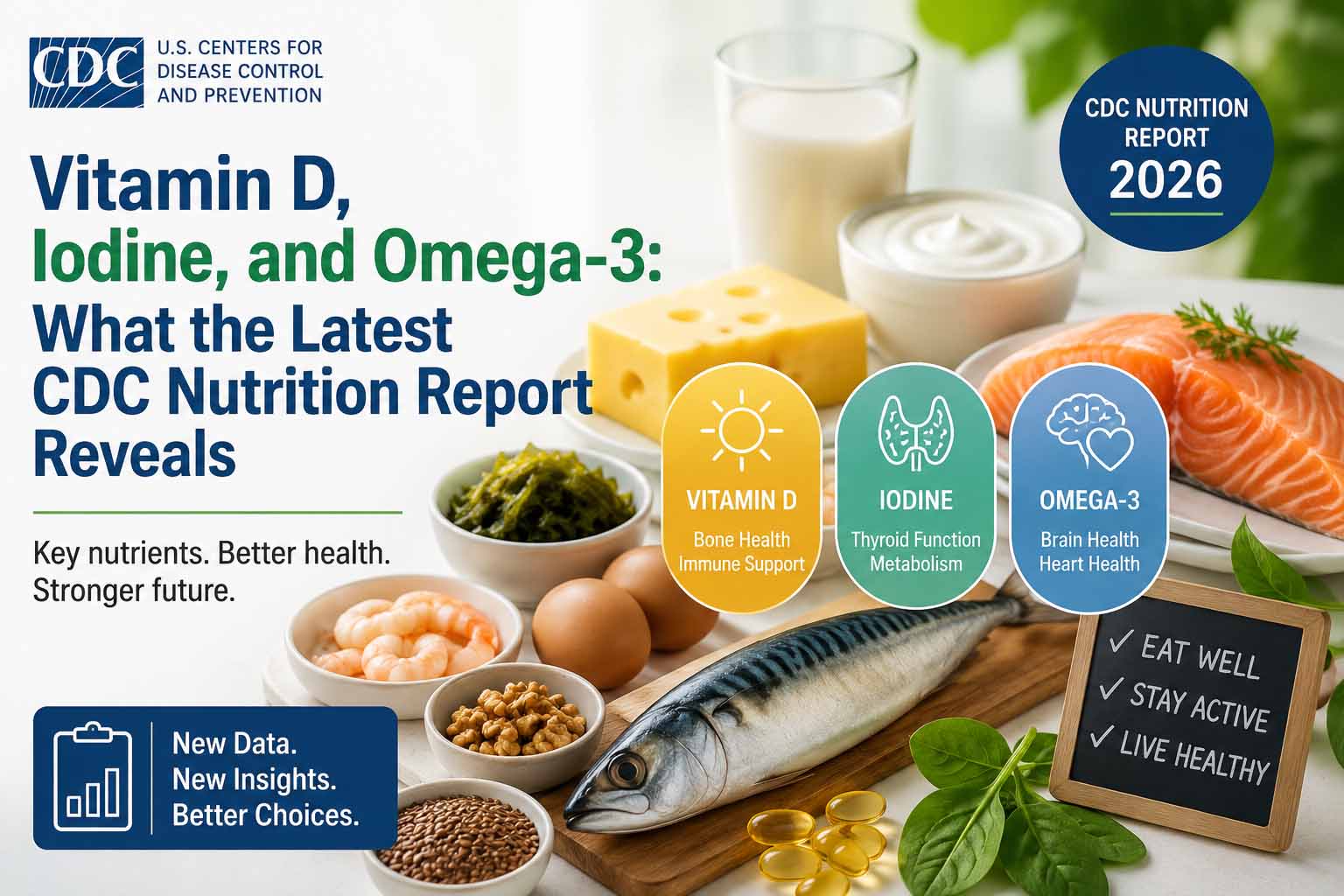
Meta Description: Discover why Vitamin D, Iodine, and Omega-3 are essential nutrients many still lack. Learn how to improve your diet with CDC nutrition guidelines and healthy eating tips.
Despite having access to an abundance of food, modern populations face a profound public health paradox: we are often overfed yet undernourished. The U.S. Centers for Disease Control and Prevention (CDC) regularly monitors the American diet through national surveys and biochemical assessments. Time and time again, CDC nutrition data reveals a startling truth. While severe scurvy or rickets might be rare in the modern era, chronic, low-level deficiencies in specific essential nutrients remain incredibly common.
Among the most frequently identified gaps in healthy nutrition are Vitamin D, Iodine, and Omega-3 fatty acids. These biological building blocks are critical for everything from bone density and metabolic regulation to cognitive function and cardiovascular health. Unfortunately, the standard Western diet, heavy in ultra-processed foods and low in nutrient-dense whole foods, often fails to provide adequate amounts of these vital compounds.
In this comprehensive guide, we will explore the science behind these three essential nutrients, examine why public health experts are concerned about current intake levels, and provide actionable, evidence-based advice for building a balanced diet that supports a long, vibrant life.
Why Essential Nutrients Matter
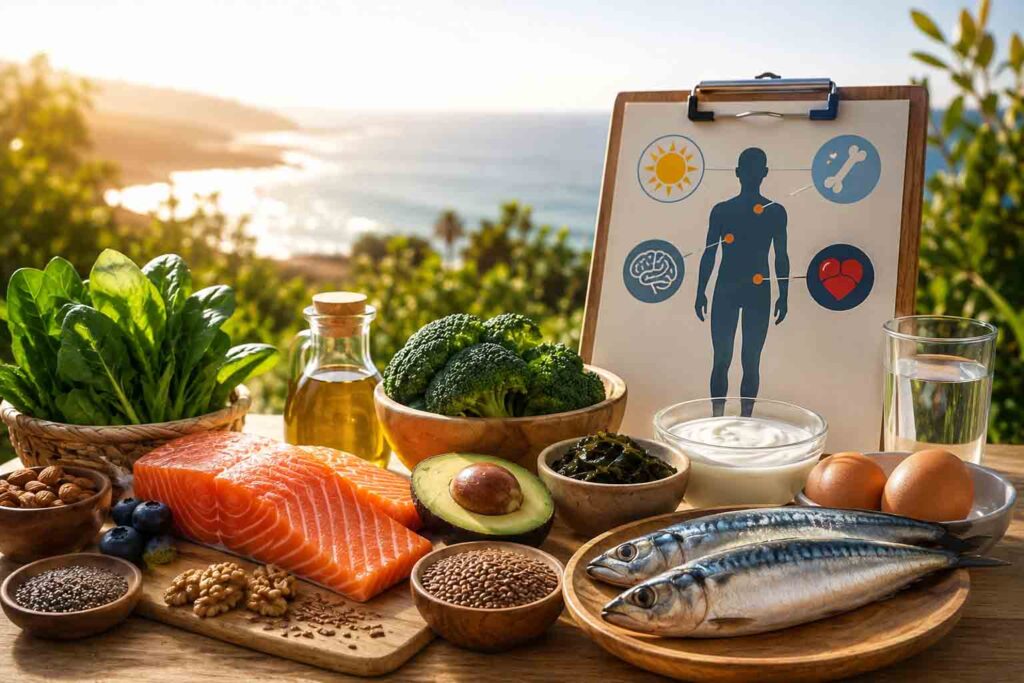
To understand the importance of a balanced diet, we must first understand what makes a nutrient “essential.” In the fields of biology and public health, essential nutrients are defined as compounds that the human body cannot manufacture on its own—or cannot manufacture in sufficient quantities—to sustain life and optimal health. Therefore, they must be obtained entirely through our diet or, in certain cases, environmental exposure.
Essential nutrients are broadly categorized into macronutrients (proteins, carbohydrates, and fats) and micronutrients (vitamins and minerals). While macronutrients provide the caloric energy necessary to fuel our daily activities, micronutrients act as the crucial spark plugs for our cellular machinery.
Vitamins and minerals facilitate millions of chemical reactions in the body every single second. They are required to convert food into usable energy, repair damaged DNA, produce neurotransmitters that regulate our mood, and build the physical architecture of our bones and tissues. When you consistently fail to consume enough essential nutrients, these biological processes begin to slow down or malfunction.
At first, a deficiency might present as vague fatigue, brain fog, or a weakened immune system. Over time, however, the prolonged absence of essential nutrients can lead to severe chronic illnesses, accelerating the aging process and diminishing your overall quality of life. This is why public health organizations continuously emphasize healthy eating over simply counting calories.
Vitamin D
Vitamin D stands out among essential nutrients because it behaves more like a hormone than a traditional vitamin. Every cell in the human body has a receptor for Vitamin D, highlighting its fundamental importance to our overall well-being.
Benefits
The most well-known role of Vitamin D is the regulation of calcium and phosphorus in the blood. When you consume calcium, your gut cannot absorb it efficiently without the presence of Vitamin D. By facilitating this absorption, Vitamin D ensures that your skeletal system remains strong and dense, actively preventing bone disorders like osteopenia and osteoporosis.
Beyond bone health, Vitamin D is a critical modulator of the immune system. It helps immune cells identify and destroy pathogens like viruses and bacteria, which is why healthy Vitamin D levels are associated with a lower risk of respiratory infections. Furthermore, emerging research links adequate Vitamin D to improved mood regulation and a reduced risk of depression.
Common Deficiency Symptoms
Because Vitamin D plays such a widespread role in the body, a lack of it can cause a wide array of symptoms. Unfortunately, these symptoms are often subtle and easily attributed to the stress of daily life. Common signs of deficiency include:
- Chronic fatigue and low daytime energy
- Bone and lower back pain
- Muscle weakness, aches, or frequent cramps
- Getting sick often or taking longer to recover from common colds
- Slow wound healing after surgery or minor injuries
- Mood changes, particularly persistent sadness or seasonal affective disorder (SAD)
Best Food Sources
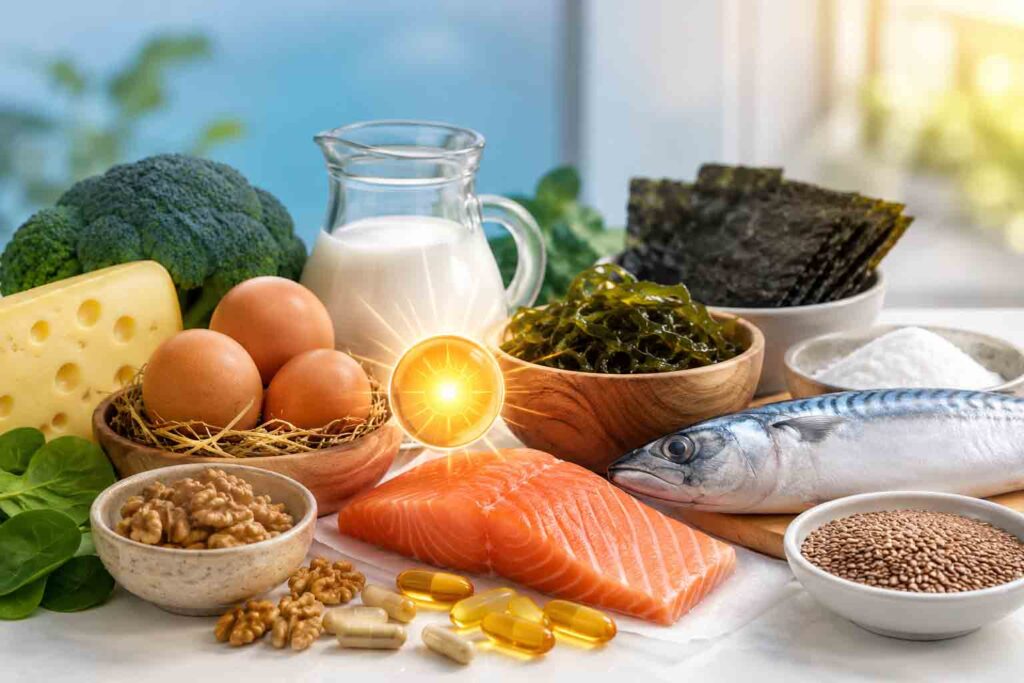
Finding Vitamin D in nature can be challenging, as very few foods contain it in high amounts. A healthy eating strategy must intentionally incorporate these specific sources:
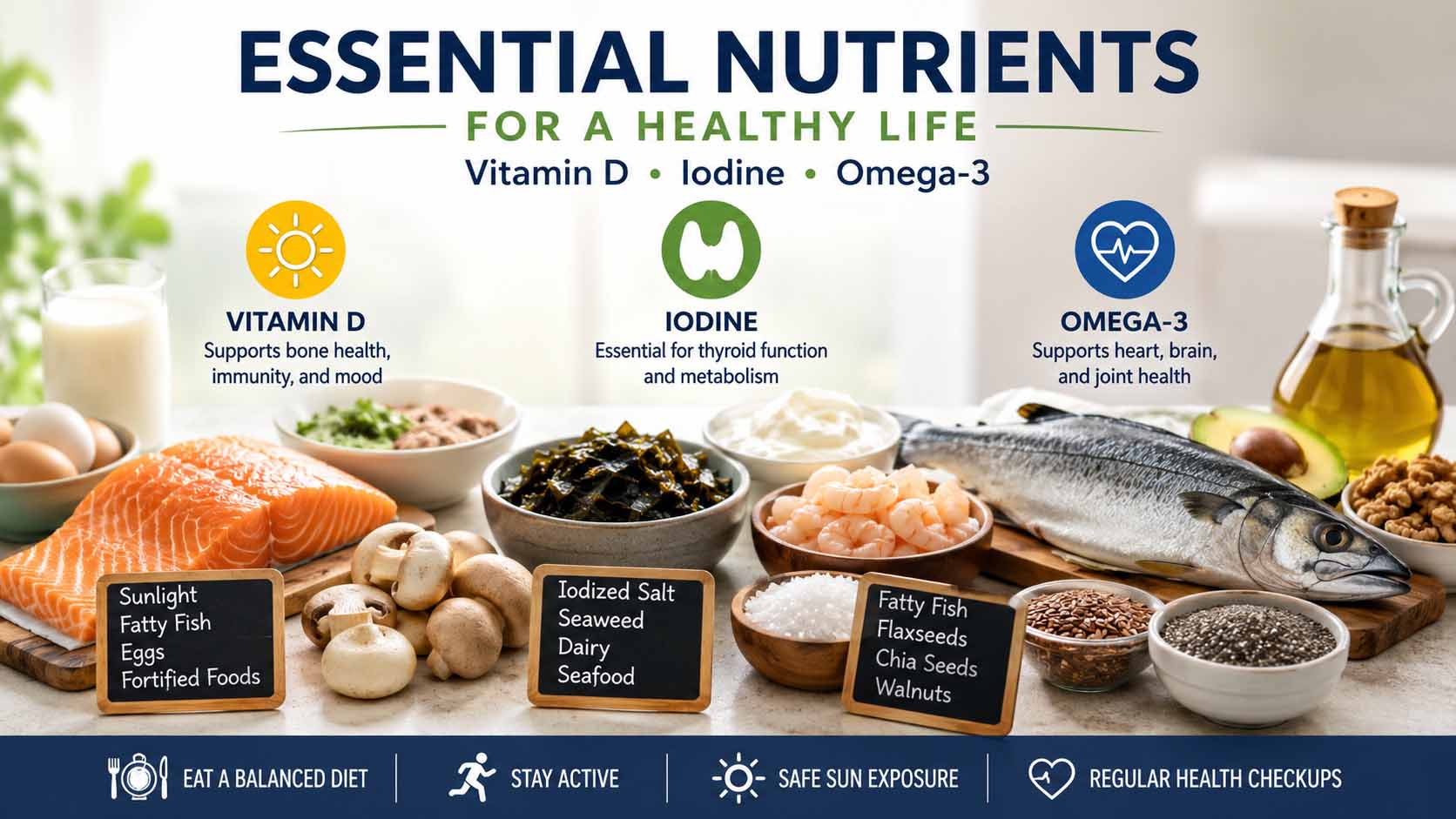
- Fatty Fish: Salmon, trout, mackerel, and sardines are some of the most potent natural sources.
- Cod Liver Oil: A traditional supplement that provides a massive dose of both Vitamin D and Vitamin A.
- Egg Yolks: The yolk is where the fat-soluble vitamins, including Vitamin D, reside.
- Mushrooms: Certain mushrooms exposed to ultraviolet light can synthesize Vitamin D2.
- Fortified Foods: To combat public health deficiencies, many countries fortify cow’s milk, plant-based milk alternatives, orange juice, and breakfast cereals with Vitamin D.
Safe Sunlight Exposure
The human body is brilliantly designed to synthesize its own Vitamin D when bare skin is exposed to the ultraviolet B (UVB) rays of the sun. However, balancing safe sun exposure with the risk of skin cancer is a delicate task.
For most people with lighter skin tones, exposing the face, arms, and legs to midday sunlight for 10 to 15 minutes a few times a week is sufficient to produce adequate Vitamin D. People with darker skin tones naturally have more melanin, which acts as a protective sunblock; therefore, they may require significantly more time in the sun to synthesize the same amount of the vitamin. It is important to note that UVB rays cannot penetrate glass, so sitting by a sunny window will not stimulate Vitamin D production.
Recommended Intake
According to official health guidelines, the Recommended Dietary Allowance (RDA) for Vitamin D is 600 International Units (IU) per day for adults up to age 70, and 800 IU per day for adults over 70. However, many medical professionals suggest that higher daily intakes may be necessary for individuals with limited sun exposure or malabsorption issues.
Iodine
Iodine is a trace mineral that is absolutely non-negotiable for human survival. Despite its critical importance, iodine deficiency remains a widespread public health issue globally, and CDC nutrition monitoring shows that certain demographics in the United States are teetering on the edge of insufficiency.
Importance for Thyroid Health
Your thyroid is a small, butterfly-shaped gland located at the base of your neck. It serves as the master controller of your body’s metabolism. To do its job, the thyroid must produce two specific hormones: thyroxine (T4) and triiodothyronine (T3).
Iodine is the core building block of these hormones. Without sufficient dietary iodine, your thyroid simply cannot manufacture T3 and T4. When these hormone levels drop, your entire metabolic engine slows down, affecting your heart rate, body temperature, digestion, and how efficiently you burn calories.
Deficiency Risks
When the body senses a lack of iodine, the pituitary gland secretes excess Thyroid Stimulating Hormone (TSH) to force the thyroid to work harder. This overstimulation causes the thyroid gland to physically enlarge, resulting in a visible swelling in the neck known as a goiter.
Prolonged deficiency leads to hypothyroidism. Symptoms include unexplained weight gain, extreme fatigue, dry skin, thinning hair, severe intolerance to cold temperatures, and brain fog.
The most severe risks of iodine deficiency occur during pregnancy. A developing fetus relies entirely on the mother’s thyroid hormones for brain and nervous system development. Even mild iodine deficiency during pregnancy can lead to lower IQ and cognitive impairments in the child, while severe deficiency can result in irreversible intellectual disability and stunted physical growth.
Food Sources
The amount of iodine in whole foods is highly dependent on the iodine content of the soil and water where the food was grown or raised. The best dietary sources include:
- Seaweed: Kelp, nori, kombu, and wakame are incredibly rich in iodine, absorbing it directly from ocean water.
- Seafood: Cod, tuna, shrimp, and oysters are excellent natural sources.
- Dairy Products: Milk, yogurt, and cheese are significant sources in the American diet, largely due to iodine-containing supplements in cattle feed and iodine-based sanitizers used in the dairy industry.
- Iodized Salt: The introduction of iodized table salt in the 1920s was one of the most successful public health interventions in history. Using a high-quality iodized salt at home is an easy way to ensure adequate intake.
Recommended Intake
The RDA for iodine for most adults is 150 micrograms (mcg) per day. Because of the critical demands of fetal development, pregnant women require 220 mcg per day, and breastfeeding women need 290 mcg per day.
Omega-3 Fatty Acids
While vitamins and minerals often steal the spotlight, certain fats are equally vital to a balanced diet. Omega-3 fatty acids are a class of polyunsaturated fats that form the structural foundation of our cell membranes, particularly in the brain and eyes.
Brain Health
The human brain is composed of nearly 60% fat, and a significant portion of that is a specific Omega-3 fatty acid known as docosahexaenoic acid (DHA). DHA is crucial for maintaining the fluidity and integrity of neural cell membranes, allowing brain cells to communicate rapidly and efficiently. A healthy nutrition plan rich in Omega-3s is associated with improved memory, sharper cognitive function, and a reduced risk of age-related cognitive decline and neurodegenerative diseases.
Heart Health
Omega-3s are renowned in the medical community for their profound cardiovascular benefits. They help to significantly lower triglyceride levels in the blood, slightly lower blood pressure, and prevent blood platelets from clumping together, which reduces the risk of deadly blood clots. Regular consumption of Omega-3s is strongly correlated with a reduced risk of heart attacks, strokes, and abnormal heart rhythms.
Anti-inflammatory Benefits
Chronic inflammation is now recognized as a root cause of many modern diseases, including type 2 diabetes, arthritis, and certain cancers. Omega-3 fatty acids are powerful anti-inflammatory agents. They interact with the immune system to reduce the production of molecules and substances linked to inflammation, such as inflammatory eicosanoids and cytokines.
Best Dietary Sources
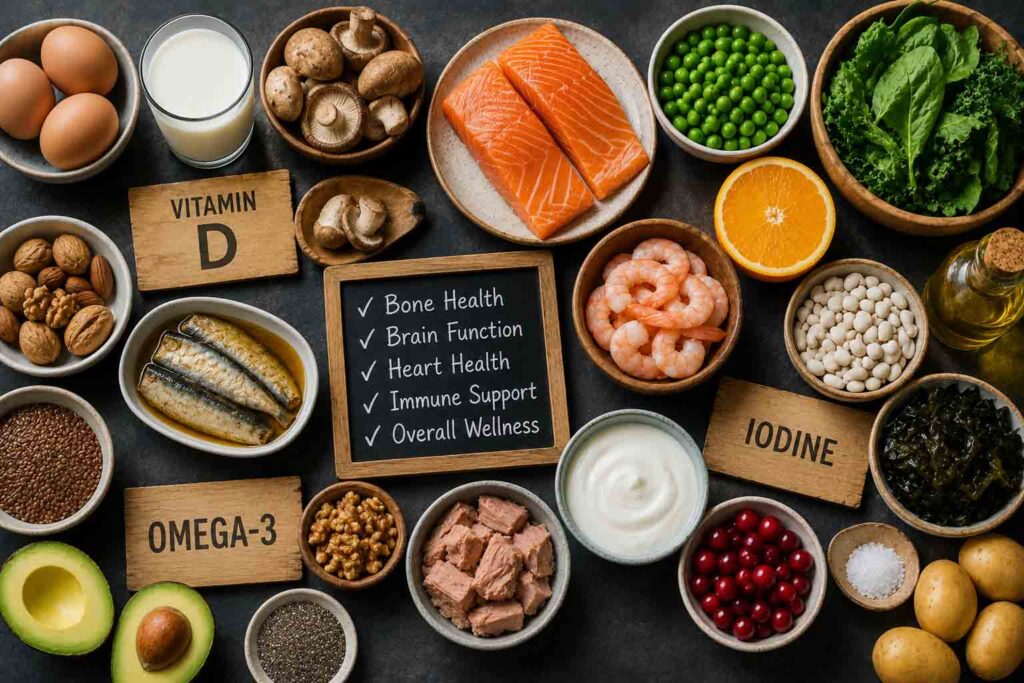
To optimize your intake, you must understand the three main types of Omega-3s: Eicosapentaenoic acid (EPA), Docosahexaenoic acid (DHA), and Alpha-linolenic acid (ALA).
- EPA and DHA Sources: Fatty marine fish (salmon, mackerel, sardines, anchovies, and herring), oysters, and algae.
- ALA Sources: Flaxseeds, chia seeds, walnuts, hemp seeds, and soybeans.
Fish vs Plant Sources
It is crucial to distinguish between marine and plant sources of Omega-3s. The human body requires EPA and DHA for optimal brain and heart health. Plant foods provide ALA. While ALA is healthy, the human body is incredibly inefficient at converting ALA into the active EPA and DHA forms (the conversion rate is typically less than 5%). Therefore, relying solely on walnuts and chia seeds will not provide the same biochemical benefits as consuming fatty fish. For those who do not eat seafood, an algae-based EPA/DHA supplement is highly recommended.
Who Is Most at Risk of Deficiency?
While anyone consuming a poor diet can develop nutritional gaps, certain demographics are at a significantly higher risk for deficiencies in Vitamin D, Iodine, and Omega-3s.
Older Adults
As we age, our bodies become less efficient at extracting essential nutrients from food. Additionally, the skin’s ability to synthesize Vitamin D from sunlight decreases dramatically in older age. Combined with a natural decline in appetite, older adults frequently require targeted dietary interventions to maintain bone and brain health.
Pregnant Women
Pregnancy places immense metabolic demands on the female body. The developing fetus requires massive amounts of iodine for thyroid and brain development, Omega-3s (specifically DHA) for nervous system architecture, and Vitamin D for skeletal growth. Prenatal vitamins are vital to close these gaps.
Children
During periods of rapid physical and cognitive growth, children require a dense supply of essential nutrients. A lack of Vitamin D during childhood can cause severe bone deformities, while inadequate iodine and Omega-3s can permanently hinder neurological development and academic performance.
Vegetarians and Vegans
A well-planned plant-based diet offers many health benefits, but it inherently lacks natural dietary sources of EPA and DHA (which come from fish) and is often low in iodine (found in dairy and seafood) and Vitamin D. Vegetarians and vegans must be highly diligent about consuming fortified foods, iodized salt, and appropriate algae-based supplements to achieve healthy nutrition.
People with Limited Sun Exposure
Individuals who live in northern latitudes with long, dark winters, office workers who spend peak daylight hours indoors, and people who wear clothing that covers their entire bodies for religious or cultural reasons are at a very high risk for severe Vitamin D deficiency.
Healthy Eating Tips
Transforming public health data into daily habits doesn’t have to be complicated. By making intentional choices at the grocery store, you can easily secure the essential nutrients your body craves. Here are practical tips for achieving a balanced diet:
- Embrace the “Food First” Philosophy: Try to get your nutrients from whole foods before turning to pills. Whole foods contain a complex matrix of fiber, antioxidants, and co-factors that help your body absorb vitamins more effectively.
- Eat Seafood Twice a Week: Make fatty fish like salmon or sardines a regular part of your dinner rotation. If fresh fish is too expensive, canned wild-caught salmon and sardines are highly nutritious and budget-friendly alternatives.
- Check Your Salt: Sea salt, Himalayan pink salt, and kosher salt have become popular in modern cooking, but they usually lack iodine. Keep a standard container of iodized table salt in your pantry specifically for daily seasoning to protect your thyroid.
- Snack on Seeds and Nuts: Keep a jar of walnuts, chia seeds, or ground flaxseeds on your counter. Sprinkle them over oatmeal, yogurt, or salads to boost your intake of plant-based ALA Omega-3s and dietary fiber.
- Look for Fortified Labels: When buying milk, plant-based milk alternatives, or breakfast cereals, take a moment to read the nutrition label. Choose brands that explicitly state they are fortified with Vitamin D.
- Get Outside Safely: Aim for brief, daily walks in the sunshine. Exposing your arms and face to the sun for just 10 to 15 minutes before applying sunscreen can significantly boost your natural Vitamin D production.
Frequently Asked Questions
1. Can I get all my essential nutrients from a multivitamin? While a high-quality multivitamin can act as a nutritional safety net, it cannot replace a balanced diet. Multivitamins often lack sufficient quantities of bulky nutrients like calcium or Omega-3 fatty acids, and they do not provide the dietary fiber and antioxidant compounds found in whole fruits and vegetables.
2. How do I know if I lack essential nutrients? Many mild deficiencies cause general symptoms like fatigue, brain fog, or frequent colds. The only way to know for sure is to ask your healthcare provider for a blood test. A simple blood panel can accurately measure your levels of Vitamin D, thyroid function (related to iodine), and other crucial biomarkers.
3. Does cooking with iodized salt destroy the iodine? Iodine can degrade over time when exposed to moisture and heat, but adding iodized salt to your meals during or after cooking will still provide a significant amount of the mineral. To preserve the iodine content in your salt shaker, store it in a cool, dry, dark place rather than right next to a steaming stove.
4. What is the difference between fish oil and krill oil? Both are excellent sources of EPA and DHA Omega-3s. Fish oil is extracted from fatty fish like salmon or anchovies, while krill oil comes from tiny, shrimp-like crustaceans. Some studies suggest that the Omega-3s in krill oil are bound to phospholipids, making them slightly easier for the human body to absorb, but both are effective for healthy nutrition.
5. Can you consume too much Vitamin D? Yes. Because Vitamin D is a fat-soluble vitamin, your body stores excess amounts in fat tissue rather than flushing it out in urine. Consuming massive doses of Vitamin D supplements for prolonged periods can lead to vitamin toxicity, which causes calcium to build up in the blood, potentially damaging the heart and kidneys. Always follow recommended dosages.
Conclusion
The latest CDC nutrition data provides a vital roadmap for understanding where the modern diet succeeds and where it falls dangerously short. Vitamin D, Iodine, and Omega-3 fatty acids are not just buzzwords; they are essential nutrients that dictate the health of our bones, the speed of our metabolism, and the clarity of our minds.
Public health begins with personal choices. By understanding the biochemical roles these nutrients play, recognizing the symptoms of deficiency, and making small, intentional adjustments to your daily meals, you can bridge these nutritional gaps. Remember that healthy eating is not about restrictive dieting; it is about abundance, variety, and providing your cellular machinery with the high-quality fuel it needs to thrive.
Disclaimer: This article is intended for informational and educational purposes only. It does not constitute medical advice, diagnosis, or treatment. Always consult with a qualified healthcare provider or a registered dietitian before making significant changes to your diet or beginning any new dietary supplement regimens.
📌 Related Links
- CDC: Nutrition, Physical Activity, and Obesity
- NIH Office of Dietary Supplements: Dietary Supplement Fact Sheets
- USDA: MyPlate Nutrition Guidelines
- WHO: Healthy Diet Fact Sheet
- MedlinePlus: Nutrition and Healthy Eating
📚 References & Sources
- CDC / USDA: National dietary guidelines, public health data on nutrient deficiencies, and strategies for maintaining a balanced diet.
- NIH Office of Dietary Supplements: Scientific research and official fact sheets detailing the biochemical roles of Vitamin D, Iodine, and Omega-3 fatty acids.
- WHO / MedlinePlus: Global health standards for healthy eating, disease prevention, and the physiological impact of essential nutrients.