Meta Description: Discover the WHO healthy aging guidelines to enhance your longevity and wellness. Learn simple, evidence-based daily habits for a longer, more active life.
The global population is experiencing a remarkable demographic shift. Thanks to advancements in modern medicine, public health initiatives, and improved living conditions, humans are living longer than ever before. However, this triumph of longevity brings a new, critical challenge: ensuring that our extended years are lived with vitality, purpose, and good health. It is no longer just about adding years to our lives; it is about adding life to our years.
The World Health Organization (WHO) has declared the period from 2021 to 2030 the “Decade of Healthy Ageing,” emphasizing a global shift in how we approach getting older. Getting older should not be viewed as an inevitable decline into illness and dependency. Instead, with the right lifestyle choices and a focus on preventive health, we can actively shape how we age.
In this comprehensive guide, we will explore the WHO’s framework for healthy aging, unpack the daily habits that promote longevity, and provide actionable, evidence-based strategies to help you maintain your physical and mental independence for decades to come.
What Is Healthy Aging?
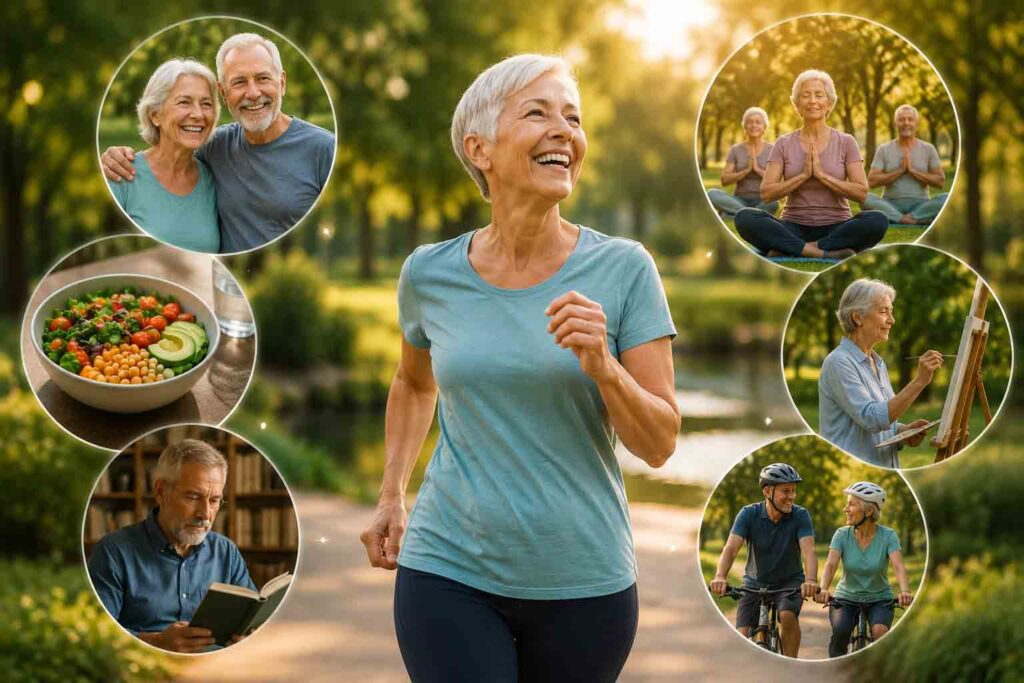
When many people think of aging healthily, they imagine living completely free of disease. However, the World Health Organization offers a more realistic, empowering, and holistic definition.
According to the WHO, healthy aging is “the process of developing and maintaining the functional ability that enables wellbeing in older age.”
This definition is revolutionary because it shifts the focus away from merely counting medical diagnoses. You can have a chronic health condition—such as well-managed hypertension or arthritis—and still experience healthy aging, provided you maintain your “functional ability.”
Functional ability means having the physical and mental capacity to do the things you value. It includes your ability to:
- Meet your basic needs (getting dressed, cooking, managing finances).
- Learn, grow, and make decisions.
- Be mobile and navigate your environment.
- Build and maintain relationships.
- Contribute to society and your community.
Healthy aging is about preserving your intrinsic capacity (your physical and mental reserves) and creating environments that support you as you age.
Why Healthy Aging Is Important
The pursuit of active aging is not just a personal goal; it is a global public health priority. Adopting a healthy lifestyle today yields profound benefits for your future self, your family, and society as a whole.
Increasing Life Expectancy
By 2030, one in six people in the world will be aged 60 years or over. As global life expectancy rises, the gap between “lifespan” (how long you live) and “healthspan” (how long you live in good health) becomes glaringly apparent. Embracing preventive health habits ensures that your healthspan closely matches your lifespan, saving you from spending your final decades in a state of frailty.
Quality of Life
Longevity without quality of life can be a heavy burden. Healthy aging allows you to continue engaging in hobbies, traveling, playing with grandchildren, and enjoying the simple pleasures of life without being constantly sidelined by pain, exhaustion, or illness.
Maintaining Independence
One of the greatest fears associated with growing older is losing independence and becoming a burden on loved ones. Preserving your physical strength, mobility, and cognitive function allows you to live safely in your own home for as long as possible, maintaining your autonomy and dignity.
Preventing Chronic Diseases
While genetics play a role, the vast majority of non-communicable diseases (NCDs)—such as heart disease, stroke, type 2 diabetes, and certain cancers—are heavily influenced by lifestyle. Adopting healthy habits significantly reduces your risk of developing these debilitating and costly conditions.
Healthy Habits Recommended by WHO
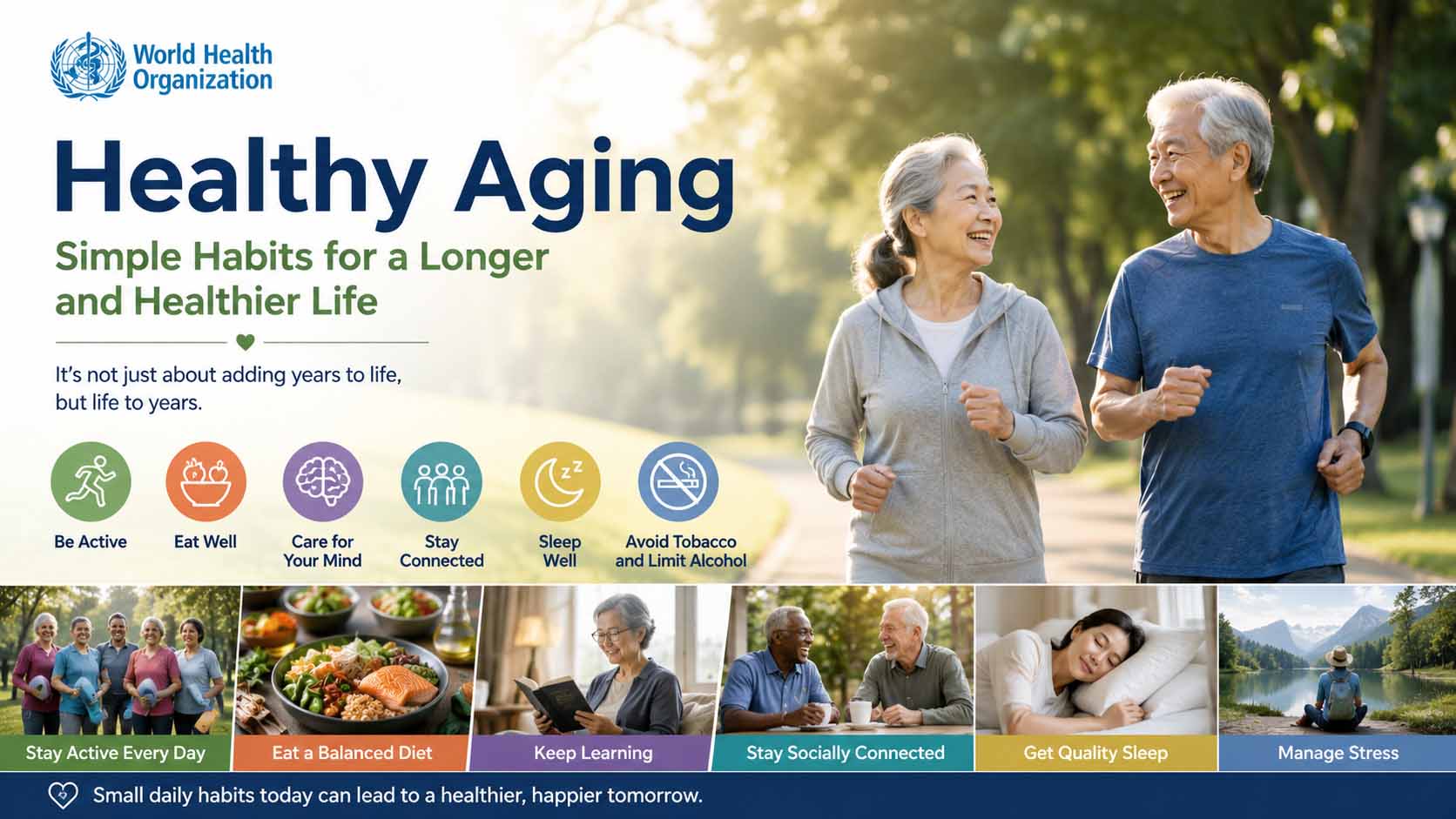
The foundation of healthy aging is built on daily, consistent choices. The WHO emphasizes that it is never too early, or too late, to adopt behaviors that support wellness and longevity.
Regular Physical Activity
The human body is designed to move. Physical inactivity is a leading risk factor for global mortality and a primary driver of functional decline. The WHO recommends that adults achieve at least 150 to 300 minutes of moderate-intensity aerobic physical activity (such as brisk walking, swimming, or cycling) per week.
Additionally, adults should perform muscle-strengthening activities (like lifting weights, using resistance bands, or bodyweight exercises) on two or more days a week. Preserving muscle mass is critical for maintaining metabolism, supporting joints, and preventing frailty.
Balanced Nutrition
A healthy diet protects against malnutrition and non-communicable diseases. The WHO advises a diet rich in fruits, vegetables, legumes, nuts, and whole grains.
To support healthy aging, nutrition should focus on:
- Limiting free sugars: To less than 10% (ideally 5%) of total energy intake.
- Reducing sodium: Consuming less than 5 grams of salt per day to prevent hypertension and protect cardiovascular health.
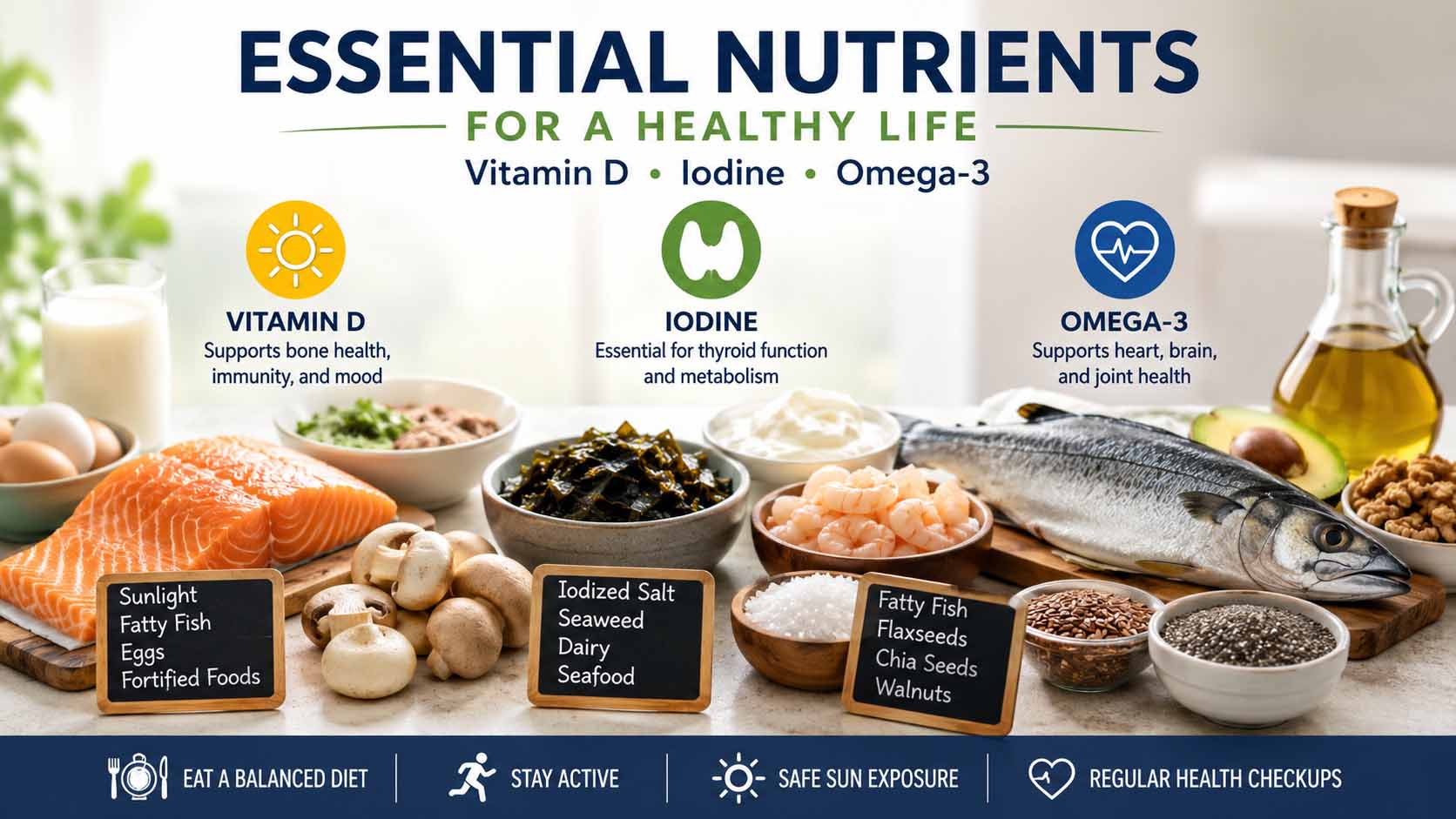
- Choosing healthy fats: Replacing saturated and trans fats with unsaturated fats found in olive oil, avocados, and fatty fish.
Quality Sleep
Sleep is the body’s ultimate restorative process. During deep sleep, your brain clears out metabolic waste and your body repairs damaged cellular tissues. Chronic sleep deprivation accelerates biological aging, increases systemic inflammation, and elevates the risk of cognitive decline. Prioritize 7 to 8 hours of uninterrupted, high-quality sleep by maintaining a consistent bedtime, limiting caffeine in the afternoon, and keeping your bedroom cool and dark.
Stress Management
Chronic, unmanaged stress takes a severe physical toll on the body. Prolonged elevation of the stress hormone cortisol suppresses the immune system, increases blood pressure, and accelerates the shortening of telomeres (the protective caps on the ends of your chromosomes associated with aging). Incorporate daily stress-reduction techniques such as mindfulness meditation, deep breathing exercises, or spending time in nature.
Staying Socially Connected
The WHO recently highlighted social isolation and loneliness as a pressing global health threat, carrying health risks equivalent to smoking 15 cigarettes a day. Maintaining strong social connections lowers the risk of depression, boosts immune function, and provides a critical support network. Actively invest in friendships, participate in community groups, or volunteer to stay engaged.
Avoiding Tobacco
Tobacco use is a primary driver of preventable death globally. Smoking damages blood vessels, reduces lung capacity, and vastly increases the risk of cancer, cardiovascular disease, and respiratory illnesses. Quitting smoking at any age immediately begins to reverse vascular damage and adds healthy years to your life.
Limiting Alcohol
The WHO is clear that there is no “safe” level of alcohol consumption. Alcohol is a toxic, psychoactive, and dependence-producing substance. Heavy drinking accelerates brain atrophy, damages the liver, and increases the risk of various cancers. Limiting or entirely eliminating alcohol intake is a powerful step toward preventive health.

Keeping Your Brain Healthy
Cognitive decline is not an inevitable part of aging. The brain is incredibly plastic and can form new neural connections well into old age—provided you give it the right stimulus and environment.
Lifelong Learning
Just as your muscles need resistance to grow, your brain needs challenge to stay sharp. Lifelong learning builds “cognitive reserve,” which helps the brain compensate for age-related changes. Learn a new language, take up a complex musical instrument, read challenging literature, or engage in strategic games like chess. Novelty is the key to brain health.
Physical Exercise
What is good for the heart is good for the brain. Aerobic exercise increases blood flow, delivering oxygen and essential nutrients to brain tissue. Exercise also stimulates the release of Brain-Derived Neurotrophic Factor (BDNF), a protein that supports the survival of existing neurons and encourages the growth of new synapses.
Social Interaction
Engaging in conversation requires complex cognitive processing. You must listen, interpret facial expressions, retrieve vocabulary, and formulate responses in real-time. Frequent social interaction is one of the most effective ways to keep the brain agile and ward off dementia.
Managing Blood Pressure and Diabetes
The brain relies on a vast, delicate network of blood vessels. Chronic hypertension (high blood pressure) and uncontrolled diabetes damage these microvessels, leading to silent strokes and vascular dementia. Keeping your blood pressure, blood sugar, and cholesterol in check through diet, exercise, and medication is vital for protecting your cognitive function.
Preventing Falls and Maintaining Mobility
For older adults, a simple fall can be a catastrophic, life-altering event. Falls are a leading cause of fatal and non-fatal injuries, often resulting in hip fractures that permanently strip away independence. Maintaining mobility is a cornerstone of the WHO’s active aging strategy.
Strength Training
Sarcopenia—the age-related loss of muscle mass and strength—makes everyday tasks difficult and destabilizes the body. Engaging in regular strength training builds the muscular armor needed to support your skeletal structure, making you more resilient against trips and stumbles.
Balance Exercises
Balance relies on a complex interaction between your inner ear, your eyes, and the proprioceptive sensors in your joints. This system degrades without practice. Incorporate balance-specific exercises into your routine, such as Tai Chi, yoga, or simple daily habits like standing on one leg while brushing your teeth.
Home Safety
Many falls happen in the comfort of one’s own home due to environmental hazards. To age safely in place:
- Remove loose throw rugs and electrical cords from walkways.
- Ensure all rooms, stairwells, and hallways are brightly lit.
- Install grab bars in the bathroom near the toilet and shower.
- Wear supportive, non-slip footwear indoors.
Vision and Hearing Checks
Impaired vision limits your ability to see obstacles, while untreated hearing loss reduces your spatial awareness and balance. Schedule annual eye exams to check for cataracts, glaucoma, and macular degeneration, and undergo regular audiogram testing. Wearing prescribed glasses and hearing aids is a direct investment in fall prevention.
Healthy Aging Starts Earlier Than You Think
A common misconception is that healthy aging is something you only need to worry about once you turn 60. In reality, the WHO advocates for a “life-course approach” to aging. The health of your future self is actively being built by the choices you make today.
In your 20s and 30s, you are building peak bone mass and establishing the metabolic set-points that will govern your midlife. In your 40s and 50s, unhealthy habits begin to compound, leading to the early stages of arterial plaque buildup, insulin resistance, and joint degradation.
By adopting a healthy lifestyle early, you maximize your intrinsic capacity, giving yourself a much higher starting point from which to age. However, the human body is incredibly forgiving. Even if you adopt these WHO healthy aging habits in your 60s or 70s, you can still significantly improve your functional ability, reduce medication dependency, and enhance your quality of life.
Frequently Asked Questions
1. What is the WHO definition of healthy aging? The WHO defines healthy aging as the process of developing and maintaining the functional ability that enables wellbeing in older age. It focuses on what a person can do and their quality of life, rather than just the absence of disease.
2. How much exercise is needed for active aging? The WHO recommends that adults engage in at least 150 to 300 minutes of moderate-intensity aerobic activity per week, plus muscle-strengthening activities on at least two days a week. For older adults, adding multicomponent physical activity that emphasizes functional balance is highly recommended.
3. Does diet really affect how quickly we age? Yes. A diet high in ultra-processed foods, sugar, and unhealthy fats accelerates cellular aging by driving systemic inflammation and oxidative stress. A balanced diet rich in whole foods, antioxidants, and healthy fats protects your cells, supports brain health, and prevents chronic disease.
4. How does social connection impact longevity? Social isolation causes chronic stress, which elevates cortisol levels, increases blood pressure, and suppresses the immune system. Strong social connections buffer stress, provide emotional support, and are consistently linked to longer, healthier lifespans.
5. Is it too late to start healthy habits if I am already over 65? It is never too late. Research shows that older adults who adopt healthy habits—such as quitting smoking, starting an exercise program, or improving their diet—can rapidly improve their cardiovascular health, boost their mood, and increase their functional mobility.
Conclusion
Healthy aging is not a genetic lottery or a stroke of luck; it is a proactive, lifelong journey. The World Health Organization’s guidelines remind us that growing older does not have to mean a loss of independence or a decline in wellbeing. By prioritizing regular physical activity, balanced nutrition, quality sleep, and social connection, we can actively protect our intrinsic capacity.
Whether you are in your 30s building your foundational health or in your 70s looking to preserve your mobility, the daily choices you make hold tremendous power. Start small, build sustainable healthy habits, and take control of your preventive health today. By doing so, you are not just adding years to your life—you are ensuring those years are vibrant, active, and deeply fulfilling.
Disclaimer: This article is for educational and informational purposes only and does not constitute medical advice. The content is based on general public health guidelines provided by the World Health Organization. Always consult with a qualified healthcare provider before making significant changes to your diet, exercise routine, or lifestyle, especially if you have existing health conditions.
📌 Related Links
- WHO: Healthy Ageing
- WHO: Decade of Healthy Ageing
- National Institute on Aging: Healthy Aging
- CDC: Healthy Aging Program
- MedlinePlus: Healthy Aging
📚 References & Sources
- WHO: Global health guidelines, initiatives for the “Decade of Healthy Ageing,” and frameworks for maintaining functional ability in older age.
- CDC / National Institute on Aging (NIH): Comprehensive resources on preventive health, age-related lifestyle interventions, and managing chronic diseases.
- MedlinePlus: Trusted medical information on senior health, fall prevention, and physical and cognitive maintenance.