Tag: Healthy Aging

  • WHO Healthy Aging Guide: Simple Habits for a Longer Life

    WHO Healthy Aging Guide: Simple Habits for a Longer Life

    Meta Description: Discover the WHO healthy aging guidelines to enhance your longevity and wellness. Learn simple, evidence-based daily habits for a longer, more active life.

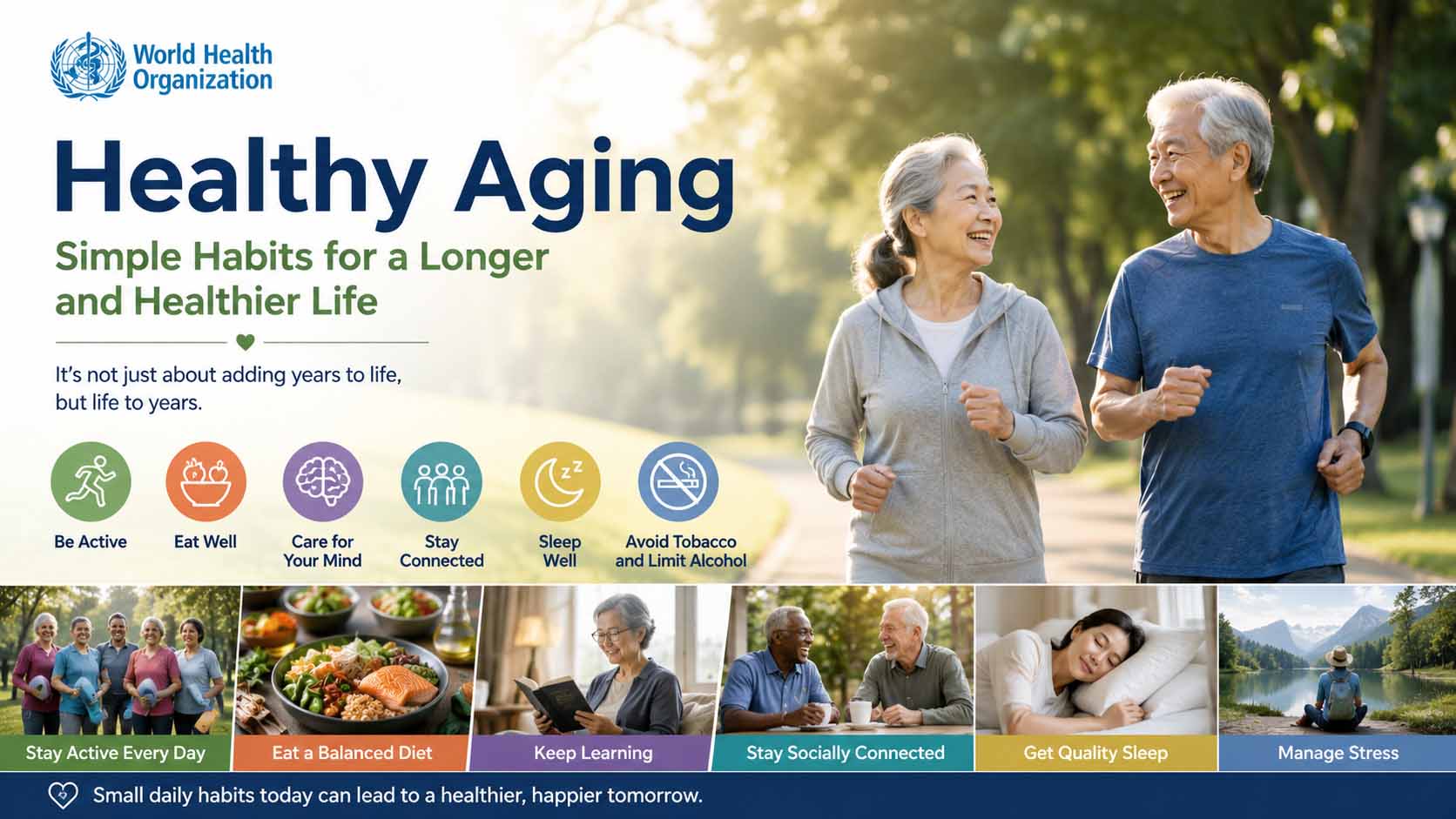
    The global population is experiencing a remarkable demographic shift. Thanks to advancements in modern medicine, public health initiatives, and improved living conditions, humans are living longer than ever before. However, this triumph of longevity brings a new, critical challenge: ensuring that our extended years are lived with vitality, purpose, and good health. It is no longer just about adding years to our lives; it is about adding life to our years.

    The World Health Organization (WHO) has declared the period from 2021 to 2030 the “Decade of Healthy Ageing,” emphasizing a global shift in how we approach getting older. Getting older should not be viewed as an inevitable decline into illness and dependency. Instead, with the right lifestyle choices and a focus on preventive health, we can actively shape how we age.

    In this comprehensive guide, we will explore the WHO’s framework for healthy aging, unpack the daily habits that promote longevity, and provide actionable, evidence-based strategies to help you maintain your physical and mental independence for decades to come.
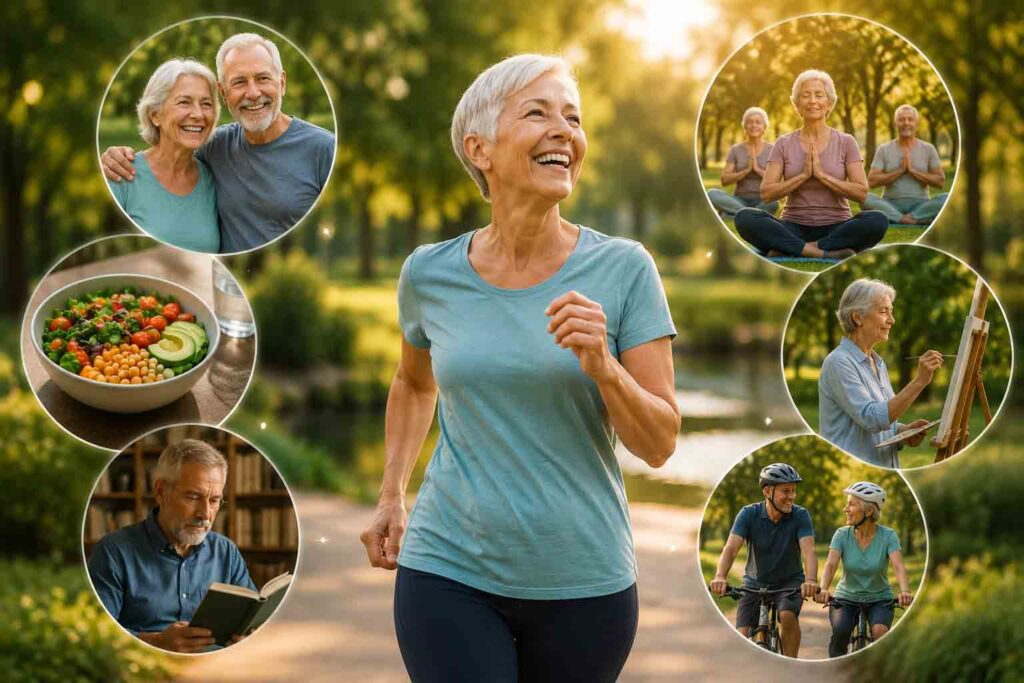
    What Is Healthy Aging?

    When many people think of aging healthily, they imagine living completely free of disease. However, the World Health Organization offers a more realistic, empowering, and holistic definition.

    According to the WHO, healthy aging is “the process of developing and maintaining the functional ability that enables wellbeing in older age.”

    This definition is revolutionary because it shifts the focus away from merely counting medical diagnoses. You can have a chronic health condition—such as well-managed hypertension or arthritis—and still experience healthy aging, provided you maintain your “functional ability.”

    Functional ability means having the physical and mental capacity to do the things you value. It includes your ability to:

    • Meet your basic needs (getting dressed, cooking, managing finances).
    • Learn, grow, and make decisions.
    • Be mobile and navigate your environment.
    • Build and maintain relationships.
    • Contribute to society and your community.

    Healthy aging is about preserving your intrinsic capacity (your physical and mental reserves) and creating environments that support you as you age.

    Why Healthy Aging Is Important

    The pursuit of active aging is not just a personal goal; it is a global public health priority. Adopting a healthy lifestyle today yields profound benefits for your future self, your family, and society as a whole.

    Increasing Life Expectancy

    By 2030, one in six people in the world will be aged 60 years or over. As global life expectancy rises, the gap between “lifespan” (how long you live) and “healthspan” (how long you live in good health) becomes glaringly apparent. Embracing preventive health habits ensures that your healthspan closely matches your lifespan, saving you from spending your final decades in a state of frailty.

    Quality of Life

    Longevity without quality of life can be a heavy burden. Healthy aging allows you to continue engaging in hobbies, traveling, playing with grandchildren, and enjoying the simple pleasures of life without being constantly sidelined by pain, exhaustion, or illness.

    Maintaining Independence

    One of the greatest fears associated with growing older is losing independence and becoming a burden on loved ones. Preserving your physical strength, mobility, and cognitive function allows you to live safely in your own home for as long as possible, maintaining your autonomy and dignity.

    Preventing Chronic Diseases

    While genetics play a role, the vast majority of non-communicable diseases (NCDs)—such as heart disease, stroke, type 2 diabetes, and certain cancers—are heavily influenced by lifestyle. Adopting healthy habits significantly reduces your risk of developing these debilitating and costly conditions.

    Healthy Habits Recommended by WHO

    The foundation of healthy aging is built on daily, consistent choices. The WHO emphasizes that it is never too early, or too late, to adopt behaviors that support wellness and longevity.

    Regular Physical Activity

    The human body is designed to move. Physical inactivity is a leading risk factor for global mortality and a primary driver of functional decline. The WHO recommends that adults achieve at least 150 to 300 minutes of moderate-intensity aerobic physical activity (such as brisk walking, swimming, or cycling) per week.

    Additionally, adults should perform muscle-strengthening activities (like lifting weights, using resistance bands, or bodyweight exercises) on two or more days a week. Preserving muscle mass is critical for maintaining metabolism, supporting joints, and preventing frailty.

    Balanced Nutrition

    A healthy diet protects against malnutrition and non-communicable diseases. The WHO advises a diet rich in fruits, vegetables, legumes, nuts, and whole grains.

    To support healthy aging, nutrition should focus on:

    • Limiting free sugars: To less than 10% (ideally 5%) of total energy intake.
    • Reducing sodium: Consuming less than 5 grams of salt per day to prevent hypertension and protect cardiovascular health.
    • Choosing healthy fats: Replacing saturated and trans fats with unsaturated fats found in olive oil, avocados, and fatty fish.

    Quality Sleep

    Sleep is the body’s ultimate restorative process. During deep sleep, your brain clears out metabolic waste and your body repairs damaged cellular tissues. Chronic sleep deprivation accelerates biological aging, increases systemic inflammation, and elevates the risk of cognitive decline. Prioritize 7 to 8 hours of uninterrupted, high-quality sleep by maintaining a consistent bedtime, limiting caffeine in the afternoon, and keeping your bedroom cool and dark.

    Stress Management

    Chronic, unmanaged stress takes a severe physical toll on the body. Prolonged elevation of the stress hormone cortisol suppresses the immune system, increases blood pressure, and accelerates the shortening of telomeres (the protective caps on the ends of your chromosomes associated with aging). Incorporate daily stress-reduction techniques such as mindfulness meditation, deep breathing exercises, or spending time in nature.

    Staying Socially Connected

    The WHO recently highlighted social isolation and loneliness as a pressing global health threat, carrying health risks equivalent to smoking 15 cigarettes a day. Maintaining strong social connections lowers the risk of depression, boosts immune function, and provides a critical support network. Actively invest in friendships, participate in community groups, or volunteer to stay engaged.

    Avoiding Tobacco

    Tobacco use is a primary driver of preventable death globally. Smoking damages blood vessels, reduces lung capacity, and vastly increases the risk of cancer, cardiovascular disease, and respiratory illnesses. Quitting smoking at any age immediately begins to reverse vascular damage and adds healthy years to your life.

    Limiting Alcohol

    The WHO is clear that there is no “safe” level of alcohol consumption. Alcohol is a toxic, psychoactive, and dependence-producing substance. Heavy drinking accelerates brain atrophy, damages the liver, and increases the risk of various cancers. Limiting or entirely eliminating alcohol intake is a powerful step toward preventive health.

    Keeping Your Brain Healthy

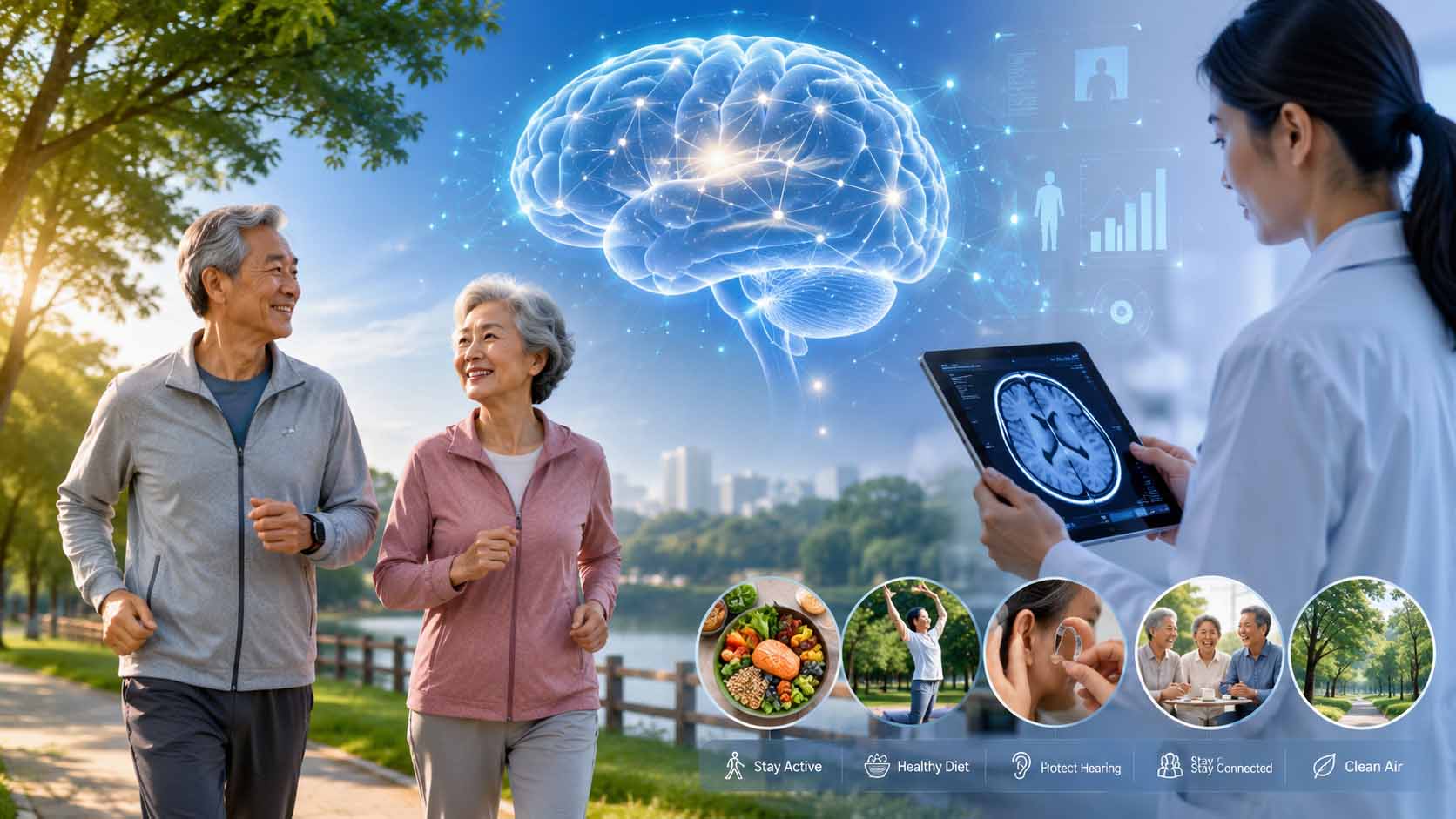
    Cognitive decline is not an inevitable part of aging. The brain is incredibly plastic and can form new neural connections well into old age—provided you give it the right stimulus and environment.

    Lifelong Learning

    Just as your muscles need resistance to grow, your brain needs challenge to stay sharp. Lifelong learning builds “cognitive reserve,” which helps the brain compensate for age-related changes. Learn a new language, take up a complex musical instrument, read challenging literature, or engage in strategic games like chess. Novelty is the key to brain health.

    Physical Exercise

    What is good for the heart is good for the brain. Aerobic exercise increases blood flow, delivering oxygen and essential nutrients to brain tissue. Exercise also stimulates the release of Brain-Derived Neurotrophic Factor (BDNF), a protein that supports the survival of existing neurons and encourages the growth of new synapses.

    Social Interaction

    Engaging in conversation requires complex cognitive processing. You must listen, interpret facial expressions, retrieve vocabulary, and formulate responses in real-time. Frequent social interaction is one of the most effective ways to keep the brain agile and ward off dementia.

    Managing Blood Pressure and Diabetes

    The brain relies on a vast, delicate network of blood vessels. Chronic hypertension (high blood pressure) and uncontrolled diabetes damage these microvessels, leading to silent strokes and vascular dementia. Keeping your blood pressure, blood sugar, and cholesterol in check through diet, exercise, and medication is vital for protecting your cognitive function.

    Preventing Falls and Maintaining Mobility

    For older adults, a simple fall can be a catastrophic, life-altering event. Falls are a leading cause of fatal and non-fatal injuries, often resulting in hip fractures that permanently strip away independence. Maintaining mobility is a cornerstone of the WHO’s active aging strategy.

    Strength Training

    Sarcopenia—the age-related loss of muscle mass and strength—makes everyday tasks difficult and destabilizes the body. Engaging in regular strength training builds the muscular armor needed to support your skeletal structure, making you more resilient against trips and stumbles.

    Balance Exercises

    Balance relies on a complex interaction between your inner ear, your eyes, and the proprioceptive sensors in your joints. This system degrades without practice. Incorporate balance-specific exercises into your routine, such as Tai Chi, yoga, or simple daily habits like standing on one leg while brushing your teeth.

    Home Safety

    Many falls happen in the comfort of one’s own home due to environmental hazards. To age safely in place:

    • Remove loose throw rugs and electrical cords from walkways.
    • Ensure all rooms, stairwells, and hallways are brightly lit.
    • Install grab bars in the bathroom near the toilet and shower.
    • Wear supportive, non-slip footwear indoors.

    Vision and Hearing Checks

    Impaired vision limits your ability to see obstacles, while untreated hearing loss reduces your spatial awareness and balance. Schedule annual eye exams to check for cataracts, glaucoma, and macular degeneration, and undergo regular audiogram testing. Wearing prescribed glasses and hearing aids is a direct investment in fall prevention.

    Healthy Aging Starts Earlier Than You Think

    A common misconception is that healthy aging is something you only need to worry about once you turn 60. In reality, the WHO advocates for a “life-course approach” to aging. The health of your future self is actively being built by the choices you make today.

    In your 20s and 30s, you are building peak bone mass and establishing the metabolic set-points that will govern your midlife. In your 40s and 50s, unhealthy habits begin to compound, leading to the early stages of arterial plaque buildup, insulin resistance, and joint degradation.

    By adopting a healthy lifestyle early, you maximize your intrinsic capacity, giving yourself a much higher starting point from which to age. However, the human body is incredibly forgiving. Even if you adopt these WHO healthy aging habits in your 60s or 70s, you can still significantly improve your functional ability, reduce medication dependency, and enhance your quality of life.

    Frequently Asked Questions

    1. What is the WHO definition of healthy aging? The WHO defines healthy aging as the process of developing and maintaining the functional ability that enables wellbeing in older age. It focuses on what a person can do and their quality of life, rather than just the absence of disease.

    2. How much exercise is needed for active aging? The WHO recommends that adults engage in at least 150 to 300 minutes of moderate-intensity aerobic activity per week, plus muscle-strengthening activities on at least two days a week. For older adults, adding multicomponent physical activity that emphasizes functional balance is highly recommended.

    3. Does diet really affect how quickly we age? Yes. A diet high in ultra-processed foods, sugar, and unhealthy fats accelerates cellular aging by driving systemic inflammation and oxidative stress. A balanced diet rich in whole foods, antioxidants, and healthy fats protects your cells, supports brain health, and prevents chronic disease.

    4. How does social connection impact longevity? Social isolation causes chronic stress, which elevates cortisol levels, increases blood pressure, and suppresses the immune system. Strong social connections buffer stress, provide emotional support, and are consistently linked to longer, healthier lifespans.

    5. Is it too late to start healthy habits if I am already over 65? It is never too late. Research shows that older adults who adopt healthy habits—such as quitting smoking, starting an exercise program, or improving their diet—can rapidly improve their cardiovascular health, boost their mood, and increase their functional mobility.

    Conclusion

    Healthy aging is not a genetic lottery or a stroke of luck; it is a proactive, lifelong journey. The World Health Organization’s guidelines remind us that growing older does not have to mean a loss of independence or a decline in wellbeing. By prioritizing regular physical activity, balanced nutrition, quality sleep, and social connection, we can actively protect our intrinsic capacity.

    Whether you are in your 30s building your foundational health or in your 70s looking to preserve your mobility, the daily choices you make hold tremendous power. Start small, build sustainable healthy habits, and take control of your preventive health today. By doing so, you are not just adding years to your life—you are ensuring those years are vibrant, active, and deeply fulfilling.

    Disclaimer: This article is for educational and informational purposes only and does not constitute medical advice. The content is based on general public health guidelines provided by the World Health Organization. Always consult with a qualified healthcare provider before making significant changes to your diet, exercise routine, or lifestyle, especially if you have existing health conditions.

    🌟 Add More Fun & Useful Information to Your Everyday Life

    🎵 Plus-1 (Shorts)
    https://www.youtube.com/@플러스-1/shorts

    🎼 DMC-6
    https://www.youtube.com/@DMC-6

    🚀 77-DMC
    https://www.youtube.com/@77-DMC

    🎧 PlusMusic KR
    https://www.youtube.com/@PlusMusic_KR

    🎵 TikTok
    https://www.tiktok.com/@leew2968292

  • WHO Warns Global Cancer Cases Could Nearly Double by 2050: What You Need to Know

    WHO Warns Global Cancer Cases Could Nearly Double by 2050: What You Need to Know

    Meta Description: The WHO projects global cancer cases could reach 35 million by 2050. Discover the driving factors behind these global cancer statistics and how to reduce your risk.

    Cancer has long been one of the most formidable public health challenges of our time, but a recent warning from the World Health Organization (WHO) has put the future trajectory of this disease into sharp perspective. According to the latest epidemiological models and global cancer statistics, the world is facing a staggering surge in new cancer diagnoses over the next few decades.

    As we look toward the middle of the 21st century, the numbers paint a concerning picture of global health. However, this projection is not an inescapable fate. The WHO emphasizes that a significant percentage of these future cases can be mitigated through aggressive public health initiatives, early cancer detection, and the widespread adoption of a healthy lifestyle.

    In this comprehensive guide, we will break down the latest WHO cancer cases 2050 projection, explore the primary risk factors driving this surge, and provide actionable, evidence-based strategies to help you protect your long-term health and embrace healthy aging.

    Why Cancer Cases Are Rising Worldwide

    To understand the alarming forecasts for the coming decades, we must first look at the interconnected factors driving the current global increase in cancer incidence. The surge is not the result of a single cause, but rather a complex convergence of demographic shifts, environmental changes, and modern lifestyle habits.

    First and foremost is the reality of an aging global population. Cancer is fundamentally a disease of aging; as cellular DNA replicates over decades, the likelihood of genetic mutations increases. Because advancements in modern medicine have successfully extended human lifespans and reduced mortality from infectious diseases, more people are living long enough to develop age-related conditions like cancer.

    Additionally, globalization has led to rapid lifestyle transitions. Populations in rapidly developing nations are increasingly adopting behaviors previously associated with high-income Western countries. This includes consuming diets high in ultra-processed foods, leading increasingly sedentary lives, and experiencing higher rates of obesity.

    Environmental factors also play a critical role. Rapid urbanization has exposed billions of people to higher levels of air pollution, industrial chemicals, and environmental toxins. Finally, profound healthcare inequalities persist. In many parts of the world, a lack of access to early screening and preventative care means that precancerous conditions are not caught in time, ultimately driving up global cancer statistics.

    WHO’s Latest Cancer Projection

    The figures released by the World Health Organization serve as a profound wake-up call for health ministries, medical professionals, and everyday citizens alike. Currently, the world sees approximately 20.6 million new cancer cases each year. However, according to the WHO cancer cases 2050 forecast, this number is projected to skyrocket to around 35 million new cases annually by the middle of the century.

    This represents a staggering increase of over 70% in just a few decades. While the absolute number of cases will rise globally, the burden will not be distributed equally. The WHO highlights that low- and middle-income countries (LMICs) will experience the most dramatic proportional increases.

    There are several reasons why LMICs are expected to bear the brunt of this crisis. These nations are currently undergoing the most rapid demographic and lifestyle transitions. Furthermore, many of these countries face a “double burden” of disease. They are still battling high rates of infection-related cancers (such as those caused by HPV and Hepatitis) while simultaneously experiencing a surge in lifestyle-related cancers. Unfortunately, these regions often have the least robust healthcare infrastructures, lacking the necessary resources for widespread early cancer detection, advanced oncology treatments, and palliative care.

    Major Risk Factors for Cancer

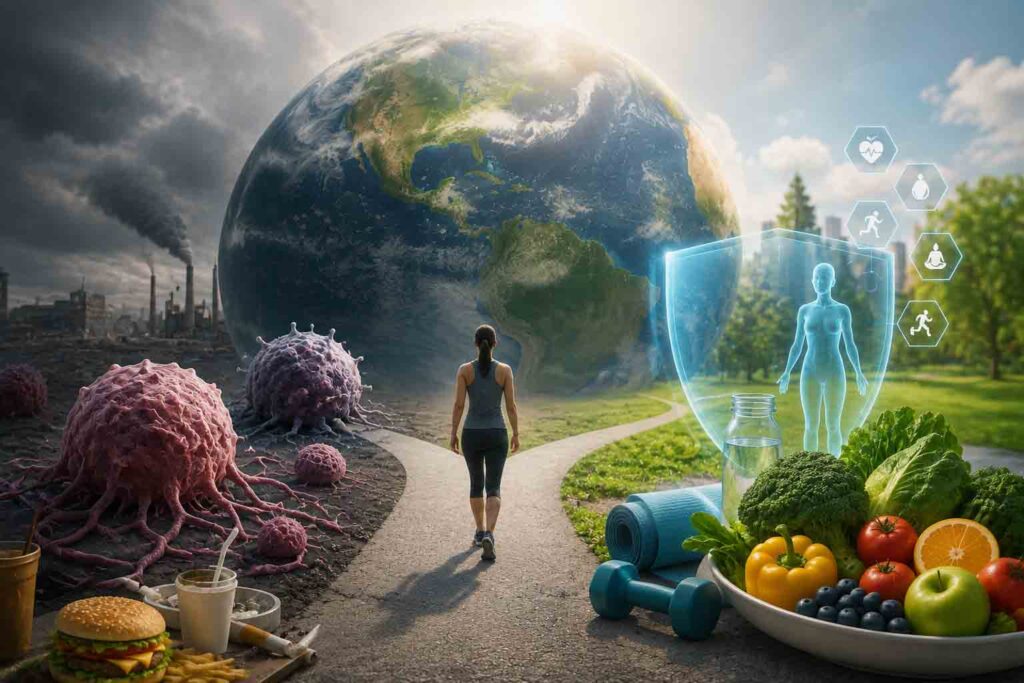
    While genetics play a role in cancer development, the WHO consistently emphasizes that a vast number of cancer cases are tied to modifiable risk factors. Understanding these triggers is the first step in cancer prevention.

    Tobacco Use

    Tobacco remains the single greatest preventable cause of cancer worldwide. It is responsible for approximately 25% of all cancer deaths globally. Cigarette smoke contains dozens of known carcinogens that damage DNA. Tobacco use is not only the primary driver of lung cancer but is also heavily linked to cancers of the mouth, throat, esophagus, bladder, and pancreas.

    Alcohol Consumption

    There is a widespread misconception that moderate drinking is safe or even beneficial. However, the WHO has clearly stated that there is no safe level of alcohol consumption when it comes to cancer risk. When the body metabolizes alcohol, it produces acetaldehyde, a toxic chemical that damages DNA and proteins. Alcohol is a major risk factor for cancers of the breast, liver, colon, and esophagus.

    Obesity

    Excess body weight is a silent but potent driver of oncological disease. Adipose (fat) tissue is biologically active; it produces excess hormones (like estrogen) and inflammatory proteins that encourage cells to divide and multiply more rapidly. Obesity is strongly linked to endometrial, breast, kidney, and colorectal cancers.

    Physical Inactivity

    A sedentary lifestyle contributes to obesity, but a lack of movement is an independent risk factor as well. Regular physical activity helps regulate blood sugar, lowers insulin levels, and boosts the immune system, all of which create an environment in the body that is hostile to cancer development.

    Poor Diet

    Diets high in ultra-processed foods, refined sugars, and red or processed meats (like bacon, hot dogs, and deli meats) significantly elevate cancer risk. Conversely, diets lacking in dietary fiber, fruits, and vegetables deprive the digestive system of the protective mechanisms needed to ward off cellular damage, particularly in the colon.

    Air Pollution

    The air we breathe has a direct impact on our cellular health. Outdoor air pollution, specifically fine particulate matter (PM2.5) from vehicle exhaust and industrial emissions, has been classified as a human carcinogen. Chronic exposure to polluted air is a recognized driver of lung cancer, even in individuals who have never smoked a cigarette.

    UV Exposure

    Excessive exposure to ultraviolet (UV) radiation, whether from the sun or artificial sources like tanning beds, is the primary cause of skin cancers, including deadly melanomas. UV rays penetrate the skin and cause direct damage to the cellular DNA, prompting uncontrolled cell growth.

    Viral Infections (HPV, Hepatitis B)

    Infections are responsible for approximately 15% of all cancers worldwide, with higher rates in developing nations. The Human Papillomavirus (HPV) is the leading cause of cervical cancer, while chronic infections with Hepatitis B and Hepatitis C viruses are primary drivers of liver cancer.

    Which Cancers Are Most Common?

    To better understand the global cancer statistics, it is helpful to look at the most frequently diagnosed types of cancer worldwide.

    Breast Cancer

    Breast cancer is the most commonly diagnosed cancer globally and the leading cause of cancer death among women. While risk increases with age and family history, lifestyle factors such as alcohol consumption and obesity significantly elevate the risk. Widespread mammography screening has been vital in reducing mortality rates in high-income countries.

    Lung Cancer

    Lung cancer remains the leading cause of cancer mortality overall. The overwhelming majority of lung cancer cases are directly attributable to smoking and secondhand smoke, though air pollution is playing an increasingly prominent role. Because lung cancer often presents no symptoms until it has reached an advanced stage, it is particularly deadly.

    Colorectal Cancer

    Cancers of the colon and rectum are rising globally, notably among younger adults. This trend is heavily associated with modern dietary habits, particularly the high consumption of processed meats, low intake of dietary fiber, physical inactivity, and rising obesity rates.

    Prostate Cancer

    Prostate cancer is the most common cancer among men in many parts of the world. Because it is highly correlated with advanced age, the aging global population guarantees that prostate cancer numbers will continue to rise. Fortunately, when caught early, it has a very high survival rate.

    Liver Cancer

    Liver cancer is highly lethal and is predominantly driven by chronic Hepatitis B and C infections, as well as heavy alcohol consumption and conditions like fatty liver disease. It disproportionately affects populations in low- and middle-income countries.

    What WHO Recommends for Cancer Prevention

    The projected increase to 35 million cases by 2050 is a worst-case scenario that assumes no intervention. The WHO stresses that between 30% and 50% of all cancer cases are currently preventable. To promote healthy aging and disease prevention, the WHO recommends the following pillars of cancer prevention:

    • Quit Smoking: Stopping tobacco use is the most impactful health decision a person can make. Quitting at any age significantly lowers the risk of developing and dying from cancer.
    • Limit Alcohol: The WHO recommends minimizing alcohol intake or avoiding it entirely. The less alcohol consumed, the lower the risk of developing several major cancers.
    • Maintain a Healthy Weight: Keeping your body mass index (BMI) within a healthy range reduces systemic inflammation and balances hormone levels, cutting the risk of at least 13 different types of cancer.
    • Exercise Regularly: Aim for at least 150 minutes of moderate-intensity aerobic physical activity, or 75 minutes of vigorous-intensity physical activity, every week.
    • Eat More Fruits and Vegetables: Transition to a predominantly plant-based diet. High intakes of whole grains, legumes, fruits, and vegetables provide antioxidants and fiber that protect cellular health. Limit consumption of red meat and avoid processed meats entirely.
    • Get Recommended Vaccinations: Public health campaigns for vaccination are powerful tools. The HPV vaccine can virtually eliminate the risk of cervical cancer, and the Hepatitis B vaccine offers lifelong protection against the primary cause of liver cancer.
    • Participate in Cancer Screening Programs: Follow local public health guidelines for routine screenings (such as mammograms, colonoscopies, and Pap smears).
    • Protect Skin from Excessive Sun Exposure: Use broad-spectrum sunscreen, wear protective clothing, seek shade during peak sunlight hours, and avoid artificial tanning devices.

    Early Detection Saves Lives

    Cancer prevention is about stopping the disease from developing in the first place, but early cancer detection is about finding it before it has the chance to spread. The WHO highlights early detection as a critical component of global cancer control.

    Early detection consists of two main strategies: early diagnosis and screening. Early diagnosis focuses on detecting symptomatic patients as early as possible. This requires public awareness of cancer warning signs—such as unexplained weight loss, persistent coughs, unusual bleeding, or changes in moles—and ensuring that healthcare systems are equipped to evaluate these symptoms rapidly.

    Screening, on the other hand, involves testing healthy individuals who have no symptoms but fall into high-risk age demographics. Common examples include mammography for breast cancer, HPV testing for cervical cancer, and colonoscopies for colorectal cancer.

    When cancer is identified in its earliest stages, it is significantly more likely to respond to treatment. Early-stage cancers can often be treated with less invasive procedures, resulting in higher survival rates, better quality of life for the patient, and vastly reduced treatment costs for healthcare systems.

    Practical Daily Habits to Reduce Cancer Risk

    Translating the WHO’s global public health directives into everyday life is entirely achievable. Building a cancer-preventative lifestyle comes down to consistent, daily habits.

    Start by auditing your diet. Make a habit of filling half your plate with colorful vegetables at every meal. Swap out processed snacks for nuts or fresh fruit, and replace red meat with plant-based proteins like beans and lentils a few times a week.

    Incorporate movement into your daily routine. You don’t need to spend hours at the gym; taking a brisk 30-minute walk after dinner, opting for the stairs instead of the elevator, or cycling to work all contribute to your weekly exercise goals.

    Rethink your beverage choices. Replace sugary sodas and alcoholic beverages with water, herbal teas, or black coffee. When attending social events, consider opting for zero-proof mocktails to reduce your alcohol consumption.

    Finally, make preventative healthcare a non-negotiable part of your calendar. Schedule your annual checkups, stay up to date on your vaccinations, apply SPF daily regardless of the weather, and never ignore unusual, persistent changes in your body.

    Frequently Asked Questions

    1. Why are the WHO cancer cases 2050 projections so high? The projection that global cases will reach 35 million by 2050 is primarily driven by the aging of the global population and overall population growth. Additionally, changes in lifestyle, such as increased obesity rates, higher consumption of processed foods, and exposure to environmental pollutants, are accelerating cancer incidence, particularly in developing nations.

    2. Is cancer completely preventable? Not all cancers are preventable, as genetics and age are significant factors that we cannot control. However, the WHO estimates that between 30% and 50% of all cancer cases can be prevented by adopting healthy lifestyle habits and avoiding known risk factors like tobacco and excessive alcohol.

    3. Which cancer is the most common globally? Currently, breast cancer is the most commonly diagnosed cancer worldwide, closely followed by lung cancer. However, lung cancer remains the leading cause of cancer-related deaths globally due to its aggressive nature and the fact that it is often diagnosed at a later stage.

    4. Does air pollution really cause cancer? Yes. The WHO has recognized outdoor air pollution, specifically fine particulate matter (PM2.5), as a Group 1 carcinogen. Breathing polluted air over long periods damages the cellular lining of the lungs, significantly increasing the risk of developing lung cancer.

    5. Can vaccines prevent cancer? Yes, certain vaccines are highly effective at preventing infection-driven cancers. The Human Papillomavirus (HPV) vaccine prevents the infections that cause nearly all cervical cancers, and the Hepatitis B vaccine prevents the chronic liver infections that lead to liver cancer.

    Conclusion

    The WHO’s projection that global cancer cases could reach 35 million by 2050 is a sobering reality check. It highlights the urgent need for robust public health infrastructure, equitable access to medical care, and global cooperation in addressing environmental hazards.

    However, this forecast should empower us rather than cause despair. As individuals, we are not helpless in the face of these statistics. By understanding the major risk factors and taking proactive steps—such as quitting smoking, exercising, eating a balanced diet, and participating in early cancer detection programs—we can drastically reduce our personal risk. Healthy aging is a lifelong journey, and the choices we make today build the foundation for a healthier tomorrow.

    Disclaimer: The information provided in this article is intended for educational and informational purposes only. It does not constitute medical advice, diagnosis, or treatment. Always consult with a qualified healthcare provider regarding any questions you may have about a medical condition, cancer screening, or lifestyle changes.

    🌟 Add More Fun & Useful Information to Your Everyday Life

    🎵 Plus-1 (Shorts)
    https://www.youtube.com/@플러스-1/shorts

    🎼 DMC-6
    https://www.youtube.com/@DMC-6

    🚀 77-DMC
    https://www.youtube.com/@77-DMC

    🎧 PlusMusic KR
    https://www.youtube.com/@PlusMusic_KR

    🎵 TikTok
    https://www.tiktok.com/@leew2968292

  • WHO Releases New Dementia Prevention Guidelines: Up to 45% of Cases Could Be Prevented or Delayed

    WHO Releases New Dementia Prevention Guidelines: Up to 45% of Cases Could Be Prevented or Delayed

    Meta Description: Discover the newly updated WHO dementia prevention guidelines for 2026. Learn the 14 modifiable risk factors that could prevent or delay up to 45% of cases.

    As the global population ages, cognitive decline and neurodegenerative diseases have emerged as defining public health crises of our time. For decades, many people viewed severe memory loss and cognitive impairment as an unavoidable tragedy of growing older. However, the World Health Organization (WHO) has released a groundbreaking update that radically shifts this narrative from inevitable decline to proactive prevention.

    On July 15, 2026, the WHO published the second edition of its global guidelines for the risk reduction of cognitive decline and dementia. Building on years of intensive research and the landmark findings of the Lancet Commission, the latest WHO 2026 guidelines deliver a profoundly hopeful message: up to 45% of all dementia cases worldwide could potentially be prevented or delayed by addressing specific lifestyle and environmental factors.

    This comprehensive guide breaks down the latest WHO dementia prevention guidelines, explores the 14 modifiable risk factors you need to know about, and provides actionable, evidence-based strategies to protect your long-term brain health.

    Why Dementia Is Becoming a Global Health Challenge

    To understand the urgency behind the newly updated WHO dementia prevention guidelines, it is critical to look at the staggering scale of the problem. Dementia is not a single disease but an umbrella term for several progressive brain disorders—the most common being Alzheimer’s disease, which accounts for roughly 60% to 70% of all cases. These conditions impair memory, thinking, behavior, and the ability to perform everyday activities.

    Currently, more than 57 million people are living with dementia worldwide, with nearly 10 million new cases diagnosed every single year. As global life expectancies increase, this number is projected to skyrocket. Beyond the devastating emotional toll on individuals and families, dementia places a massive economic burden on global healthcare systems, costing an estimated $1.3 trillion annually. Much of this cost is borne by unpaid family caregivers who sacrifice their own health and income to support their loved ones.

    Because there is currently no cure for Alzheimer’s disease or most other forms of dementia, the global medical community is prioritizing preventative public health strategies. If we can delay the onset of dementia by even just a few years through healthier living, we can drastically reduce the number of people suffering from the condition globally.

    WHO’s New Dementia Prevention Guidelines (2026)

    The WHO first introduced global recommendations for dementia risk reduction in 2019. However, the scientific understanding of the brain has advanced rapidly over the last several years. The updated 2026 guidelines integrate the latest epidemiological data, explicitly confirming that nearly half of all dementia cases are tied to lifestyle, medical, and environmental factors that we have the power to change.

    The most notable update in the 2026 publication is the expansion of recognized threats to brain health. While earlier iterations focused heavily on diet, exercise, and cardiometabolic health, the new guidelines officially recognize environmental and sensory factors. For the first time, the WHO has explicitly added air pollution to its dementia prevention guidance, reflecting mounting evidence that long-term exposure to toxic air directly impacts neuroinflammation and cognitive decline.

    By outlining 14 specific, modifiable dementia risk factors, the WHO 2026 report equips policymakers, healthcare providers, and the general public with a clear, science-backed roadmap for healthy aging.

    The 14 Modifiable Risk Factors

    According to the latest consensus recognized by the WHO, addressing the following 14 factors across a person’s lifespan can dramatically lower the risk of cognitive decline.

    1. Low Education

    Brain health begins in childhood. Failing to complete secondary education limits what scientists call “cognitive reserve”—the brain’s ability to build dense, resilient neural networks. A higher cognitive reserve allows the brain to sustain age-related damage without showing outward symptoms of memory loss. Lifelong learning and cognitive stimulation at work or through hobbies can help build this reserve even later in life.

    2. Hearing Loss

    Hearing impairment in midlife has emerged as a surprisingly powerful predictor of dementia. When you struggle to hear, your brain has to divert massive amounts of cognitive energy just to decode speech, leaving fewer resources for memory and processing. Hearing loss also frequently leads to social isolation. Correcting hearing loss with clinically prescribed hearing aids can significantly mitigate this risk.

    3. High LDL Cholesterol

    Often referred to as “bad” cholesterol, high levels of LDL in the bloodstream contribute to atherosclerosis (hardening of the arteries). This restricts healthy blood flow to the brain and has been linked to an increased deposition of amyloid plaques, a hallmark of Alzheimer’s disease.

    4. Depression

    Untreated depression, particularly during midlife, takes a physical toll on the brain. Chronic depression elevates stress hormones like cortisol, which can shrink the hippocampus—the brain region strictly responsible for forming and storing memories. Seeking medical and therapeutic treatment for depression is vital for long-term cognitive preservation.

    5. Traumatic Brain Injury (TBI)

    Moderate to severe head injuries, whether from car accidents, falls, or contact sports, physically damage brain tissue and disrupt neural pathways. Sustaining a traumatic brain injury can accelerate the onset of dementia by several years.

    6. Physical Inactivity

    A sedentary lifestyle starves the brain of optimal blood flow. Physical inactivity is closely tied to poor cardiovascular health, reducing the delivery of oxygen and essential nutrients to brain cells.

    7. Diabetes

    Type 2 diabetes is notoriously damaging to the vascular system. Consistently high blood sugar levels cause systemic inflammation and damage the tiny blood vessels in the brain. Furthermore, insulin resistance can impair the brain’s ability to efficiently process glucose, essentially starving brain cells of their primary energy source.

    8. Smoking

    Tobacco use exposes the body to thousands of toxins that damage the cardiovascular system and cause oxidative stress in brain tissue. Smoking accelerates the narrowing of blood vessels, greatly increasing the risk of vascular dementia and Alzheimer’s disease.

    9. Hypertension

    Chronically high blood pressure (hypertension), especially in midlife, places immense strain on the brain’s delicate vascular network. Over time, this pressure can cause silent, microscopic strokes that gradually chip away at cognitive function.

    10. Obesity

    Carrying excess body weight, particularly around the abdomen, drives chronic, low-grade inflammation throughout the body. Obesity is also deeply interconnected with other dementia risk factors like hypertension, diabetes, and physical inactivity.

    11. Excessive Alcohol Consumption

    Heavy drinking is a well-documented neurotoxin. Consuming alcohol in excess shrinks brain volume over time, directly damages neurons, and causes severe memory deficits. Reducing alcohol intake is a universally recommended strategy for protecting brain health.

    12. Social Isolation

    Humans are biologically wired for social connection. Chronic loneliness and social isolation deprive the brain of complex cognitive stimulation (such as reading facial expressions, engaging in conversation, and exercising empathy) while simultaneously increasing the risk of depression.

    13. Air Pollution

    Newly highlighted in the WHO 2026 guidelines, long-term exposure to outdoor and indoor air pollution (specifically fine particulate matter, or PM2.5) has been identified as a critical environmental threat. These microscopic pollutants can cross the blood-brain barrier, triggering neuroinflammation and accelerating the accumulation of toxic proteins in the brain.

    14. Vision Loss

    Similar to hearing loss, untreated visual impairment (such as untreated cataracts or glaucoma) restricts a person’s ability to engage with their environment. Sensory deprivation forces the brain to withdraw, leading to a faster rate of cognitive decline.

    What WHO Recommends

    The updated WHO dementia prevention guidelines translate the science of these 14 risk factors into actionable public health advice. To protect cognitive health, the WHO recommends the following comprehensive lifestyle interventions:

    • Regular Physical Activity: Engaging in moderate-intensity aerobic exercise (like brisk walking, swimming, or cycling) paired with strength training is one of the most effective ways to boost brain volume and vascular health.
    • Healthy Diet: A balanced, nutrient-dense diet—such as the Mediterranean diet, which is rich in vegetables, fruits, legumes, whole grains, and lean proteins—helps control weight, blood pressure, and cholesterol.
    • Blood Pressure Control: Aggressively monitoring and managing hypertension from midlife onward is crucial to preventing microvascular damage in the brain.
    • Diabetes Management: Keeping blood sugar levels within a healthy target range through diet, exercise, and prescribed medication protects neural pathways.
    • Hearing and Vision Protection: Attending regular sensory check-ups and using hearing aids or corrective lenses when clinically indicated keeps the brain actively engaged with the surrounding world.
    • Smoking Cessation: Quitting tobacco use at any age immediately begins to lower the risk of cognitive decline and improves systemic vascular health.
    • Maintaining Social Connections: Actively participating in community events, volunteering, or simply spending quality time with friends and family provides essential mental stimulation.
    • Lifelong Learning: Challenging the brain with new skills—such as learning a new language, playing a musical instrument, or taking up a complex hobby—fortifies cognitive reserve.
    • Reducing Exposure to Air Pollution: While largely a policy issue, individuals can reduce risk by utilizing indoor air purifiers, wearing quality masks on high-pollution days, and advocating for cleaner environmental standards.

    Supplements and Dementia Prevention

    One of the most heavily debated topics regarding brain health is the use of over-the-counter dietary supplements. The vitamin and supplement industry frequently markets products claiming to boost memory or ward off Alzheimer’s disease. However, the WHO takes a very firm, evidence-based stance on this issue.

    The WHO strongly advises AGAINST the routine use of dietary supplements to prevent dementia.

    Specifically, the guidelines state that there is insufficient scientific evidence to support taking omega-3 fatty acids, vitamin B, vitamin E, or multivitamin-mineral complexes solely for the purpose of reducing dementia risk in people who do not have a clinically diagnosed nutritional deficiency. In some cases, high doses of certain vitamins can even pose health risks that outweigh any hypothetical benefits.

    The WHO emphasizes that humans should obtain these essential nutrients through a well-balanced diet rather than synthetic pills. Supplements should only be introduced into your routine if a medical professional has diagnosed a specific deficiency (such as a severe Vitamin B12 deficiency, which can mimic dementia symptoms if left untreated).

    Additionally, the guidelines explicitly recommend against using menopausal hormone therapy for the purpose of dementia risk reduction, as current evidence does not support its efficacy for brain health and may carry other medical risks.

    Everyday Habits That Support Brain Health

    Translating global health directives into your daily routine does not require drastic, overnight transformations. Small, consistent lifestyle adjustments compound over time to support healthy aging. Here are practical ways to incorporate the WHO’s recommendations into your everyday life:

    1. Move More Throughout the Day: You don’t have to run marathons. Aim for 30 minutes of brisk walking most days of the week. Take the stairs, garden, or do household chores with vigor.
    2. Eat for Your Heart and Brain: Prioritize heart-healthy fats (like olive oil and avocados), dark leafy greens, and fatty fish. Limit ultra-processed foods, added sugars, and excess sodium.
    3. Schedule Annual Check-Ups: Don’t skip your routine physicals. Ask your doctor to check your blood pressure, HbA1c (blood sugar), and lipid panel (cholesterol). If the numbers are high, work on a plan to lower them.
    4. Protect Your Head: Always wear a seatbelt in the car, and use a high-quality helmet when cycling, skiing, or participating in contact sports.
    5. Check Your Hearing and Vision: If you find yourself constantly asking people to repeat themselves or turning up the TV volume, get an audiogram. Wearing a hearing aid is a powerful, proven way to protect your brain.
    6. Stay Socially Active: Join a local club, take a group fitness class, or set up weekly phone calls with long-distance friends.
    7. Monitor Indoor Air Quality: Invest in a HEPA air purifier for your home, especially if you live in a dense urban area or near a major roadway, to minimize PM2.5 inhalation.

    Frequently Asked Questions

    1. What are the WHO dementia prevention guidelines for 2026? The 2026 guidelines are an updated set of evidence-based recommendations published by the World Health Organization on July 15, 2026. They detail how addressing 14 modifiable risk factors—such as hypertension, hearing loss, and air pollution—can prevent or delay up to 45% of global dementia cases.

    2. Can air pollution really cause dementia? Yes. Emerging scientific consensus has led the WHO to officially recognize air pollution as a modifiable risk factor. Long-term exposure to fine particulate matter (PM2.5) can cross into the brain, causing neuroinflammation and increasing the likelihood of cognitive decline.

    3. Should I take omega-3 supplements to prevent Alzheimer’s disease? The WHO explicitly advises against taking omega-3 supplements (or vitamins B and E) routinely for dementia prevention. Unless you have a medical deficiency diagnosed by a doctor, you should aim to get your omega-3s naturally through a healthy diet that includes fish, nuts, and seeds.

    4. Does treating hearing loss reduce dementia risk? Yes. Hearing loss places an excessive cognitive load on the brain and can lead to social isolation. Research indicates that using hearing aids when clinically necessary is one of the most effective interventions for protecting midlife and late-life cognitive function.

    5. Is it ever too late to start preventing cognitive decline? It is never too late. While the WHO emphasizes a “life-course approach”—meaning brain health starts in early childhood with good education—making healthy lifestyle changes in your 60s, 70s, and 80s can still significantly delay the progression of cognitive decline and improve your overall quality of life.

    Conclusion

    The release of the WHO dementia prevention guidelines in 2026 marks a turning point in how we approach global brain health. By definitively identifying that up to 45% of dementia cases are tied to 14 modifiable risk factors, the World Health Organization has provided a blueprint for profound public health transformation. From managing blood pressure and blood sugar to staying socially engaged and fighting air pollution, the power to influence our cognitive destiny is increasingly in our own hands. By adopting a heart-healthy, socially active, and mentally stimulating lifestyle, we can protect our minds and embrace healthy aging.

    Disclaimer: This article is for informational and educational purposes only and does not constitute medical advice. The information provided is based on public health guidelines from the World Health Organization. Always consult with a qualified healthcare professional before making any changes to your diet, exercise routine, or medical treatment plan, or before starting or stopping any supplements or medications.


    🌟 Add More Joy & Useful Information to Your Everyday Life

    Explore our YouTube channels and TikTok for relaxing music, trending products, helpful tips, and inspiring content updated regularly.


    ✨ Adding Joy & Useful Information to Your Everyday Life ✨

    Thank you for visiting. We hope you enjoyed this article and found it helpful.

  • New WHO Dementia Prevention Guidelines 2026: Can Nearly 45% of Dementia Cases Be Prevented?

    New WHO Dementia Prevention Guidelines 2026: Can Nearly 45% of Dementia Cases Be Prevented?

    Introduction

    Artificial intelligence has evolved from an experimental tech demo into an indispensable companion for daily productivity, creative work, and complex decision-making. As we navigate 2026, generative AI assistants are integrated into web browsers, mobile operating systems, office suites, and enterprise workflows. Millions of users rely on AI every single day to summarize complex documents, write production-grade code, draft strategic plans, and generate visual artwork.

    At the forefront of this AI revolution stand two undisputed titans: Google Gemini and OpenAI ChatGPT. Both platforms have invested billions of dollars into research, expanding context windows, introducing real-time voice and video multimodal capabilities, and integrating complex reasoning architectures.

    However, as both tools become increasingly sophisticated, choosing the right assistant for your specific workflow has become more challenging. Is Google’s deep integration with Search and Workspace superior, or does OpenAI’s specialized reasoning and developer ecosystem hold the crown? This comprehensive head-to-head comparison evaluates features, performance, pricing, and real-world usability to help you determine which AI assistant reigns supreme in 2026.

    What is Google Gemini?

    Google Gemini is Google’s flagship multimodal AI model, designed from the ground up to seamlessly process and combine different types of information, including text, code, audio, images, and video. Integrated deeply into Google’s vast consumer and enterprise ecosystem, Gemini powers search features, Google Workspace apps (Docs, Gmail, Drive, Slides), and Android mobile devices.

    Key Features and Strengths

    • Massive Context Window: Gemini leads the industry with native support for processing millions of tokens of context in a single prompt. This allows users to upload entire books, hours of video, or massive code repositories for instant analysis.
    • Native Ecosystem Integration: Gemini connects directly to Google Drive, Gmail, Docs, Maps, and YouTube, allowing the assistant to pull real-time personal data and web information without switching tabs.
    • Multimodal Native Architecture: Unlike models that stitch separate vision or speech modules onto a text core, Gemini was trained multimodally from inception, delivering smooth, real-time voice conversations and precise visual recognition.
    • Deep Web Grounding: Leveraging Google’s search index, Gemini offers reliable, up-to-the-minute web retrieval with direct source citations.

    Supported Platforms and Use Cases

    Gemini is available via a dedicated web web interface, native mobile applications on Android and iOS, and direct integration within Google Workspace for Business and Education. Typical use cases include research over massive document sets, automated email drafting, real-time trip planning with Google Maps, and enterprise data analysis.

    What is ChatGPT?

    ChatGPT, developed by OpenAI, is the revolutionary conversational AI assistant that sparked the generative AI boom. In 2026, ChatGPT operates on OpenAI’s state-of-the-art model lineup, combining flagship multimodal intelligence with specialized reasoning architectures that mimic step-by-step human problem-solving.

    Key Features and Strengths

    • Advanced Reasoning Engine: OpenAI’s reasoning series allows ChatGPT to execute deliberate, multi-step logical chains before responding, making it exceptionally strong in advanced mathematics, science, and complex logic puzzles.
    • The Canvas Interface: ChatGPT features an interactive workspace called Canvas, designed specifically for writing and coding projects. It enables side-by-side editing, inline feedback, and granular revisions without rewriting whole prompts.
    • Custom GPTs and Store: Users can build and deploy custom-tailored GPT assistants with specialized knowledge bases and custom actions, tapping into a massive public directory of community-built tools.
    • Advanced Voice Mode: Delivering near-zero latency, human-like cadence, emotional tone modulation, and real-time interruption capabilities, ChatGPT’s voice interface remains a benchmark for natural voice interaction.

    Supported Platforms and Use Cases

    ChatGPT is accessible via web browsers, native desktop apps for macOS and Windows, mobile apps for iOS and Android, and enterprise API endpoints. Common applications include software development, creative writing, instructional tutoring, complex data transformation, and workflow automation.

    Feature Comparison

    To help you quickly gauge how both platforms perform across core tasks, here is a breakdown of their primary capabilities:

    Feature CategoryGoogle GeminiOpenAI ChatGPTWinner
    Writing & ToneHighly natural, objective, customizable tone slidersFluid, highly creative, excellent structural adaptabilityTie
    Coding & RefactoringStrong code generation, huge context for full reposExceptional debugging, step-by-step reasoning, Canvas editorChatGPT
    Image GenerationPowered by Imagen 3; high photorealism & text renderingPowered by DALL-E 3; high artistic precision & prompt adherenceTie
    Deep ResearchIngests up to 2M tokens; direct access to live Google SearchStrong web browser; excellent synthesis of academic papersGemini
    Reasoning & LogicStrong general logic; fast processing speedsSpecialized reasoning models for STEM and complex logicChatGPT
    Processing SpeedExtremely fast throughput, near-instant responsesFast standard output; slower deliberate reasoning modesGemini
    Factual AccuracyHigh grounding with real-time web citationsHigh accuracy; occasional hallucinations in non-reasoning modeGemini
    User ExperienceClean, minimalist, deeply tied to Google WorkspaceFeature-rich, customizable, dedicated workspace modesChatGPT

    Writing and Editing

    Both AI assistants excel at natural language generation, but they approach tone and structure differently.

    Google Gemini leans toward a clean, concise, and structured writing style. It excels at synthesizing technical documentation into clear, bulleted executive summaries. Its direct integration with Google Docs means you can draft, edit, and format documents right inside your workspace without copying and pasting.

    ChatGPT, on the other hand, exhibits greater stylistic flexibility. Whether you need a formal grant proposal, a dramatic narrative, or an engaging marketing script, ChatGPT adapts quickly to nuanced persona requests. Its Canvas interface provides a dedicated side-by-side editor where you can highlight specific paragraphs to adjust reading levels, edit line by line, or polish prose with fine control.

    Coding and Software Engineering

    For developers, both tools offer powerful assistance, but their strengths diverge based on project scale.

    Gemini’s massive context window is a game-changer for large-scale codebase analysis. You can upload an entire repository or a 500-page API documentation framework, and Gemini will accurately map dependencies, identify bugs, or explain legacy functions across thousands of lines of code simultaneously.

    ChatGPT remains the preferred choice for active development and complex debugging. Its dedicated reasoning capabilities break down intricate algorithmic problems step-by-step before writing code. Combined with the coding Canvas, developers can review code diffs, run inline refactoring, and generate unit tests seamlessly.

    Image Generation and Media Capabilities

    Visual asset creation is a core component of both AI suites.

    Gemini utilizes Google’s Imagen 3 engine, producing crisp, photorealistic images with remarkable handling of complex lighting, textures, and legible text within images. It excels at generating realistic stock photography, promotional material, and natural landscapes.

    ChatGPT leverages DALL-E 3, which stands out for strict prompt adherence and artistic imagination. DALL-E 3 understands complex spatial relationships and stylized artistic directions exceptionally well, making it ideal for conceptual art, vector-style illustrations, and creative branding concepts.

    Deep Research and Context Handling

    When analyzing massive quantities of information, Gemini holds a distinct structural advantage. With native support for context windows spanning up to two million tokens, Gemini can swallow dense legal briefs, academic textbooks, or hours of recorded audio in a single prompt. It reads through raw data rapidly and cross-references facts against Google’s real-time search index.

    ChatGPT approaches deep research through structured web search modules and academic search tools. While its standard context window is smaller than Gemini’s, its ability to iteratively search the web, evaluate source credibility, and synthesize multi-page research digests makes it a powerful academic companion.

    Reasoning and Problem Solving

    In advanced mathematical proofs, symbolic logic, and multi-variable problem-solving, ChatGPT’s dedicated reasoning architecture gives it an edge. When faced with complex logic puzzles or graduate-level science questions, ChatGPT pauses to construct a silent chain of thought, checking its own work before presenting the final answer.

    Gemini offers robust general reasoning and rapid calculation speed, making it highly effective for everyday business logic, financial forecasting, and general analysis. However, for deep multi-step algorithmic challenges, ChatGPT provides slightly higher consistency.

    Pricing Comparison

    Both platforms offer robust free tiers alongside premium subscription plans tailored for power users, teams, and enterprises.

    Google Gemini Pricing Structure:
    ├── Free Tier: Access to standard Gemini model, basic Google extensions, standard context limits.
    ├── Gemini Advanced (Google One AI Premium): ~$19.99/month
    │   ├── Access to flagship Gemini models
    │   ├── 2 Million token context window
    │   ├── 2TB Google One cloud storage included
    │   └── Workspace integration (Docs, Gmail, Drive)
    └── Business & Enterprise: Custom seat-based enterprise pricing with admin controls and data privacy guarantees.
    
    OpenAI ChatGPT Pricing Structure:
    ├── Free Tier: Access to standard GPT models, limited custom GPT usage, standard voice capabilities.
    ├── ChatGPT Plus: ~$20.00/month
    │   ├── Priority access to flagship models & reasoning series
    │   ├── Full access to Canvas editor, DALL-E 3, and Advanced Voice
    │   ├── Higher messaging limits and custom GPT creation
    └── ChatGPT Team & Enterprise: $25–$30+/user/month with team workspaces, administrative analytics, and zero data training policies.
    

    If you are already paying for extra Google Drive storage, Gemini Advanced offers tremendous value because it bundles a 2TB Google One storage plan into the $19.99 monthly fee. ChatGPT Plus costs virtually the same but focuses all its value directly on standalone AI productivity tools.

    Which AI is Better for Students?

    For academic research, study planning, and homework assistance, both tools offer unique advantages depending on your field of study.

    • Choose Google Gemini if: You are conducting extensive literature reviews or reading long textbooks. Gemini allows you to upload entire PDFs, lecture recordings, and slide decks at once, turning them into instant study guides, flashcards, or practice quizzes.
    • Choose ChatGPT if: You are studying STEM subjects, computer science, or advanced mathematics. ChatGPT’s step-by-step reasoning engine acts as an interactive tutor, walking you through complex equations, physics problems, and logic proofs without jumping straight to the answer.

    Which AI is Better for Businesses?

    For corporate productivity, enterprise communication, and workflow automation, the deciding factor often comes down to your existing software stack.

    • Choose Google Gemini if: Your company is fully invested in Google Workspace (Gmail, Google Docs, Drive, Sheets, and Meet). Gemini operates directly inside your daily workflow—it can draft email replies based on previous email threads, summarize long Google Meet recordings, and build Google Slides presentations automatically from Drive documents.
    • Choose ChatGPT if: Your business requires customized workflow assistants and standalone creative tools. With Custom GPTs, companies can build internal knowledge bots trained on HR policies, customer support guidelines, or sales playbooks without writing code.

    Which AI is Better for Content Creators?

    Digital marketers, YouTubers, bloggers, and copywriters need AI assistants that can brainstorm ideas, write compelling copy, and assist with multimedia production.

    • Choose Google Gemini if: You produce video content or rely heavily on real-time trends. Gemini can analyze YouTube videos directly via URL, draft SEO-optimized video scripts, generate realistic promotional images via Imagen 3, and verify facts using live Google Search data.
    • Choose ChatGPT if: You write long-form articles, creative stories, or social media campaigns. The Canvas editor makes refining prose effortless, while DALL-E 3 allows you to maintain stylistic consistency across graphic design assets.

    Which AI is Better for Developers?

    Software engineers, data scientists, and DevOps professionals demand precision, fast execution, and excellent code comprehension from an AI tool.

    Developer Decision Matrix:
    
    Large Codebase Auditing / Heavy Documentation ──> Google Gemini (2M Token Window)
    Complex Algorithmic Logic / Interactive Refactoring ──> ChatGPT (Canvas & Reasoning Series)
    
    • Choose Google Gemini if: You need to refactor legacy code, analyze massive full-stack repositories, or digest thousands of pages of API documentation in one go.
    • Choose ChatGPT if: You want an interactive pair-programmer. The Canvas interface lets you debug code side-by-side, generate comprehensive unit tests, translate code between programming languages, and solve complex architectural bottlenecks.

    Pros and Cons

    Google Gemini

    Pros

    • Massive 2M token context window handles enormous files effortlessly.
    • Seamless integration with Google Workspace, Android, and Google Search.
    • Gemini Advanced includes 2TB of Google One cloud storage.
    • Ultra-fast generation speeds and real-time multimodal capabilities.

    Cons

    • Fewer specialized creative writing modes compared to ChatGPT.
    • Lacks a dedicated community marketplace for custom user-built bots.
    • Can occasionally be over-conservative in safety guardrails for creative prompts.

    OpenAI ChatGPT

    Pros

    • Exceptional reasoning capabilities for complex logic, math, and coding.
    • Interactive Canvas workspace simplifies writing and code editing.
    • Vast ecosystem of Custom GPTs and community plugins.
    • Superior Advanced Voice mode with expressive emotional range.

    Cons

    • Standard context window is smaller than Gemini’s flagship offering.
    • No bundled cloud storage or native Google Workspace integration.
    • Deliberate reasoning modes can take longer to process responses.

    Expert Analysis

    When evaluating Google Gemini and OpenAI ChatGPT side-by-side in 2026, it becomes clear that there is no single “winner” for every user. Instead, the AI landscape has bifurcated into two distinct operational paradigms: Ecosystem Integration vs. Standalone Intelligence.

    Google Gemini represents the ultimate ecosystem assistant. By embedding AI directly into Google Search, Gmail, Docs, and Android, Google has minimized friction. Users do not need to alter their habits; Gemini meets them inside the apps they already use every day. Its ability to process millions of tokens makes it an unmatched research engine for digesting heavy media and enterprise documentation.

    OpenAI ChatGPT represents the quintessential standalone AI toolkit. OpenAI has focused on deepening the core problem-solving capabilities of its models. With specialized reasoning architectures, the Canvas editing environment, and an expressive voice engine, ChatGPT feels like a dedicated, highly skilled digital partner. It excels when you need deep, focused work—whether that means architecting complex software or writing a novel.

    Rather than competing on identical grounds, Gemini has become the ultimate assistant for information retrieval and workflow integration, while ChatGPT remains the premier tool for creative iteration and complex reasoning.

    Frequently Asked Questions

    1. Which AI is more accurate in 2026, Gemini or ChatGPT?

    Both systems have drastically reduced hallucination rates compared to earlier generations. Gemini generally offers stronger real-time factual accuracy for current events due to its direct integration with Google Search. ChatGPT provides higher accuracy in formal logic, mathematics, and complex code execution due to its deliberate reasoning modes.

    2. Can I use Google Gemini and ChatGPT for free?

    Yes, both platforms offer robust free tiers. Free users can access conversational text generation, basic web browsing, image creation, and standard mobile app functionality on both services.

    3. What is the main benefit of Gemini’s 2 million token context window?

    A 2 million token context window allows you to feed the AI massive amounts of information in a single prompt—such as a 1,500-page book, an entire software code repository, or a 1-hour video file—and ask specific questions or generate summaries without losing context.

    4. Is ChatGPT Plus worth $20 a month in 2026?

    If you rely heavily on advanced coding, creative writing, step-by-step logic, or frequent voice interactions, ChatGPT Plus remains one of the best productivity investments available. Access to Canvas, reasoning models, and Custom GPTs easily justifies the cost for power users.

    5. Does Google Gemini Advanced include Google One storage?

    Yes. The Gemini Advanced subscription is bundled into the Google One AI Premium Plan, which includes 2TB of cloud storage for Google Drive, Gmail, and Google Photos, adding significant value for existing Google users.

    6. Which AI generates better images, Imagen 3 or DALL-E 3?

    Imagen 3 (in Gemini) generally produces higher photorealism, natural textures, and cleaner typography within images. DALL-E 3 (in ChatGPT) excels at understanding complex, stylized prompts, artistic directions, and imaginative concepts.

    7. Can ChatGPT access real-time internet information?

    Yes, ChatGPT has integrated web browsing capabilities that allow it to search the live internet, summarize current news, and cite sources with links.

    8. Which AI assistant is better for privacy and data security?

    Both Google and OpenAI offer enterprise-grade privacy plans (Gemini for Google Workspace and ChatGPT Enterprise) where user data and prompts are strictly excluded from AI model training datasets. Free and standard consumer tiers may use non-sensitive interaction data for model improvement unless opted out.

    9. Can Gemini analyze YouTube videos directly?

    Yes. Because Gemini is built by Google, you can paste a YouTube URL into Gemini and ask it to summarize the video, highlight key timestamps, or extract specific information from the audio transcript.

    10. Can I create my own custom AI tools on these platforms?

    ChatGPT allows users to create “Custom GPTs” with unique instructions, uploaded reference files, and API actions. Gemini offers customized “Gems,” allowing users to tailor system prompts and behaviors for repetitive tasks.

    Conclusion

    Choosing between Google Gemini and OpenAI ChatGPT in 2026 depends entirely on your daily tools, primary goals, and personal workflow preference.

    • Get Google Gemini if: You live inside the Google ecosystem, rely on Google Workspace apps, frequently analyze massive documents or video files, and want an AI assistant that seamlessly handles real-time web information while giving you 2TB of cloud storage.
    • Get OpenAI ChatGPT if: You need an elite pair-programmer, a sophisticated writing partner, an interactive tutor for STEM subjects, or a customizable AI tool with dedicated workspace environments like Canvas.

    Both AI assistants represent the pinnacle of modern technology. For many professionals, the ideal setup isn’t choosing one over the other, but using Gemini for information gathering and document management while leveraging ChatGPT for deep reasoning, drafting, and problem-solving.

    SEO Requirements

    • SEO Title: Google Gemini vs ChatGPT in 2026: Which AI Assistant Is Better?
    • Meta Description: Compare Google Gemini vs ChatGPT in 2026. Discover which AI assistant wins in coding, writing, reasoning, pricing, and productivity for your workflow.
    • URL Slug: google-gemini-vs-chatgpt-2026-comparison
    • Image ALT text: A split illustration showing the Google Gemini star logo on the left and the OpenAI ChatGPT logo on the right, symbolizing the 2026 AI assistant comparison.

    Suggested Internal Links:

    • Link to a guide on “Top Productivity AI Tools for Businesses in 2026.”
    • Link to an article on “How to Use Generative Engine Optimization (GEO) for AI Search.”
    • Link to a resource covering “The Best Free AI Coding Assistants for Developers.”

    Suggested External Sources:

    • Google DeepMind Official Research & Product Blog
    • OpenAI Official Announcements & Research Papers
    • MIT Technology Review (Artificial Intelligence Section)

    20 SEO Tags: Google Gemini, ChatGPT, Gemini vs ChatGPT, Best AI Assistant, AI Comparison, Artificial Intelligence, Productivity AI, AI Tools, Google Gemini Advanced, ChatGPT Plus, OpenAI, Google DeepMind, AI for Students, AI for Developers, Generative AI 2026, LLM Comparison, Imagen 3 vs DALLE 3, AI Reasoning Models, AI Context Window, Workspace AI.


    🌟 Add More Joy & Useful Information to Your Everyday Life

    Explore our YouTube channels and TikTok for relaxing music, trending products, helpful tips, and inspiring content updated regularly.


    ✨ Adding Joy & Useful Information to Your Everyday Life ✨

    Thank you for visiting. We hope you enjoyed this article and found it helpful.

  • The Neurological Impact of Latin Festival Beats on Active Senior Well-being

    The Neurological Impact of Latin Festival Beats on Active Senior Well-being

    1. Introduction

    The aging process brings dynamic shifts in neurobiology, cognitive processing, and physical mobility. As public health initiatives shift toward proactive systems for healthy aging, neuroscientists and music therapists are exploring the therapeutic potential of sensory-rich auditory environments. Among the most powerful tools for neurological optimization in older adults is the strategic application of syncopated, high-energy global music. Rhythmic Latin music, characterized by complex percussion patterns, distinctive syncopations, and joyful arrangements, serves as a comprehensive multi-sensory stimulator that systematically promotes structural and emotional well-being.

    Active seniors seeking to maintain intellectual clarity, motor agility, and emotional resilience often look beyond basic cognitive puzzles and standardized physical training. While simple rhythmic exercises provide baseline physical benefits, the multi-layered rhythmic structures of traditional Latin musical styles—such as salsa, samba, cumbia, and flamenco-inspired arrangements—engage the aging brain in a profound way. By simultaneously activating networks responsible for movement execution, memory retrieval, and emotional processing, these musical textures form a complete cognitive and physical workout.

    This deep operational framework explores the biological mechanics of audio-driven neuroplasticity, cognitive motor control, and emotional resilience in the aging demographic. We will analyze the specific neurochemical transformations triggered by syncopated percussion, map the distinct cognitive benefits of traditional Latin rhythms, and provide actionable daily listening guidelines for active seniors. By understanding the intersection of auditory science, physiological movement, and community music festivals, creators and wellness professionals can design highly effective audio strategies to promote long-term active aging.


    2. Why Rhythmic Latin Music Affects the Aging Brain

    The human brain remains remarkably responsive to complex structural auditory inputs throughout the lifespan. Rhythmic Latin music features a dense grid of overlapping percussive patterns, syncopated downbeats, and polyrhythmic foundations that challenge and sharpen human auditory processing. When an older adult listens to these complex arrangements, the aging brain cannot remain passive; it must actively decode the shifting syncopations and predict upcoming rhythmic drops, driving massive neural engagement.

    From an evolutionary and biological standpoint, the brain treats rhythm as a critical structural map. The dense percussive layers generated by traditional instruments—such as congas, timbales, claves, and maracas—provide clear acoustic anchors that stimulate the brain’s internal timing mechanisms. This high level of structural engagement exercises the auditory cortex while building active neural bridges to the areas of the brain responsible for motor planning, attention tracking, and pattern recognition, keeping the mind sharp.

    Furthermore, Latin music frequently incorporates call-and-response vocal structures and fluid, improvised horn arrangements that mimic natural human conversation. This combination of structural complexity and expressive, flowing melody forces the aging brain to constantly monitor multiple layers of information simultaneously. This continuous cognitive processing serves as a comprehensive workout for your executive functions, naturally helping seniors push back against the standard cognitive decline associated with normal aging.


    3. Brain Plasticity and Rhythmic Stimulation

    For many years, traditional medical science believed that the structural architecture of the adult human brain became completely fixed after early maturity. However, modern neuroscience has thoroughly disproven this limitation, demonstrating that the aging brain retains the capacity for neuroplasticity—the vital ability to rewire neural pathways, construct fresh synaptic connections, and grow new neurons in response to continuous learning and sensory enrichment. Rhythmic acoustic stimulation stands out as one of the most effective catalysts for driving this neuroplastic transformation.

    When seniors are consistently exposed to the highly structured, syncopated percussive loops of Latin music, it triggers a biological process known as auditory neural entrainment. The brain’s internal electrical networks automatically adjust their firing rates to match the exact tempo and rhythmic pulse of the external music. This synchronization forces separate, distant areas of the brain to communicate in harmony, reinforcing existing white matter tracts and building fresh synaptic pathways across both hemispheres.

    This rhythmic stimulation is particularly effective at reinforcing the neural networks located in the hippocampus—the primary brain structure responsible for memory formation, emotional regulation, and spatial navigation. By challenging the brain to track, predict, and remember complex polyrhythmic shifts, Latin music exercises your spatial memory networks. This active mental training strengthens cognitive reserves, providing a resilient biological shield that helps older adults maintain intellectual independence.


    4. Neurochemical Transformations: Dopamine, Serotonin, and Endorphins

    Listening to or dancing to the vibrant beats of a Latin music festival triggers a profound chemical transformation within the senior brain. The complex, highly satisfying resolution of syncopated rhythms interacts directly with the brain’s deep reward centers, stimulating the immediate release of a powerful chemical cocktail containing dopamine, serotonin, and endorphins.

    Dopamine functions as the primary neurochemical driver for anticipation, motivation, and physical pleasure. When the brain anticipates a specific rhythmic shift or experiences the satisfying drop of a syncopated percussion line, it releases a wave of dopamine that boosts alertness and sharpens immediate cognitive focus. Concurrently, the smooth, flowing melodic hooks found in styles like cumbia and flamenco elevate baseline serotonin levels, which stabilizes mood, reduces anxious thoughts, and fosters a deep sense of internal peace.

    When seniors transition from passive listening to active physical movement—such as dancing or playing along with percussion instruments—the brain releases endorphins, the body’s natural pain-relieving chemicals. These endorphins mask physical fatigue, alleviate joint discomfort, and trigger a natural state of euphoria. By systematically lowering cortisol production (the primary stress hormone) while boosting these positive neurotransmitters, rhythmic music serves as an exceptional tool for protecting senior neurological health.


    5. Dynamic Latin Rhythms and Cognitive Engagement

    Each distinct genre within the Latin music universe presents a unique percussive fingerprint that challenges the senior brain in specific, highly beneficial ways. By selecting specific styles, seniors can target different areas of cognitive engagement and physical movement.

    • Salsa Rhythms: Built upon the strict, continuous structural foundation of the clave rhythm, salsa demands immense predictive processing from the brain. The fast tempo and complex syncopations keep the mind highly alert, making it an exceptional workout for visual tracking, rapid choice execution, and sharp cognitive focus.
    • Samba Beats: Originating from vibrant Brazilian traditions, samba features an intense, multi-layered polyrhythmic structure driven by traditional percussion instruments. The high-energy, rapid double-step rhythms demand quick motor planning and physical agility, helping seniors build fast reflexes and excellent physical balance.
    • Cumbia Tempos: Characterized by a highly predictable, comforting rolling bassline and an easy-to-follow shuffling rhythm, cumbia offers a gentle yet highly engaging movement framework. This continuous rhythmic glide is ideal for lower-intensity physical therapies, encouraging steady movement without overwhelming older joints.
    • Flamenco-Inspired Textures: Combining intricate acoustic guitar picking with sharp, dramatic handclaps (palmas), flamenco-style music demands deep auditory focus. The sudden changes in tempo and dramatic emotional shifts encourage creative expression and foster strong mental focus.

    By regularly varying the musical styles in their listening routines, seniors can build a robust cognitive defense system. Alternating between the intense, rapid shifts of salsa and the smooth, flowing rhythms of cumbia keeps the brain flexible, adaptable, and highly resilient against cognitive decline.


    6. Music Therapy Research and Older Adults

    The therapeutic value of structured music for older adults is backed by a large and growing body of international clinical research. Music therapy programs conducted in clinical environments routinely demonstrate that rhythmic auditory stimulation can help bypass damaged neural pathways, offering fresh hope for seniors managing neurodegenerative conditions like Parkinson’s disease and various forms of dementia.

    In patients diagnosed with Parkinson’s disease, the brain’s internal pacemaker—located within the basal ganglia—becomes structurally impaired, leading to freezing episodes, shuffling gaits, and severe balance issues. Clinical trials reveal that introducing a strong, highly predictable external rhythm, such as a steady Latin percussion loop, allows the brain to completely bypass the damaged basal ganglia networks. The auditory cortex sends timing signals directly to the motor cortex instead, helping patients smooth out their walking gaits, eliminate freezing steps, and reclaim independent mobility.

    For seniors dealing with advanced cognitive decline or Alzheimer’s disease, musical memory often remains remarkably preserved even when short-term autobiographical memory has faded. Because the brain stores musical memories across wide, decentralized networks, playing familiar, emotionally resonant music can instantly unlock forgotten fragments of language, spark vivid personal memories, and reduce the severe agitation often associated with late-stage dementia, significantly improving quality of life.


    7. Cardiovascular and Neurological Benefits of Rhythmic Movement

    When seniors pair vibrant Latin festival music with physical dance, they combine the protective benefits of aerobic exercise with advanced neurological training. Dancing to syncopated music requires continuous changes in body weight, multi-directional footwork, and precise timing, making it a highly effective full-body workout.

    From a physical standpoint, the changing tempos of Latin dance forms provide an excellent cardiovascular workout that strengthens the heart muscle, improves oxygen circulation, and increases lung capacity. This steady aerobic activity lowers resting blood pressure, reduces arterial plaque accumulation, and optimizes overall metabolic health, drastically lowering the long-term risk of stroke and cardiac events.

    From a neurological perspective, dancing forces the brain to perform complex, split-second calculations regarding spatial orientation, balance, and motor coordination. The brain must constantly adjust its motor commands to keep the body perfectly balanced on a moving surface, which significantly thickens gray matter volumes inside the cerebellum. This physical training drastically reduces the long-term risk of accidental falls—the leading cause of injury among the senior demographic.


    8. The Social Benefits of Community Music and Festivals

    Physical and cognitive health do not exist in a vacuum; human wellness is deeply dependent on consistent social connection. Chronic loneliness and social isolation pose a massive threat to the senior demographic, triggering low-grade chronic inflammation and increasing the risk of depression and rapid cognitive decline. Community music festivals and local dance gatherings provide a vibrant, accessible antidote to this social isolation.

    Participating in a group music festival or attending a local community dance class fosters a powerful psychological phenomenon known as collective effervescence. Moving in perfect sync with a room full of peers releases a massive wave of oxytocin—the hormone responsible for empathy, social trust, and interpersonal bonding. This shared experience breaks down social anxiety, helps seniors form fresh friendships, and builds a supportive social safety net.

    Furthermore, these community gatherings provide seniors with a strong sense of purpose, identity, and cultural belonging. Getting dressed up for a weekend music festival or committing to a weekly dance class gives older adults a highly motivating event to look forward to, boosting self-esteem and instilling a positive, forward-looking perspective on the aging process.


    9. Active Aging via Long-Form Instrumental Playlists

    While high-energy dance classes are fantastic for active physical hours, long-form Latin instrumental playlists serve as an exceptional tool for promoting relaxation, focus, and low-stress active aging throughout the rest of the day. By opting for wordless instrumental tracking—focused on nylon-string acoustic guitars, soft pan flutes, and gentle hand percussion—seniors can build an inviting auditory sanctuary in their homes.

    Long-form instrumental playlists are highly effective because they remove the cognitive distraction of spoken lyrics. When an audio track contains complex vocal storylines, the brain’s language centers are forced to actively decode the words, which can cause subtle mental fatigue over extended periods. Wordless ambient arrangements bypass these language filters completely, providing a smooth background that calms the nervous system while allowing the mind to stay fully focused on tasks.

    Playing these long-form instrumental tracks during everyday activities—such as cooking healthy meals, painting, gardening, or reading—keeps the brain’s internal rhythm networks gently engaged without causing sensory overload. This consistent acoustic background helps seniors reduce cortisol production, maintain low anxiety levels, and stay effortlessly anchored in a state of productive, calm flow throughout the day.


    10. Practical Daily Listening Habits for Active Seniors

    Integrating the therapeutic power of rhythmic sound into your everyday life does not require a complete lifestyle overhaul. By building structured, intentional listening habits into your existing daily routines, you can seamlessly optimize your neurological and physical health. Consider adopting the following practical steps:

    • The Morning Auditory Wake-Up: Start your day by playing 20 minutes of bright, energetic cumbia or acoustic flamenco music during breakfast to naturally boost dopamine levels, sharpen morning focus, and elevate your mood.
    • Rhythmic Chore Integration: Turn routine household chores like dusting, vacuuming, or washing dishes into a fun physical activity by playing a high-energy salsa playlist, encouraging natural stretching and extra steps.
    • Structured Afternoon Deep Work: Play a non-lyrical, long-form Latin instrumental playlist during your quiet afternoon hours to maintain deep focus while working on hobbies, reading, or puzzle solving.
    • The Evening Wind-Down Routine: Swap out loud, stressful nightly news broadcasts for slow, relaxing Latin jazz or soft acoustic guitar arrangements to lower your blood pressure and prepare your body for deep sleep.

    By establishing these simple sensory anchors, you transform music from a source of passive background noise into a reliable, active wellness tool. Consistency is the ultimate key; dedicating even a small block of time each day to focused rhythmic listening will yield massive long-term benefits for your cognitive and physical longevity.


    11. Future Trends in AI-Generated Therapeutic Latin Music

    The field of neuro-auditory therapy is standing on the edge of a massive technological revolution, driven by the convergence of generative artificial intelligence and biometric monitoring systems. In the coming years, therapeutic relaxation music will shift away from static, pre-recorded playlists and evolve into real-time, personalized soundscapes tailored to a senior’s immediate health needs.

    Tomorrow’s advanced wellness applications will connect seamlessly with wearable smartwatches and ring sensors to monitor real-time health data, such as heart rate variability (HRV), skin temperature, and blood pressure. If an AI music engine detects an oncoming spike in stress indicators or signs of physical agitation, it will immediately modify the background music—softening the downbeats, lowering the tempo, and embedding custom alpha-wave entrainment tones to pull your body back to balance.

    Furthermore, virtual reality setups will allow homebound seniors to experience the joy of a live global music festival right from their living rooms. By pairing immersive 3D spatial audio with interactive visual environments, these advanced technologies will give everyone access to high-quality sensory enrichment, regardless of physical limitations. By automating and personalizing sound therapy, we can make advanced neurological care accessible to seniors around the world.


    12. Rhythmic Brain Stimulation Comparison Matrix

    The table below provides a scannable overview of the core Latin musical styles, highlighting their distinctive rhythmic characteristics, target brain areas, and ideal listening situations for active seniors:

    Music Style Rhythm Characteristics Brain Stimulation Area Primary Emotional Effect Ideal Listening Situation
    Salsa Fast-paced, complex syncopations, strict clave foundation Motor cortex, prefrontal cortex, predictive tracking networks High alertness, intense joy, boosted motivation Active aerobic dancing, social gatherings, morning wake-up
    Samba Rapid, double-step pulse, rich polyrhythmic percussion layers Cerebellum, vestibular system, balance coordination tracks Euphoria, high physical energy, reduced fatigue Reflex agility training, festive community celebrations
    Cumbia Moderate tempo, steady rolling bassline, predictable shuffling step Hippocampus, autonomic nervous system balance centers Comfort, low stress, gentle emotional grounding Low-impact physical therapy, continuous household chores
    Flamenco (Acoustic) Dramatic tempo shifts, intricate guitar picking, sharp handclaps Auditory cortex, deep emotional processing centers Creative inspiration, passion, sharp mental focus Artistic hobbies, quiet reading, targeted cognitive focus

    13. Frequently Asked Questions

    1. How exactly does listening to fast Latin music help improve a senior’s physical balance?

    Fast syncopated music like salsa and samba challenges the brain to perform rapid, continuous calculations regarding timing, body weight placement, and spatial orientation. When seniors dance or move to these beats, they actively strengthen the neural connections inside the cerebellum—the primary brain structure responsible for physical balance and motor coordination—which helps protect against accidental falls.

    2. Can older adults with zero previous dance experience still get cognitive benefits from this music?

    Absolutely. You do not need any formal training to reap the rewards of rhythmic music. Simply listening closely to the complex arrangements, tapping your feet to the beat, or playing along with simple hand percussion instruments like maracas activates your brain’s auditory entrainment pathways, driving neuroplastic growth and sharpening focus.

    3. Why is non-lyrical instrumental Latin music recommended for daily concentration over vocal versions?

    When an audio track features spoken lyrics, the brain’s language processing centers automatically activate to follow and interpret the words, which can cause subtle mental fatigue over extended periods. Non-lyrical instrumental arrangements eliminate this language barrier completely, providing a smooth background that calms the nervous system while allowing the mind to stay fully focused on tasks.

    4. How often should seniors incorporate rhythmic audio into their weekly wellness routines?

    For optimal results, consistency is far more important than raw volume. Aim to dedicate at least 20 to 30 minutes each day to focused rhythmic listening or movement. Building small, consistent musical anchors into your existing daily habits—such as your morning stretch or your afternoon reading time—delivers the best long-term results for your cognitive longevity.

    5. Is rhythmic auditory stimulation safe for individuals who use pacemakers or hearing aids?

    Yes, listening to rhythmic music through standard room speakers is completely safe for individuals with pacemakers, as ordinary sound waves carry no electromagnetic interference. Seniors who use hearing aids should adjust their device profiles to a dedicated “music mode” if available, which optimizes frequency ranges and minimizes distortion for a rich, comfortable listening experience.

    6. Can listening to high-energy festival beats help alleviate the symptoms of chronic depression?

    Yes, music therapy research confirms that bright, fast-tempo syncopated music can be an incredibly effective tool for managing mood. The complex, satisfying resolution of Latin rhythms stimulates the immediate release of dopamine and serotonin, which quickly lowers cortisol levels, reduces anxious looping thoughts, and elevates baseline emotional health.

    7. What is the difference between white noise and therapeutic percussive soundscapes?

    White noise is a continuous, uniform signal that blankets all audible frequencies equally, making it excellent for physically blocking out sudden disruptive ambient noises like traffic or loud neighbors. Therapeutic percussive soundscapes use complex musical composition, syncopations, and changing natural rhythms to actively engage the brain’s internal timing networks, driving cognitive and neuroplastic growth.

    8. Can rhythmic music help smooth out the shuffling gaits associated with Parkinson’s disease?

    Yes, this is a well-established neurological phenomenon known as auditory driving. When a patient with Parkinson’s disease listens to a strong, highly predictable external beat, the timing signals allow the brain to completely bypass the damaged basal ganglia networks. The auditory cortex sends movement commands directly to the motor cortex instead, helping patients smooth out their steps and eliminate freezing episodes.

    9. Does organic acoustic music provide better brain stimulation than purely synthetic electronic tracks?

    While electronic music can utilize precise frequencies, natural acoustic instruments like nylon-string guitars and wooden flutes produce rich, complex layers of sound known as natural overtones. These organic textures mimic the acoustic patterns found in wild natural environments, which are highly comforting to the human ear and provide an excellent, non-fatiguing listening environment for long sessions.

    10. Should seniors listen to this music through headphones or open room speakers?

    Both options deliver excellent results, so you should choose based on personal comfort and your immediate environment. Open room speakers are ideal for active physical dancing and everyday household chores, while high-quality stereo headphones provide a deeply immersive, distraction-free experience that is perfect for quiet afternoon meditation and targeted cognitive focus.


    14. Final Summary

    Promoting long-term active aging is not about avoiding physical and mental challenges; it is about building a lifestyle that consistently nourishes and protects your nervous system. By mastering the core principles of Audio-Visual Integration and integrating the vibrant, syncopated beats of rhythmic Latin music into your daily habits, you build a powerful cognitive defense system. These accessible, joyful auditory practices provide an exceptional, science-backed framework for reducing stress chemicals, enhancing physical balance, and driving neuroplastic growth.

    Do not let your daily routines become stagnant or uninspiring. Take charge of your cognitive and physical wellness today by filling your home with the healing power of slow, immersive global soundscapes. Commit to a weekly dance group, explore rich percussive arrangements, and build a joyful, active foundation that secures your mental clarity, physical agility, and emotional well-being for years to come.


    Related Videos


    16. Sources & Further Reading


    🌟 Add More Joy & Useful Information to Your Everyday Life

    Explore our YouTube channels and TikTok for relaxing music, trending products, helpful tips, and inspiring content updated regularly.


    ✨ Adding Joy & Useful Information to Your Everyday Life ✨

    Thank you for visiting. We hope you enjoyed this article and found it helpful.