Tag: Healthy Living

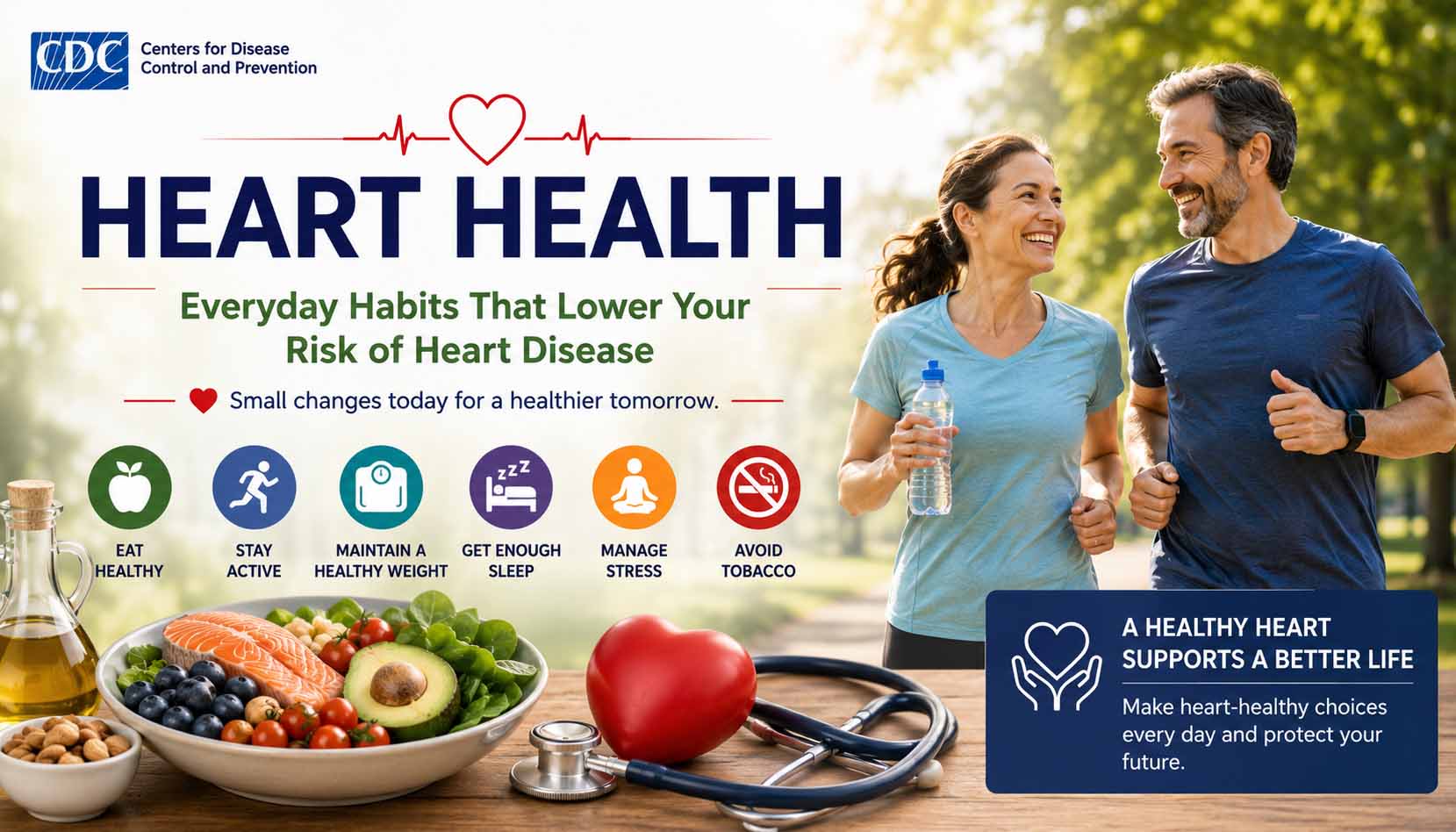
  • CDC Heart Health: Everyday Habits That Lower Your Risk of Heart Disease

    CDC Heart Health: Everyday Habits That Lower Your Risk of Heart Disease

    Meta Description: Discover expert-backed heart health tips based on CDC and AHA guidelines. Learn everyday habits for heart disease prevention, managing blood pressure, and lowering cholesterol.

    The human heart is an engineering marvel. Beating approximately 100,000 times a day, this vital muscle pumps roughly 2,000 gallons of blood through a vast, 60,000-mile network of blood vessels. It delivers life-sustaining oxygen and essential nutrients to every cell in your body. Yet, despite its resilience, the heart is deeply vulnerable to the cumulative effects of our daily choices.

    According to the U.S. Centers for Disease Control and Prevention (CDC) and the American Heart Association (AHA), cardiovascular disease remains the leading cause of death globally. In the United States alone, one person dies every 33 seconds from cardiovascular disease. These global health statistics are sobering, but they come with a powerful and empowering caveat: up to 80% of premature heart disease and strokes are entirely preventable.

    The key to preventive health lies in understanding your risks and making conscious, sustainable lifestyle changes. You do not need to overhaul your entire life overnight. Instead, building a healthy heart is about consistency. In this comprehensive guide, we will explore the core tenets of CDC heart health, break down the major risk factors, and provide actionable, everyday habits to help you lower your risk and embrace a vibrant, healthy lifestyle.
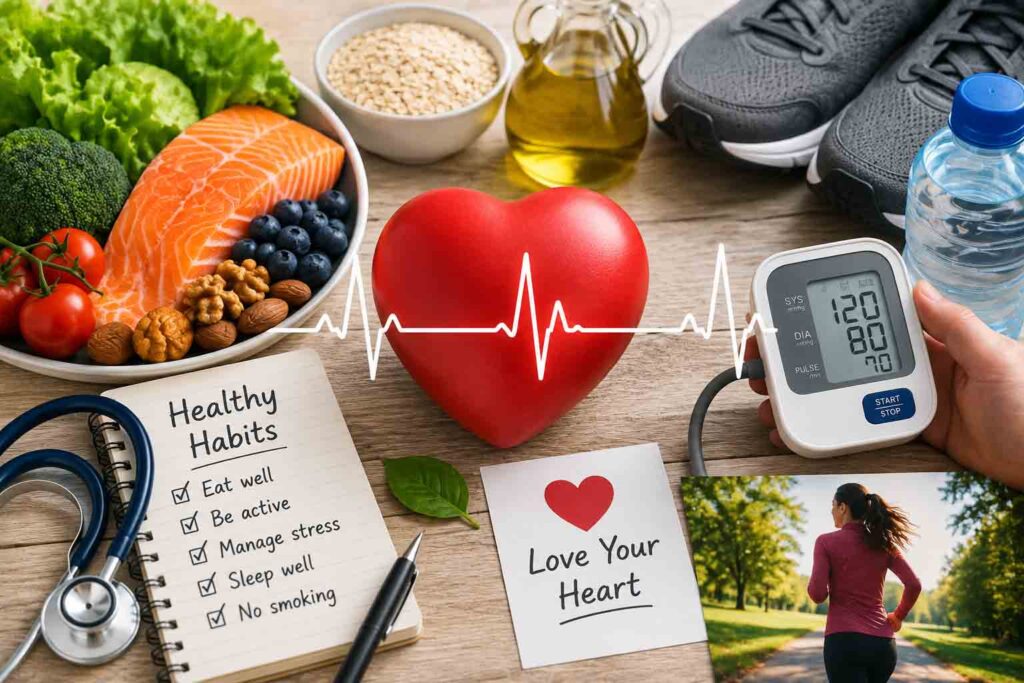
    Why Heart Health Matters

    When we talk about heart health, we are not just talking about extending your lifespan; we are talking about preserving your “healthspan”—the number of years you live free from debilitating disease and physical limitations.

    Your cardiovascular system is the central highway of your body. When your heart functions optimally, you have the energy to play with your children, the stamina to travel, and the physical capacity to maintain your independence as you age. Conversely, when cardiovascular health declines, it creates a domino effect. Poor blood circulation impairs cognitive function, damages the kidneys, reduces mobility, and significantly lowers your overall quality of life.

    Heart disease is often a silent progression. Conditions like high blood pressure and elevated cholesterol rarely show visible symptoms until they cause a catastrophic event, such as a heart attack or stroke. By prioritizing heart disease prevention today, you are investing in a future where you remain active, independent, and resilient.

    Major Risk Factors

    To protect your heart, you must first understand what threatens it. The CDC and AHA categorize cardiovascular risks into two groups: non-modifiable risks (like age, gender, and family genetics) and modifiable risks (lifestyle and environmental factors you can change). Focusing on the modifiable risk factors is the cornerstone of preventive health.

    High Blood Pressure (Hypertension)

    Often referred to as the “silent killer,” high blood pressure forces your heart to work overtime to pump blood through your body. Over time, this excessive force damages the delicate inner lining of your arteries, making them stiff and narrow. This condition, known as atherosclerosis, drastically increases the risk of a heart attack or stroke.

    High Cholesterol

    Cholesterol is a waxy substance your body needs to build cells, but too much of the wrong kind is dangerous. Low-density lipoprotein (LDL), or “bad” cholesterol, can build up as hard plaques in your artery walls. High-density lipoprotein (HDL), or “good” cholesterol, helps carry LDL away from the arteries. When LDL levels are high and HDL levels are low, the risk of arterial blockages skyrockets.

    Smoking

    Tobacco use is catastrophic for cardiovascular health. The chemicals in cigarette smoke damage blood vessels, lower your good cholesterol, and make your blood more likely to clot. Smoking also reduces the amount of oxygen your blood can carry, forcing your heart to beat faster and work harder.

    Diabetes

    People with diabetes are twice as likely to have heart disease or a stroke than those without it. Chronically high blood sugar levels damage blood vessels and the nerves that control your heart. Diabetes is also closely linked with other risk factors, including obesity and high blood pressure.

    Obesity

    Carrying excess body weight, particularly visceral fat around the abdomen, puts immense mechanical strain on the heart. Obesity is a driving force behind insulin resistance, systemic inflammation, high blood pressure, and abnormal cholesterol levels.

    Physical Inactivity

    The heart is a muscle, and like any muscle, it requires regular exercise to stay strong and efficient. A sedentary lifestyle weakens the heart, reduces blood flow, and contributes to weight gain and metabolic dysfunction.

    Unhealthy Diet

    Diets high in sodium, saturated fats, trans fats, and added sugars are the primary culprits behind poor cardiovascular health. High sodium intake directly spikes blood pressure, while unhealthy fats drive up LDL cholesterol levels.

    Chronic Stress

    While short-term stress is a normal biological response, chronic stress keeps your body flooded with cortisol and adrenaline. This constant state of “fight or flight” elevates your heart rate, spikes your blood pressure, and often leads to unhealthy coping mechanisms like overeating, smoking, or excessive alcohol consumption.
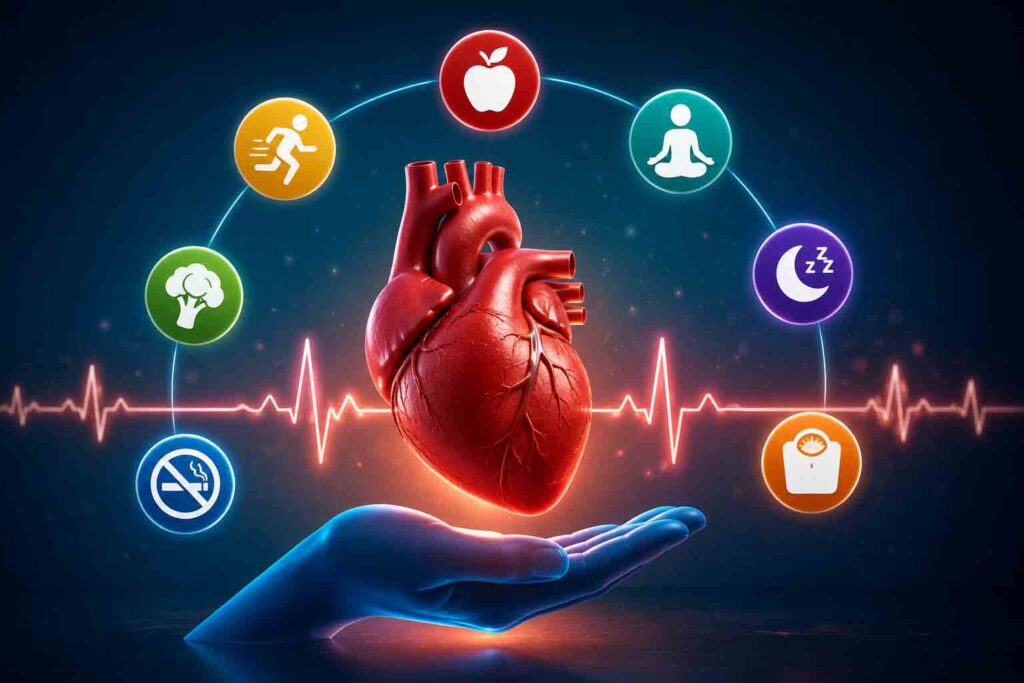
    Everyday Habits That Protect Your Heart

    Transforming your cardiovascular health does not require extreme diets or exhausting marathon training. According to CDC heart health guidelines, adopting simple, consistent daily habits is the most effective way to lower your risk of heart disease.

    Eat a Heart-Healthy Diet

    Healthy nutrition is your first line of defense. The AHA recommends dietary patterns like the Mediterranean Diet or the DASH (Dietary Approaches to Stop Hypertension) Diet.

    • Focus on Whole Foods: Fill half your plate with colorful fruits and vegetables. They are rich in fiber, potassium, and antioxidants that protect blood vessels.
    • Choose Lean Proteins: Opt for poultry, beans, legumes, and fish. Fatty fish like salmon and mackerel are high in Omega-3 fatty acids, which lower triglycerides and reduce inflammation.
    • Embrace Whole Grains: Swap refined white carbohydrates for oats, brown rice, quinoa, and 100% whole wheat to manage blood sugar and lower cholesterol.
    • Watch the Sodium: The CDC recommends consuming less than 2,300 milligrams of sodium per day (ideally closer to 1,500 mg for most adults). Read nutrition labels carefully, as up to 70% of sodium in the American diet comes from packaged and restaurant foods.

    Exercise Regularly

    Regular physical activity trains your heart to pump more blood with less effort. The AHA recommends at least 150 minutes of moderate-intensity aerobic exercise (such as brisk walking, swimming, or cycling) or 75 minutes of vigorous-intensity aerobic exercise (like running) every week. Additionally, incorporate muscle-strengthening activities at least two days a week. Resistance training improves your body’s ability to use insulin and regulates blood sugar, taking the pressure off your cardiovascular system.

    Maintain a Healthy Weight

    Losing just 5% to 10% of your body weight can result in significant improvements in blood pressure, blood cholesterol, and blood sugar. Instead of focusing on restrictive fad diets, focus on sustainable calorie control, portion management, and consistent physical activity.

    Get Enough Sleep

    Sleep is no longer considered a luxury; it is a biological necessity for a healthy heart. The AHA recently added sleep to its “Life’s Essential 8” checklist for cardiovascular health. Adults should aim for 7 to 9 hours of uninterrupted sleep per night. During deep sleep, your heart rate slows, and your blood pressure drops, giving your cardiovascular system a much-needed period of recovery and repair.

    Manage Stress

    You cannot eliminate stress from modern life, but you can change how your body responds to it. Incorporate stress-management techniques into your daily routine. Mindfulness meditation, deep breathing exercises, yoga, and spending time in nature are proven ways to lower cortisol levels, reduce resting heart rate, and stabilize blood pressure.

    Avoid Tobacco

    If you smoke, quitting is the single best thing you can do for your heart. The benefits are almost immediate. Within 20 minutes of quitting, your heart rate and blood pressure drop. Within a year, your risk of coronary heart disease is cut in half compared to a smoker’s. Avoid secondhand smoke as well, as it carries similar cardiovascular risks.

    Limit Alcohol

    Excessive alcohol consumption can raise blood pressure, increase triglycerides, and add empty calories that lead to weight gain. If you choose to drink, do so in moderation. The CDC defines moderation as up to one drink per day for women and up to two drinks per day for men.

    Stay Hydrated

    Proper hydration makes the heart’s job easier. When you are dehydrated, your blood volume decreases, causing your blood to become thicker. This forces your heart to pump harder to push blood through your vessels. Make water your primary beverage, aiming for a pale yellow urine color as an indicator of good hydration.

    Warning Signs You Should Never Ignore

    Even with the best preventive health measures, emergencies can happen. Knowing the warning signs of a heart attack can be the difference between life and death. The CDC urges everyone to recognize these symptoms and call emergency services (like 911 in the U.S.) immediately if they occur.

    • Chest Pain or Discomfort: Most heart attacks involve discomfort in the center or left side of the chest that lasts for more than a few minutes or goes away and comes back. It can feel like uncomfortable pressure, squeezing, fullness, or pain.
    • Shortness of Breath: This can occur with or without chest discomfort and often happens when you are resting or doing minimal physical activity.
    • Dizziness or Lightheadedness: Feeling faint, dizzy, or breaking out in a cold sweat are common warning signs.
    • Pain in the Arm, Jaw, or Back: Pain or discomfort can radiate to one or both arms, the back, neck, jaw, or stomach.
    • Unusual Fatigue: Profound, unexplained exhaustion, particularly in women, can be an early indicator of a heart attack, sometimes occurring days before the actual event.

    Note: Women may experience heart attacks differently than men. While chest pain is still the most common symptom, women are more likely to experience shortness of breath, nausea, vomiting, and back or jaw pain.

    Regular Health Screenings

    You cannot manage what you do not measure. Because the primary drivers of cardiovascular disease are “silent,” regular health screenings are the only way to truly know your risk. The AHA refers to this as “knowing your numbers.”

    Blood Pressure

    Blood pressure is measured using two numbers: systolic (the pressure when your heart beats) and diastolic (the pressure when your heart rests). A normal blood pressure reading is less than 120/80 mm Hg. Adults should have their blood pressure checked at least once a year, or more frequently if it is elevated.

    Cholesterol

    A fasting lipoprotein panel measures your total cholesterol, LDL (bad) cholesterol, HDL (good) cholesterol, and triglycerides. High LDL cholesterol forms dangerous plaques in your arteries. Healthy adults should have their cholesterol checked every 4 to 6 years starting at age 20, and more frequently after age 40 or if they have other risk factors.

    Blood Sugar

    High blood glucose levels indicate prediabetes or diabetes. A fasting blood sugar test or an A1C test (which measures your average blood sugar over the past 2 to 3 months) can identify insulin resistance early. The CDC recommends regular screening for diabetes starting at age 35, or earlier if you are overweight.

    Body Weight

    Checking your Body Mass Index (BMI) and measuring your waist circumference during annual checkups helps your doctor assess your risk for metabolic syndrome. A waist circumference of more than 40 inches for men and 35 inches for women indicates a higher risk of heart disease.

    Frequently Asked Questions

    1. What is a normal blood pressure reading? According to the CDC and AHA, a normal blood pressure reading is less than 120 systolic and less than 80 diastolic (120/80 mm Hg). Elevated blood pressure is a systolic reading between 120-129 and a diastolic reading less than 80. Hypertension (high blood pressure) begins at 130/80 mm Hg.

    2. Can I improve my heart health if I already have heart disease? Absolutely. Adopting a healthy lifestyle, participating in cardiac rehabilitation, taking prescribed medications, and working closely with your cardiologist can halt or even reverse the progression of cardiovascular disease and prevent future heart attacks.

    3. Are eggs bad for my cholesterol? For decades, dietary cholesterol was thought to heavily influence blood cholesterol. However, modern science shows that saturated fats and trans fats have a much greater impact on raising your blood cholesterol. For most healthy people, eating eggs in moderation is perfectly safe and can be part of a heart-healthy diet.

    4. How much exercise do I actually need to protect my heart? The American Heart Association recommends at least 150 minutes of moderate-intensity aerobic activity per week. You can break this down into 30 minutes a day, five days a week. Even light activities, such as brisk walking, gardening, or dancing, provide significant cardiovascular benefits.

    5. What is the best diet for a healthy heart? There is no single “magic” diet, but dietary patterns like the Mediterranean Diet and the DASH Diet are consistently ranked as the best for cardiovascular health. Both emphasize whole grains, fruits, vegetables, lean proteins, and healthy fats (like olive oil and nuts) while strictly limiting sodium, added sugars, and highly processed foods.

    Conclusion

    Heart disease may be the leading cause of death worldwide, but it does not have to be your destiny. The science of heart disease prevention is clear: your daily habits wield extraordinary power over your cardiovascular health.

    By actively monitoring your blood pressure and cholesterol, embracing a nutrient-dense diet, prioritizing daily movement, managing your stress, and getting adequate sleep, you build an internal environment where your heart can thrive. Remember, healthy aging and preventive health are lifelong journeys. You do not have to be perfect; you just need to be consistent. Start by making one small change today—whether it is taking a 15-minute walk after dinner, swapping a sugary soda for water, or scheduling that overdue doctor’s appointment. Your heart will thank you for years to come.

    Disclaimer: This article is intended for educational and informational purposes only and does not constitute medical advice, diagnosis, or treatment. Always consult with a qualified healthcare provider, cardiologist, or registered dietitian before making significant changes to your diet, exercise routine, or medical treatment plan.


    🌟 Add More Fun & Useful Information to Your Everyday Life

    🎵 Plus-1 (Shorts)
    https://www.youtube.com/@플러스-1/shorts

    🎼 DMC-6
    https://www.youtube.com/@DMC-6

    🚀 77-DMC
    https://www.youtube.com/@77-DMC

    🎧 PlusMusic KR
    https://www.youtube.com/@PlusMusic_KR

    🎵 TikTok
    https://www.tiktok.com/@leew2968292

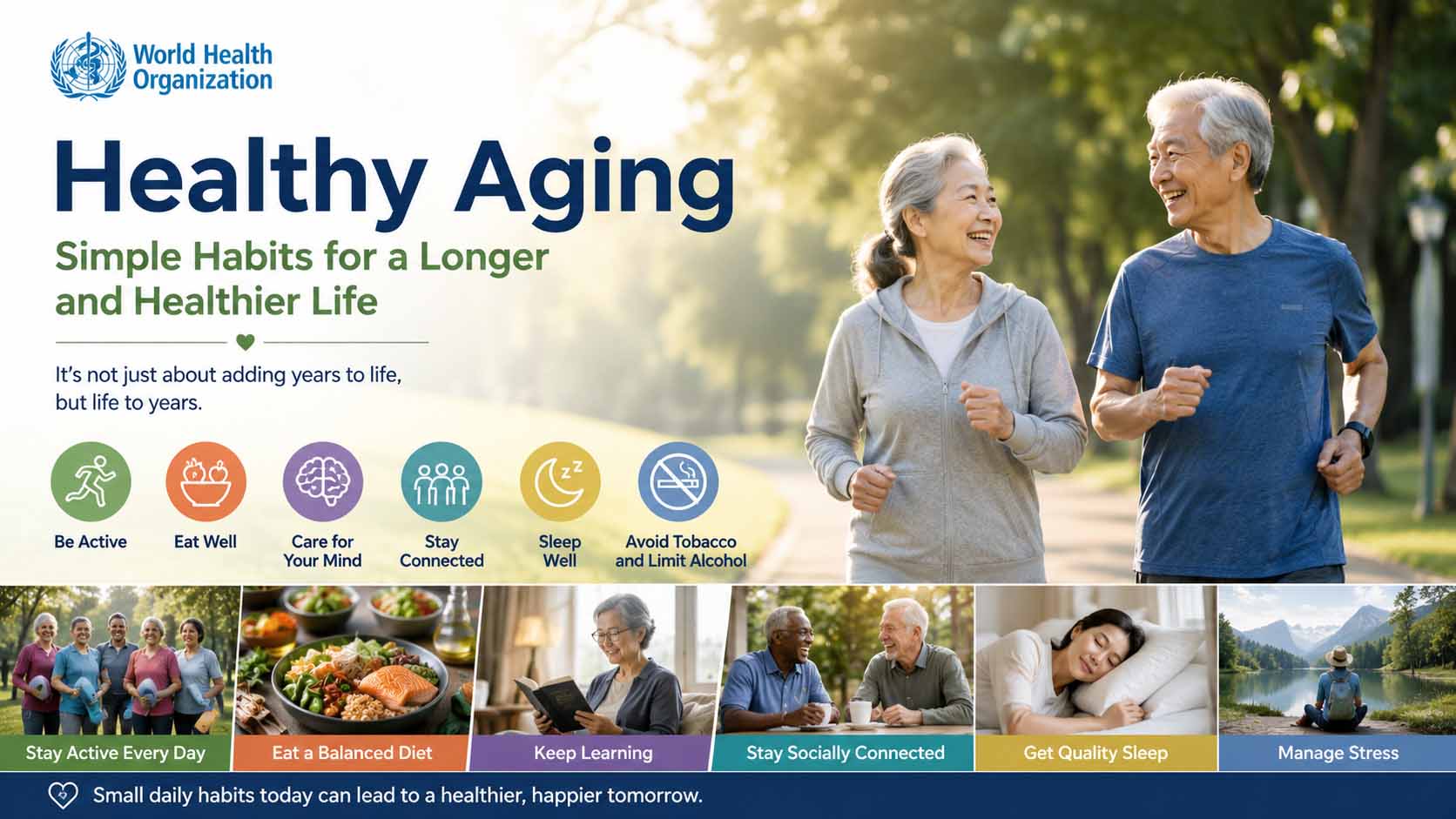
  • WHO Healthy Aging Guide: Simple Habits for a Longer Life

    WHO Healthy Aging Guide: Simple Habits for a Longer Life

    Meta Description: Discover the WHO healthy aging guidelines to enhance your longevity and wellness. Learn simple, evidence-based daily habits for a longer, more active life.

    The global population is experiencing a remarkable demographic shift. Thanks to advancements in modern medicine, public health initiatives, and improved living conditions, humans are living longer than ever before. However, this triumph of longevity brings a new, critical challenge: ensuring that our extended years are lived with vitality, purpose, and good health. It is no longer just about adding years to our lives; it is about adding life to our years.

    The World Health Organization (WHO) has declared the period from 2021 to 2030 the “Decade of Healthy Ageing,” emphasizing a global shift in how we approach getting older. Getting older should not be viewed as an inevitable decline into illness and dependency. Instead, with the right lifestyle choices and a focus on preventive health, we can actively shape how we age.

    In this comprehensive guide, we will explore the WHO’s framework for healthy aging, unpack the daily habits that promote longevity, and provide actionable, evidence-based strategies to help you maintain your physical and mental independence for decades to come.

    What Is Healthy Aging?

    When many people think of aging healthily, they imagine living completely free of disease. However, the World Health Organization offers a more realistic, empowering, and holistic definition.

    According to the WHO, healthy aging is “the process of developing and maintaining the functional ability that enables wellbeing in older age.”

    This definition is revolutionary because it shifts the focus away from merely counting medical diagnoses. You can have a chronic health condition—such as well-managed hypertension or arthritis—and still experience healthy aging, provided you maintain your “functional ability.”

    Functional ability means having the physical and mental capacity to do the things you value. It includes your ability to:

    • Meet your basic needs (getting dressed, cooking, managing finances).
    • Learn, grow, and make decisions.
    • Be mobile and navigate your environment.
    • Build and maintain relationships.
    • Contribute to society and your community.

    Healthy aging is about preserving your intrinsic capacity (your physical and mental reserves) and creating environments that support you as you age.

    Why Healthy Aging Is Important

    The pursuit of active aging is not just a personal goal; it is a global public health priority. Adopting a healthy lifestyle today yields profound benefits for your future self, your family, and society as a whole.

    Increasing Life Expectancy

    By 2030, one in six people in the world will be aged 60 years or over. As global life expectancy rises, the gap between “lifespan” (how long you live) and “healthspan” (how long you live in good health) becomes glaringly apparent. Embracing preventive health habits ensures that your healthspan closely matches your lifespan, saving you from spending your final decades in a state of frailty.

    Quality of Life

    Longevity without quality of life can be a heavy burden. Healthy aging allows you to continue engaging in hobbies, traveling, playing with grandchildren, and enjoying the simple pleasures of life without being constantly sidelined by pain, exhaustion, or illness.

    Maintaining Independence

    One of the greatest fears associated with growing older is losing independence and becoming a burden on loved ones. Preserving your physical strength, mobility, and cognitive function allows you to live safely in your own home for as long as possible, maintaining your autonomy and dignity.

    Preventing Chronic Diseases

    While genetics play a role, the vast majority of non-communicable diseases (NCDs)—such as heart disease, stroke, type 2 diabetes, and certain cancers—are heavily influenced by lifestyle. Adopting healthy habits significantly reduces your risk of developing these debilitating and costly conditions.

    Healthy Habits Recommended by WHO

    The foundation of healthy aging is built on daily, consistent choices. The WHO emphasizes that it is never too early, or too late, to adopt behaviors that support wellness and longevity.

    Regular Physical Activity

    The human body is designed to move. Physical inactivity is a leading risk factor for global mortality and a primary driver of functional decline. The WHO recommends that adults achieve at least 150 to 300 minutes of moderate-intensity aerobic physical activity (such as brisk walking, swimming, or cycling) per week.

    Additionally, adults should perform muscle-strengthening activities (like lifting weights, using resistance bands, or bodyweight exercises) on two or more days a week. Preserving muscle mass is critical for maintaining metabolism, supporting joints, and preventing frailty.

    Balanced Nutrition

    A healthy diet protects against malnutrition and non-communicable diseases. The WHO advises a diet rich in fruits, vegetables, legumes, nuts, and whole grains.

    To support healthy aging, nutrition should focus on:

    • Limiting free sugars: To less than 10% (ideally 5%) of total energy intake.
    • Reducing sodium: Consuming less than 5 grams of salt per day to prevent hypertension and protect cardiovascular health.
    • Choosing healthy fats: Replacing saturated and trans fats with unsaturated fats found in olive oil, avocados, and fatty fish.

    Quality Sleep

    Sleep is the body’s ultimate restorative process. During deep sleep, your brain clears out metabolic waste and your body repairs damaged cellular tissues. Chronic sleep deprivation accelerates biological aging, increases systemic inflammation, and elevates the risk of cognitive decline. Prioritize 7 to 8 hours of uninterrupted, high-quality sleep by maintaining a consistent bedtime, limiting caffeine in the afternoon, and keeping your bedroom cool and dark.

    Stress Management

    Chronic, unmanaged stress takes a severe physical toll on the body. Prolonged elevation of the stress hormone cortisol suppresses the immune system, increases blood pressure, and accelerates the shortening of telomeres (the protective caps on the ends of your chromosomes associated with aging). Incorporate daily stress-reduction techniques such as mindfulness meditation, deep breathing exercises, or spending time in nature.

    Staying Socially Connected

    The WHO recently highlighted social isolation and loneliness as a pressing global health threat, carrying health risks equivalent to smoking 15 cigarettes a day. Maintaining strong social connections lowers the risk of depression, boosts immune function, and provides a critical support network. Actively invest in friendships, participate in community groups, or volunteer to stay engaged.

    Avoiding Tobacco

    Tobacco use is a primary driver of preventable death globally. Smoking damages blood vessels, reduces lung capacity, and vastly increases the risk of cancer, cardiovascular disease, and respiratory illnesses. Quitting smoking at any age immediately begins to reverse vascular damage and adds healthy years to your life.

    Limiting Alcohol

    The WHO is clear that there is no “safe” level of alcohol consumption. Alcohol is a toxic, psychoactive, and dependence-producing substance. Heavy drinking accelerates brain atrophy, damages the liver, and increases the risk of various cancers. Limiting or entirely eliminating alcohol intake is a powerful step toward preventive health.

    Keeping Your Brain Healthy

    Cognitive decline is not an inevitable part of aging. The brain is incredibly plastic and can form new neural connections well into old age—provided you give it the right stimulus and environment.

    Lifelong Learning

    Just as your muscles need resistance to grow, your brain needs challenge to stay sharp. Lifelong learning builds “cognitive reserve,” which helps the brain compensate for age-related changes. Learn a new language, take up a complex musical instrument, read challenging literature, or engage in strategic games like chess. Novelty is the key to brain health.

    Physical Exercise

    What is good for the heart is good for the brain. Aerobic exercise increases blood flow, delivering oxygen and essential nutrients to brain tissue. Exercise also stimulates the release of Brain-Derived Neurotrophic Factor (BDNF), a protein that supports the survival of existing neurons and encourages the growth of new synapses.

    Social Interaction

    Engaging in conversation requires complex cognitive processing. You must listen, interpret facial expressions, retrieve vocabulary, and formulate responses in real-time. Frequent social interaction is one of the most effective ways to keep the brain agile and ward off dementia.

    Managing Blood Pressure and Diabetes

    The brain relies on a vast, delicate network of blood vessels. Chronic hypertension (high blood pressure) and uncontrolled diabetes damage these microvessels, leading to silent strokes and vascular dementia. Keeping your blood pressure, blood sugar, and cholesterol in check through diet, exercise, and medication is vital for protecting your cognitive function.

    Preventing Falls and Maintaining Mobility

    For older adults, a simple fall can be a catastrophic, life-altering event. Falls are a leading cause of fatal and non-fatal injuries, often resulting in hip fractures that permanently strip away independence. Maintaining mobility is a cornerstone of the WHO’s active aging strategy.

    Strength Training

    Sarcopenia—the age-related loss of muscle mass and strength—makes everyday tasks difficult and destabilizes the body. Engaging in regular strength training builds the muscular armor needed to support your skeletal structure, making you more resilient against trips and stumbles.

    Balance Exercises

    Balance relies on a complex interaction between your inner ear, your eyes, and the proprioceptive sensors in your joints. This system degrades without practice. Incorporate balance-specific exercises into your routine, such as Tai Chi, yoga, or simple daily habits like standing on one leg while brushing your teeth.

    Home Safety

    Many falls happen in the comfort of one’s own home due to environmental hazards. To age safely in place:

    • Remove loose throw rugs and electrical cords from walkways.
    • Ensure all rooms, stairwells, and hallways are brightly lit.
    • Install grab bars in the bathroom near the toilet and shower.
    • Wear supportive, non-slip footwear indoors.

    Vision and Hearing Checks

    Impaired vision limits your ability to see obstacles, while untreated hearing loss reduces your spatial awareness and balance. Schedule annual eye exams to check for cataracts, glaucoma, and macular degeneration, and undergo regular audiogram testing. Wearing prescribed glasses and hearing aids is a direct investment in fall prevention.

    Healthy Aging Starts Earlier Than You Think

    A common misconception is that healthy aging is something you only need to worry about once you turn 60. In reality, the WHO advocates for a “life-course approach” to aging. The health of your future self is actively being built by the choices you make today.

    In your 20s and 30s, you are building peak bone mass and establishing the metabolic set-points that will govern your midlife. In your 40s and 50s, unhealthy habits begin to compound, leading to the early stages of arterial plaque buildup, insulin resistance, and joint degradation.

    By adopting a healthy lifestyle early, you maximize your intrinsic capacity, giving yourself a much higher starting point from which to age. However, the human body is incredibly forgiving. Even if you adopt these WHO healthy aging habits in your 60s or 70s, you can still significantly improve your functional ability, reduce medication dependency, and enhance your quality of life.

    Frequently Asked Questions

    1. What is the WHO definition of healthy aging? The WHO defines healthy aging as the process of developing and maintaining the functional ability that enables wellbeing in older age. It focuses on what a person can do and their quality of life, rather than just the absence of disease.

    2. How much exercise is needed for active aging? The WHO recommends that adults engage in at least 150 to 300 minutes of moderate-intensity aerobic activity per week, plus muscle-strengthening activities on at least two days a week. For older adults, adding multicomponent physical activity that emphasizes functional balance is highly recommended.

    3. Does diet really affect how quickly we age? Yes. A diet high in ultra-processed foods, sugar, and unhealthy fats accelerates cellular aging by driving systemic inflammation and oxidative stress. A balanced diet rich in whole foods, antioxidants, and healthy fats protects your cells, supports brain health, and prevents chronic disease.

    4. How does social connection impact longevity? Social isolation causes chronic stress, which elevates cortisol levels, increases blood pressure, and suppresses the immune system. Strong social connections buffer stress, provide emotional support, and are consistently linked to longer, healthier lifespans.

    5. Is it too late to start healthy habits if I am already over 65? It is never too late. Research shows that older adults who adopt healthy habits—such as quitting smoking, starting an exercise program, or improving their diet—can rapidly improve their cardiovascular health, boost their mood, and increase their functional mobility.

    Conclusion

    Healthy aging is not a genetic lottery or a stroke of luck; it is a proactive, lifelong journey. The World Health Organization’s guidelines remind us that growing older does not have to mean a loss of independence or a decline in wellbeing. By prioritizing regular physical activity, balanced nutrition, quality sleep, and social connection, we can actively protect our intrinsic capacity.

    Whether you are in your 30s building your foundational health or in your 70s looking to preserve your mobility, the daily choices you make hold tremendous power. Start small, build sustainable healthy habits, and take control of your preventive health today. By doing so, you are not just adding years to your life—you are ensuring those years are vibrant, active, and deeply fulfilling.

    Disclaimer: This article is for educational and informational purposes only and does not constitute medical advice. The content is based on general public health guidelines provided by the World Health Organization. Always consult with a qualified healthcare provider before making significant changes to your diet, exercise routine, or lifestyle, especially if you have existing health conditions.

    🌟 Add More Fun & Useful Information to Your Everyday Life

    🎵 Plus-1 (Shorts)
    https://www.youtube.com/@플러스-1/shorts

    🎼 DMC-6
    https://www.youtube.com/@DMC-6

    🚀 77-DMC
    https://www.youtube.com/@77-DMC

    🎧 PlusMusic KR
    https://www.youtube.com/@PlusMusic_KR

    🎵 TikTok
    https://www.tiktok.com/@leew2968292