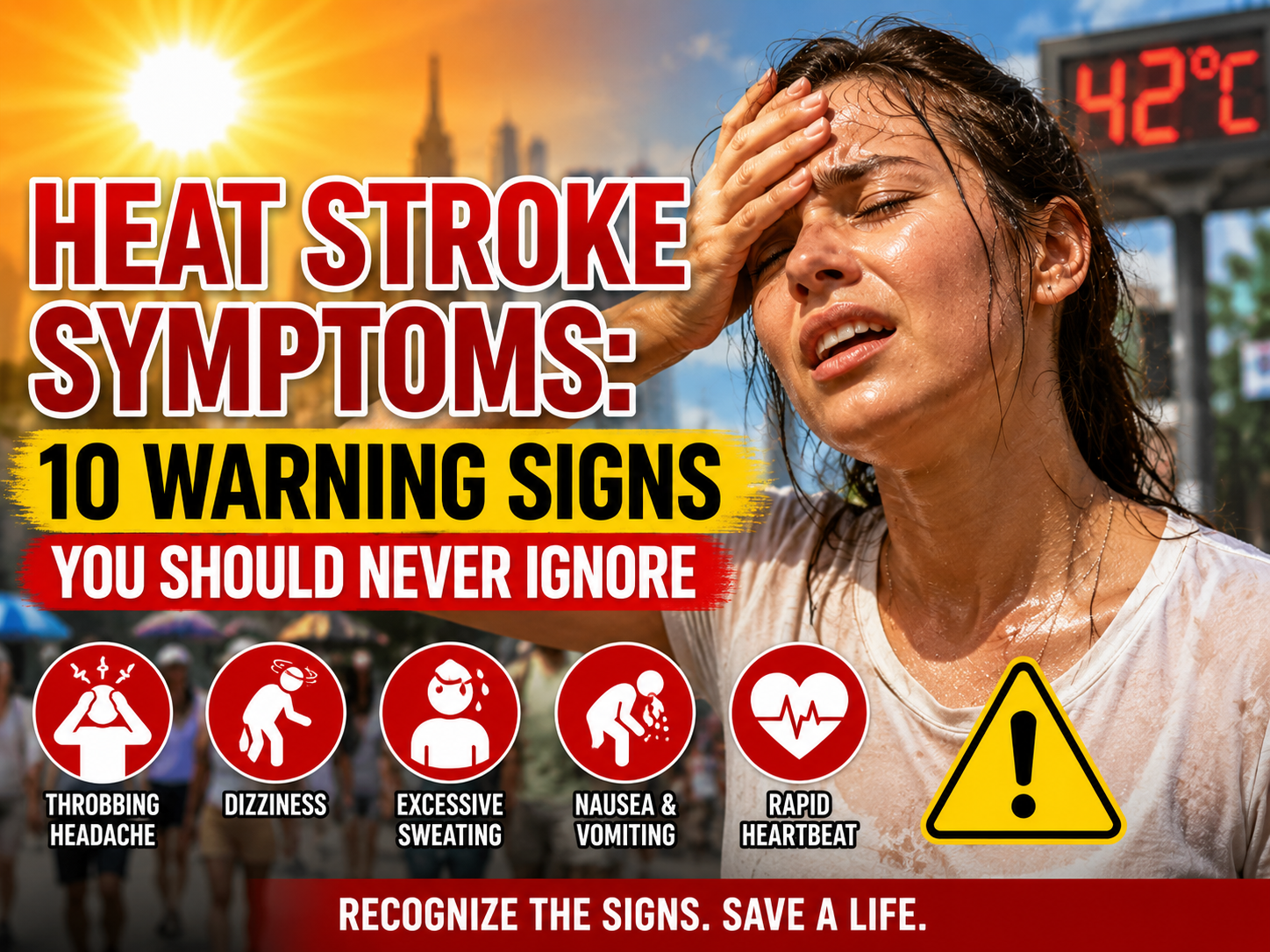
Recognizing early heat stroke symptoms is absolutely crucial to staying safe and preventing serious health issues during extreme summer temperatures.
Meta Description: Discover the critical 10 warning signs of heat stroke that you should never ignore. This comprehensive guide provides expert field safety protocols, real-world prevention strategies for outdoor crews, and life-saving medical insights for navigating extreme heat environments.
The physical toll of extreme heat is one of the most critical challenges modern professionals and outdoor enthusiasts face today. As global temperatures continue to break historical records, recognizing the definitive signs of heat-related illnesses is no longer just basic medical knowledge; it is an essential survival skill. Heat stroke, the most severe form of hyperthermia, is a life-threatening medical emergency that demands immediate, aggressive intervention to prevent irreversible organ damage or fatality.
Critical Heat Stroke Symptoms You Should Watch For
When the human body is pushed beyond its physiological limits, the internal cooling system entirely collapses. This guide is designed to provide highly detailed, practical information on identifying heat stroke symptoms before they become fatal. We will explore not only the clinical signs but also how these symptoms manifest in high-stress outdoor environments, such as active construction sites or intense media production sets.
It is generally known that recognizing the subtle transition from simple heat exhaustion to full-blown heat stroke can save a life in a matter of minutes. Through this comprehensive manual, you will thoroughly understand the top 10 warning signs of heat stroke, the underlying physiological mechanisms, and the expert-level protocols required to protect your team and yourself in the field.
Understanding the Severity of Heat Stroke in High-Stress Environments
Heat stroke occurs when the body’s core temperature rises above 104°F (40°C), leading to central nervous system dysfunction and potential multi-organ failure. Unlike a standard fever caused by an infection, heat stroke is induced by extreme environmental conditions and strenuous physical activity. When the surrounding air temperature exceeds body temperature, the only way the body can cool itself is through the evaporation of sweat.
However, in environments with high humidity, this evaporative cooling process completely shuts down. In actual production environments, crews working outdoors in heavy gear often fail to realize that their bodies have stopped regulating heat. The rapid escalation from mild discomfort to a life-threatening crisis is what makes heat stroke so incredibly dangerous.
Many experts emphasize that the initial signs are often masked by the sheer adrenaline of the job. Whether you are an athlete, a construction worker, or a camera operator filming a documentary in the desert, understanding how the environment actively works against your body’s cooling mechanisms is the first step in comprehensive prevention.
The Physiological Collapse and Central Nervous System Failure
The defining characteristic of heat stroke, separating it from milder heat illnesses, is the profound impact on the brain and central nervous system. When the core temperature crosses the critical threshold, the proteins and cellular structures within the brain begin to denature. This leads to immediate cognitive impairment, which is often the earliest red flag visible to bystanders.
A common beginner mistake is assuming that a person suffering from heat illness will simply complain about being hot. In reality, as the central nervous system begins to fail, the victim often loses the capacity to accurately perceive their own body temperature. They might become argumentative, highly confused, or even insist that they are feeling perfectly fine despite exhibiting obvious physical distress.
An expert know-how utilized by field medics is to ask the suspected victim a series of basic cognitive questions, such as “What day is it?” or “What were we just working on?” If the person struggles to answer or exhibits slurred speech, it must be treated as an immediate neurological emergency, requiring rapid cooling protocols before emergency services arrive.
Transitioning from Heat Exhaustion to a Medical Emergency
Understanding the boundary between heat exhaustion and heat stroke is crucial for field safety. Heat exhaustion is characterized by heavy sweating, weakness, and a rapid pulse, as the body frantically tries to shed excess heat. If a worker exhibiting these signs is not immediately removed from the hot environment and hydrated, their condition will aggressively escalate into heat stroke.
In a real filming case during an outdoor documentary shoot in a tropical climate, a camera operator ignored the signs of heat exhaustion, attributing his extreme fatigue to the heavy cinema camera rig. Within thirty minutes, he collapsed. The production team had to halt all operations and apply ice packs directly to his neck and groin to stabilize his core temperature while waiting for the ambulance.
A highly practical tip for preventing this transition is the strict implementation of a “buddy system.” Because the victim is often the last person to realize their cognitive decline, colleagues must actively monitor each other. If you notice a team member who was previously sweating profusely suddenly stop sweating and develop dry, flushed skin, you must initiate emergency response procedures immediately.
AI Utilization and Environmental Monitoring in Field Work
The latest trend in managing extreme heat on large-scale outdoor projects involves the integration of advanced technology. Environmental monitoring has evolved far beyond simple thermometers. Today, AI-driven weather tracking applications provide hyper-local, real-time data on the wet-bulb globe temperature (WBGT), which factors in heat, humidity, wind, and solar radiation to accurately assess human heat stress.
When facing problem-solving during production in extreme climates, technical directors now rely on wearable biometric sensors linked to an AI dashboard. These devices track the heart rate, skin temperature, and exertion levels of key personnel. If a crew member’s biometric data indicates an impending thermal crisis, the AI system immediately alerts the safety officer to pull that individual off the set.
It may vary depending on the situation, but the integration of these AI tools allows production managers to dynamically adjust shooting schedules based on real-time microclimate predictions. This ensures that the most physically demanding tasks are executed only during the safest thermal windows, drastically reducing the overall risk of heat-related emergencies.
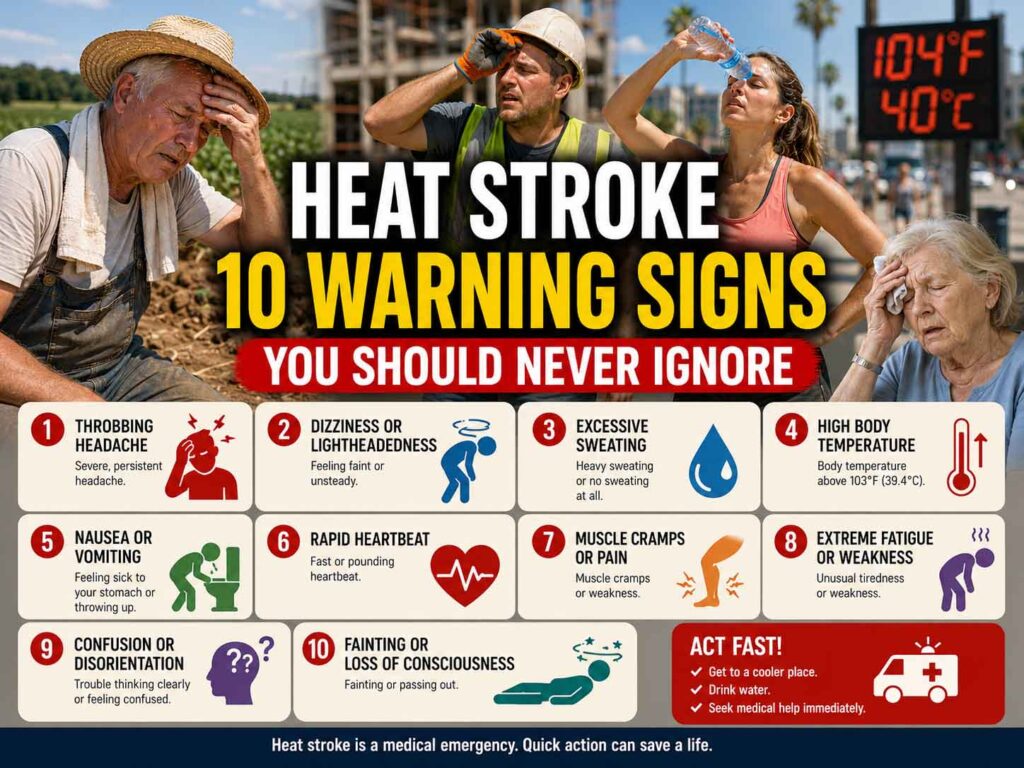
The First 5 Warning Signs of Heat Stroke: Neurological and Physical Red Flags
Identifying the symptoms of heat stroke requires a keen eye and an understanding of human physiology under extreme stress. The initial warning signs are often deeply neurological, reflecting the brain’s struggle to cope with the boiling internal environment. Ignoring these signs can lead to permanent brain damage or death within an hour.
It is absolutely vital to understand that heat stroke does not always look like the dramatic collapses seen in movies. It can present as a quiet, confusing deterioration of a person’s mental and physical state. Being able to spot these first five signs is the ultimate defense mechanism for anyone operating in extreme summer heat.
The following symptoms represent the immediate red flags that dictate a shift from standard first aid to a 911 medical emergency. Any individual exhibiting these signs must be actively cooled while awaiting professional medical transport.
1. Altered Mental State and Severe Confusion
The absolute hallmark of heat stroke is an altered mental state. When the brain overheats, neurotransmitter function is severely disrupted. This manifests as profound confusion, delirium, extreme irritability, or entirely irrational behavior. The person may seem intoxicated, stumbling, or completely disconnected from their surroundings.
A common beginner mistake in field management is dismissing a worker’s sudden irritability or combativeness as simply being “stressed out by the heat.” In reality, aggression and irrationality are primary clinical indicators that the brain is literally cooking. Arguing with the victim is useless; they are experiencing a severe neurological crisis.
Expert know-how dictates that if a crew member suddenly forgets how to operate familiar equipment—like a veteran grip forgetting how to set up a standard light stand—you must intervene. A practical tip is to immediately move them to an air-conditioned space and physically assess their temperature, as cognitive failure is the most reliable early warning sign of impending systemic collapse.
2. Lack of Sweating (Anhidrosis) or Dry, Hot Skin
Sweating is the body’s primary cooling mechanism. In classic, environmentally-induced heat stroke (often seen in the elderly), the body eventually runs out of water or the thermoregulatory center completely fails, causing sweating to stop entirely. The skin becomes alarmingly hot, dry, and red.
However, in exertional heat stroke (common among athletes and outdoor crews), the person may still have moist skin from previous exertion, but the active production of sweat has ceased. A real filming case involved an action actor performing a strenuous chase scene in high humidity; despite his shirt being soaked, the medical officer noticed his face was completely dry and radiating intense heat.
A crucial practical tip is to never assume someone is safe just because their clothes are wet. You must check for active sweat production on the face and arms. If the skin feels like a dry furnace, the body’s internal cooling system has suffered a catastrophic failure, and external cooling (like an ice bath) must replace the biological sweating process instantly.
3. Dangerously High Core Body Temperature
A core body temperature reaching or exceeding 104°F (40°C) is the primary clinical definition of heat stroke. At this temperature, cellular damage begins to occur at a rapid pace. It is important to note that skin temperature is not an accurate reflection of core temperature; a person can feel relatively warm on the outside while their internal organs are at a critical limit.
Some studies suggest that for every minute a patient’s core temperature remains above 104°F, the mortality rate increases significantly. In actual production environments, safety officers are now equipped with advanced tympanic (ear) or temporal thermometers to get a closer estimation of core heat, though rectal thermometers remain the clinical gold standard in emergency rooms.
A beginner mistake is relying on cheap, surface-level forehead scanners in direct sunlight, which often provide wildly inaccurate, falsely low readings due to the wind or sweat. Expert know-how requires taking the individual into a shaded, climate-controlled area before attempting to measure their temperature to ensure the reading reflects their actual physiological state.
4. Throbbing, Severe Headache
A sudden, intensely throbbing headache is a severe warning sign that the blood vessels in the brain are dilating to an extreme degree in a desperate attempt to release heat. This is often described by victims as one of the most painful headaches they have ever experienced, frequently accompanied by a feeling of immense pressure behind the eyes.
When a field worker complains of a splitting headache out of nowhere, it must be treated as a red flag for heat stroke. A highly practical tip is to have the person sit down in the shade immediately and offer them an electrolyte-rich fluid. If the headache is accompanied by any visual disturbances, such as blurred vision or seeing spots, emergency protocols must be triggered.
During a reality show production in a desert environment, a sound mixer complained of a throbbing headache but tried to push through the scene. The expert audio supervisor immediately halted the recording, recognizing the symptom. By forcing the mixer to rest in an air-conditioned production van, they prevented a full-scale medical emergency that would have otherwise shut down the entire shoot.
5. Nausea, Vomiting, and Gastrointestinal Distress
As the body prioritizes sending blood to the skin for cooling, it severely restricts blood flow to the digestive system. This sudden ischemia (lack of blood supply) to the stomach and intestines causes profound nausea, severe stomach cramps, and active vomiting.
Vomiting is particularly dangerous during a heat emergency because it rapidly accelerates dehydration and the loss of critical electrolytes, creating a vicious, downward cycle. A common beginner mistake is trying to force a vomiting victim to chug large amounts of water. This will only irritate the stomach lining further and induce more vomiting.
Expert know-how dictates that if a suspected heat stroke victim is vomiting, they must be rolled onto their side into the recovery position to prevent them from inhaling their own vomit (aspiration), especially if their mental state is altered. Fluids should only be administered intravenously by paramedics at this stage, as oral hydration is no longer safe or effective.
The Next 5 Warning Signs: Cardiovascular and Systemic Failures
Once heat stroke has firmly taken hold of the body, the symptoms move beyond the brain and digestive system, directly impacting the cardiovascular and respiratory systems. The heart and lungs are forced to work at absolute maximum capacity to compensate for the massive physiological stress, leading to highly visible physical distress.
Recognizing these systemic failures is critical, especially in remote outdoor locations where emergency medical services may take time to arrive. These signs indicate that the body is in a state of profound shock. Field personnel must maintain a calm, methodical approach to stabilize the victim while continuously monitoring these cardiovascular indicators.
Platform differences play a role when reporting these incidents; while internal production safety reports require detailed biometric data, public-facing news on extreme weather often focuses on the visible severity of these systemic collapses to educate the masses. Let us examine the final five critical warning signs.
6. Rapid, Racing Heart Rate (Tachycardia)
To dissipate heat, the heart must pump massive amounts of blood to the dilated blood vessels near the skin. This places an extraordinary burden on the cardiovascular system. In a heat stroke scenario, a victim’s heart rate can easily skyrocket to 130 to 160 beats per minute, even while they are resting completely still in the shade.
A practical tip for field workers is to know how to take a manual radial pulse (at the wrist). If a colleague’s pulse feels incredibly fast and unusually strong (bounding), it means their heart is working in overdrive to prevent systemic collapse. If the pulse suddenly becomes fast but very weak and thready, the cardiovascular system is beginning to fail entirely.
In an actual real-world application, athletes training in extreme heat are monitored continuously for heart rate recovery. If their heart rate fails to drop significantly after five minutes of resting in the shade, it is a glaring indicator of severe heat stress. This expert know-how is easily translated to outdoor film sets, where crew members carrying heavy gear should be subjected to the same heart rate recovery checks during mandatory breaks.
7. Rapid and Shallow Breathing (Hyperventilation)
Alongside a racing heart, a heat stroke victim will often exhibit rapid, shallow breathing. The body attempts to exhale heat directly through the lungs, a process similar to how a dog pants. This hyperventilation further depletes the body of carbon dioxide, which can lead to tingling in the extremities and exacerbate feelings of dizziness and panic.
A common beginner mistake is instructing the victim to breathe into a paper bag to stop the hyperventilation. In a heat stroke scenario, this is highly dangerous, as it restricts their oxygen intake when their organs are already under massive metabolic stress. Instead, expert know-how requires moving the victim into the coolest available environment and speaking to them in a calm, soothing voice to help them manually regulate their breathing rate.
During a highly demanding outdoor broadcast, a camera operator began hyperventilating due to the extreme heat reflecting off the concrete. The production safety team immediately applied cold, wet towels to his chest and back while coaching his breathing. This rapid problem-solving during production stabilized his oxygen levels and prevented a full loss of consciousness.
8. Flushed, Extremely Red Skin
As the body attempts to dump heat, it opens up all the capillaries just beneath the surface of the skin, a process called vasodilation. This turns the skin a very bright, flushed red. In lighter-skinned individuals, this is immediately apparent. In darker-skinned individuals, the flushing can often be observed on the palms of the hands, the soles of the feet, or the inside of the lips.
It may vary depending on the situation, but this redness is often one of the first visual cues that an individual is in danger. A practical tip is to press your finger firmly into the red skin for a second and release it. If the skin turns white (blanches) and takes a long time to return to red, it indicates severe dehydration and compromised capillary refill.
Real filming cases often involve lighting technicians working close to hot, high-intensity lamps. The combination of ambient summer heat and equipment radiation can cause severe skin flushing. Expert crews utilize reflective heat shields and mandate the wearing of breathable, light-colored, long-sleeved clothing to mitigate direct thermal radiation and prevent this massive vasodilation.
9. Muscle Weakness, Cramps, and Loss of Motor Control
While heat cramps are often an early sign of heat exhaustion, profound muscle weakness and a total loss of fine motor control are serious indicators of heat stroke. As electrolytes like sodium and potassium are completely depleted, the electrical signals that command the muscles begin to misfire.
The victim may find themselves completely unable to stand up, or their hands may cramp into claw-like shapes (carpopedal spasms). A common beginner mistake is aggressively massaging the cramped muscles. This can actually cause severe tissue damage when the muscles are in an extreme state of chemical imbalance.
Expert know-how dictates that stretching must be entirely passive and gentle. In actual production environments, if a grip or rigger suddenly loses the hand strength required to safely secure a piece of heavy equipment, they must be relieved of duty immediately. The loss of motor control in a hazardous work environment is a recipe for catastrophic secondary accidents.
10. Fainting, Syncope, or Seizures
The most dramatic and terrifying sign of heat stroke is a complete loss of consciousness or the onset of thermal seizures. Syncope (fainting) occurs when the dilated blood vessels cause a sudden drop in blood pressure, depriving the brain of oxygen. Seizures occur because the brain tissue is actively misfiring due to the extreme thermal and chemical stress.
If a person collapses or begins seizing, it is an absolute, undeniable, life-or-death emergency. A practical tip is to clear the area of any sharp objects or hazards to prevent the seizing victim from injuring themselves. Never place anything in a seizing person’s mouth.
The choice depends on the purpose of your safety protocol, but universally, the immediate action must be aggressive, whole-body cooling. Medical professionals state that survival rates plummet if the core temperature is not drastically reduced within the first thirty minutes of a heat-induced collapse. Emergency responders must be called the very second an individual loses consciousness in a high-heat environment.
Immediate Action Protocols and Problem Solving During Field Work
Recognizing the 10 warning signs is only half the battle; knowing exactly how to execute a rapid response is what saves lives. When heat stroke is identified, every single second counts. The objective is to rapidly lower the victim’s core body temperature while waiting for professional medical assistance.
Standard first aid protocols often fall short when dealing with the sheer intensity of heat stroke. Field crews must be trained in aggressive cooling techniques. This requires having the right equipment on standby and a clear chain of command to execute the emergency action plan without hesitation.
In actual production environments, the safety officer must take immediate charge. The workflow of the entire set must stop, and all available resources must be redirected to stabilizing the victim. Here is the expert-level protocol for handling a heat stroke emergency in the field.
Rapid External Cooling Techniques (The Ice Bath Protocol)
The gold standard for treating exertional heat stroke in the field is cold water immersion. If a large tub or a specialized medical cooling tarp is available, the victim should be submerged in ice water up to their neck. This rapidly conducts heat away from the body’s core.
If a tub is not available, which is often the case in remote locations, expert know-how dictates the use of the “tarp-assisted cooling” method. The victim is placed on a waterproof tarp, and crew members lift the corners to create a makeshift hammock while pouring coolers of ice water over the victim’s torso.
A common beginner mistake is worrying about causing hypothermia and therefore using lukewarm water. In a heat stroke crisis, the fire inside the body is so intense that ice water is absolutely necessary. You must cool the victim aggressively until their core temperature drops below 102°F (38.9°C), or until they begin to shiver, at which point the cooling should be scaled back to prevent an overshoot.
Strategic Placement of Ice Packs and Evaporative Cooling
If total water immersion is impossible, the next best problem-solving method is the strategic placement of chemical ice packs or wet, frozen towels. These must be placed directly over the areas where major arteries run close to the skin’s surface: the neck, the armpits, and the groin.
Simultaneously, you must maximize evaporative cooling. Strip the victim of all heavy gear, vests, and unnecessary clothing. Spray their exposed skin continuously with cool water while aiming multiple high-velocity fans directly at them. The rapid evaporation of the water acts as artificial sweat, pulling heat away from the skin.
In a real filming case taking place in a dense urban environment, a crew member suffered heat stroke on a concrete rooftop. The team had no ice bath, but they utilized the set’s high-powered wind machines (usually used for special effects) and sprayed the victim with drinking water from a cooler. This rapid improvisation successfully stabilized the victim’s temperature until the paramedics navigated the city traffic.
Managing the Airway and Communicating with Emergency Services
While cooling is the primary physical intervention, maintaining the victim’s airway is paramount, especially if they are unconscious or seizing. As mentioned previously, place the unconscious victim in the lateral recumbent (recovery) position on their left side. This prevents the tongue from blocking the airway and allows any vomit to drain safely out of the mouth.
When communicating with emergency services, a highly practical tip is to explicitly use the term “suspected heat stroke” rather than “heat exhaustion” or “overheating.” This specific terminology immediately escalates the priority level of the dispatch and allows the incoming paramedics to prepare intravenous chilled saline solutions en route.
Assign one specific crew member to stand at the entrance of the location or on the main road to physically guide the ambulance to the exact spot on the set. Time lost trying to find the victim in a sprawling outdoor location can be fatal.
Utilizing Latest Trends and Technologies for Heat Stroke Prevention
The modern approach to field safety has shifted from reactive treatment to highly proactive prevention, driven largely by technological advancements. Preventing heat stroke requires manipulating the work environment and optimizing the physical resilience of the team before the temperature ever reaches a critical level.
By integrating the latest trends in wearable tech and AI, productions and outdoor operations can create a highly controlled safety net. Understanding how to leverage these tools is what separates amateur setups from world-class, professional organizations.
It is generally known that the upfront investment in heat safety technology pays for itself by preventing costly medical evacuations, halted productions, and most importantly, the loss of human life.
Wearable Biometric Trackers and Smart Fabrics
The deployment of wearable biometric trackers has revolutionized field safety. Devices worn on the upper arm or chest continuously monitor a worker’s physiological strain index (PSI). These devices track subtle changes in heart rate variability and estimated core temperature, transmitting this data via Bluetooth to a central iPad monitored by the safety officer.
Additionally, the use of smart fabrics and active cooling gear is a major trend. Phase-change material (PCM) cooling vests maintain a steady 58°F (14°C) against the body for hours, drastically reducing thermal strain without shocking the system with freezing temperatures.
Many experts mandate the use of these vests for camera operators who must carry heavy, heat-generating equipment on their shoulders for extended periods. When the vest’s cooling elements melt, they are simply swapped out for fresh ones from a designated on-set icebox, ensuring continuous thermal protection throughout the shooting day.
AI-Driven Scheduling and Microclimate Forecasting
As mentioned, AI plays a massive role in modern scheduling. High-end productions utilize AI software that analyzes hyper-local weather forecasts, topographical data, and the specific physical demands of the daily call sheet to generate an optimized shooting schedule.
If the AI predicts a severe spike in the wet-bulb temperature at 2:00 PM, the software automatically reschedules the physically intense action sequences or heavy rigging tasks to the early morning hours, reserving the peak heat hours for indoor, air-conditioned work or mandatory rest periods.
This level of problem-solving during production eliminates the human error of a director trying to “push through” a dangerous heat wave to get a shot. By relying on objective, AI-driven data, the production guarantees the safety of the crew while maintaining maximum operational efficiency.
Expert Survival and Field Reporting Checklist
To ensure absolute safety in extreme heat environments, professional teams must strictly adhere to a standardized safety protocol. Below is the essential checklist utilized by expert field managers and production safety officers.
□ Verify Mandatory Hydration Stations: Ensure coolers with ice water and electrolyte solutions are placed within 50 feet of all active working zones.
□ Establish Active Cooling Zones: Set up dedicated, heavily shaded tents equipped with high-velocity fans, portable AC units, and seating.
□ Confirm Emergency Medical Gear: Verify the presence and readiness of an ice bath tub, chemical cold packs, and a temporal thermometer on site.
□ Implement the Buddy System: Assign every crew member a specific partner to monitor for neurological signs of heat stress (confusion, irritability).
□ Monitor AI Weather Dashboards: Check the wet-bulb globe temperature (WBGT) hourly and enforce mandatory work-rest ratios when limits are exceeded.
□ Pre-Cooling Protocols: Mandate that workers consume an ice slurry drink (crushed ice and sports drink) 30 minutes before engaging in heavy physical labor.
□ Briefing on the 10 Warning Signs: Conduct a mandatory morning safety briefing detailing the specific symptoms of heat stroke and the immediate ice-cooling response plan.
Conclusion
Heat stroke is a devastating, highly lethal medical emergency that strikes when the body’s natural cooling mechanisms are completely overwhelmed by extreme environmental stress. By recognizing the 10 critical warning signs—ranging from altered mental states and a lack of sweating to a racing heart and complete loss of motor control—you are equipped to intervene before irreversible damage occurs.
In high-stakes outdoor environments, such as construction sites and media production sets, relying on modern technology, AI environmental monitoring, and aggressive field cooling protocols is non-negotiable. Memorize these symptoms, strictly enforce the safety checklists, and always prioritize proactive cooling and hydration. The ability to spot the subtle onset of heat stroke and execute a rapid, clinical response is the ultimate safeguard against the escalating threats of a warming world.
FAQ
Q1. What is the absolute first sign of heat stroke I should look for?
The most critical early warning sign is an altered mental state. If a person suddenly becomes highly confused, unusually irritable, irrational, or begins slurring their speech in a hot environment, you must assume they are entering a heat stroke crisis.
Q2. Can a person have heat stroke even if they are still sweating?
Yes. Exertional heat stroke, common in outdoor workers and athletes, can occur while the skin is still damp from earlier exertion. If their core temperature is dangerously high and their mental state is altered, it is heat stroke, regardless of whether there is still sweat on their skin.
Q3. Why shouldn’t I give a heat stroke victim water to drink?
If a person is suffering from severe heat stroke, their mental state is usually compromised, and their digestive system has essentially shut down. Giving them fluids orally poses a massive risk of choking, vomiting, and aspiration (inhaling fluid into the lungs). Hydration must be done intravenously by medical professionals.
Q4. How fast does an ice bath lower the core body temperature?
Cold water immersion is highly effective and can lower a patient’s core body temperature by approximately 0.35°F to 0.4°F per minute. The goal is to rapidly drop the core temperature below 102°F within the first 15 to 30 minutes of collapse.
Q5. What is the difference between heat exhaustion and heat stroke?
Heat exhaustion involves heavy sweating, weakness, and a normal or slightly elevated body temperature, where the person remains mentally coherent. Heat stroke is a total failure of the cooling system, marked by a core temperature above 104°F, a complete change in mental status, and often dry, flushed skin.
Q6. Is it safe to use a standard fan to cool someone with heat stroke?
A fan alone is entirely insufficient for treating heat stroke. Fans only work well if the person’s skin is wet and the ambient air is cooler than their body. You must combine the fan with active water spraying to create artificial evaporative cooling, alongside placing ice packs on major arteries.
Q7. Can certain medications increase the risk of heat stroke?
Yes. Medications such as antihistamines, diuretics, beta-blockers, and some antidepressants actively interfere with the body’s ability to stay hydrated, regulate heart rate, or produce sweat, significantly increasing the risk of heat-related illnesses.
Q8. What does “wet-bulb globe temperature” (WBGT) mean for field safety?
WBGT is a highly accurate measurement of heat stress in direct sunlight that takes into account temperature, humidity, wind speed, and solar radiation. It is the gold standard used by the military and professional sports to determine safe work-rest cycles.
Q9. If someone recovers from heat stroke, are there long-term effects?
Surviving a severe heat stroke can leave a person highly sensitive to heat for months or even years. In extreme cases, it can cause permanent damage to the liver, kidneys, or brain if the core temperature was elevated for too long before treatment.
Q10. Why is a throbbing headache a sign of heat stroke?
The intense headache is caused by extreme vasodilation. The blood vessels in the head expand dramatically in a desperate attempt to shed heat, causing severe pressure and pain, often accompanied by visual disturbances.
Q11. How does high humidity prevent the body from cooling down?
The body cools itself when sweat evaporates off the skin, pulling heat away into the air. In high humidity, the air is already saturated with moisture, preventing the sweat from evaporating. The sweat simply drips off, providing zero cooling effect while depleting the body of water.
Q12. Should I give someone with heat cramps a salt tablet?
Many experts advise against plain salt tablets, as they can cause severe stomach irritation and nausea. Instead, provide a balanced electrolyte beverage or an oral rehydration solution that contains the proper ratio of sodium, potassium, and carbohydrates.
Q13. Can wearing dark clothing really cause heat stroke?
Dark clothing absorbs a massive amount of solar radiation, directly transferring that heat to the wearer’s body. In actual production environments, crews are mandated to wear light-colored, highly breathable fabrics that reflect the sun’s rays to minimize thermal load.
Q14. What should I do if a heat stroke victim begins to seize?
Do not try to hold them down or put anything in their mouth. Clear the area of hard or sharp objects to prevent injury. As soon as the seizure stops, roll them onto their side (recovery position) to protect their airway and continue aggressive external cooling methods.
Q15. Are phase-change cooling vests effective for outdoor crews?
Yes, they are highly effective. Unlike ice vests, which can shock the system and cause blood vessels to constrict (trapping heat), phase-change materials maintain a steady, moderate cool temperature (usually around 58°F) that safely draws heat away from the core over several hours.
[Site Policies]
■ About Us We provide verified, expert information on health, climate change, and field safety protocols.
■ Contact www6812@naver.com
■ Privacy Policy This website uses cookies to serve personalized ads through Google AdSense. You can disable cookies at any time through your browser settings.
■ Disclaimer All information on this site is for informational and educational purposes only and does not substitute professional medical or legal advice. The operator assumes no liability for any actions taken or outcomes resulting from the use of this information.
Internal Link
2026 Global Cat Festival Guide: Trends in Korea, USA, and Canada
References
- World Health Organization (WHO) – Information on Heatwaves and Health
- American Red Cross – Heat Wave Safety Guidelines
📌 함께 보면 좋은 글
- Ultimate Guide to Chronic Summer Fatigue
- The Fatal Impact of Heatwaves on Heart Health
- 15 Scientific Ways to Stay Cool Without Air Conditioning
- Safest Time to Exercise During a Heatwave
- Ultimate Guide to the UV Index
- Pet Safety Guide During Heatwaves
- 12 Scientifically Proven Methods for Deep Sleep
- Ultimate Hydration Guide
- Heat Stroke Symptoms: 10 Warning Signs
- 2026 Extreme Heat Wave Guide