Meta Description: The WHO projects global cancer cases could reach 35 million by 2050. Discover the driving factors behind these global cancer statistics and how to reduce your risk.
Cancer has long been one of the most formidable public health challenges of our time, but a recent warning from the World Health Organization (WHO) has put the future trajectory of this disease into sharp perspective. According to the latest epidemiological models and global cancer statistics, the world is facing a staggering surge in new cancer diagnoses over the next few decades.
As we look toward the middle of the 21st century, the numbers paint a concerning picture of global health. However, this projection is not an inescapable fate. The WHO emphasizes that a significant percentage of these future cases can be mitigated through aggressive public health initiatives, early cancer detection, and the widespread adoption of a healthy lifestyle.
In this comprehensive guide, we will break down the latest WHO cancer cases 2050 projection, explore the primary risk factors driving this surge, and provide actionable, evidence-based strategies to help you protect your long-term health and embrace healthy aging.
Why Cancer Cases Are Rising Worldwide
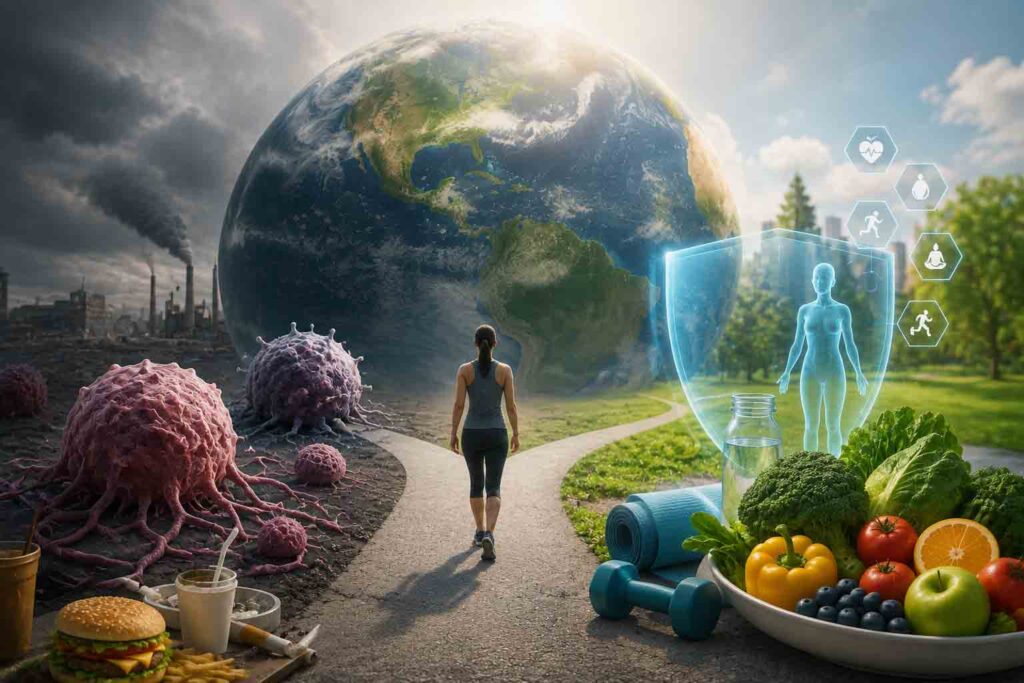
To understand the alarming forecasts for the coming decades, we must first look at the interconnected factors driving the current global increase in cancer incidence. The surge is not the result of a single cause, but rather a complex convergence of demographic shifts, environmental changes, and modern lifestyle habits.
First and foremost is the reality of an aging global population. Cancer is fundamentally a disease of aging; as cellular DNA replicates over decades, the likelihood of genetic mutations increases. Because advancements in modern medicine have successfully extended human lifespans and reduced mortality from infectious diseases, more people are living long enough to develop age-related conditions like cancer.
Additionally, globalization has led to rapid lifestyle transitions. Populations in rapidly developing nations are increasingly adopting behaviors previously associated with high-income Western countries. This includes consuming diets high in ultra-processed foods, leading increasingly sedentary lives, and experiencing higher rates of obesity.
Environmental factors also play a critical role. Rapid urbanization has exposed billions of people to higher levels of air pollution, industrial chemicals, and environmental toxins. Finally, profound healthcare inequalities persist. In many parts of the world, a lack of access to early screening and preventative care means that precancerous conditions are not caught in time, ultimately driving up global cancer statistics.
WHO’s Latest Cancer Projection
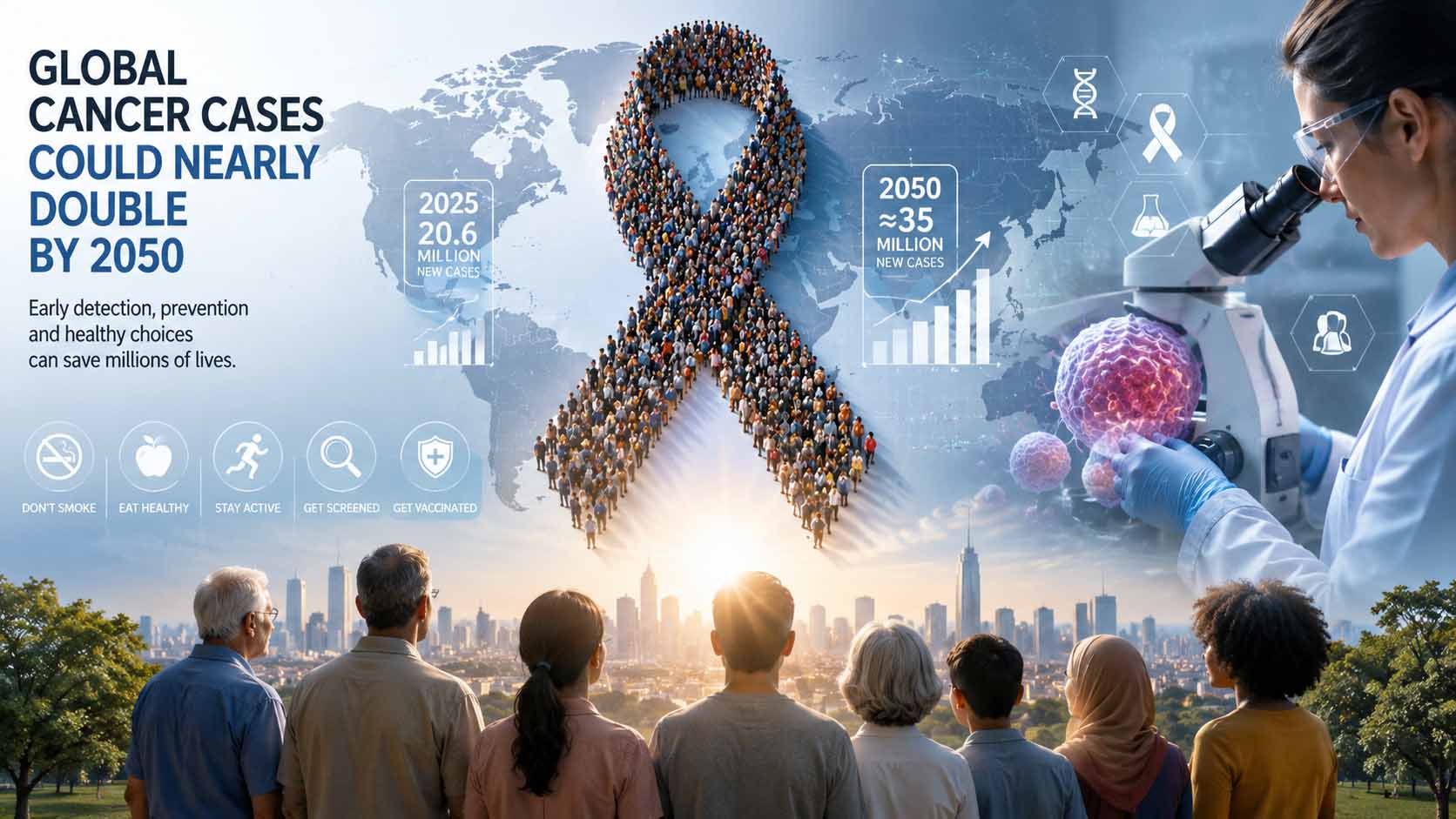
The figures released by the World Health Organization serve as a profound wake-up call for health ministries, medical professionals, and everyday citizens alike. Currently, the world sees approximately 20.6 million new cancer cases each year. However, according to the WHO cancer cases 2050 forecast, this number is projected to skyrocket to around 35 million new cases annually by the middle of the century.
This represents a staggering increase of over 70% in just a few decades. While the absolute number of cases will rise globally, the burden will not be distributed equally. The WHO highlights that low- and middle-income countries (LMICs) will experience the most dramatic proportional increases.
There are several reasons why LMICs are expected to bear the brunt of this crisis. These nations are currently undergoing the most rapid demographic and lifestyle transitions. Furthermore, many of these countries face a “double burden” of disease. They are still battling high rates of infection-related cancers (such as those caused by HPV and Hepatitis) while simultaneously experiencing a surge in lifestyle-related cancers. Unfortunately, these regions often have the least robust healthcare infrastructures, lacking the necessary resources for widespread early cancer detection, advanced oncology treatments, and palliative care.
Major Risk Factors for Cancer
While genetics play a role in cancer development, the WHO consistently emphasizes that a vast number of cancer cases are tied to modifiable risk factors. Understanding these triggers is the first step in cancer prevention.
Tobacco Use
Tobacco remains the single greatest preventable cause of cancer worldwide. It is responsible for approximately 25% of all cancer deaths globally. Cigarette smoke contains dozens of known carcinogens that damage DNA. Tobacco use is not only the primary driver of lung cancer but is also heavily linked to cancers of the mouth, throat, esophagus, bladder, and pancreas.
Alcohol Consumption
There is a widespread misconception that moderate drinking is safe or even beneficial. However, the WHO has clearly stated that there is no safe level of alcohol consumption when it comes to cancer risk. When the body metabolizes alcohol, it produces acetaldehyde, a toxic chemical that damages DNA and proteins. Alcohol is a major risk factor for cancers of the breast, liver, colon, and esophagus.
Obesity
Excess body weight is a silent but potent driver of oncological disease. Adipose (fat) tissue is biologically active; it produces excess hormones (like estrogen) and inflammatory proteins that encourage cells to divide and multiply more rapidly. Obesity is strongly linked to endometrial, breast, kidney, and colorectal cancers.
Physical Inactivity
A sedentary lifestyle contributes to obesity, but a lack of movement is an independent risk factor as well. Regular physical activity helps regulate blood sugar, lowers insulin levels, and boosts the immune system, all of which create an environment in the body that is hostile to cancer development.
Poor Diet
Diets high in ultra-processed foods, refined sugars, and red or processed meats (like bacon, hot dogs, and deli meats) significantly elevate cancer risk. Conversely, diets lacking in dietary fiber, fruits, and vegetables deprive the digestive system of the protective mechanisms needed to ward off cellular damage, particularly in the colon.
Air Pollution
The air we breathe has a direct impact on our cellular health. Outdoor air pollution, specifically fine particulate matter (PM2.5) from vehicle exhaust and industrial emissions, has been classified as a human carcinogen. Chronic exposure to polluted air is a recognized driver of lung cancer, even in individuals who have never smoked a cigarette.
UV Exposure
Excessive exposure to ultraviolet (UV) radiation, whether from the sun or artificial sources like tanning beds, is the primary cause of skin cancers, including deadly melanomas. UV rays penetrate the skin and cause direct damage to the cellular DNA, prompting uncontrolled cell growth.
Viral Infections (HPV, Hepatitis B)
Infections are responsible for approximately 15% of all cancers worldwide, with higher rates in developing nations. The Human Papillomavirus (HPV) is the leading cause of cervical cancer, while chronic infections with Hepatitis B and Hepatitis C viruses are primary drivers of liver cancer.
Which Cancers Are Most Common?
To better understand the global cancer statistics, it is helpful to look at the most frequently diagnosed types of cancer worldwide.
Breast Cancer
Breast cancer is the most commonly diagnosed cancer globally and the leading cause of cancer death among women. While risk increases with age and family history, lifestyle factors such as alcohol consumption and obesity significantly elevate the risk. Widespread mammography screening has been vital in reducing mortality rates in high-income countries.
Lung Cancer
Lung cancer remains the leading cause of cancer mortality overall. The overwhelming majority of lung cancer cases are directly attributable to smoking and secondhand smoke, though air pollution is playing an increasingly prominent role. Because lung cancer often presents no symptoms until it has reached an advanced stage, it is particularly deadly.
Colorectal Cancer
Cancers of the colon and rectum are rising globally, notably among younger adults. This trend is heavily associated with modern dietary habits, particularly the high consumption of processed meats, low intake of dietary fiber, physical inactivity, and rising obesity rates.
Prostate Cancer
Prostate cancer is the most common cancer among men in many parts of the world. Because it is highly correlated with advanced age, the aging global population guarantees that prostate cancer numbers will continue to rise. Fortunately, when caught early, it has a very high survival rate.
Liver Cancer
Liver cancer is highly lethal and is predominantly driven by chronic Hepatitis B and C infections, as well as heavy alcohol consumption and conditions like fatty liver disease. It disproportionately affects populations in low- and middle-income countries.
What WHO Recommends for Cancer Prevention
The projected increase to 35 million cases by 2050 is a worst-case scenario that assumes no intervention. The WHO stresses that between 30% and 50% of all cancer cases are currently preventable. To promote healthy aging and disease prevention, the WHO recommends the following pillars of cancer prevention:
- Quit Smoking: Stopping tobacco use is the most impactful health decision a person can make. Quitting at any age significantly lowers the risk of developing and dying from cancer.
- Limit Alcohol: The WHO recommends minimizing alcohol intake or avoiding it entirely. The less alcohol consumed, the lower the risk of developing several major cancers.
- Maintain a Healthy Weight: Keeping your body mass index (BMI) within a healthy range reduces systemic inflammation and balances hormone levels, cutting the risk of at least 13 different types of cancer.
- Exercise Regularly: Aim for at least 150 minutes of moderate-intensity aerobic physical activity, or 75 minutes of vigorous-intensity physical activity, every week.
- Eat More Fruits and Vegetables: Transition to a predominantly plant-based diet. High intakes of whole grains, legumes, fruits, and vegetables provide antioxidants and fiber that protect cellular health. Limit consumption of red meat and avoid processed meats entirely.
- Get Recommended Vaccinations: Public health campaigns for vaccination are powerful tools. The HPV vaccine can virtually eliminate the risk of cervical cancer, and the Hepatitis B vaccine offers lifelong protection against the primary cause of liver cancer.
- Participate in Cancer Screening Programs: Follow local public health guidelines for routine screenings (such as mammograms, colonoscopies, and Pap smears).
- Protect Skin from Excessive Sun Exposure: Use broad-spectrum sunscreen, wear protective clothing, seek shade during peak sunlight hours, and avoid artificial tanning devices.
Early Detection Saves Lives
Cancer prevention is about stopping the disease from developing in the first place, but early cancer detection is about finding it before it has the chance to spread. The WHO highlights early detection as a critical component of global cancer control.
Early detection consists of two main strategies: early diagnosis and screening. Early diagnosis focuses on detecting symptomatic patients as early as possible. This requires public awareness of cancer warning signs—such as unexplained weight loss, persistent coughs, unusual bleeding, or changes in moles—and ensuring that healthcare systems are equipped to evaluate these symptoms rapidly.
Screening, on the other hand, involves testing healthy individuals who have no symptoms but fall into high-risk age demographics. Common examples include mammography for breast cancer, HPV testing for cervical cancer, and colonoscopies for colorectal cancer.
When cancer is identified in its earliest stages, it is significantly more likely to respond to treatment. Early-stage cancers can often be treated with less invasive procedures, resulting in higher survival rates, better quality of life for the patient, and vastly reduced treatment costs for healthcare systems.
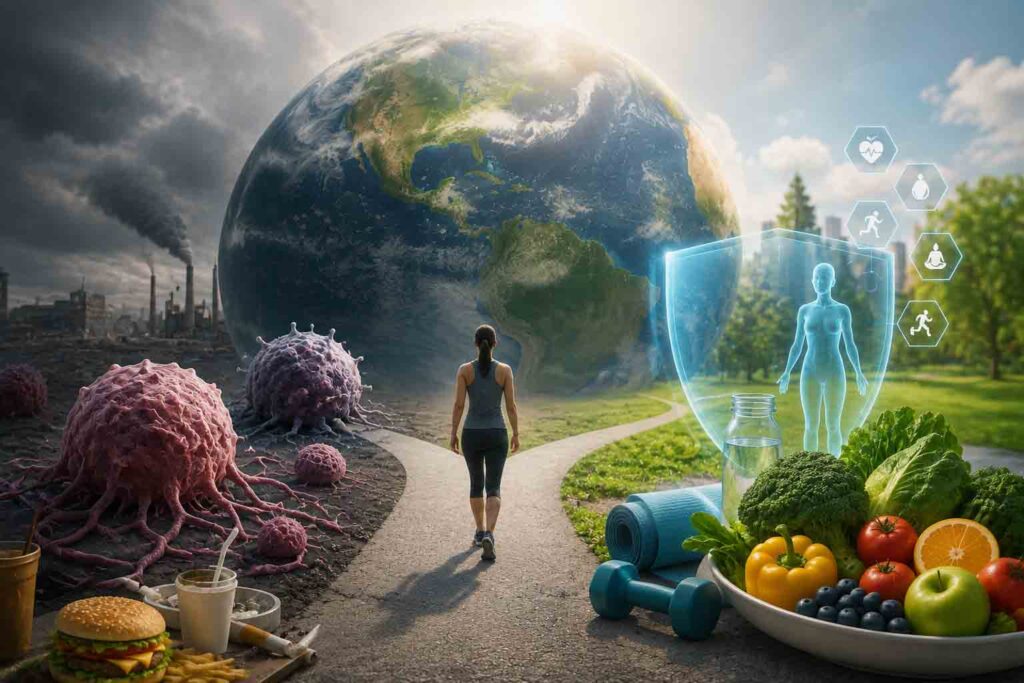
Practical Daily Habits to Reduce Cancer Risk
Translating the WHO’s global public health directives into everyday life is entirely achievable. Building a cancer-preventative lifestyle comes down to consistent, daily habits.
Start by auditing your diet. Make a habit of filling half your plate with colorful vegetables at every meal. Swap out processed snacks for nuts or fresh fruit, and replace red meat with plant-based proteins like beans and lentils a few times a week.
Incorporate movement into your daily routine. You don’t need to spend hours at the gym; taking a brisk 30-minute walk after dinner, opting for the stairs instead of the elevator, or cycling to work all contribute to your weekly exercise goals.
Rethink your beverage choices. Replace sugary sodas and alcoholic beverages with water, herbal teas, or black coffee. When attending social events, consider opting for zero-proof mocktails to reduce your alcohol consumption.
Finally, make preventative healthcare a non-negotiable part of your calendar. Schedule your annual checkups, stay up to date on your vaccinations, apply SPF daily regardless of the weather, and never ignore unusual, persistent changes in your body.
Frequently Asked Questions
1. Why are the WHO cancer cases 2050 projections so high? The projection that global cases will reach 35 million by 2050 is primarily driven by the aging of the global population and overall population growth. Additionally, changes in lifestyle, such as increased obesity rates, higher consumption of processed foods, and exposure to environmental pollutants, are accelerating cancer incidence, particularly in developing nations.
2. Is cancer completely preventable? Not all cancers are preventable, as genetics and age are significant factors that we cannot control. However, the WHO estimates that between 30% and 50% of all cancer cases can be prevented by adopting healthy lifestyle habits and avoiding known risk factors like tobacco and excessive alcohol.
3. Which cancer is the most common globally? Currently, breast cancer is the most commonly diagnosed cancer worldwide, closely followed by lung cancer. However, lung cancer remains the leading cause of cancer-related deaths globally due to its aggressive nature and the fact that it is often diagnosed at a later stage.
4. Does air pollution really cause cancer? Yes. The WHO has recognized outdoor air pollution, specifically fine particulate matter (PM2.5), as a Group 1 carcinogen. Breathing polluted air over long periods damages the cellular lining of the lungs, significantly increasing the risk of developing lung cancer.
5. Can vaccines prevent cancer? Yes, certain vaccines are highly effective at preventing infection-driven cancers. The Human Papillomavirus (HPV) vaccine prevents the infections that cause nearly all cervical cancers, and the Hepatitis B vaccine prevents the chronic liver infections that lead to liver cancer.
Conclusion
The WHO’s projection that global cancer cases could reach 35 million by 2050 is a sobering reality check. It highlights the urgent need for robust public health infrastructure, equitable access to medical care, and global cooperation in addressing environmental hazards.
However, this forecast should empower us rather than cause despair. As individuals, we are not helpless in the face of these statistics. By understanding the major risk factors and taking proactive steps—such as quitting smoking, exercising, eating a balanced diet, and participating in early cancer detection programs—we can drastically reduce our personal risk. Healthy aging is a lifelong journey, and the choices we make today build the foundation for a healthier tomorrow.
Disclaimer: The information provided in this article is intended for educational and informational purposes only. It does not constitute medical advice, diagnosis, or treatment. Always consult with a qualified healthcare provider regarding any questions you may have about a medical condition, cancer screening, or lifestyle changes.
📌 Related Links
- WHO: Cancer Fact Sheet
- International Agency for Research on Cancer (IARC): Global Cancer Data and Research
- American Cancer Society: Cancer Prevention and Guidelines
- National Cancer Institute: Comprehensive Cancer Information
- CDC: Cancer Prevention and Control
📚 References & Sources
- WHO / IARC: Official global cancer statistics, 2050 epidemiological projections, and identification of environmental and lifestyle carcinogens.
- American Cancer Society / National Cancer Institute: Evidence-based strategies for early detection, screening protocols, and comprehensive data on major cancer types.
- CDC: Public health initiatives and guidelines for minimizing modifiable risk factors such as tobacco use, obesity, and physical inactivity.