Tag: World Health Organization

  • WHO Healthy Aging Guide: Simple Habits for a Longer Life

    WHO Healthy Aging Guide: Simple Habits for a Longer Life

    Meta Description: Discover the WHO healthy aging guidelines to enhance your longevity and wellness. Learn simple, evidence-based daily habits for a longer, more active life.

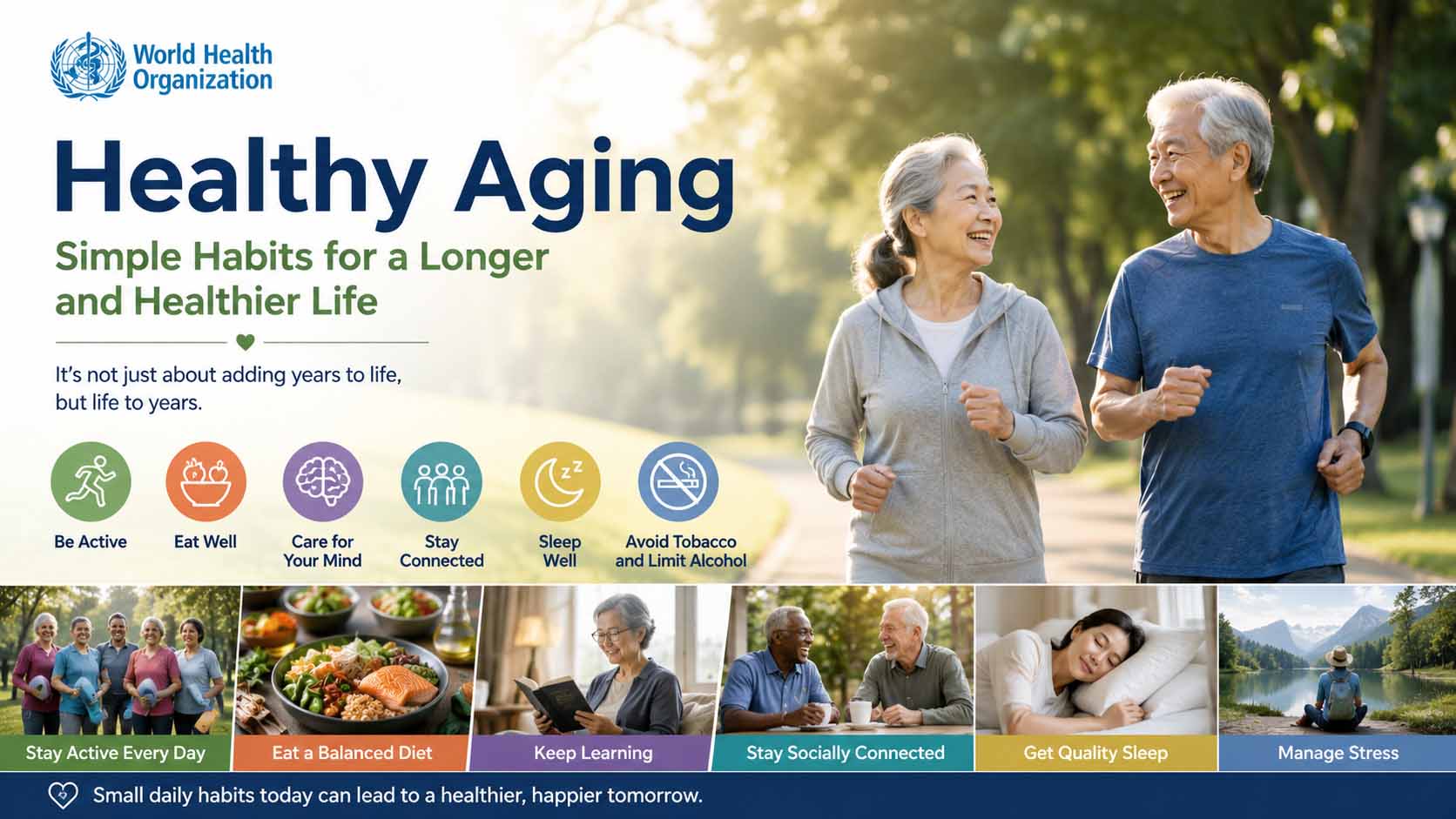
    The global population is experiencing a remarkable demographic shift. Thanks to advancements in modern medicine, public health initiatives, and improved living conditions, humans are living longer than ever before. However, this triumph of longevity brings a new, critical challenge: ensuring that our extended years are lived with vitality, purpose, and good health. It is no longer just about adding years to our lives; it is about adding life to our years.

    The World Health Organization (WHO) has declared the period from 2021 to 2030 the “Decade of Healthy Ageing,” emphasizing a global shift in how we approach getting older. Getting older should not be viewed as an inevitable decline into illness and dependency. Instead, with the right lifestyle choices and a focus on preventive health, we can actively shape how we age.

    In this comprehensive guide, we will explore the WHO’s framework for healthy aging, unpack the daily habits that promote longevity, and provide actionable, evidence-based strategies to help you maintain your physical and mental independence for decades to come.
    What Is Healthy Aging?

    When many people think of aging healthily, they imagine living completely free of disease. However, the World Health Organization offers a more realistic, empowering, and holistic definition.

    According to the WHO, healthy aging is “the process of developing and maintaining the functional ability that enables wellbeing in older age.”

    This definition is revolutionary because it shifts the focus away from merely counting medical diagnoses. You can have a chronic health condition—such as well-managed hypertension or arthritis—and still experience healthy aging, provided you maintain your “functional ability.”

    Functional ability means having the physical and mental capacity to do the things you value. It includes your ability to:

    • Meet your basic needs (getting dressed, cooking, managing finances).
    • Learn, grow, and make decisions.
    • Be mobile and navigate your environment.
    • Build and maintain relationships.
    • Contribute to society and your community.

    Healthy aging is about preserving your intrinsic capacity (your physical and mental reserves) and creating environments that support you as you age.

    Why Healthy Aging Is Important

    The pursuit of active aging is not just a personal goal; it is a global public health priority. Adopting a healthy lifestyle today yields profound benefits for your future self, your family, and society as a whole.

    Increasing Life Expectancy

    By 2030, one in six people in the world will be aged 60 years or over. As global life expectancy rises, the gap between “lifespan” (how long you live) and “healthspan” (how long you live in good health) becomes glaringly apparent. Embracing preventive health habits ensures that your healthspan closely matches your lifespan, saving you from spending your final decades in a state of frailty.

    Quality of Life

    Longevity without quality of life can be a heavy burden. Healthy aging allows you to continue engaging in hobbies, traveling, playing with grandchildren, and enjoying the simple pleasures of life without being constantly sidelined by pain, exhaustion, or illness.

    Maintaining Independence

    One of the greatest fears associated with growing older is losing independence and becoming a burden on loved ones. Preserving your physical strength, mobility, and cognitive function allows you to live safely in your own home for as long as possible, maintaining your autonomy and dignity.

    Preventing Chronic Diseases

    While genetics play a role, the vast majority of non-communicable diseases (NCDs)—such as heart disease, stroke, type 2 diabetes, and certain cancers—are heavily influenced by lifestyle. Adopting healthy habits significantly reduces your risk of developing these debilitating and costly conditions.

    Healthy Habits Recommended by WHO

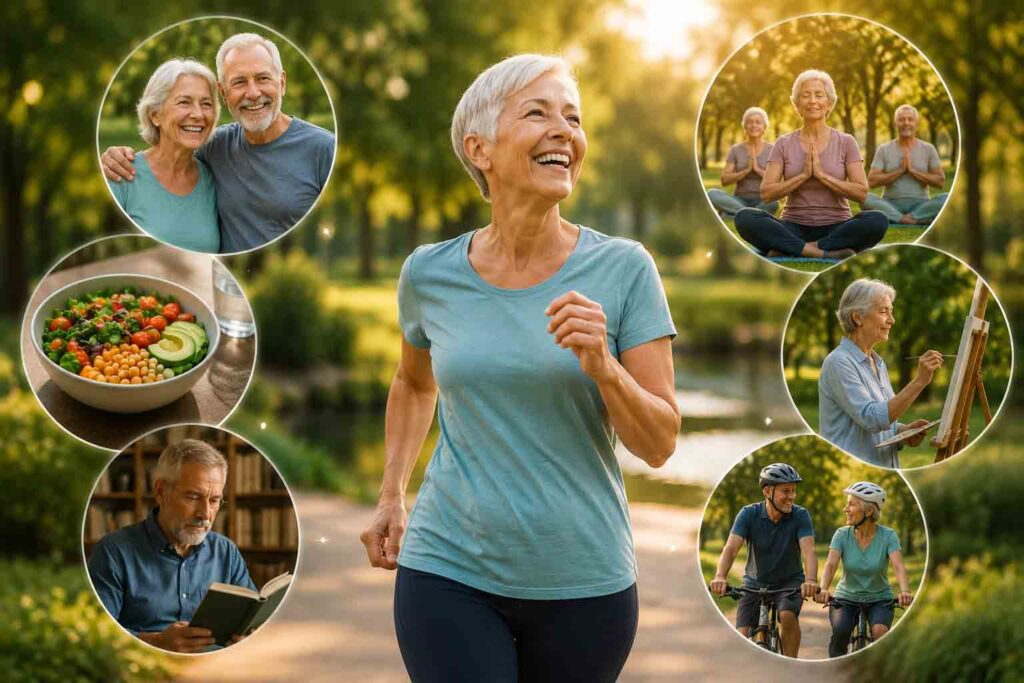
    The foundation of healthy aging is built on daily, consistent choices. The WHO emphasizes that it is never too early, or too late, to adopt behaviors that support wellness and longevity.

    Regular Physical Activity

    The human body is designed to move. Physical inactivity is a leading risk factor for global mortality and a primary driver of functional decline. The WHO recommends that adults achieve at least 150 to 300 minutes of moderate-intensity aerobic physical activity (such as brisk walking, swimming, or cycling) per week.

    Additionally, adults should perform muscle-strengthening activities (like lifting weights, using resistance bands, or bodyweight exercises) on two or more days a week. Preserving muscle mass is critical for maintaining metabolism, supporting joints, and preventing frailty.

    Balanced Nutrition

    A healthy diet protects against malnutrition and non-communicable diseases. The WHO advises a diet rich in fruits, vegetables, legumes, nuts, and whole grains.

    To support healthy aging, nutrition should focus on:

    • Limiting free sugars: To less than 10% (ideally 5%) of total energy intake.
    • Reducing sodium: Consuming less than 5 grams of salt per day to prevent hypertension and protect cardiovascular health.
    • Choosing healthy fats: Replacing saturated and trans fats with unsaturated fats found in olive oil, avocados, and fatty fish.

    Quality Sleep

    Sleep is the body’s ultimate restorative process. During deep sleep, your brain clears out metabolic waste and your body repairs damaged cellular tissues. Chronic sleep deprivation accelerates biological aging, increases systemic inflammation, and elevates the risk of cognitive decline. Prioritize 7 to 8 hours of uninterrupted, high-quality sleep by maintaining a consistent bedtime, limiting caffeine in the afternoon, and keeping your bedroom cool and dark.

    Stress Management

    Chronic, unmanaged stress takes a severe physical toll on the body. Prolonged elevation of the stress hormone cortisol suppresses the immune system, increases blood pressure, and accelerates the shortening of telomeres (the protective caps on the ends of your chromosomes associated with aging). Incorporate daily stress-reduction techniques such as mindfulness meditation, deep breathing exercises, or spending time in nature.

    Staying Socially Connected

    The WHO recently highlighted social isolation and loneliness as a pressing global health threat, carrying health risks equivalent to smoking 15 cigarettes a day. Maintaining strong social connections lowers the risk of depression, boosts immune function, and provides a critical support network. Actively invest in friendships, participate in community groups, or volunteer to stay engaged.

    Avoiding Tobacco

    Tobacco use is a primary driver of preventable death globally. Smoking damages blood vessels, reduces lung capacity, and vastly increases the risk of cancer, cardiovascular disease, and respiratory illnesses. Quitting smoking at any age immediately begins to reverse vascular damage and adds healthy years to your life.

    Limiting Alcohol

    The WHO is clear that there is no “safe” level of alcohol consumption. Alcohol is a toxic, psychoactive, and dependence-producing substance. Heavy drinking accelerates brain atrophy, damages the liver, and increases the risk of various cancers. Limiting or entirely eliminating alcohol intake is a powerful step toward preventive health.

    Keeping Your Brain Healthy

    Cognitive decline is not an inevitable part of aging. The brain is incredibly plastic and can form new neural connections well into old age—provided you give it the right stimulus and environment.

    Lifelong Learning

    Just as your muscles need resistance to grow, your brain needs challenge to stay sharp. Lifelong learning builds “cognitive reserve,” which helps the brain compensate for age-related changes. Learn a new language, take up a complex musical instrument, read challenging literature, or engage in strategic games like chess. Novelty is the key to brain health.

    Physical Exercise

    What is good for the heart is good for the brain. Aerobic exercise increases blood flow, delivering oxygen and essential nutrients to brain tissue. Exercise also stimulates the release of Brain-Derived Neurotrophic Factor (BDNF), a protein that supports the survival of existing neurons and encourages the growth of new synapses.

    Social Interaction

    Engaging in conversation requires complex cognitive processing. You must listen, interpret facial expressions, retrieve vocabulary, and formulate responses in real-time. Frequent social interaction is one of the most effective ways to keep the brain agile and ward off dementia.

    Managing Blood Pressure and Diabetes

    The brain relies on a vast, delicate network of blood vessels. Chronic hypertension (high blood pressure) and uncontrolled diabetes damage these microvessels, leading to silent strokes and vascular dementia. Keeping your blood pressure, blood sugar, and cholesterol in check through diet, exercise, and medication is vital for protecting your cognitive function.

    Preventing Falls and Maintaining Mobility

    For older adults, a simple fall can be a catastrophic, life-altering event. Falls are a leading cause of fatal and non-fatal injuries, often resulting in hip fractures that permanently strip away independence. Maintaining mobility is a cornerstone of the WHO’s active aging strategy.

    Strength Training

    Sarcopenia—the age-related loss of muscle mass and strength—makes everyday tasks difficult and destabilizes the body. Engaging in regular strength training builds the muscular armor needed to support your skeletal structure, making you more resilient against trips and stumbles.

    Balance Exercises

    Balance relies on a complex interaction between your inner ear, your eyes, and the proprioceptive sensors in your joints. This system degrades without practice. Incorporate balance-specific exercises into your routine, such as Tai Chi, yoga, or simple daily habits like standing on one leg while brushing your teeth.

    Home Safety

    Many falls happen in the comfort of one’s own home due to environmental hazards. To age safely in place:

    • Remove loose throw rugs and electrical cords from walkways.
    • Ensure all rooms, stairwells, and hallways are brightly lit.
    • Install grab bars in the bathroom near the toilet and shower.
    • Wear supportive, non-slip footwear indoors.

    Vision and Hearing Checks

    Impaired vision limits your ability to see obstacles, while untreated hearing loss reduces your spatial awareness and balance. Schedule annual eye exams to check for cataracts, glaucoma, and macular degeneration, and undergo regular audiogram testing. Wearing prescribed glasses and hearing aids is a direct investment in fall prevention.

    Healthy Aging Starts Earlier Than You Think

    A common misconception is that healthy aging is something you only need to worry about once you turn 60. In reality, the WHO advocates for a “life-course approach” to aging. The health of your future self is actively being built by the choices you make today.

    In your 20s and 30s, you are building peak bone mass and establishing the metabolic set-points that will govern your midlife. In your 40s and 50s, unhealthy habits begin to compound, leading to the early stages of arterial plaque buildup, insulin resistance, and joint degradation.

    By adopting a healthy lifestyle early, you maximize your intrinsic capacity, giving yourself a much higher starting point from which to age. However, the human body is incredibly forgiving. Even if you adopt these WHO healthy aging habits in your 60s or 70s, you can still significantly improve your functional ability, reduce medication dependency, and enhance your quality of life.

    Frequently Asked Questions

    1. What is the WHO definition of healthy aging? The WHO defines healthy aging as the process of developing and maintaining the functional ability that enables wellbeing in older age. It focuses on what a person can do and their quality of life, rather than just the absence of disease.

    2. How much exercise is needed for active aging? The WHO recommends that adults engage in at least 150 to 300 minutes of moderate-intensity aerobic activity per week, plus muscle-strengthening activities on at least two days a week. For older adults, adding multicomponent physical activity that emphasizes functional balance is highly recommended.

    3. Does diet really affect how quickly we age? Yes. A diet high in ultra-processed foods, sugar, and unhealthy fats accelerates cellular aging by driving systemic inflammation and oxidative stress. A balanced diet rich in whole foods, antioxidants, and healthy fats protects your cells, supports brain health, and prevents chronic disease.

    4. How does social connection impact longevity? Social isolation causes chronic stress, which elevates cortisol levels, increases blood pressure, and suppresses the immune system. Strong social connections buffer stress, provide emotional support, and are consistently linked to longer, healthier lifespans.

    5. Is it too late to start healthy habits if I am already over 65? It is never too late. Research shows that older adults who adopt healthy habits—such as quitting smoking, starting an exercise program, or improving their diet—can rapidly improve their cardiovascular health, boost their mood, and increase their functional mobility.

    Conclusion

    Healthy aging is not a genetic lottery or a stroke of luck; it is a proactive, lifelong journey. The World Health Organization’s guidelines remind us that growing older does not have to mean a loss of independence or a decline in wellbeing. By prioritizing regular physical activity, balanced nutrition, quality sleep, and social connection, we can actively protect our intrinsic capacity.

    Whether you are in your 30s building your foundational health or in your 70s looking to preserve your mobility, the daily choices you make hold tremendous power. Start small, build sustainable healthy habits, and take control of your preventive health today. By doing so, you are not just adding years to your life—you are ensuring those years are vibrant, active, and deeply fulfilling.

    Disclaimer: This article is for educational and informational purposes only and does not constitute medical advice. The content is based on general public health guidelines provided by the World Health Organization. Always consult with a qualified healthcare provider before making significant changes to your diet, exercise routine, or lifestyle, especially if you have existing health conditions.

    🌟 Add More Fun & Useful Information to Your Everyday Life

    🎵 Plus-1 (Shorts)
    https://www.youtube.com/@플러스-1/shorts

    🎼 DMC-6
    https://www.youtube.com/@DMC-6

    🚀 77-DMC
    https://www.youtube.com/@77-DMC

    🎧 PlusMusic KR
    https://www.youtube.com/@PlusMusic_KR

    🎵 TikTok
    https://www.tiktok.com/@leew2968292

  • WHO Warns Global Cancer Cases Could Nearly Double by 2050: What You Need to Know

    WHO Warns Global Cancer Cases Could Nearly Double by 2050: What You Need to Know

    Meta Description: The WHO projects global cancer cases could reach 35 million by 2050. Discover the driving factors behind these global cancer statistics and how to reduce your risk.

    Cancer has long been one of the most formidable public health challenges of our time, but a recent warning from the World Health Organization (WHO) has put the future trajectory of this disease into sharp perspective. According to the latest epidemiological models and global cancer statistics, the world is facing a staggering surge in new cancer diagnoses over the next few decades.

    As we look toward the middle of the 21st century, the numbers paint a concerning picture of global health. However, this projection is not an inescapable fate. The WHO emphasizes that a significant percentage of these future cases can be mitigated through aggressive public health initiatives, early cancer detection, and the widespread adoption of a healthy lifestyle.

    In this comprehensive guide, we will break down the latest WHO cancer cases 2050 projection, explore the primary risk factors driving this surge, and provide actionable, evidence-based strategies to help you protect your long-term health and embrace healthy aging.

    Why Cancer Cases Are Rising Worldwide

    To understand the alarming forecasts for the coming decades, we must first look at the interconnected factors driving the current global increase in cancer incidence. The surge is not the result of a single cause, but rather a complex convergence of demographic shifts, environmental changes, and modern lifestyle habits.

    First and foremost is the reality of an aging global population. Cancer is fundamentally a disease of aging; as cellular DNA replicates over decades, the likelihood of genetic mutations increases. Because advancements in modern medicine have successfully extended human lifespans and reduced mortality from infectious diseases, more people are living long enough to develop age-related conditions like cancer.

    Additionally, globalization has led to rapid lifestyle transitions. Populations in rapidly developing nations are increasingly adopting behaviors previously associated with high-income Western countries. This includes consuming diets high in ultra-processed foods, leading increasingly sedentary lives, and experiencing higher rates of obesity.

    Environmental factors also play a critical role. Rapid urbanization has exposed billions of people to higher levels of air pollution, industrial chemicals, and environmental toxins. Finally, profound healthcare inequalities persist. In many parts of the world, a lack of access to early screening and preventative care means that precancerous conditions are not caught in time, ultimately driving up global cancer statistics.

    WHO’s Latest Cancer Projection

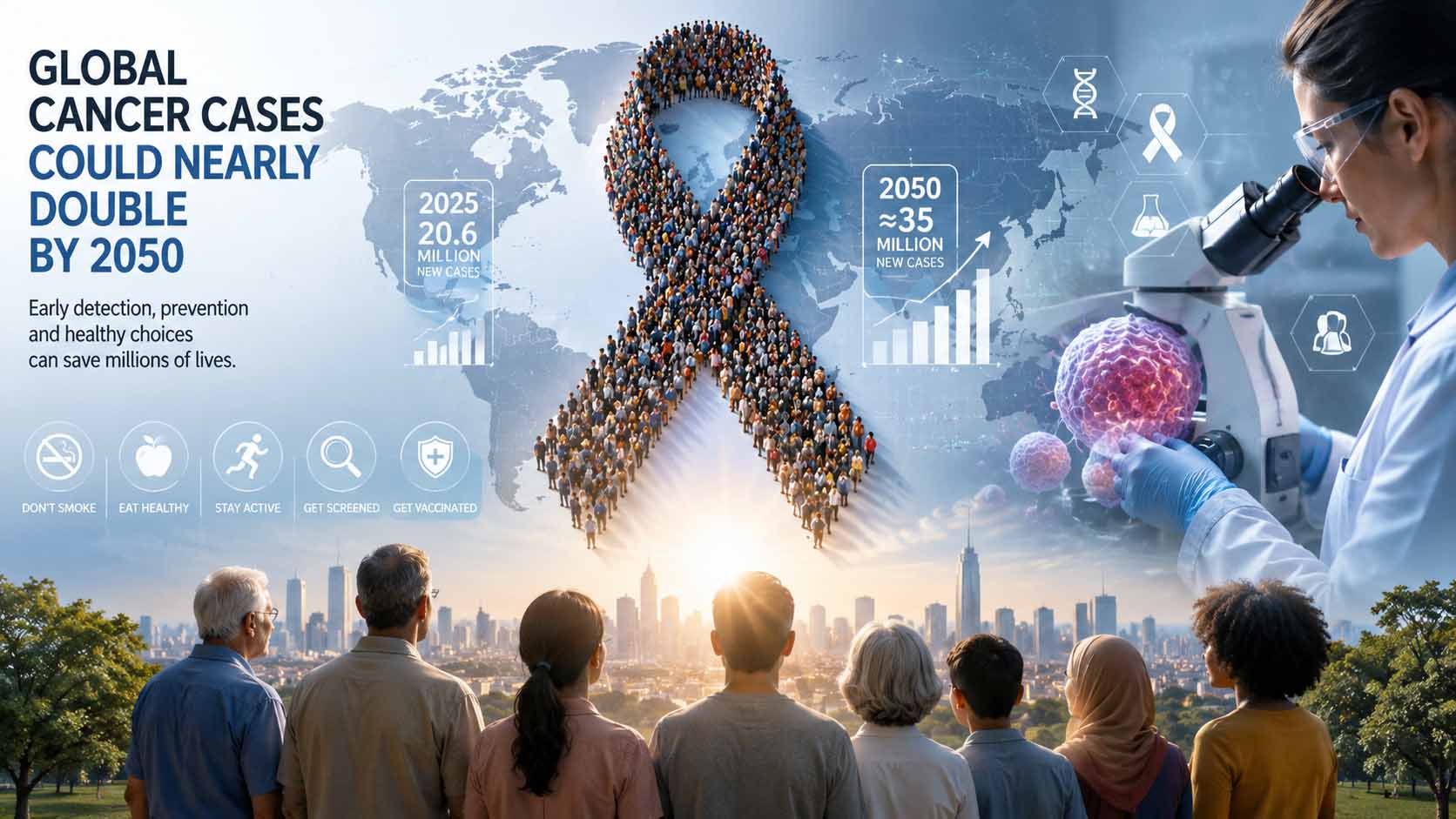
    The figures released by the World Health Organization serve as a profound wake-up call for health ministries, medical professionals, and everyday citizens alike. Currently, the world sees approximately 20.6 million new cancer cases each year. However, according to the WHO cancer cases 2050 forecast, this number is projected to skyrocket to around 35 million new cases annually by the middle of the century.

    This represents a staggering increase of over 70% in just a few decades. While the absolute number of cases will rise globally, the burden will not be distributed equally. The WHO highlights that low- and middle-income countries (LMICs) will experience the most dramatic proportional increases.

    There are several reasons why LMICs are expected to bear the brunt of this crisis. These nations are currently undergoing the most rapid demographic and lifestyle transitions. Furthermore, many of these countries face a “double burden” of disease. They are still battling high rates of infection-related cancers (such as those caused by HPV and Hepatitis) while simultaneously experiencing a surge in lifestyle-related cancers. Unfortunately, these regions often have the least robust healthcare infrastructures, lacking the necessary resources for widespread early cancer detection, advanced oncology treatments, and palliative care.

    Major Risk Factors for Cancer

    While genetics play a role in cancer development, the WHO consistently emphasizes that a vast number of cancer cases are tied to modifiable risk factors. Understanding these triggers is the first step in cancer prevention.

    Tobacco Use

    Tobacco remains the single greatest preventable cause of cancer worldwide. It is responsible for approximately 25% of all cancer deaths globally. Cigarette smoke contains dozens of known carcinogens that damage DNA. Tobacco use is not only the primary driver of lung cancer but is also heavily linked to cancers of the mouth, throat, esophagus, bladder, and pancreas.

    Alcohol Consumption

    There is a widespread misconception that moderate drinking is safe or even beneficial. However, the WHO has clearly stated that there is no safe level of alcohol consumption when it comes to cancer risk. When the body metabolizes alcohol, it produces acetaldehyde, a toxic chemical that damages DNA and proteins. Alcohol is a major risk factor for cancers of the breast, liver, colon, and esophagus.

    Obesity

    Excess body weight is a silent but potent driver of oncological disease. Adipose (fat) tissue is biologically active; it produces excess hormones (like estrogen) and inflammatory proteins that encourage cells to divide and multiply more rapidly. Obesity is strongly linked to endometrial, breast, kidney, and colorectal cancers.

    Physical Inactivity

    A sedentary lifestyle contributes to obesity, but a lack of movement is an independent risk factor as well. Regular physical activity helps regulate blood sugar, lowers insulin levels, and boosts the immune system, all of which create an environment in the body that is hostile to cancer development.

    Poor Diet

    Diets high in ultra-processed foods, refined sugars, and red or processed meats (like bacon, hot dogs, and deli meats) significantly elevate cancer risk. Conversely, diets lacking in dietary fiber, fruits, and vegetables deprive the digestive system of the protective mechanisms needed to ward off cellular damage, particularly in the colon.

    Air Pollution

    The air we breathe has a direct impact on our cellular health. Outdoor air pollution, specifically fine particulate matter (PM2.5) from vehicle exhaust and industrial emissions, has been classified as a human carcinogen. Chronic exposure to polluted air is a recognized driver of lung cancer, even in individuals who have never smoked a cigarette.

    UV Exposure

    Excessive exposure to ultraviolet (UV) radiation, whether from the sun or artificial sources like tanning beds, is the primary cause of skin cancers, including deadly melanomas. UV rays penetrate the skin and cause direct damage to the cellular DNA, prompting uncontrolled cell growth.

    Viral Infections (HPV, Hepatitis B)

    Infections are responsible for approximately 15% of all cancers worldwide, with higher rates in developing nations. The Human Papillomavirus (HPV) is the leading cause of cervical cancer, while chronic infections with Hepatitis B and Hepatitis C viruses are primary drivers of liver cancer.

    Which Cancers Are Most Common?

    To better understand the global cancer statistics, it is helpful to look at the most frequently diagnosed types of cancer worldwide.

    Breast Cancer

    Breast cancer is the most commonly diagnosed cancer globally and the leading cause of cancer death among women. While risk increases with age and family history, lifestyle factors such as alcohol consumption and obesity significantly elevate the risk. Widespread mammography screening has been vital in reducing mortality rates in high-income countries.

    Lung Cancer

    Lung cancer remains the leading cause of cancer mortality overall. The overwhelming majority of lung cancer cases are directly attributable to smoking and secondhand smoke, though air pollution is playing an increasingly prominent role. Because lung cancer often presents no symptoms until it has reached an advanced stage, it is particularly deadly.

    Colorectal Cancer

    Cancers of the colon and rectum are rising globally, notably among younger adults. This trend is heavily associated with modern dietary habits, particularly the high consumption of processed meats, low intake of dietary fiber, physical inactivity, and rising obesity rates.

    Prostate Cancer

    Prostate cancer is the most common cancer among men in many parts of the world. Because it is highly correlated with advanced age, the aging global population guarantees that prostate cancer numbers will continue to rise. Fortunately, when caught early, it has a very high survival rate.

    Liver Cancer

    Liver cancer is highly lethal and is predominantly driven by chronic Hepatitis B and C infections, as well as heavy alcohol consumption and conditions like fatty liver disease. It disproportionately affects populations in low- and middle-income countries.

    What WHO Recommends for Cancer Prevention

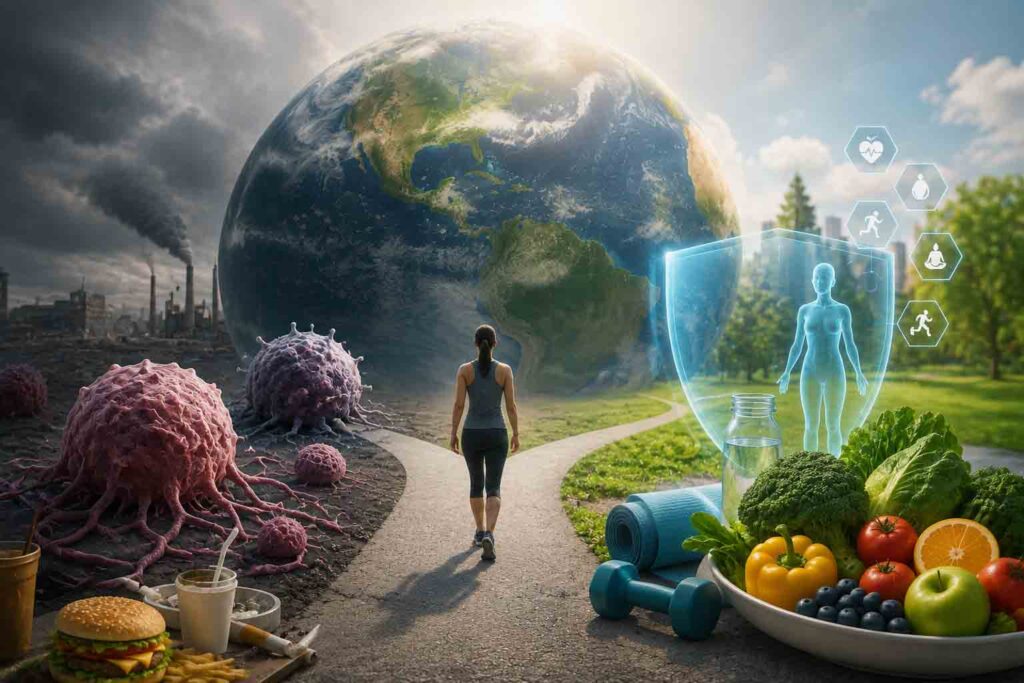
    The projected increase to 35 million cases by 2050 is a worst-case scenario that assumes no intervention. The WHO stresses that between 30% and 50% of all cancer cases are currently preventable. To promote healthy aging and disease prevention, the WHO recommends the following pillars of cancer prevention:

    • Quit Smoking: Stopping tobacco use is the most impactful health decision a person can make. Quitting at any age significantly lowers the risk of developing and dying from cancer.
    • Limit Alcohol: The WHO recommends minimizing alcohol intake or avoiding it entirely. The less alcohol consumed, the lower the risk of developing several major cancers.
    • Maintain a Healthy Weight: Keeping your body mass index (BMI) within a healthy range reduces systemic inflammation and balances hormone levels, cutting the risk of at least 13 different types of cancer.
    • Exercise Regularly: Aim for at least 150 minutes of moderate-intensity aerobic physical activity, or 75 minutes of vigorous-intensity physical activity, every week.
    • Eat More Fruits and Vegetables: Transition to a predominantly plant-based diet. High intakes of whole grains, legumes, fruits, and vegetables provide antioxidants and fiber that protect cellular health. Limit consumption of red meat and avoid processed meats entirely.
    • Get Recommended Vaccinations: Public health campaigns for vaccination are powerful tools. The HPV vaccine can virtually eliminate the risk of cervical cancer, and the Hepatitis B vaccine offers lifelong protection against the primary cause of liver cancer.
    • Participate in Cancer Screening Programs: Follow local public health guidelines for routine screenings (such as mammograms, colonoscopies, and Pap smears).
    • Protect Skin from Excessive Sun Exposure: Use broad-spectrum sunscreen, wear protective clothing, seek shade during peak sunlight hours, and avoid artificial tanning devices.

    Early Detection Saves Lives

    Cancer prevention is about stopping the disease from developing in the first place, but early cancer detection is about finding it before it has the chance to spread. The WHO highlights early detection as a critical component of global cancer control.

    Early detection consists of two main strategies: early diagnosis and screening. Early diagnosis focuses on detecting symptomatic patients as early as possible. This requires public awareness of cancer warning signs—such as unexplained weight loss, persistent coughs, unusual bleeding, or changes in moles—and ensuring that healthcare systems are equipped to evaluate these symptoms rapidly.

    Screening, on the other hand, involves testing healthy individuals who have no symptoms but fall into high-risk age demographics. Common examples include mammography for breast cancer, HPV testing for cervical cancer, and colonoscopies for colorectal cancer.

    When cancer is identified in its earliest stages, it is significantly more likely to respond to treatment. Early-stage cancers can often be treated with less invasive procedures, resulting in higher survival rates, better quality of life for the patient, and vastly reduced treatment costs for healthcare systems.

    Practical Daily Habits to Reduce Cancer Risk

    Translating the WHO’s global public health directives into everyday life is entirely achievable. Building a cancer-preventative lifestyle comes down to consistent, daily habits.

    Start by auditing your diet. Make a habit of filling half your plate with colorful vegetables at every meal. Swap out processed snacks for nuts or fresh fruit, and replace red meat with plant-based proteins like beans and lentils a few times a week.

    Incorporate movement into your daily routine. You don’t need to spend hours at the gym; taking a brisk 30-minute walk after dinner, opting for the stairs instead of the elevator, or cycling to work all contribute to your weekly exercise goals.

    Rethink your beverage choices. Replace sugary sodas and alcoholic beverages with water, herbal teas, or black coffee. When attending social events, consider opting for zero-proof mocktails to reduce your alcohol consumption.

    Finally, make preventative healthcare a non-negotiable part of your calendar. Schedule your annual checkups, stay up to date on your vaccinations, apply SPF daily regardless of the weather, and never ignore unusual, persistent changes in your body.

    Frequently Asked Questions

    1. Why are the WHO cancer cases 2050 projections so high? The projection that global cases will reach 35 million by 2050 is primarily driven by the aging of the global population and overall population growth. Additionally, changes in lifestyle, such as increased obesity rates, higher consumption of processed foods, and exposure to environmental pollutants, are accelerating cancer incidence, particularly in developing nations.

    2. Is cancer completely preventable? Not all cancers are preventable, as genetics and age are significant factors that we cannot control. However, the WHO estimates that between 30% and 50% of all cancer cases can be prevented by adopting healthy lifestyle habits and avoiding known risk factors like tobacco and excessive alcohol.

    3. Which cancer is the most common globally? Currently, breast cancer is the most commonly diagnosed cancer worldwide, closely followed by lung cancer. However, lung cancer remains the leading cause of cancer-related deaths globally due to its aggressive nature and the fact that it is often diagnosed at a later stage.

    4. Does air pollution really cause cancer? Yes. The WHO has recognized outdoor air pollution, specifically fine particulate matter (PM2.5), as a Group 1 carcinogen. Breathing polluted air over long periods damages the cellular lining of the lungs, significantly increasing the risk of developing lung cancer.

    5. Can vaccines prevent cancer? Yes, certain vaccines are highly effective at preventing infection-driven cancers. The Human Papillomavirus (HPV) vaccine prevents the infections that cause nearly all cervical cancers, and the Hepatitis B vaccine prevents the chronic liver infections that lead to liver cancer.

    Conclusion

    The WHO’s projection that global cancer cases could reach 35 million by 2050 is a sobering reality check. It highlights the urgent need for robust public health infrastructure, equitable access to medical care, and global cooperation in addressing environmental hazards.

    However, this forecast should empower us rather than cause despair. As individuals, we are not helpless in the face of these statistics. By understanding the major risk factors and taking proactive steps—such as quitting smoking, exercising, eating a balanced diet, and participating in early cancer detection programs—we can drastically reduce our personal risk. Healthy aging is a lifelong journey, and the choices we make today build the foundation for a healthier tomorrow.

    Disclaimer: The information provided in this article is intended for educational and informational purposes only. It does not constitute medical advice, diagnosis, or treatment. Always consult with a qualified healthcare provider regarding any questions you may have about a medical condition, cancer screening, or lifestyle changes.

    🌟 Add More Fun & Useful Information to Your Everyday Life

    🎵 Plus-1 (Shorts)
    https://www.youtube.com/@플러스-1/shorts

    🎼 DMC-6
    https://www.youtube.com/@DMC-6

    🚀 77-DMC
    https://www.youtube.com/@77-DMC

    🎧 PlusMusic KR
    https://www.youtube.com/@PlusMusic_KR

    🎵 TikTok
    https://www.tiktok.com/@leew2968292