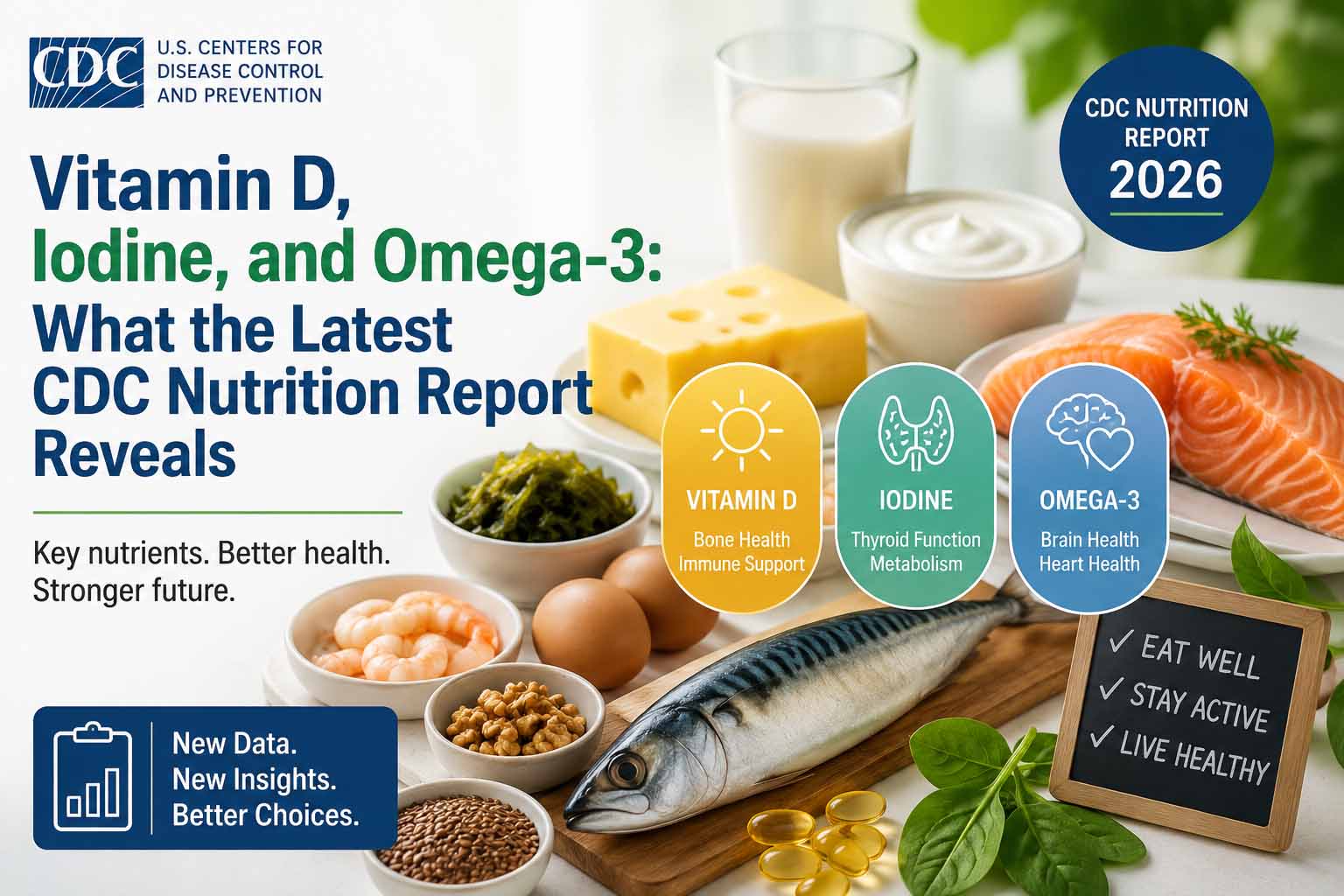
Public health and nutrition remain at the absolute forefront of preventative medicine. Understanding what our bodies need to function optimally—and identifying where our modern diets fall short—is crucial for reducing the burden of chronic diseases. In June 2026, the Centers for Disease Control and Prevention (CDC) released a monumental update: the National Report on Biochemical Indicators of Diet and Nutrition in the U.S. Population. This exhaustive report analyzes over two decades of data, offering a highly accurate snapshot of the nation’s nutritional status.
Instead of relying solely on dietary surveys, which can be prone to human error, the CDC measured 131 distinct nutritional biomarkers in blood and urine samples from 1999 to 2023. This biological data provides an objective, scientific look at exactly what is happening inside the human body on a population-wide scale. While the report highlights several public health successes, it also exposes startling trends regarding three critical nutrients: Vitamin D, Iodine, and Omega-3 fatty acids.
Whether you are a health-conscious adult, a caregiver, or simply looking to age gracefully, understanding these findings is essential. This article breaks down the 2026 CDC Nutrition Report, explores the science behind these vital nutrients, and offers practical, evidence-based strategies to optimize your daily diet.
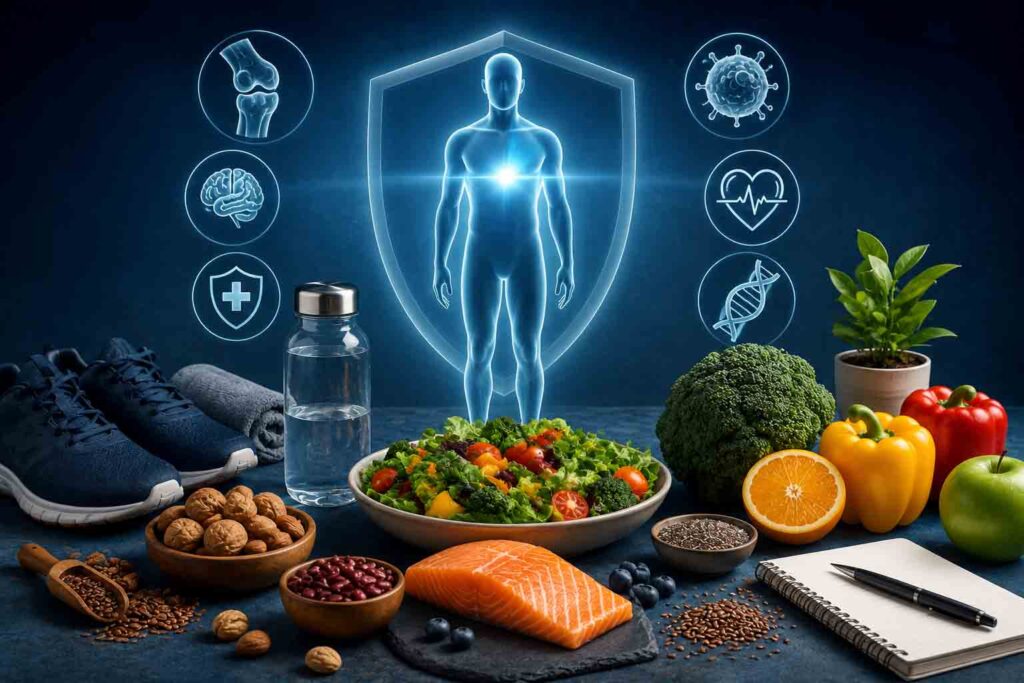
Why the CDC Nutrition Report Matters
The CDC’s periodic nutrition reports serve as a vital compass for public health officials, medical professionals, and everyday citizens. They are fundamentally built upon data gathered from the National Health and Nutrition Examination Survey (NHANES), an ongoing, uniquely comprehensive program that combines detailed health interviews with physical examinations and laboratory tests.
Purpose of the Report
The primary purpose of the CDC Nutrition Report is to provide a highly accurate, biochemical assessment of the population’s nutritional status over time. By tracking how nutrient levels rise and fall across different age groups, sexes, and ethnicities, scientists can evaluate the effectiveness of public health initiatives, such as food fortification programs, and identify emerging nutritional crises before they cause widespread medical emergencies.
Public Health Importance
Without objective biomarker data, public health recommendations would be little more than guesswork. The 2026 report is particularly significant because it covers nearly 24 years of data, allowing researchers to observe long-term trends. It visually and statistically summarizes how dietary habits, supplement usage, and environmental factors have physically altered our internal biochemistry. This information directly influences the formulation of national dietary guidelines, shapes pediatric care, and guides clinical practices regarding when to recommend dietary supplements.
Key Findings from the 2026 Release
The June 2026 release brought several major nutritional shifts into sharp focus:
- The Omega-3 Deficit: For the first time, the CDC calculated the Omega-3 index across the population. The results were alarming: over half of the U.S. population has an undesirable Omega-3 index, and approximately 98% fall below the optimal level (an index of >8%) required for robust cardiovascular health.
- The Vitamin D Paradox: Over the past two decades, mean serum Vitamin D concentrations increased by about 20%, driven largely by a massive surge in dietary supplement use. However, this has led to a new problem: the prevalence of excess Vitamin D in the blood increased from less than 1% to 8% among individuals aged six and older.
- The Iodine Decline: Mean urine iodine concentrations decreased by 10% to 30% since the early 2000s, with young women of reproductive age frequently bordering on insufficiency.
- Folate and Iron Concerns: While historical folic acid fortification remains a success, the prevalence of folate insufficiency and iron deficiency increased by nearly 6 percentage points in women of reproductive age.

Vitamin D: Benefits, Risks, and Current Trends
Vitamin D is unique among vitamins because it functions more like a hormone in the body. While most micronutrients must be acquired exclusively through food, the human body can synthesize Vitamin D when the skin is directly exposed to ultraviolet (UVB) radiation from the sun.
Why Vitamin D is Important
Vitamin D is absolutely essential for the maintenance of a healthy skeletal system. Its primary role is to promote calcium absorption in the gut; without adequate Vitamin D, the body can only absorb a fraction of the calcium consumed, leading to weakened, brittle bones (osteoporosis in adults and rickets in children). Beyond bone health, Vitamin D receptors are found throughout the body, playing critical roles in modulating immune function, reducing systemic inflammation, and supporting neuromuscular communication.
Signs of Deficiency
Despite the increase in overall population levels noted in the CDC report, deficiency remains a concern for specific groups, including those with darker skin (which naturally blocks UVB rays), older adults, and individuals living in northern latitudes with limited winter sunlight. Symptoms of severe deficiency can be subtle but often include:
- Chronic fatigue and low energy
- Frequent bone and joint pain, particularly in the lower back
- Muscle weakness or cramping
- Increased susceptibility to respiratory infections
- Slow wound healing
Excess Intake Concerns
The 2026 CDC Nutrition Report highlights a growing, unintended consequence of the wellness industry: Vitamin D toxicity. Because Vitamin D is a fat-soluble vitamin, the body cannot easily flush out excess amounts through urine. Instead, it accumulates in fat tissues.
The report notes that 8% of the population now exhibits excess levels of Vitamin D, primarily due to heavy supplementation. This condition, known as hypervitaminosis D, causes an abnormal buildup of calcium in the blood (hypercalcemia). This can lead to severe nausea, vomiting, kidney stones, and in extreme cases, irreversible kidney damage and dangerous heart arrhythmias.
Food Sources
Relying on diet rather than high-dose supplements is generally the safest way to maintain adequate levels. Excellent natural food sources include:
- Fatty fish (salmon, trout, mackerel)
- Cod liver oil
- Egg yolks (specifically from pasture-raised hens)
- Fortified foods (cow’s milk, plant-based milk alternatives, fortified cereals)
Safe Supplementation
If you suspect you are deficient, the most responsible course of action is to have a medical professional perform a simple 25-hydroxyvitamin D blood test. This allows your healthcare provider to recommend a precise, safe dosage rather than blindly consuming high-potency over-the-counter supplements.
Iodine: An Essential Nutrient Many People Forget
Iodine rarely receives the same mainstream attention as Vitamin C or Vitamin D, but it is an indispensable trace element. The CDC’s finding that urinary iodine concentrations have dropped by up to 30% over the last twenty years is a quiet but significant public health warning.
Thyroid Health
The human body requires iodine for one specific, life-sustaining purpose: the synthesis of thyroid hormones (thyroxine or T4, and triiodothyronine or T3). The thyroid gland, located at the base of the neck, regulates the body’s metabolic rate, heart rate, digestive function, muscle control, and bone maintenance. Without sufficient iodine, the thyroid simply cannot produce these hormones, leading to a sluggish, malfunctioning metabolism.
Deficiency Risks
When iodine intake is chronically low, the thyroid gland enlarges as it struggles to capture any available iodine from the blood—a condition known as a goiter. More significantly, inadequate iodine leads to hypothyroidism, characterized by extreme fatigue, unexplained weight gain, feeling cold, and depression.
The stakes are highest for pregnant women and developing infants. Iodine is critical for fetal neurodevelopment. Severe deficiency during pregnancy can lead to irreversible intellectual disabilities and stunted physical growth in the child. The CDC report’s noting that women of reproductive age are bordering on insufficiency highlights an urgent need for dietary correction.
Best Food Sources
The iodine content in food largely depends on the iodine content of the soil and water where the food was grown or raised. The most reliable sources include:
- Seaweed: Kelp, nori, and wakame are incredibly rich in iodine.
- Seafood: Cod, tuna, shrimp, and oysters.
- Dairy Products: Milk, yogurt, and cheese (often due to iodine used in dairy farming sanitization).
- Iodized Salt: The most common and effective public health intervention globally.
Recommended Intake
The recommended dietary allowance for iodine for most adults is 150 micrograms (mcg) per day. For pregnant women, the requirement jumps to 220 mcg, and for breastfeeding women, 290 mcg. Using a half-teaspoon of iodized salt daily is generally enough to meet the adult requirement, but as more people shift to non-iodized sea salts or strictly avoid sodium, accidental iodine deficiency is becoming more common.
Omega-3 Fatty Acids and Brain & Heart Health
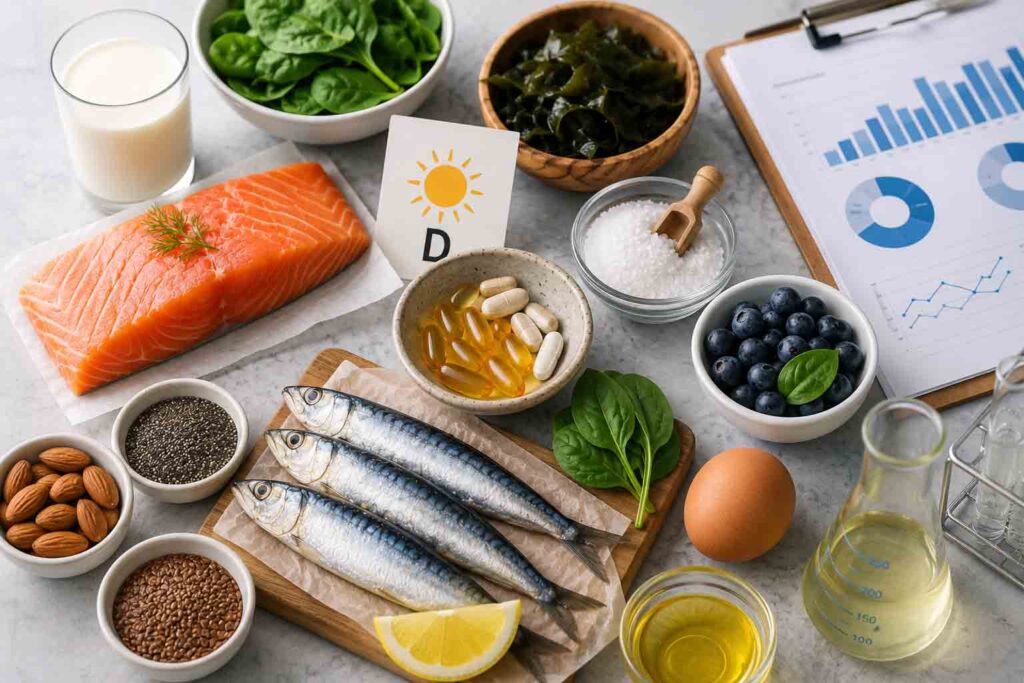
Perhaps the most striking revelation from the 2026 CDC Nutrition Report involves Omega-3 fatty acids. By utilizing newly collected data on red blood cell fatty acid profiles, the CDC determined that 98% of the American public falls below the optimal threshold for Omega-3 levels.
EPA and DHA
Omega-3s are polyunsaturated fats. The most biologically active and crucial forms for human health are eicosapentaenoic acid (EPA) and docosahexaenoic acid (DHA), which are primarily found in marine environments. A third type, alpha-linolenic acid (ALA), is found in plants (like flaxseeds and walnuts), but the human body is notoriously inefficient at converting ALA into the highly beneficial EPA and DHA.
Benefits of Omega-3s
EPA and DHA are structural components of cell membranes throughout the body, particularly in the brain and eyes.
- Heart Health: Omega-3s are renowned for their cardiovascular benefits. They significantly lower triglyceride levels, slightly lower blood pressure, reduce blood clotting, and decrease the risk of strokes and heart failure.
- Brain Health: DHA is highly concentrated in the brain and is vital for cognitive function. Emerging research continues to link adequate Omega-3 levels with a lower risk of cognitive decline, dementia, and Alzheimer’s disease.
- Inflammation: These fatty acids interrupt the biological pathways that cause systemic inflammation, offering relief for conditions like rheumatoid arthritis.
Current Intake Trends
The CDC’s calculation of the Omega-3 index (the percentage of EPA and DHA in red blood cell membranes) indicates a widespread dietary failure. An optimal index is considered to be 8% or higher, which provides the maximum protective benefit for the heart. With nearly the entire population falling below this mark, it is clear that the standard Western diet is severely lacking in marine-based nutrients.
Fish vs Supplements
While fish oil, krill oil, and algae-based DHA supplements are immensely popular and effective at raising the Omega-3 index, health experts generally recommend a “food first” approach. Consuming whole fish provides a matrix of other vital nutrients, including high-quality protein, Vitamin D, selenium, and B vitamins, which work synergistically in the body. Supplements should bridge the gap for those who cannot or will not consume seafood, but they cannot entirely replicate the broad nutritional benefits of whole foods.
Practical Tips for a Balanced Diet
Correcting the nutritional deficits highlighted by the CDC does not require extreme dieting or expensive, unproven wellness fads. It requires a return to balanced, whole-food nutrition. Below is an actionable checklist to help you align your daily eating habits with optimal biochemical health.
| Food Category | Nutrient Focus | Practical Daily/Weekly Habit |
|---|---|---|
| Seafood | Omega-3s (EPA/DHA), Iodine, Vitamin D | Aim for at least two servings of fatty fish (like salmon, sardines, or mackerel) per week. If pregnant, ensure the fish is low in mercury. |
| Dairy Products | Iodine, Calcium, Fortified Vitamin D | Incorporate 1-2 servings of yogurt or milk daily. Check labels to ensure your milk is fortified with Vitamin D. |
| Eggs | Vitamin D, Choline, Protein | Eat whole eggs (including the yolk, where the Vitamin D resides) several times a week. Opt for pasture-raised if possible. |
| Vegetables | Folate, Fiber, Antioxidants | Fill half your plate with dark leafy greens (spinach, kale) and cruciferous vegetables. |
| Nuts & Seeds | ALA Omega-3s, Magnesium, Healthy Fats | Snack on a handful of walnuts or add ground flaxseeds and chia seeds to your morning oatmeal or smoothies. |
| Whole Grains | B Vitamins, Fiber | Swap refined white bread and pasta for quinoa, brown rice, and whole-wheat alternatives. |
| Seasoning | Iodine | Ensure the salt in your pantry is explicitly labeled as “Iodized Salt.” |
Frequently Asked Questions
1. Should everyone take a Vitamin D supplement? Not necessarily. While supplementation is highly beneficial for those with documented deficiencies, the CDC report shows a rising trend of excess Vitamin D in the blood. Because Vitamin D is fat-soluble and can accumulate to toxic levels, it is highly recommended to consult a healthcare professional and get a blood test before starting high-dose supplements.
2. What foods contain the most iodine? The most potent natural sources of iodine are seaweed and marine fish (such as cod and tuna). In the everyday diet, iodized table salt and dairy products (milk, cheese, yogurt) are the most common and reliable sources.
3. Are Omega-3 supplements necessary if I don’t eat fish? Yes. Because the body cannot efficiently create EPA and DHA on its own, individuals who consume no seafood (including vegans and vegetarians) are at a high risk for a low Omega-3 index. An algae-based Omega-3 supplement is highly recommended in these cases to support heart and brain health.
4. Can too much Vitamin D be harmful? Yes. Consuming too much Vitamin D can cause a condition called hypercalcemia, which involves abnormally high levels of calcium in the blood. This can lead to severe digestive distress, kidney stones, and long-term renal damage.
5. How can I improve my nutrition naturally? Focus on a varied, whole-food diet that limits highly processed foods and added sugars. Incorporate fatty fish twice a week, use iodized salt in moderation, consume plenty of dark leafy greens, and spend a safe, brief amount of time in the sun to naturally stimulate Vitamin D production. Always prioritize getting nutrients from food before turning to pills.
Final Thoughts
The release of the 2026 CDC National Report on Biochemical Indicators of Diet and Nutrition is a powerful reminder that our bodies operate on a delicate biochemical balance. While public health interventions like folic acid fortification have successfully protected millions, the modern dietary landscape has introduced new challenges. The sharp decline in iodine levels, the near-universal deficit in Omega-3 fatty acids, and the surprising rise in Vitamin D toxicity due to over-supplementation paint a complex picture of American health.
The most important takeaway from this extensive, 24-year data analysis is that achieving optimal health is rarely about extremes. It is not about eliminating entire food groups, nor is it about blindly consuming handfuls of synthetic supplements. True nutritional resilience comes from a balanced, varied diet rich in whole foods, mindful sun exposure, and targeted, medically supervised supplementation only when necessary.
As always, individual nutritional needs vary greatly based on age, genetics, and pre-existing conditions. Readers should consult with licensed healthcare professionals or registered dietitians before making significant changes to their dietary habits or starting new supplement regimens.
Internal Links
- Explore how diet and lifestyle impact cognitive aging in our breakdown of the WHO Dementia Prevention Guidelines 2026.
- Stay up to date with the latest innovations and medical research in our Future Health articles category.
External References
The scientific data and nutritional guidelines referenced in this article are derived from the following authoritative public health organizations:
- Centers for Disease Control and Prevention (CDC) – National Report on Biochemical Indicators of Diet and Nutrition
- National Institutes of Health (NIH) – Office of Dietary Supplements
- World Health Organization (WHO) – Nutrition Landscape Information System
- U.S. Food and Drug Administration (FDA) – Dietary Guidelines
SEO Requirements
- SEO Title: CDC Nutrition Report 2026: Vitamin D, Iodine & Omega-3 Facts
- Meta Description: Discover what the latest CDC Nutrition Report 2026 reveals about Vitamin D excess, falling iodine levels, and the critical Omega-3 deficit impacting health.
- Suggested URL Slug: cdc-nutrition-report-2026-vitamin-d-iodine-omega-3
- Focus Keyword: CDC Nutrition Report 2026
- 20 SEO Tags: CDC Nutrition Report 2026, Vitamin D, Omega-3, Iodine, Healthy Nutrition, Nutrient Deficiency, Balanced Diet, Public Health Nutrition, Healthy Eating, Nutrition Guidelines, 2026 Health News, NHANES data, Vitamin D toxicity, EPA and DHA benefits, thyroid health, heart health diet, iodine deficiency, dietary supplements, food first approach, biochemical indicators.
📌 Related Links
- NIH Office of Dietary Supplements: Vitamin D Fact Sheet
- NIH Office of Dietary Supplements: Iodine Fact Sheet
- NIH Office of Dietary Supplements: Omega-3 Fatty Acids Fact Sheet
- WHO: Healthy Diet Fact Sheet
- CDC: Nutrition, Physical Activity and Obesity
📚 References & Sources
- NIH Office of Dietary Supplements: Official consumer fact sheets detailing the biochemical roles, daily requirements, and health impacts of Vitamin D, Iodine, and Omega-3s.
- CDC / WHO: Comprehensive public health data, nutritional guidelines, and the 2026 reports on global and national dietary trends.
- USDA / MedlinePlus: Trusted medical resources and dietary guidelines for maintaining a balanced, nutrient-rich diet.
💡 함께 읽으면 좋은 우리 블로그 글 (Internal Links)
- 2026 WHO Dementia Prevention Guidelines (Best 완벽 가이드)
- 2026 Global Cancer Cases: WHO Warning (Best 가이드)