Author: Dreamscape Echo

  • WHO Warns Global Cancer Cases Could Nearly Double by 2050: What You Need to Know

    WHO Warns Global Cancer Cases Could Nearly Double by 2050: What You Need to Know

    Meta Description: The WHO projects global cancer cases could reach 35 million by 2050. Discover the driving factors behind these global cancer statistics and how to reduce your risk.

    Cancer has long been one of the most formidable public health challenges of our time, but a recent warning from the World Health Organization (WHO) has put the future trajectory of this disease into sharp perspective. According to the latest epidemiological models and global cancer statistics, the world is facing a staggering surge in new cancer diagnoses over the next few decades.

    As we look toward the middle of the 21st century, the numbers paint a concerning picture of global health. However, this projection is not an inescapable fate. The WHO emphasizes that a significant percentage of these future cases can be mitigated through aggressive public health initiatives, early cancer detection, and the widespread adoption of a healthy lifestyle.

    In this comprehensive guide, we will break down the latest WHO cancer cases 2050 projection, explore the primary risk factors driving this surge, and provide actionable, evidence-based strategies to help you protect your long-term health and embrace healthy aging.

    Why Cancer Cases Are Rising Worldwide

    To understand the alarming forecasts for the coming decades, we must first look at the interconnected factors driving the current global increase in cancer incidence. The surge is not the result of a single cause, but rather a complex convergence of demographic shifts, environmental changes, and modern lifestyle habits.

    First and foremost is the reality of an aging global population. Cancer is fundamentally a disease of aging; as cellular DNA replicates over decades, the likelihood of genetic mutations increases. Because advancements in modern medicine have successfully extended human lifespans and reduced mortality from infectious diseases, more people are living long enough to develop age-related conditions like cancer.

    Additionally, globalization has led to rapid lifestyle transitions. Populations in rapidly developing nations are increasingly adopting behaviors previously associated with high-income Western countries. This includes consuming diets high in ultra-processed foods, leading increasingly sedentary lives, and experiencing higher rates of obesity.

    Environmental factors also play a critical role. Rapid urbanization has exposed billions of people to higher levels of air pollution, industrial chemicals, and environmental toxins. Finally, profound healthcare inequalities persist. In many parts of the world, a lack of access to early screening and preventative care means that precancerous conditions are not caught in time, ultimately driving up global cancer statistics.

    WHO’s Latest Cancer Projection

    The figures released by the World Health Organization serve as a profound wake-up call for health ministries, medical professionals, and everyday citizens alike. Currently, the world sees approximately 20.6 million new cancer cases each year. However, according to the WHO cancer cases 2050 forecast, this number is projected to skyrocket to around 35 million new cases annually by the middle of the century.

    This represents a staggering increase of over 70% in just a few decades. While the absolute number of cases will rise globally, the burden will not be distributed equally. The WHO highlights that low- and middle-income countries (LMICs) will experience the most dramatic proportional increases.

    There are several reasons why LMICs are expected to bear the brunt of this crisis. These nations are currently undergoing the most rapid demographic and lifestyle transitions. Furthermore, many of these countries face a “double burden” of disease. They are still battling high rates of infection-related cancers (such as those caused by HPV and Hepatitis) while simultaneously experiencing a surge in lifestyle-related cancers. Unfortunately, these regions often have the least robust healthcare infrastructures, lacking the necessary resources for widespread early cancer detection, advanced oncology treatments, and palliative care.

    Major Risk Factors for Cancer

    While genetics play a role in cancer development, the WHO consistently emphasizes that a vast number of cancer cases are tied to modifiable risk factors. Understanding these triggers is the first step in cancer prevention.

    Tobacco Use

    Tobacco remains the single greatest preventable cause of cancer worldwide. It is responsible for approximately 25% of all cancer deaths globally. Cigarette smoke contains dozens of known carcinogens that damage DNA. Tobacco use is not only the primary driver of lung cancer but is also heavily linked to cancers of the mouth, throat, esophagus, bladder, and pancreas.

    Alcohol Consumption

    There is a widespread misconception that moderate drinking is safe or even beneficial. However, the WHO has clearly stated that there is no safe level of alcohol consumption when it comes to cancer risk. When the body metabolizes alcohol, it produces acetaldehyde, a toxic chemical that damages DNA and proteins. Alcohol is a major risk factor for cancers of the breast, liver, colon, and esophagus.

    Obesity

    Excess body weight is a silent but potent driver of oncological disease. Adipose (fat) tissue is biologically active; it produces excess hormones (like estrogen) and inflammatory proteins that encourage cells to divide and multiply more rapidly. Obesity is strongly linked to endometrial, breast, kidney, and colorectal cancers.

    Physical Inactivity

    A sedentary lifestyle contributes to obesity, but a lack of movement is an independent risk factor as well. Regular physical activity helps regulate blood sugar, lowers insulin levels, and boosts the immune system, all of which create an environment in the body that is hostile to cancer development.

    Poor Diet

    Diets high in ultra-processed foods, refined sugars, and red or processed meats (like bacon, hot dogs, and deli meats) significantly elevate cancer risk. Conversely, diets lacking in dietary fiber, fruits, and vegetables deprive the digestive system of the protective mechanisms needed to ward off cellular damage, particularly in the colon.

    Air Pollution

    The air we breathe has a direct impact on our cellular health. Outdoor air pollution, specifically fine particulate matter (PM2.5) from vehicle exhaust and industrial emissions, has been classified as a human carcinogen. Chronic exposure to polluted air is a recognized driver of lung cancer, even in individuals who have never smoked a cigarette.

    UV Exposure

    Excessive exposure to ultraviolet (UV) radiation, whether from the sun or artificial sources like tanning beds, is the primary cause of skin cancers, including deadly melanomas. UV rays penetrate the skin and cause direct damage to the cellular DNA, prompting uncontrolled cell growth.

    Viral Infections (HPV, Hepatitis B)

    Infections are responsible for approximately 15% of all cancers worldwide, with higher rates in developing nations. The Human Papillomavirus (HPV) is the leading cause of cervical cancer, while chronic infections with Hepatitis B and Hepatitis C viruses are primary drivers of liver cancer.

    Which Cancers Are Most Common?

    To better understand the global cancer statistics, it is helpful to look at the most frequently diagnosed types of cancer worldwide.

    Breast Cancer

    Breast cancer is the most commonly diagnosed cancer globally and the leading cause of cancer death among women. While risk increases with age and family history, lifestyle factors such as alcohol consumption and obesity significantly elevate the risk. Widespread mammography screening has been vital in reducing mortality rates in high-income countries.

    Lung Cancer

    Lung cancer remains the leading cause of cancer mortality overall. The overwhelming majority of lung cancer cases are directly attributable to smoking and secondhand smoke, though air pollution is playing an increasingly prominent role. Because lung cancer often presents no symptoms until it has reached an advanced stage, it is particularly deadly.

    Colorectal Cancer

    Cancers of the colon and rectum are rising globally, notably among younger adults. This trend is heavily associated with modern dietary habits, particularly the high consumption of processed meats, low intake of dietary fiber, physical inactivity, and rising obesity rates.

    Prostate Cancer

    Prostate cancer is the most common cancer among men in many parts of the world. Because it is highly correlated with advanced age, the aging global population guarantees that prostate cancer numbers will continue to rise. Fortunately, when caught early, it has a very high survival rate.

    Liver Cancer

    Liver cancer is highly lethal and is predominantly driven by chronic Hepatitis B and C infections, as well as heavy alcohol consumption and conditions like fatty liver disease. It disproportionately affects populations in low- and middle-income countries.

    What WHO Recommends for Cancer Prevention

    The projected increase to 35 million cases by 2050 is a worst-case scenario that assumes no intervention. The WHO stresses that between 30% and 50% of all cancer cases are currently preventable. To promote healthy aging and disease prevention, the WHO recommends the following pillars of cancer prevention:

    • Quit Smoking: Stopping tobacco use is the most impactful health decision a person can make. Quitting at any age significantly lowers the risk of developing and dying from cancer.
    • Limit Alcohol: The WHO recommends minimizing alcohol intake or avoiding it entirely. The less alcohol consumed, the lower the risk of developing several major cancers.
    • Maintain a Healthy Weight: Keeping your body mass index (BMI) within a healthy range reduces systemic inflammation and balances hormone levels, cutting the risk of at least 13 different types of cancer.
    • Exercise Regularly: Aim for at least 150 minutes of moderate-intensity aerobic physical activity, or 75 minutes of vigorous-intensity physical activity, every week.
    • Eat More Fruits and Vegetables: Transition to a predominantly plant-based diet. High intakes of whole grains, legumes, fruits, and vegetables provide antioxidants and fiber that protect cellular health. Limit consumption of red meat and avoid processed meats entirely.
    • Get Recommended Vaccinations: Public health campaigns for vaccination are powerful tools. The HPV vaccine can virtually eliminate the risk of cervical cancer, and the Hepatitis B vaccine offers lifelong protection against the primary cause of liver cancer.
    • Participate in Cancer Screening Programs: Follow local public health guidelines for routine screenings (such as mammograms, colonoscopies, and Pap smears).
    • Protect Skin from Excessive Sun Exposure: Use broad-spectrum sunscreen, wear protective clothing, seek shade during peak sunlight hours, and avoid artificial tanning devices.

    Early Detection Saves Lives

    Cancer prevention is about stopping the disease from developing in the first place, but early cancer detection is about finding it before it has the chance to spread. The WHO highlights early detection as a critical component of global cancer control.

    Early detection consists of two main strategies: early diagnosis and screening. Early diagnosis focuses on detecting symptomatic patients as early as possible. This requires public awareness of cancer warning signs—such as unexplained weight loss, persistent coughs, unusual bleeding, or changes in moles—and ensuring that healthcare systems are equipped to evaluate these symptoms rapidly.

    Screening, on the other hand, involves testing healthy individuals who have no symptoms but fall into high-risk age demographics. Common examples include mammography for breast cancer, HPV testing for cervical cancer, and colonoscopies for colorectal cancer.

    When cancer is identified in its earliest stages, it is significantly more likely to respond to treatment. Early-stage cancers can often be treated with less invasive procedures, resulting in higher survival rates, better quality of life for the patient, and vastly reduced treatment costs for healthcare systems.
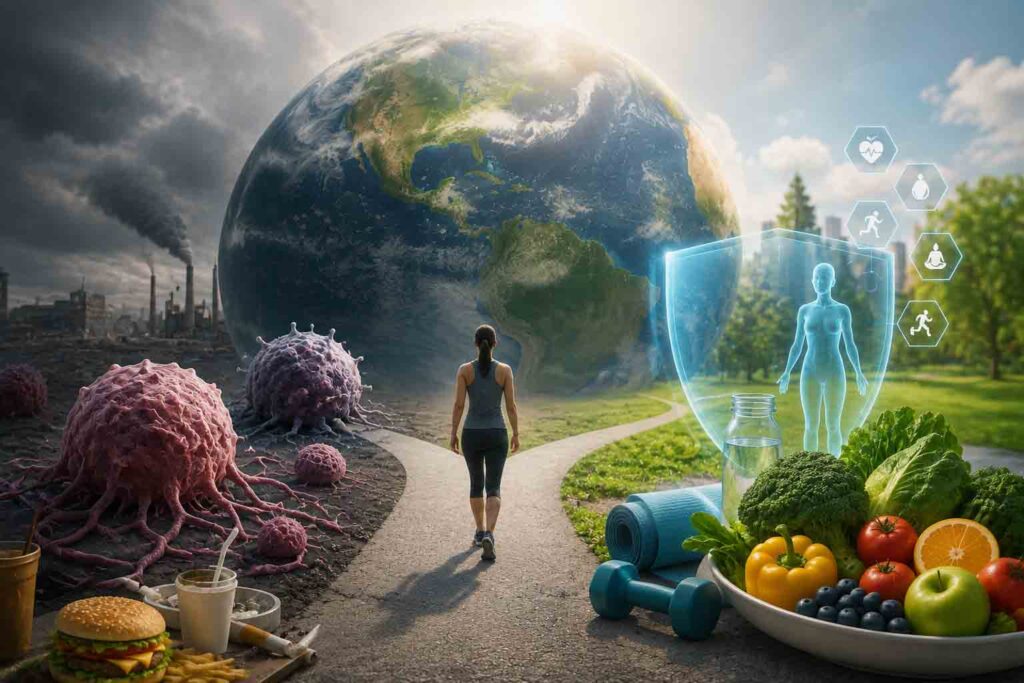
    Practical Daily Habits to Reduce Cancer Risk

    Translating the WHO’s global public health directives into everyday life is entirely achievable. Building a cancer-preventative lifestyle comes down to consistent, daily habits.

    Start by auditing your diet. Make a habit of filling half your plate with colorful vegetables at every meal. Swap out processed snacks for nuts or fresh fruit, and replace red meat with plant-based proteins like beans and lentils a few times a week.

    Incorporate movement into your daily routine. You don’t need to spend hours at the gym; taking a brisk 30-minute walk after dinner, opting for the stairs instead of the elevator, or cycling to work all contribute to your weekly exercise goals.

    Rethink your beverage choices. Replace sugary sodas and alcoholic beverages with water, herbal teas, or black coffee. When attending social events, consider opting for zero-proof mocktails to reduce your alcohol consumption.

    Finally, make preventative healthcare a non-negotiable part of your calendar. Schedule your annual checkups, stay up to date on your vaccinations, apply SPF daily regardless of the weather, and never ignore unusual, persistent changes in your body.

    Frequently Asked Questions

    1. Why are the WHO cancer cases 2050 projections so high? The projection that global cases will reach 35 million by 2050 is primarily driven by the aging of the global population and overall population growth. Additionally, changes in lifestyle, such as increased obesity rates, higher consumption of processed foods, and exposure to environmental pollutants, are accelerating cancer incidence, particularly in developing nations.

    2. Is cancer completely preventable? Not all cancers are preventable, as genetics and age are significant factors that we cannot control. However, the WHO estimates that between 30% and 50% of all cancer cases can be prevented by adopting healthy lifestyle habits and avoiding known risk factors like tobacco and excessive alcohol.

    3. Which cancer is the most common globally? Currently, breast cancer is the most commonly diagnosed cancer worldwide, closely followed by lung cancer. However, lung cancer remains the leading cause of cancer-related deaths globally due to its aggressive nature and the fact that it is often diagnosed at a later stage.

    4. Does air pollution really cause cancer? Yes. The WHO has recognized outdoor air pollution, specifically fine particulate matter (PM2.5), as a Group 1 carcinogen. Breathing polluted air over long periods damages the cellular lining of the lungs, significantly increasing the risk of developing lung cancer.

    5. Can vaccines prevent cancer? Yes, certain vaccines are highly effective at preventing infection-driven cancers. The Human Papillomavirus (HPV) vaccine prevents the infections that cause nearly all cervical cancers, and the Hepatitis B vaccine prevents the chronic liver infections that lead to liver cancer.

    Conclusion

    The WHO’s projection that global cancer cases could reach 35 million by 2050 is a sobering reality check. It highlights the urgent need for robust public health infrastructure, equitable access to medical care, and global cooperation in addressing environmental hazards.

    However, this forecast should empower us rather than cause despair. As individuals, we are not helpless in the face of these statistics. By understanding the major risk factors and taking proactive steps—such as quitting smoking, exercising, eating a balanced diet, and participating in early cancer detection programs—we can drastically reduce our personal risk. Healthy aging is a lifelong journey, and the choices we make today build the foundation for a healthier tomorrow.

    Disclaimer: The information provided in this article is intended for educational and informational purposes only. It does not constitute medical advice, diagnosis, or treatment. Always consult with a qualified healthcare provider regarding any questions you may have about a medical condition, cancer screening, or lifestyle changes.

    📌 Related Links

    📚 References & Sources

    • WHO / IARC: Official global cancer statistics, 2050 epidemiological projections, and identification of environmental and lifestyle carcinogens.
    • American Cancer Society / National Cancer Institute: Evidence-based strategies for early detection, screening protocols, and comprehensive data on major cancer types.
    • CDC: Public health initiatives and guidelines for minimizing modifiable risk factors such as tobacco use, obesity, and physical inactivity.

    🔗 Related Posts

  • WHO Releases New Dementia Prevention Guidelines: Up to 45% of Cases Could Be Prevented or Delayed

    WHO Releases New Dementia Prevention Guidelines: Up to 45% of Cases Could Be Prevented or Delayed

    Meta Description: Discover the newly updated WHO dementia prevention guidelines for 2026. Learn the 14 modifiable risk factors that could prevent or delay up to 45% of cases.

    As the global population ages, cognitive decline and neurodegenerative diseases have emerged as defining public health crises of our time. For decades, many people viewed severe memory loss and cognitive impairment as an unavoidable tragedy of growing older. However, the World Health Organization (WHO) has released a groundbreaking update that radically shifts this narrative from inevitable decline to proactive prevention.

    WHO dementia prevention guidelines. On July 15, 2026, the WHO published the second edition of its global guidelines for the risk reduction of cognitive decline and dementia. Building on years of intensive research and the landmark findings of the Lancet Commission, the latest WHO 2026 guidelines deliver a profoundly hopeful message: up to 45% of all dementia cases worldwide could potentially be prevented or delayed by addressing specific lifestyle and environmental factors.

    This comprehensive guide breaks down the latest WHO dementia prevention guidelines, explores the 14 modifiable risk factors you need to know about, and provides actionable, evidence-based strategies to protect your long-term brain health.

    Why Dementia Is Becoming a Global Health Challenge

    To understand the urgency behind the newly updated WHO dementia prevention guidelines, it is critical to look at the staggering scale of the problem. Dementia is not a single disease but an umbrella term for several progressive brain disorders—the most common being Alzheimer’s disease, which accounts for roughly 60% to 70% of all cases. These conditions impair memory, thinking, behavior, and the ability to perform everyday activities.

    WHO dementia prevention guidelines. Currently, more than 57 million people are living with dementia worldwide, with nearly 10 million new cases diagnosed every single year. As global life expectancies increase, this number is projected to skyrocket. Beyond the devastating emotional toll on individuals and families, dementia places a massive economic burden on global healthcare systems, costing an estimated $1.3 trillion annually. Much of this cost is borne by unpaid family caregivers who sacrifice their own health and income to support their loved ones.

    Because there is currently no cure for Alzheimer’s disease or most other forms of dementia, the global medical community is prioritizing preventative public health strategies. If we can delay the onset of dementia by even just a few years through healthier living, we can drastically reduce the number of people suffering from the condition globally.

    WHO’s New Dementia Prevention Guidelines (2026)

    The WHO first introduced global recommendations for dementia risk reduction in 2019. However, the scientific understanding of the brain has advanced rapidly over the last several years. The updated 2026 guidelines integrate the latest epidemiological data, explicitly confirming that nearly half of all dementia cases are tied to lifestyle, medical, and environmental factors that we have the power to change.

    WHO dementia prevention guidelines. The most notable update in the 2026 publication is the expansion of recognized threats to brain health. While earlier iterations focused heavily on diet, exercise, and cardiometabolic health, the new guidelines officially recognize environmental and sensory factors. For the first time, the WHO has explicitly added air pollution to its dementia prevention guidance, reflecting mounting evidence that long-term exposure to toxic air directly impacts neuroinflammation and cognitive decline.

    By outlining 14 specific, modifiable dementia risk factors, the WHO 2026 report equips policymakers, healthcare providers, and the general public with a clear, science-backed roadmap for healthy aging.

    The 14 Modifiable Risk Factors

    WHO dementia prevention guidelines. According to the latest consensus recognized by the WHO, addressing the following 14 factors across a person’s lifespan can dramatically lower the risk of cognitive decline.

    1. Low Education

    Brain health begins in childhood. Failing to complete secondary education limits what scientists call “cognitive reserve”—the brain’s ability to build dense, resilient neural networks. A higher cognitive reserve allows the brain to sustain age-related damage without showing outward symptoms of memory loss. Lifelong learning and cognitive stimulation at work or through hobbies can help build this reserve even later in life.

    2. Hearing Loss

    Hearing impairment in midlife has emerged as a surprisingly powerful predictor of dementia. When you struggle to hear, your brain has to divert massive amounts of cognitive energy just to decode speech, leaving fewer resources for memory and processing. Hearing loss also frequently leads to social isolation. Correcting hearing loss with clinically prescribed hearing aids can significantly mitigate this risk.

    3. High LDL Cholesterol

    Often referred to as “bad” cholesterol, high levels of LDL in the bloodstream contribute to atherosclerosis (hardening of the arteries). This restricts healthy blood flow to the brain and has been linked to an increased deposition of amyloid plaques, a hallmark of Alzheimer’s disease.

    4. Depression

    Untreated depression, particularly during midlife, takes a physical toll on the brain. Chronic depression elevates stress hormones like cortisol, which can shrink the hippocampus—the brain region strictly responsible for forming and storing memories. Seeking medical and therapeutic treatment for depression is vital for long-term cognitive preservation.

    5. Traumatic Brain Injury (TBI)

    Moderate to severe head injuries, whether from car accidents, falls, or contact sports, physically damage brain tissue and disrupt neural pathways. Sustaining a traumatic brain injury can accelerate the onset of dementia by several years.

    6. Physical Inactivity

    A sedentary lifestyle starves the brain of optimal blood flow. Physical inactivity is closely tied to poor cardiovascular health, reducing the delivery of oxygen and essential nutrients to brain cells.

    7. Diabetes

    Type 2 diabetes is notoriously damaging to the vascular system. Consistently high blood sugar levels cause systemic inflammation and damage the tiny blood vessels in the brain. Furthermore, insulin resistance can impair the brain’s ability to efficiently process glucose, essentially starving brain cells of their primary energy source.

    8. Smoking

    Tobacco use exposes the body to thousands of toxins that damage the cardiovascular system and cause oxidative stress in brain tissue. Smoking accelerates the narrowing of blood vessels, greatly increasing the risk of vascular dementia and Alzheimer’s disease.

    9. Hypertension

    Chronically high blood pressure (hypertension), especially in midlife, places immense strain on the brain’s delicate vascular network. Over time, this pressure can cause silent, microscopic strokes that gradually chip away at cognitive function.

    10. Obesity

    Carrying excess body weight, particularly around the abdomen, drives chronic, low-grade inflammation throughout the body. Obesity is also deeply interconnected with other dementia risk factors like hypertension, diabetes, and physical inactivity.

    11. Excessive Alcohol Consumption

    Heavy drinking is a well-documented neurotoxin. Consuming alcohol in excess shrinks brain volume over time, directly damages neurons, and causes severe memory deficits. Reducing alcohol intake is a universally recommended strategy for protecting brain health.

    12. Social Isolation

    Humans are biologically wired for social connection. Chronic loneliness and social isolation deprive the brain of complex cognitive stimulation (such as reading facial expressions, engaging in conversation, and exercising empathy) while simultaneously increasing the risk of depression.

    13. Air Pollution

    Newly highlighted in the WHO 2026 guidelines, long-term exposure to outdoor and indoor air pollution (specifically fine particulate matter, or PM2.5) has been identified as a critical environmental threat. These microscopic pollutants can cross the blood-brain barrier, triggering neuroinflammation and accelerating the accumulation of toxic proteins in the brain.

    14. Vision Loss

    Similar to hearing loss, untreated visual impairment (such as untreated cataracts or glaucoma) restricts a person’s ability to engage with their environment. Sensory deprivation forces the brain to withdraw, leading to a faster rate of cognitive decline.

    What WHO Recommends

    WHO dementia prevention guidelines. The updated WHO dementia prevention guidelines translate the science of these 14 risk factors into actionable public health advice. To protect cognitive health, the WHO recommends the following comprehensive lifestyle interventions:

    • Regular Physical Activity: Engaging in moderate-intensity aerobic exercise (like brisk walking, swimming, or cycling) paired with strength training is one of the most effective ways to boost brain volume and vascular health.
    • Healthy Diet: A balanced, nutrient-dense diet—such as the Mediterranean diet, which is rich in vegetables, fruits, legumes, whole grains, and lean proteins—helps control weight, blood pressure, and cholesterol.
    • Blood Pressure Control: Aggressively monitoring and managing hypertension from midlife onward is crucial to preventing microvascular damage in the brain.
    • Diabetes Management: Keeping blood sugar levels within a healthy target range through diet, exercise, and prescribed medication protects neural pathways.
    • Hearing and Vision Protection: Attending regular sensory check-ups and using hearing aids or corrective lenses when clinically indicated keeps the brain actively engaged with the surrounding world.
    • Smoking Cessation: Quitting tobacco use at any age immediately begins to lower the risk of cognitive decline and improves systemic vascular health.
    • Maintaining Social Connections: Actively participating in community events, volunteering, or simply spending quality time with friends and family provides essential mental stimulation.
    • Lifelong Learning: Challenging the brain with new skills—such as learning a new language, playing a musical instrument, or taking up a complex hobby—fortifies cognitive reserve.
    • Reducing Exposure to Air Pollution: While largely a policy issue, individuals can reduce risk by utilizing indoor air purifiers, wearing quality masks on high-pollution days, and advocating for cleaner environmental standards.

    Supplements and Dementia Prevention

    WHO dementia prevention guidelines. One of the most heavily debated topics regarding brain health is the use of over-the-counter dietary supplements. The vitamin and supplement industry frequently markets products claiming to boost memory or ward off Alzheimer’s disease. However, the WHO takes a very firm, evidence-based stance on this issue.

    The WHO strongly advises AGAINST the routine use of dietary supplements to prevent dementia.

    Specifically, the guidelines state that there is insufficient scientific evidence to support taking omega-3 fatty acids, vitamin B, vitamin E, or multivitamin-mineral complexes solely for the purpose of reducing dementia risk in people who do not have a clinically diagnosed nutritional deficiency. In some cases, high doses of certain vitamins can even pose health risks that outweigh any hypothetical benefits.

    The WHO emphasizes that humans should obtain these essential nutrients through a well-balanced diet rather than synthetic pills. Supplements should only be introduced into your routine if a medical professional has diagnosed a specific deficiency (such as a severe Vitamin B12 deficiency, which can mimic dementia symptoms if left untreated).

    Additionally, the guidelines explicitly recommend against using menopausal hormone therapy for the purpose of dementia risk reduction, as current evidence does not support its efficacy for brain health and may carry other medical risks.

    Everyday Habits That Support Brain Health

    WHO dementia prevention guidelines. Translating global health directives into your daily routine does not require drastic, overnight transformations. Small, consistent lifestyle adjustments compound over time to support healthy aging. Here are practical ways to incorporate the WHO’s recommendations into your everyday life:

    1. Move More Throughout the Day: You don’t have to run marathons. Aim for 30 minutes of brisk walking most days of the week. Take the stairs, garden, or do household chores with vigor.
    2. Eat for Your Heart and Brain: Prioritize heart-healthy fats (like olive oil and avocados), dark leafy greens, and fatty fish. Limit ultra-processed foods, added sugars, and excess sodium.
    3. Schedule Annual Check-Ups: Don’t skip your routine physicals. Ask your doctor to check your blood pressure, HbA1c (blood sugar), and lipid panel (cholesterol). If the numbers are high, work on a plan to lower them.
    4. Protect Your Head: Always wear a seatbelt in the car, and use a high-quality helmet when cycling, skiing, or participating in contact sports.
    5. Check Your Hearing and Vision: If you find yourself constantly asking people to repeat themselves or turning up the TV volume, get an audiogram. Wearing a hearing aid is a powerful, proven way to protect your brain.
    6. Stay Socially Active: Join a local club, take a group fitness class, or set up weekly phone calls with long-distance friends.
    7. Monitor Indoor Air Quality: Invest in a HEPA air purifier for your home, especially if you live in a dense urban area or near a major roadway, to minimize PM2.5 inhalation.

    Frequently Asked Questions

    1. What are the WHO dementia prevention guidelines for 2026? The 2026 guidelines are an updated set of evidence-based recommendations published by the World Health Organization on July 15, 2026. They detail how addressing 14 modifiable risk factors—such as hypertension, hearing loss, and air pollution—can prevent or delay up to 45% of global dementia cases.

    2. Can air pollution really cause dementia? Yes. Emerging scientific consensus has led the WHO to officially recognize air pollution as a modifiable risk factor. Long-term exposure to fine particulate matter (PM2.5) can cross into the brain, causing neuroinflammation and increasing the likelihood of cognitive decline.

    3. Should I take omega-3 supplements to prevent Alzheimer’s disease? The WHO explicitly advises against taking omega-3 supplements (or vitamins B and E) routinely for dementia prevention. Unless you have a medical deficiency diagnosed by a doctor, you should aim to get your omega-3s naturally through a healthy diet that includes fish, nuts, and seeds.

    4. Does treating hearing loss reduce dementia risk? Yes. Hearing loss places an excessive cognitive load on the brain and can lead to social isolation. Research indicates that using hearing aids when clinically necessary is one of the most effective interventions for protecting midlife and late-life cognitive function.

    5. Is it ever too late to start preventing cognitive decline? It is never too late. While the WHO emphasizes a “life-course approach”—meaning brain health starts in early childhood with good education—making healthy lifestyle changes in your 60s, 70s, and 80s can still significantly delay the progression of cognitive decline and improve your overall quality of life.

    Conclusion

    WHO dementia prevention guidelines. The release of the WHO dementia prevention guidelines in 2026 marks a turning point in how we approach global brain health. By definitively identifying that up to 45% of dementia cases are tied to 14 modifiable risk factors, the World Health Organization has provided a blueprint for profound public health transformation. From managing blood pressure and blood sugar to staying socially engaged and fighting air pollution, the power to influence our cognitive destiny is increasingly in our own hands. By adopting a heart-healthy, socially active, and mentally stimulating lifestyle, we can protect our minds and embrace healthy aging.

    Disclaimer: This article is for informational and educational purposes only and does not constitute medical advice. The information provided is based on public health guidelines from the World Health Organization. Always consult with a qualified healthcare professional before making any changes to your diet, exercise routine, or medical treatment plan, or before starting or stopping any supplements or medications.


    📌 Related Links

    📚 References & Sources

    • WHO / Alzheimer’s Disease International: Global guidelines on dementia risk reduction, epidemiological data, and the 14 modifiable risk factors including air pollution.
    • Alzheimer’s Association / National Institute on Aging: Comprehensive resources on cognitive decline, neurodegenerative diseases, and lifestyle interventions for brain health.
    • CDC: Public health strategies and evidence-based approaches for managing chronic conditions like hypertension and diabetes to prevent vascular dementia.

    💡 함께 읽으면 좋은 우리 블로그 글 (Internal Links)

  • Vitamin D, Iodine, and Omega-3: What the Latest CDC Nutrition Report Reveals

    Vitamin D, Iodine, and Omega-3: What the Latest CDC Nutrition Report Reveals

    Public health and nutrition remain at the absolute forefront of preventative medicine. Understanding what our bodies need to function optimally—and identifying where our modern diets fall short—is crucial for reducing the burden of chronic diseases. In June 2026, the Centers for Disease Control and Prevention (CDC) released a monumental update: the National Report on Biochemical Indicators of Diet and Nutrition in the U.S. Population. This exhaustive report analyzes over two decades of data, offering a highly accurate snapshot of the nation’s nutritional status.

    Instead of relying solely on dietary surveys, which can be prone to human error, the CDC measured 131 distinct nutritional biomarkers in blood and urine samples from 1999 to 2023. This biological data provides an objective, scientific look at exactly what is happening inside the human body on a population-wide scale. While the report highlights several public health successes, it also exposes startling trends regarding three critical nutrients: Vitamin D, Iodine, and Omega-3 fatty acids.

    Whether you are a health-conscious adult, a caregiver, or simply looking to age gracefully, understanding these findings is essential. This article breaks down the 2026 CDC Nutrition Report, explores the science behind these vital nutrients, and offers practical, evidence-based strategies to optimize your daily diet.

    Why the CDC Nutrition Report Matters

    The CDC’s periodic nutrition reports serve as a vital compass for public health officials, medical professionals, and everyday citizens. They are fundamentally built upon data gathered from the National Health and Nutrition Examination Survey (NHANES), an ongoing, uniquely comprehensive program that combines detailed health interviews with physical examinations and laboratory tests.

    Purpose of the Report

    The primary purpose of the CDC Nutrition Report is to provide a highly accurate, biochemical assessment of the population’s nutritional status over time. By tracking how nutrient levels rise and fall across different age groups, sexes, and ethnicities, scientists can evaluate the effectiveness of public health initiatives, such as food fortification programs, and identify emerging nutritional crises before they cause widespread medical emergencies.

    Public Health Importance

    Without objective biomarker data, public health recommendations would be little more than guesswork. The 2026 report is particularly significant because it covers nearly 24 years of data, allowing researchers to observe long-term trends. It visually and statistically summarizes how dietary habits, supplement usage, and environmental factors have physically altered our internal biochemistry. This information directly influences the formulation of national dietary guidelines, shapes pediatric care, and guides clinical practices regarding when to recommend dietary supplements.

    Key Findings from the 2026 Release

    The June 2026 release brought several major nutritional shifts into sharp focus:

    • The Omega-3 Deficit: For the first time, the CDC calculated the Omega-3 index across the population. The results were alarming: over half of the U.S. population has an undesirable Omega-3 index, and approximately 98% fall below the optimal level (an index of >8%) required for robust cardiovascular health.
    • The Vitamin D Paradox: Over the past two decades, mean serum Vitamin D concentrations increased by about 20%, driven largely by a massive surge in dietary supplement use. However, this has led to a new problem: the prevalence of excess Vitamin D in the blood increased from less than 1% to 8% among individuals aged six and older.
    • The Iodine Decline: Mean urine iodine concentrations decreased by 10% to 30% since the early 2000s, with young women of reproductive age frequently bordering on insufficiency.
    • Folate and Iron Concerns: While historical folic acid fortification remains a success, the prevalence of folate insufficiency and iron deficiency increased by nearly 6 percentage points in women of reproductive age.

    Vitamin D: Benefits, Risks, and Current Trends

    Vitamin D is unique among vitamins because it functions more like a hormone in the body. While most micronutrients must be acquired exclusively through food, the human body can synthesize Vitamin D when the skin is directly exposed to ultraviolet (UVB) radiation from the sun.

    Why Vitamin D is Important

    Vitamin D is absolutely essential for the maintenance of a healthy skeletal system. Its primary role is to promote calcium absorption in the gut; without adequate Vitamin D, the body can only absorb a fraction of the calcium consumed, leading to weakened, brittle bones (osteoporosis in adults and rickets in children). Beyond bone health, Vitamin D receptors are found throughout the body, playing critical roles in modulating immune function, reducing systemic inflammation, and supporting neuromuscular communication.

    Signs of Deficiency

    Despite the increase in overall population levels noted in the CDC report, deficiency remains a concern for specific groups, including those with darker skin (which naturally blocks UVB rays), older adults, and individuals living in northern latitudes with limited winter sunlight. Symptoms of severe deficiency can be subtle but often include:

    • Chronic fatigue and low energy
    • Frequent bone and joint pain, particularly in the lower back
    • Muscle weakness or cramping
    • Increased susceptibility to respiratory infections
    • Slow wound healing

    Excess Intake Concerns

    The 2026 CDC Nutrition Report highlights a growing, unintended consequence of the wellness industry: Vitamin D toxicity. Because Vitamin D is a fat-soluble vitamin, the body cannot easily flush out excess amounts through urine. Instead, it accumulates in fat tissues.

    The report notes that 8% of the population now exhibits excess levels of Vitamin D, primarily due to heavy supplementation. This condition, known as hypervitaminosis D, causes an abnormal buildup of calcium in the blood (hypercalcemia). This can lead to severe nausea, vomiting, kidney stones, and in extreme cases, irreversible kidney damage and dangerous heart arrhythmias.

    Food Sources

    Relying on diet rather than high-dose supplements is generally the safest way to maintain adequate levels. Excellent natural food sources include:

    • Fatty fish (salmon, trout, mackerel)
    • Cod liver oil
    • Egg yolks (specifically from pasture-raised hens)
    • Fortified foods (cow’s milk, plant-based milk alternatives, fortified cereals)

    Safe Supplementation

    If you suspect you are deficient, the most responsible course of action is to have a medical professional perform a simple 25-hydroxyvitamin D blood test. This allows your healthcare provider to recommend a precise, safe dosage rather than blindly consuming high-potency over-the-counter supplements.

    Iodine: An Essential Nutrient Many People Forget

    Iodine rarely receives the same mainstream attention as Vitamin C or Vitamin D, but it is an indispensable trace element. The CDC’s finding that urinary iodine concentrations have dropped by up to 30% over the last twenty years is a quiet but significant public health warning.

    Thyroid Health

    The human body requires iodine for one specific, life-sustaining purpose: the synthesis of thyroid hormones (thyroxine or T4, and triiodothyronine or T3). The thyroid gland, located at the base of the neck, regulates the body’s metabolic rate, heart rate, digestive function, muscle control, and bone maintenance. Without sufficient iodine, the thyroid simply cannot produce these hormones, leading to a sluggish, malfunctioning metabolism.

    Deficiency Risks

    When iodine intake is chronically low, the thyroid gland enlarges as it struggles to capture any available iodine from the blood—a condition known as a goiter. More significantly, inadequate iodine leads to hypothyroidism, characterized by extreme fatigue, unexplained weight gain, feeling cold, and depression.

    The stakes are highest for pregnant women and developing infants. Iodine is critical for fetal neurodevelopment. Severe deficiency during pregnancy can lead to irreversible intellectual disabilities and stunted physical growth in the child. The CDC report’s noting that women of reproductive age are bordering on insufficiency highlights an urgent need for dietary correction.

    Best Food Sources

    The iodine content in food largely depends on the iodine content of the soil and water where the food was grown or raised. The most reliable sources include:

    • Seaweed: Kelp, nori, and wakame are incredibly rich in iodine.
    • Seafood: Cod, tuna, shrimp, and oysters.
    • Dairy Products: Milk, yogurt, and cheese (often due to iodine used in dairy farming sanitization).
    • Iodized Salt: The most common and effective public health intervention globally.

    Recommended Intake

    The recommended dietary allowance for iodine for most adults is 150 micrograms (mcg) per day. For pregnant women, the requirement jumps to 220 mcg, and for breastfeeding women, 290 mcg. Using a half-teaspoon of iodized salt daily is generally enough to meet the adult requirement, but as more people shift to non-iodized sea salts or strictly avoid sodium, accidental iodine deficiency is becoming more common.

    Omega-3 Fatty Acids and Brain & Heart Health

    Perhaps the most striking revelation from the 2026 CDC Nutrition Report involves Omega-3 fatty acids. By utilizing newly collected data on red blood cell fatty acid profiles, the CDC determined that 98% of the American public falls below the optimal threshold for Omega-3 levels.

    EPA and DHA

    Omega-3s are polyunsaturated fats. The most biologically active and crucial forms for human health are eicosapentaenoic acid (EPA) and docosahexaenoic acid (DHA), which are primarily found in marine environments. A third type, alpha-linolenic acid (ALA), is found in plants (like flaxseeds and walnuts), but the human body is notoriously inefficient at converting ALA into the highly beneficial EPA and DHA.

    Benefits of Omega-3s

    EPA and DHA are structural components of cell membranes throughout the body, particularly in the brain and eyes.

    • Heart Health: Omega-3s are renowned for their cardiovascular benefits. They significantly lower triglyceride levels, slightly lower blood pressure, reduce blood clotting, and decrease the risk of strokes and heart failure.
    • Brain Health: DHA is highly concentrated in the brain and is vital for cognitive function. Emerging research continues to link adequate Omega-3 levels with a lower risk of cognitive decline, dementia, and Alzheimer’s disease.
    • Inflammation: These fatty acids interrupt the biological pathways that cause systemic inflammation, offering relief for conditions like rheumatoid arthritis.

    Current Intake Trends

    The CDC’s calculation of the Omega-3 index (the percentage of EPA and DHA in red blood cell membranes) indicates a widespread dietary failure. An optimal index is considered to be 8% or higher, which provides the maximum protective benefit for the heart. With nearly the entire population falling below this mark, it is clear that the standard Western diet is severely lacking in marine-based nutrients.

    Fish vs Supplements

    While fish oil, krill oil, and algae-based DHA supplements are immensely popular and effective at raising the Omega-3 index, health experts generally recommend a “food first” approach. Consuming whole fish provides a matrix of other vital nutrients, including high-quality protein, Vitamin D, selenium, and B vitamins, which work synergistically in the body. Supplements should bridge the gap for those who cannot or will not consume seafood, but they cannot entirely replicate the broad nutritional benefits of whole foods.

    Practical Tips for a Balanced Diet

    Correcting the nutritional deficits highlighted by the CDC does not require extreme dieting or expensive, unproven wellness fads. It requires a return to balanced, whole-food nutrition. Below is an actionable checklist to help you align your daily eating habits with optimal biochemical health.

    Food CategoryNutrient FocusPractical Daily/Weekly Habit
    SeafoodOmega-3s (EPA/DHA), Iodine, Vitamin DAim for at least two servings of fatty fish (like salmon, sardines, or mackerel) per week. If pregnant, ensure the fish is low in mercury.
    Dairy ProductsIodine, Calcium, Fortified Vitamin DIncorporate 1-2 servings of yogurt or milk daily. Check labels to ensure your milk is fortified with Vitamin D.
    EggsVitamin D, Choline, ProteinEat whole eggs (including the yolk, where the Vitamin D resides) several times a week. Opt for pasture-raised if possible.
    VegetablesFolate, Fiber, AntioxidantsFill half your plate with dark leafy greens (spinach, kale) and cruciferous vegetables.
    Nuts & SeedsALA Omega-3s, Magnesium, Healthy FatsSnack on a handful of walnuts or add ground flaxseeds and chia seeds to your morning oatmeal or smoothies.
    Whole GrainsB Vitamins, FiberSwap refined white bread and pasta for quinoa, brown rice, and whole-wheat alternatives.
    SeasoningIodineEnsure the salt in your pantry is explicitly labeled as “Iodized Salt.”

    Frequently Asked Questions

    1. Should everyone take a Vitamin D supplement? Not necessarily. While supplementation is highly beneficial for those with documented deficiencies, the CDC report shows a rising trend of excess Vitamin D in the blood. Because Vitamin D is fat-soluble and can accumulate to toxic levels, it is highly recommended to consult a healthcare professional and get a blood test before starting high-dose supplements.

    2. What foods contain the most iodine? The most potent natural sources of iodine are seaweed and marine fish (such as cod and tuna). In the everyday diet, iodized table salt and dairy products (milk, cheese, yogurt) are the most common and reliable sources.

    3. Are Omega-3 supplements necessary if I don’t eat fish? Yes. Because the body cannot efficiently create EPA and DHA on its own, individuals who consume no seafood (including vegans and vegetarians) are at a high risk for a low Omega-3 index. An algae-based Omega-3 supplement is highly recommended in these cases to support heart and brain health.

    4. Can too much Vitamin D be harmful? Yes. Consuming too much Vitamin D can cause a condition called hypercalcemia, which involves abnormally high levels of calcium in the blood. This can lead to severe digestive distress, kidney stones, and long-term renal damage.

    5. How can I improve my nutrition naturally? Focus on a varied, whole-food diet that limits highly processed foods and added sugars. Incorporate fatty fish twice a week, use iodized salt in moderation, consume plenty of dark leafy greens, and spend a safe, brief amount of time in the sun to naturally stimulate Vitamin D production. Always prioritize getting nutrients from food before turning to pills.

    Final Thoughts

    The release of the 2026 CDC National Report on Biochemical Indicators of Diet and Nutrition is a powerful reminder that our bodies operate on a delicate biochemical balance. While public health interventions like folic acid fortification have successfully protected millions, the modern dietary landscape has introduced new challenges. The sharp decline in iodine levels, the near-universal deficit in Omega-3 fatty acids, and the surprising rise in Vitamin D toxicity due to over-supplementation paint a complex picture of American health.

    The most important takeaway from this extensive, 24-year data analysis is that achieving optimal health is rarely about extremes. It is not about eliminating entire food groups, nor is it about blindly consuming handfuls of synthetic supplements. True nutritional resilience comes from a balanced, varied diet rich in whole foods, mindful sun exposure, and targeted, medically supervised supplementation only when necessary.

    As always, individual nutritional needs vary greatly based on age, genetics, and pre-existing conditions. Readers should consult with licensed healthcare professionals or registered dietitians before making significant changes to their dietary habits or starting new supplement regimens.

    Internal Links

    External References

    The scientific data and nutritional guidelines referenced in this article are derived from the following authoritative public health organizations:

    SEO Requirements

    • SEO Title: CDC Nutrition Report 2026: Vitamin D, Iodine & Omega-3 Facts
    • Meta Description: Discover what the latest CDC Nutrition Report 2026 reveals about Vitamin D excess, falling iodine levels, and the critical Omega-3 deficit impacting health.
    • Suggested URL Slug: cdc-nutrition-report-2026-vitamin-d-iodine-omega-3
    • Focus Keyword: CDC Nutrition Report 2026
    • 20 SEO Tags: CDC Nutrition Report 2026, Vitamin D, Omega-3, Iodine, Healthy Nutrition, Nutrient Deficiency, Balanced Diet, Public Health Nutrition, Healthy Eating, Nutrition Guidelines, 2026 Health News, NHANES data, Vitamin D toxicity, EPA and DHA benefits, thyroid health, heart health diet, iodine deficiency, dietary supplements, food first approach, biochemical indicators.

    📌 Related Links

    📚 References & Sources

    • NIH Office of Dietary Supplements: Official consumer fact sheets detailing the biochemical roles, daily requirements, and health impacts of Vitamin D, Iodine, and Omega-3s.
    • CDC / WHO: Comprehensive public health data, nutritional guidelines, and the 2026 reports on global and national dietary trends.
    • USDA / MedlinePlus: Trusted medical resources and dietary guidelines for maintaining a balanced, nutrient-rich diet.

    💡 함께 읽으면 좋은 우리 블로그 글 (Internal Links)


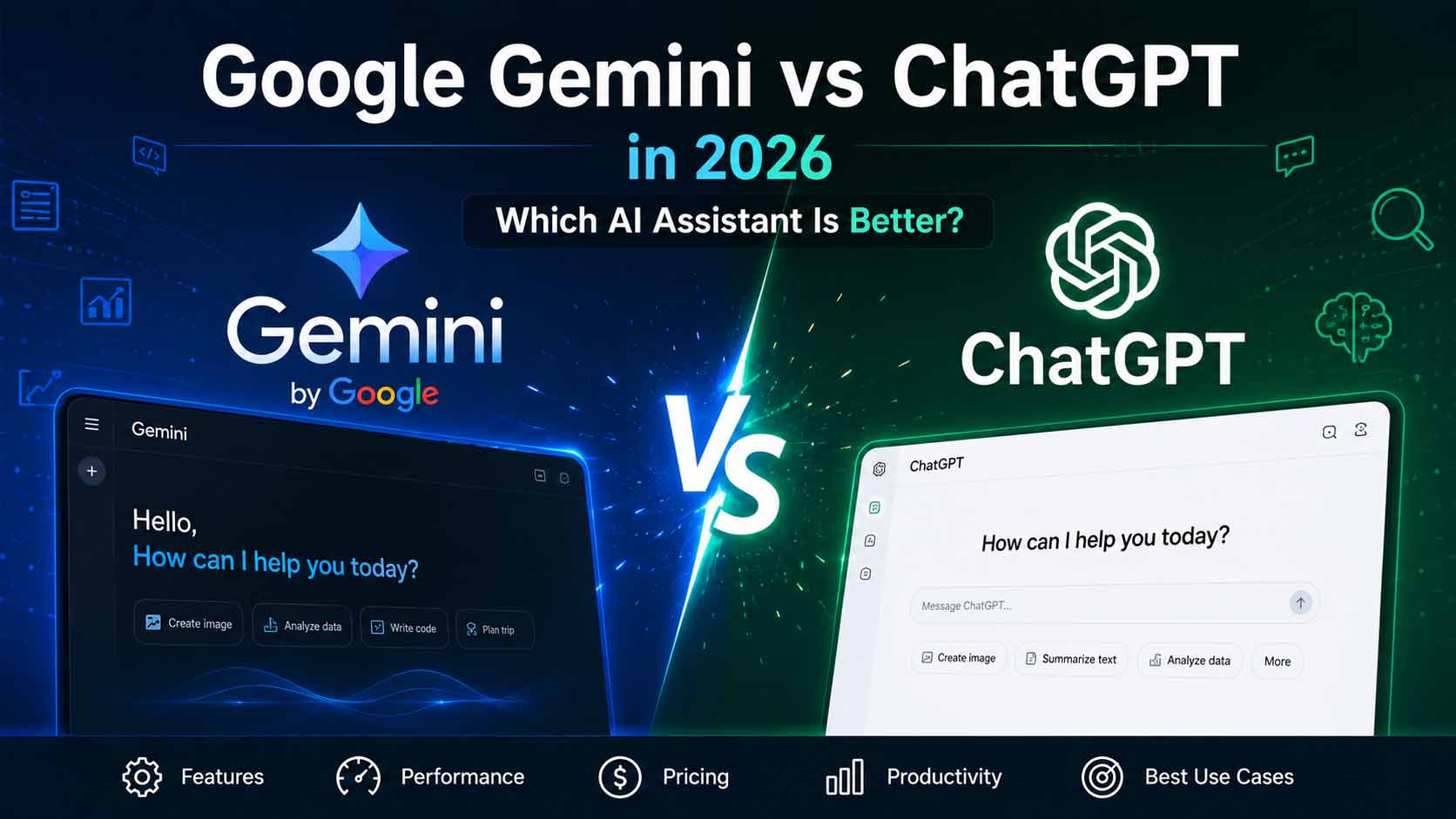
  • Google Gemini vs ChatGPT in 2026: Which AI Assistant Is Better?

    Google Gemini vs ChatGPT in 2026: Which AI Assistant Is Better?

    Introduction

    Artificial intelligence has evolved from an experimental tech demo into an indispensable companion for daily productivity, creative work, and complex decision-making. As we navigate 2026, generative AI assistants are integrated into web browsers, mobile operating systems, office suites, and enterprise workflows. Millions of users rely on AI every single day to summarize complex documents, write production-grade code, draft strategic plans, and generate visual artwork.

    Google Gemini vs ChatGPT. At the forefront of this AI revolution stand two undisputed titans: Google Gemini and OpenAI ChatGPT. Both platforms have invested billions of dollars into research, expanding context windows, introducing real-time voice and video multimodal capabilities, and integrating complex reasoning architectures.

    However, as both tools become increasingly sophisticated, choosing the right assistant for your specific workflow has become more challenging. Is Google’s deep integration with Search and Workspace superior, or does OpenAI’s specialized reasoning and developer ecosystem hold the crown? This comprehensive head-to-head comparison evaluates features, performance, pricing, and real-world usability to help you determine which AI assistant reigns supreme in 2026.

    What is Google Gemini?

    Google Gemini is Google’s flagship multimodal AI model, designed from the ground up to seamlessly process and combine different types of information, including text, code, audio, images, and video. Integrated deeply into Google’s vast consumer and enterprise ecosystem, Gemini powers search features, Google Workspace apps (Docs, Gmail, Drive, Slides), and Android mobile devices.

    Key Features and Strengths

    • Massive Context Window: Gemini leads the industry with native support for processing millions of tokens of context in a single prompt. This allows users to upload entire books, hours of video, or massive code repositories for instant analysis.
    • Native Ecosystem Integration: Gemini connects directly to Google Drive, Gmail, Docs, Maps, and YouTube, allowing the assistant to pull real-time personal data and web information without switching tabs.
    • Multimodal Native Architecture: Unlike models that stitch separate vision or speech modules onto a text core, Gemini was trained multimodally from inception, delivering smooth, real-time voice conversations and precise visual recognition.
    • Deep Web Grounding: Leveraging Google’s search index, Gemini offers reliable, up-to-the-minute web retrieval with direct source citations.

    Supported Platforms and Use Cases

    Gemini is available via a dedicated web web interface, native mobile applications on Android and iOS, and direct integration within Google Workspace for Business and Education. Typical use cases include research over massive document sets, automated email drafting, real-time trip planning with Google Maps, and enterprise data analysis.

    What is ChatGPT?

    ChatGPT, developed by OpenAI, is the revolutionary conversational AI assistant that sparked the generative AI boom. In 2026, ChatGPT operates on OpenAI’s state-of-the-art model lineup, combining flagship multimodal intelligence with specialized reasoning architectures that mimic step-by-step human problem-solving.

    Key Features and Strengths

    • Advanced Reasoning Engine: OpenAI’s reasoning series allows ChatGPT to execute deliberate, multi-step logical chains before responding, making it exceptionally strong in advanced mathematics, science, and complex logic puzzles.
    • The Canvas Interface: ChatGPT features an interactive workspace called Canvas, designed specifically for writing and coding projects. It enables side-by-side editing, inline feedback, and granular revisions without rewriting whole prompts.
    • Custom GPTs and Store: Users can build and deploy custom-tailored GPT assistants with specialized knowledge bases and custom actions, tapping into a massive public directory of community-built tools.
    • Advanced Voice Mode: Delivering near-zero latency, human-like cadence, emotional tone modulation, and real-time interruption capabilities, ChatGPT’s voice interface remains a benchmark for natural voice interaction.

    Supported Platforms and Use Cases

    ChatGPT is accessible via web browsers, native desktop apps for macOS and Windows, mobile apps for iOS and Android, and enterprise API endpoints. Common applications include software development, creative writing, instructional tutoring, complex data transformation, and workflow automation.

    Feature Comparison

    To help you quickly gauge how both platforms perform across core tasks, here is a breakdown of their primary capabilities:

    Feature CategoryGoogle GeminiOpenAI ChatGPTWinner
    Writing & ToneHighly natural, objective, customizable tone slidersFluid, highly creative, excellent structural adaptabilityTie
    Coding & RefactoringStrong code generation, huge context for full reposExceptional debugging, step-by-step reasoning, Canvas editorChatGPT
    Image GenerationPowered by Imagen 3; high photorealism & text renderingPowered by DALL-E 3; high artistic precision & prompt adherenceTie
    Deep ResearchIngests up to 2M tokens; direct access to live Google SearchStrong web browser; excellent synthesis of academic papersGemini
    Reasoning & LogicStrong general logic; fast processing speedsSpecialized reasoning models for STEM and complex logicChatGPT
    Processing SpeedExtremely fast throughput, near-instant responsesFast standard output; slower deliberate reasoning modesGemini
    Factual AccuracyHigh grounding with real-time web citationsHigh accuracy; occasional hallucinations in non-reasoning modeGemini
    User ExperienceClean, minimalist, deeply tied to Google WorkspaceFeature-rich, customizable, dedicated workspace modesChatGPT

    Writing and Editing

    Both AI assistants excel at natural language generation, but they approach tone and structure differently.

    Google Gemini leans toward a clean, concise, and structured writing style. It excels at synthesizing technical documentation into clear, bulleted executive summaries. Its direct integration with Google Docs means you can draft, edit, and format documents right inside your workspace without copying and pasting.

    ChatGPT, on the other hand, exhibits greater stylistic flexibility. Whether you need a formal grant proposal, a dramatic narrative, or an engaging marketing script, ChatGPT adapts quickly to nuanced persona requests. Its Canvas interface provides a dedicated side-by-side editor where you can highlight specific paragraphs to adjust reading levels, edit line by line, or polish prose with fine control.

    Coding and Software Engineering

    For developers, both tools offer powerful assistance, but their strengths diverge based on project scale.

    Gemini’s massive context window is a game-changer for large-scale codebase analysis. You can upload an entire repository or a 500-page API documentation framework, and Gemini will accurately map dependencies, identify bugs, or explain legacy functions across thousands of lines of code simultaneously.

    ChatGPT remains the preferred choice for active development and complex debugging. Its dedicated reasoning capabilities break down intricate algorithmic problems step-by-step before writing code. Combined with the coding Canvas, developers can review code diffs, run inline refactoring, and generate unit tests seamlessly.

    Image Generation and Media Capabilities

    Visual asset creation is a core component of both AI suites.

    Gemini utilizes Google’s Imagen 3 engine, producing crisp, photorealistic images with remarkable handling of complex lighting, textures, and legible text within images. It excels at generating realistic stock photography, promotional material, and natural landscapes.

    ChatGPT leverages DALL-E 3, which stands out for strict prompt adherence and artistic imagination. DALL-E 3 understands complex spatial relationships and stylized artistic directions exceptionally well, making it ideal for conceptual art, vector-style illustrations, and creative branding concepts.

    Deep Research and Context Handling

    When analyzing massive quantities of information, Gemini holds a distinct structural advantage. With native support for context windows spanning up to two million tokens, Gemini can swallow dense legal briefs, academic textbooks, or hours of recorded audio in a single prompt. It reads through raw data rapidly and cross-references facts against Google’s real-time search index.

    ChatGPT approaches deep research through structured web search modules and academic search tools. While its standard context window is smaller than Gemini’s, its ability to iteratively search the web, evaluate source credibility, and synthesize multi-page research digests makes it a powerful academic companion.

    Reasoning and Problem Solving

    In advanced mathematical proofs, symbolic logic, and multi-variable problem-solving, ChatGPT’s dedicated reasoning architecture gives it an edge. When faced with complex logic puzzles or graduate-level science questions, ChatGPT pauses to construct a silent chain of thought, checking its own work before presenting the final answer.

    Gemini offers robust general reasoning and rapid calculation speed, making it highly effective for everyday business logic, financial forecasting, and general analysis. However, for deep multi-step algorithmic challenges, ChatGPT provides slightly higher consistency.

    Pricing Comparison

    Both platforms offer robust free tiers alongside premium subscription plans tailored for power users, teams, and enterprises.

    Google Gemini Pricing Structure:
    ├── Free Tier: Access to standard Gemini model, basic Google extensions, standard context limits.
    ├── Gemini Advanced (Google One AI Premium): ~$19.99/month
    │   ├── Access to flagship Gemini models
    │   ├── 2 Million token context window
    │   ├── 2TB Google One cloud storage included
    │   └── Workspace integration (Docs, Gmail, Drive)
    └── Business & Enterprise: Custom seat-based enterprise pricing with admin controls and data privacy guarantees.
    
    OpenAI ChatGPT Pricing Structure:
    ├── Free Tier: Access to standard GPT models, limited custom GPT usage, standard voice capabilities.
    ├── ChatGPT Plus: ~$20.00/month
    │   ├── Priority access to flagship models & reasoning series
    │   ├── Full access to Canvas editor, DALL-E 3, and Advanced Voice
    │   ├── Higher messaging limits and custom GPT creation
    └── ChatGPT Team & Enterprise: $25–$30+/user/month with team workspaces, administrative analytics, and zero data training policies.
    

    If you are already paying for extra Google Drive storage, Gemini Advanced offers tremendous value because it bundles a 2TB Google One storage plan into the $19.99 monthly fee. ChatGPT Plus costs virtually the same but focuses all its value directly on standalone AI productivity tools.

    Which AI is Better for Students?

    For academic research, study planning, and homework assistance, both tools offer unique advantages depending on your field of study.

    • Choose Google Gemini if: You are conducting extensive literature reviews or reading long textbooks. Gemini allows you to upload entire PDFs, lecture recordings, and slide decks at once, turning them into instant study guides, flashcards, or practice quizzes.
    • Choose ChatGPT if: You are studying STEM subjects, computer science, or advanced mathematics. ChatGPT’s step-by-step reasoning engine acts as an interactive tutor, walking you through complex equations, physics problems, and logic proofs without jumping straight to the answer.

    Which AI is Better for Businesses?

    For corporate productivity, enterprise communication, and workflow automation, the deciding factor often comes down to your existing software stack.

    • Choose Google Gemini if: Your company is fully invested in Google Workspace (Gmail, Google Docs, Drive, Sheets, and Meet). Gemini operates directly inside your daily workflow—it can draft email replies based on previous email threads, summarize long Google Meet recordings, and build Google Slides presentations automatically from Drive documents.
    • Choose ChatGPT if: Your business requires customized workflow assistants and standalone creative tools. With Custom GPTs, companies can build internal knowledge bots trained on HR policies, customer support guidelines, or sales playbooks without writing code.

    Which AI is Better for Content Creators?

    Digital marketers, YouTubers, bloggers, and copywriters need AI assistants that can brainstorm ideas, write compelling copy, and assist with multimedia production.

    • Choose Google Gemini if: You produce video content or rely heavily on real-time trends. Gemini can analyze YouTube videos directly via URL, draft SEO-optimized video scripts, generate realistic promotional images via Imagen 3, and verify facts using live Google Search data.
    • Choose ChatGPT if: You write long-form articles, creative stories, or social media campaigns. The Canvas editor makes refining prose effortless, while DALL-E 3 allows you to maintain stylistic consistency across graphic design assets.

    Which AI is Better for Developers?

    Software engineers, data scientists, and DevOps professionals demand precision, fast execution, and excellent code comprehension from an AI tool.

    Developer Decision Matrix:
    
    Large Codebase Auditing / Heavy Documentation ──> Google Gemini (2M Token Window)
    Complex Algorithmic Logic / Interactive Refactoring ──> ChatGPT (Canvas & Reasoning Series)
    
    • Choose Google Gemini if: You need to refactor legacy code, analyze massive full-stack repositories, or digest thousands of pages of API documentation in one go.
    • Choose ChatGPT if: You want an interactive pair-programmer. The Canvas interface lets you debug code side-by-side, generate comprehensive unit tests, translate code between programming languages, and solve complex architectural bottlenecks.

    Pros and Cons

    Google Gemini

    Pros

    • Massive 2M token context window handles enormous files effortlessly.
    • Seamless integration with Google Workspace, Android, and Google Search.
    • Gemini Advanced includes 2TB of Google One cloud storage.
    • Ultra-fast generation speeds and real-time multimodal capabilities.

    Cons

    • Fewer specialized creative writing modes compared to ChatGPT.
    • Lacks a dedicated community marketplace for custom user-built bots.
    • Can occasionally be over-conservative in safety guardrails for creative prompts.

    OpenAI ChatGPT

    Pros

    • Exceptional reasoning capabilities for complex logic, math, and coding.
    • Interactive Canvas workspace simplifies writing and code editing.
    • Vast ecosystem of Custom GPTs and community plugins.
    • Superior Advanced Voice mode with expressive emotional range.

    Cons

    • Standard context window is smaller than Gemini’s flagship offering.
    • No bundled cloud storage or native Google Workspace integration.
    • Deliberate reasoning modes can take longer to process responses.

    Expert Analysis

    When evaluating Google Gemini and OpenAI ChatGPT side-by-side in 2026, it becomes clear that there is no single “winner” for every user. Instead, the AI landscape has bifurcated into two distinct operational paradigms: Ecosystem Integration vs. Standalone Intelligence.

    Google Gemini represents the ultimate ecosystem assistant. By embedding AI directly into Google Search, Gmail, Docs, and Android, Google has minimized friction. Users do not need to alter their habits; Gemini meets them inside the apps they already use every day. Its ability to process millions of tokens makes it an unmatched research engine for digesting heavy media and enterprise documentation.

    OpenAI ChatGPT represents the quintessential standalone AI toolkit. OpenAI has focused on deepening the core problem-solving capabilities of its models. With specialized reasoning architectures, the Canvas editing environment, and an expressive voice engine, ChatGPT feels like a dedicated, highly skilled digital partner. It excels when you need deep, focused work—whether that means architecting complex software or writing a novel.

    Rather than competing on identical grounds, Gemini has become the ultimate assistant for information retrieval and workflow integration, while ChatGPT remains the premier tool for creative iteration and complex reasoning.

    Frequently Asked Questions

    1. Which AI is more accurate in 2026, Gemini or ChatGPT?

    Both systems have drastically reduced hallucination rates compared to earlier generations. Gemini generally offers stronger real-time factual accuracy for current events due to its direct integration with Google Search. ChatGPT provides higher accuracy in formal logic, mathematics, and complex code execution due to its deliberate reasoning modes.

    2. Can I use Google Gemini and ChatGPT for free?

    Yes, both platforms offer robust free tiers. Free users can access conversational text generation, basic web browsing, image creation, and standard mobile app functionality on both services.

    3. What is the main benefit of Gemini’s 2 million token context window?

    A 2 million token context window allows you to feed the AI massive amounts of information in a single prompt—such as a 1,500-page book, an entire software code repository, or a 1-hour video file—and ask specific questions or generate summaries without losing context.

    4. Is ChatGPT Plus worth $20 a month in 2026?

    If you rely heavily on advanced coding, creative writing, step-by-step logic, or frequent voice interactions, ChatGPT Plus remains one of the best productivity investments available. Access to Canvas, reasoning models, and Custom GPTs easily justifies the cost for power users.

    5. Does Google Gemini Advanced include Google One storage?

    Yes. The Gemini Advanced subscription is bundled into the Google One AI Premium Plan, which includes 2TB of cloud storage for Google Drive, Gmail, and Google Photos, adding significant value for existing Google users.

    6. Which AI generates better images, Imagen 3 or DALL-E 3?

    Imagen 3 (in Gemini) generally produces higher photorealism, natural textures, and cleaner typography within images. DALL-E 3 (in ChatGPT) excels at understanding complex, stylized prompts, artistic directions, and imaginative concepts.

    7. Can ChatGPT access real-time internet information?

    Yes, ChatGPT has integrated web browsing capabilities that allow it to search the live internet, summarize current news, and cite sources with links.

    8. Which AI assistant is better for privacy and data security?

    Both Google and OpenAI offer enterprise-grade privacy plans (Gemini for Google Workspace and ChatGPT Enterprise) where user data and prompts are strictly excluded from AI model training datasets. Free and standard consumer tiers may use non-sensitive interaction data for model improvement unless opted out.

    9. Can Gemini analyze YouTube videos directly?

    Yes. Because Gemini is built by Google, you can paste a YouTube URL into Gemini and ask it to summarize the video, highlight key timestamps, or extract specific information from the audio transcript.

    10. Can I create my own custom AI tools on these platforms?

    ChatGPT allows users to create “Custom GPTs” with unique instructions, uploaded reference files, and API actions. Gemini offers customized “Gems,” allowing users to tailor system prompts and behaviors for repetitive tasks.

    Conclusion

    Choosing between Google Gemini and OpenAI ChatGPT in 2026 depends entirely on your daily tools, primary goals, and personal workflow preference.

    • Get Google Gemini if: You live inside the Google ecosystem, rely on Google Workspace apps, frequently analyze massive documents or video files, and want an AI assistant that seamlessly handles real-time web information while giving you 2TB of cloud storage.
    • Get OpenAI ChatGPT if: You need an elite pair-programmer, a sophisticated writing partner, an interactive tutor for STEM subjects, or a customizable AI tool with dedicated workspace environments like Canvas.

    Both AI assistants represent the pinnacle of modern technology. For many professionals, the ideal setup isn’t choosing one over the other, but using Gemini for information gathering and document management while leveraging ChatGPT for deep reasoning, drafting, and problem-solving.

    📌 Related Links

    📚 References & Sources

    • Google / Google DeepMind: Official resources and technical documentation on Google Gemini’s multimodal architecture and ecosystem integration.
    • OpenAI: Architectural insights and announcements regarding ChatGPT, reasoning models, and search capabilities.
    • Microsoft / Anthropic: Supporting industry context on the competitive landscape of generative AI and enterprise AI assistants.

    💡 함께 읽으면 좋은 우리 블로그 글 (Internal Links)

  • Google Faces Major AI Training Lawsuit: What It Means for the Future of Generative AI

    Google Faces Major AI Training Lawsuit: What It Means for the Future of Generative AI

    Introduction The rapid evolution of artificial intelligence has brought about unprecedented technological breakthroughs, but it has also ignited some of the most complex legal battles of the 21st century. At the center of this legal storm is a massive Google AI lawsuit that threatens to reshape the landscape of machine learning, copyright law, and the digital economy. As artificial intelligence models transition from experimental novelties to everyday utilities, the foundational question of how these models learn has come under intense scrutiny.

    Google AI lawsuit. Generative AI models are incredibly powerful, capable of writing essays, coding software, and generating photorealistic images in seconds. However, these systems do not possess innate knowledge; they are trained on vast datasets scraped from the internet. This process has led to a colossal clash between tech giants and content creators. The current Google copyright lawsuit represents a watershed moment. It is not just about a single company or a single algorithm; it is a fundamental debate over who owns the internet’s data and how that data can be monetized.

    As we look at the core of this legal dispute, it becomes clear that the outcome will dictate the trajectory of AI regulation and set the standard for the future of AI. Whether you are a casual internet user, a digital publisher, or an AI developer, the implications of this lawsuit will inevitably affect how you interact with information online.

    What Happened? The controversy surrounding AI training data has been brewing for years, culminating in a series of high-stakes lawsuits against major AI developers. In this specific legal battle, a coalition of prominent authors, Google AI lawsuit. news publishers, and media organizations has filed a sweeping lawsuit against Google. These plaintiffs allege that the tech giant unlawfully scraped, copied, and utilized their copyrighted materials to build and refine its generative AI systems, most notably Google Gemini.

    The Plaintiffs and the Allegations The plaintiffs involved in this lawsuit represent a broad spectrum of the publishing industry. They include independent authors, major book publishers like Hachette Book Group, Cengage Learning, and Elsevier, alongside prominent figures such as bestselling author Scott Turow. According to the lawsuit, Google is accused of ingesting massive quantities of copyrighted text—including books, paywalled news articles, opinion pieces, and digital media—without seeking permission or offering compensation.

    The core allegation is that Google Gemini and its underlying large language models (LLMs) were built on the backs of these creators. The plaintiffs argue that by using their protected works as AI training data, Google committed copyright infringement on a massive scale. They claim that the AI systems are not only copying their work during the training phase but also generating outputs that closely mimic the style, tone, and sometimes the exact phrasing of the original copyrighted materials.

    The Connection to Google Gemini Google Gemini, the company’s flagship multimodal AI model, is at the heart of this dispute. Designed to compete with and surpass other leading AI models, Gemini is deeply integrated into Google’s ecosystem, powering everything from search summaries to enterprise software. To achieve its high level of sophistication, Gemini required an astronomical amount of training data. The plaintiffs allege that this data pipeline indiscriminately vacuumed up copyrighted works, essentially turning the life’s work of human authors into free fuel for a highly profitable commercial product.

    Why This Lawsuit Matters This Google AI lawsuit is far more than a standard corporate dispute; it strikes at the very foundation of how the generative AI industry operates. The legal questions raised here will likely set binding precedents for decades to come.

    AI Model Training and the Scraping Economy To understand the gravity of the lawsuit, one must understand AI model training. Google AI lawsuit. Generative AI relies on scraping billions of parameters from the web. The models analyze this data to learn language patterns, grammar, facts, and reasoning capabilities. If courts rule that this ingestion process is inherently illegal without explicit licensing, the fundamental architecture of AI development will have to be rebuilt from the ground up.

    Copyright Law and the Fair Use Debate The lawsuit places a spotlight on the limitations of current copyright law. Traditional copyright was designed to protect creators from direct piracy—someone copying a book and selling it. Generative AI complicates this because it does not simply copy and paste; it “learns” from the text. This brings us to the Fair Use debate. Does training a neural network constitute a transformative, fair use of copyrighted material, or is it merely high-tech plagiarism?

    Impact on Publishers and Authors For publishers and authors, this is an existential crisis. The internet is already a challenging environment for monetization. If an AI can read an entire news site and summarize its contents for a user in seconds, the user has no reason to click through to the original publisher. This deprives publishers of ad revenue, subscription conversions, and site traffic. Authors are similarly threatened by AI models that can mimic their unique writing styles and produce competing works, potentially devaluing human creativity.
    Ethical Concerns Google AI lawsuit. Beyond the legal framework, there are profound ethical concerns. Many creators feel violated knowing their hard work was used to train machines that might eventually replace them. The lawsuit highlights the need for an ethical approach to AI development, where consent and compensation are prioritized over rapid technological advancement.

    Google’s Possible Defense Google AI lawsuit. While the courts will ultimately decide the facts of the case, Google—like other AI giants facing similar litigation—has a robust set of legal arguments it could deploy. Google AI lawsuit. It is important to note that these are possible legal positions based on the framework of U.S. copyright law, not established judicial facts.

    The Fair Use Doctrine Google’s primary defense will likely center on the Fair Use doctrine. In the United States, Fair Use allows for the limited use of copyrighted material without permission for purposes such as criticism, news reporting, teaching, and research. Google could argue that training an AI model is a highly transformative use of the data.

    Transformative Use Google AI lawsuit. Under a transformative use defense, Google could assert that its AI does not reproduce the plaintiffs’ works to compete with them directly. Instead, the AI extracts statistical correlations, patterns, and linguistic structures to create something entirely new: a dynamic, interactive digital brain. Because the AI converts text into mathematical weights and biases within a neural network, Google could argue that it is not distributing copyrighted works, but rather learning from them in a way akin to a human reading a book at a public library.

    Publicly Available Information Google AI lawsuit. Another potential argument is the nature of the internet itself. Google could point out that much of the AI training data was freely accessible on the open web. The tech giant might argue that if a website does not explicitly block web crawlers, the data is fair game for indexing and analysis, an argument that has historically protected search engine operations.

    AI Innovation and Public Benefit Finally, Google may lean on the broader societal implications of the lawsuit. They could argue that overly restrictive interpretations of AI copyright would stifle American technological innovation. By framing generative AI as a critical tool for national competitiveness, scientific research, and economic growth, Google could position its data practices as a necessary step for the greater public good.

    How This Could Affect Generative AI The ripple effects of this Google copyright lawsuit will extend far beyond Mountain View. Every major player in the artificial intelligence sector is watching this case closely, as the verdict will directly impact their business models.

    Impact on Tech Giants (OpenAI, Anthropic, Meta, Microsoft) If the plaintiffs secure a decisive victory, it will set a legal precedent that will immediately threaten companies like OpenAI, Anthropic, Meta, and Microsoft. All of these companies rely on similar data-scraping methodologies to train their LLMs. A ruling against Google could trigger an avalanche of injunctions and copycat lawsuits across the industry, forcing these tech giants to completely halt training or retroactively purge copyrighted data from their existing models—a process known as “machine unlearning,” which is technically incredibly difficult, if not impossible.

    The Survival of AI Startups Google AI lawsuit. While companies with trillion-dollar market caps might be able to afford massive licensing fees to continue operating, AI startups could be devastated. If the future of AI requires paying millions of dollars to content conglomerates for clean, licensed training data, the barrier to entry will become insurmountable for small innovators. This could lead to an oligopoly where only the wealthiest tech companies can afford to develop foundational AI models.

    AI Regulation and the Future of AI Google AI lawsuit. This lawsuit may force the hand of lawmakers. Currently, AI regulation is a patchwork of disparate global policies. A messy, protracted legal battle could prompt Congress or international bodies to draft specific legislation regarding AI training data. We 단ould see the creation of mandatory collective licensing systems, similar to how radio stations pay to broadcast music, ensuring that creators are compensated whenever their work is ingested by a machine.

    What It Means for Website Owners For digital publishers, bloggers, and website owners, the Google AI lawsuit touches on the very survival of their digital properties. The shift from traditional search engines to AI-driven answers is already altering the internet economy.

    AI-Generated Search and SEO Google is rapidly integrating AI into its search results, providing users with direct, synthesized answers rather than a list of blue links. If Google is allowed to train on publishers’ data indefinitely, website owners fear that traditional Search Engine Optimization (SEO) will become obsolete. Users will simply read the AI’s summary and leave, resulting in a massive loss of organic traffic.

    Generative Engine Optimization (GEO) Website owners are already pivoting from SEO to GEO (Generative Engine Optimization). GEO focuses on optimizing content so that AI models cite the website as a primary source in their generated responses. Google AI lawsuit. However, if the lawsuit forces Google to alter its algorithm or compensate creators, the entire strategy behind GEO could shift overnight.

    Content Ownership and Licensing A victory for the plaintiffs could empower website owners. It could lead to the development of standardized protocols where websites can easily opt-in or opt-out of AI training. More importantly, it could open up a lucrative new revenue stream: content licensing. Large publishing networks could negotiate exclusive data-sharing deals with AI companies, turning their archives into highly valuable assets.

    What It Means for Everyday Users Google AI lawsuit. While the lawsuit is a battle of billionaires and publishing titans, the outcome will directly affect everyday internet users, students, professionals, and creatives.

    The Future of AI Tools Millions of people rely on AI tools daily to draft emails, write code, plan itineraries, and brainstorm ideas. If the courts impose strict copyright limitations, the quality of these AI tools could degrade. Without access to a broad, diverse dataset of high-quality human writing, generative AI might become less accurate, more repetitive, and prone to hallucinations.

    The End of “Free” AI? Currently, many powerful AI models are available for free or for a relatively low monthly subscription. If AI companies are suddenly required to pay billions of dollars in licensing fees to authors and publishers, those costs will inevitably be passed down to the consumer. The era of free, unrestricted access to state-of-the-art AI could come to an end.

    Impact on Students and Businesses Students who use AI for research and businesses that integrate AI into their customer service and content creation workflows will need to navigate a new landscape. If AI outputs are deemed to contain unlicensed copyrighted material, end-users might face liability for using AI-generated content in commercial products.

    Protection for Content Creators Google AI lawsuit. On a positive note, for the millions of independent artists, writers, and musicians on the internet, this lawsuit offers hope. It represents a pushback against the non-consensual use of their art, potentially restoring their ability to control how their creations are used and ensuring they are fairly compensated in the digital age.

    Expert Analysis Google AI lawsuit. Legal scholars, technologists, and economists are deeply divided on the Google AI lawsuit. Analyzing the situation requires balancing the undeniable benefits of AI innovation against the fundamental rights of creators.

    On one side, copyright maximalists argue that theft is theft, regardless of how advanced the technology is. They point out that AI companies are building multi-billion-dollar empires using raw materials they acquired for free. From this perspective, requiring AI companies to license data is not just legally sound; it is morally necessary to prevent the collapse of the creative economy.

    On the other side, techno-optimists and some legal experts caution against applying 20th-century copyright paradigms to 21st-century technology. They argue that human authors read thousands of books to develop their own writing styles without paying royalties to the original authors. If the courts rule that an AI’s mathematical analysis of text is a copyright violation, it could effectively criminalize the core mechanism of machine learning, handing a massive geopolitical advantage to countries with looser intellectual property laws.

    Ultimately, experts suggest that a middle ground must be found—perhaps a modern digital framework that allows for the fair use of data for algorithmic training, coupled with a transparent royalty system that rewards the human creators whose work makes the AI intelligent in the first place.

    Frequently Asked Questions

    1. What is the Google AI lawsuit about? The lawsuit is a legal challenge brought by authors and publishers who allege that Google used their copyrighted books, articles, and content without permission or compensation to train its generative AI models, such as Google Gemini.
    2. How does AI training data relate to copyright infringement? Generative AI models learn by analyzing massive amounts of text. Plaintiffs argue that downloading and processing their copyrighted works to build a commercial AI product violates their exclusive rights to control and monetize their intellectual property.

    3. What is Google’s likely defense? Google is expected to argue that training an AI is protected under the Fair Use doctrine. They will likely claim that the process is “transformative” because it creates a new digital tool (a neural network) rather than distributing exact copies of the original works.
    4. How will this lawsuit affect Google Gemini? If Google loses, it may be forced to pay significant damages, alter how Gemini is trained, or even remove certain data from the model. This could temporarily affect the performance of Gemini and slow down future updates.
    5. Will this affect other AI companies like OpenAI? Yes. The legal precedent set by this Google copyright lawsuit will apply to the entire AI industry. OpenAI, Anthropic, and Meta use similar data-gathering methods, meaning a ruling against Google could trigger a wave of legal and operational challenges for them as well.


    6. Does this mean AI tools will become expensive? It is highly possible. If AI developers are legally required to license all training data, the massive costs of those licenses will likely be passed on to users through higher subscription fees for premium AI tools.
    7. How does this impact website owners and SEO? Website owners are concerned that AI will use their content to answer user queries directly, reducing website traffic. The lawsuit could force AI companies to cite sources better or pay websites for the right to use their data, fundamentally changing SEO strategies.
    8. What happens to the future of AI regulation? This lawsuit is pushing governments to act. It could lead to the establishment of new regulatory frameworks and copyright laws specifically designed for the AI era, ensuring a balance between technological innovation and creator compensation.

    Conclusion Google AI lawsuit. The Google AI lawsuit is much more than a legal squabble over licensing fees; it is a defining moment for the future of generative AI. As artificial intelligence becomes increasingly embedded in our daily lives, the tension between rapid technological progress and the protection of human creativity has reached a breaking point.

    The outcome of this Google copyright lawsuit will echo across the tech industry, influencing everything from AI regulation and AI model training to the future of search engines and digital publishing. Whether the courts side with the rights of content creators or prioritize the transformative potential of AI innovation, the verdict will establish the ground rules for the next era of the internet. As we watch this legal battle unfold, one thing is certain: the wild west of unregulated AI data scraping is rapidly coming to an end.

    📌 Related Links

    📚 References & Sources

    • U.S. Copyright Office: Official legal frameworks, ongoing public studies, and guidelines regarding the intersection of generative AI and intellectual property.
    • Google / Google DeepMind: Technological context on large language model (LLM) training methodologies and fair use defense perspectives.
    • OpenAI / Anthropic: Industry standards on AI safety, data scraping ethics, and the broader implications for global AI regulation.

    💡 함께 읽으면 좋은 우리 블로그 글 (Internal Links)

  • 2026년 로봇청소기 추천 TOP 10

    2026년 로봇청소기 추천 TOP 10

    : 전문가 구매 가이드

    2026년 로봇 청소기가 그 어느 때보다 진화한 이유

    스마트 홈 자동화의 지형은 엄청난 변화를 겪었으며, 이는 바닥 관리 업계에서 가장 두드러지게 나타납니다. 수년 동안 자율 바닥 청소기는 고급스러운 신기한 물건 정도로 여겨졌습니다. 가벼운 표면 청소에는 편리하지만 결국 찌든 때, 구석진 곳, 엉킨 머리카락을 해결하려면 사람의 손길이 필요했기 때문입니다. 2026년 현재, 업계는 진정한 ‘손 하나 까딱하지 않는’ 청소 자율성을 달성했습니다. 여러 엔지니어링 분야의 획기적인 발전 덕분에 최신 로봇 청소기는 몇 달 동안 스스로 유지 보수를 관리하는 포괄적이고 지능적인 가사 도우미로 거듭났습니다.

    • 라이다(LiDAR) 내비게이션: 빛 탐지 및 거리 측정(LiDAR)은 신속하고 밀리미터 단위의 공간 매핑을 위한 골드 표준으로 유지되고 있습니다. 2026년의 프리미엄 모델들은 차세대 개폐식 및 솔리드 스테이트(Solid-state) 라이다 구성을 도입했습니다. 본체 위에서 계속 회전하는 고정된 부피가 큰 탑 형태 대신, 최신 레이저 배열은 본체 내부로 기계적으로 내려가거나 고급 위상 변화 모듈을 사용하여 스캔합니다. 이를 통해 실시간 360도 룸 매핑이 가능해지는 동시에, 기기가 가구, 침대 프레임, 걸레받이 아래의 낮은 공간에도 걸리지 않고 들어가 청소할 수 있는 초슬림 프로필을 구현했습니다.
    • AI 사물 인식: 2026년 로봇 청소기는 풀려 있는 충전 케이블이나 뒹굴고 있는 양말 때문에 전체 청소 주기가 중단되던 시대는 지났습니다. 최신 기기들은 정교한 듀얼 카메라 바이노큘러 스테레오 비전, 3D 구조광 센서, 온보드 신경망 처리 칩을 배치하여 200가지가 넘는 다양한 가정용 사물을 몇 밀리미터 단위의 정밀도로 인식할 수 있습니다. 이러한 인공지능 시스템은 장애물 유형을 즉시 분류하여 가구 다리, 떨어진 장난감, 섬세한 커튼, 반려동물의 배설물 실수를 정확히 구별하고, 흐름을 끊지 않고 청소 경로를 동적으로 조정합니다.
    • 자동 먼지 비움 독(Self-Empty Dock): 강력한 흡입력을 갖춘 자동 먼지 비움 도킹 스테이션의 통합은 매일 해야 하는 유지 보수 작업을 근본적으로 없앴습니다. 청소 주기를 마치고 기기가 도킹하면, 스테이션 내부의 고속 국소 진공 모터가 로봇의 내부 먼지통에서 수집된 먼지, 파편, 반려동물의 비듬을 밀봉된 다층 위생 먼지봉투로 흡입합니다. 최신 2026년형 독은 고급 여과 및 압축 시스템을 갖추고 있어, 사용자가 먼지 날림 없이 빠르게 먼지봉투를 교체하기 전까지 최대 100일 동안 완전히 손을 대지 않고 청소를 맡길 수 있습니다.
    • 자동 물걸레 세척(Self-Washing Mop): 2026년 로봇 청소기는 물걸레질 기술은 단순히 바닥에 젖은 천을 끌고 다니는 수준에서 벗어나 능동적인 자동 세척 스크러빙 시스템으로 진화했습니다. 최신 도킹 베이스는 최대 80°C로 가열된 물을 사용하여 로봇의 회전 패드나 롤러 바를 세척합니다. 이 강력한 열은 잘 지워지지 않는 기름기, 기름때, 끈적이는 주방의 오염물질을 녹여내는 동시에 표면 세균을 99.99% 제거합니다. 또한 지능형 오수 라인 센서가 세척 주기 동안 물의 탁도를 능동적으로 측정하여, 필요한 경우 세척 시간을 자동으로 연장하거나 보조 물걸레 청소를 실행합니다.
    • 자동 열풍 건조(Self-Drying System): 청소 장비 내부에 곰팡이, 이끼 및 불쾌한 꿉꿉한 냄새가 발생하는 것을 방지하려면 수분 관리가 필수적입니다. 물걸레 세척 단계가 끝나면 도킹 스테이션은 저소음, 온도 제어 방식의 열풍 건조 회로를 자동으로 작동시킵니다. 45°C에서 63°C 사이로 가열된 공기를 젖은 물걸레 패드와 베이스 트레이에 직접 지속적으로 순환시킴으로써, 시스템은 2시간 이내에 모든 젖은 부품을 철저히 건조하여 스테이션을 항상 신선하고 위생적인 상태로 유지합니다.
    • 자동 물 채움(Automatic Water Refilling): 2026년 로봇 청소기는 사람의 개입 없이 대형 주택에서도 중단 없는 장시간 물걸레 청소를 지원하기 위해, 최신 도킹 스테이션에는 자동 물 채움 메커니즘이 탑재되어 있습니다. 스테이션은 로봇의 소형 내부 깨끗한 물 탱크에 가열된 물과 정밀한 양의 전용 세정액을 자동으로 보충합니다. 절대적인 편리함을 원하는 가정을 위해, 많은 2026년형 플래그십 모델은 집안의 급수 및 배수 라인에 직접 연결할 수 있어 깨끗한 물 투입과 오수 배출 주기를 완전히 자동화할 수 있습니다.
    • 스마트 홈 통합: 2026년 로봇 청소기는 로봇 바닥 관리 시스템은 더 이상 독립된 개별 앱으로만 작동하지 않습니다. 이 기기들은 더 넓은 스마트 홈 생태계 내에서 핵심적인 구성 요소 역할을 합니다. 범용 Matter 연결 표준을 활용하여 자동화된 보안 어레이, 국소 모션 센서, 스마트 도어록과 원활하게 연결됩니다. 이 고급 연결성을 통해 로봇은 가족이 집을 비우는 시점을 정확히 감지하여 자동으로 깊고 강력한 청소를 시작하고, 누군가 돌아오기 전에 감쪽같이 독으로 복귀합니다.
    • 음성 비서 지원: 2026년 로봇 청소기는 음성 명령 기능은 기본적이 시작 및 정지 트리거를 넘어 자연스럽고 유연한 인간의 음성 대화 처리 단계로 발전했습니다. 고급 오프라인 음성 인식 엔진과 통합 마이크를 활용하여, 사용자는 스마트폰을 만질 필요 없이 기기에 직접 매우 구체적이고 국소적인 명령을 내릴 수 있습니다. “하이 로키, 주방 테이블 아래에 있는 과자 부스러기 좀 청소해 줘”와 같은 명령을 내리면 기기가 시각 AI를 사용하여 정확한 위치를 핀포인트로 찾아내고 즉시 빠른 부분 청소를 실행합니다.
    • 멀티 플로어 매핑(Multi-floor Mapping): 2026년 로봇 청소기는 현대적인 복층 구조는 정교한 멀티 플로어 매핑 알고리즘을 통해 손쉽게 관리됩니다. 기기는 주변 환경을 스캔하는 순간 자신이 어느 층에 놓여 있는지 자동으로 인식하여 서로 다른 레이아웃 맵을 정확하게 기록, 저장 및 구별할 수 있습니다. 동반 앱을 통해 사용자는 각 개별 층별로 방별 특정 매개변수를 맞춤 설정하고, 가상 장벽을 설계하며, 취약한 물건이나 복잡한 계단 주위에 엄격한 진입 금지 구역을 설정할 수 있습니다.
    • 반려동물 털 청소 성능: 2026년 로봇 청소기는 반려동물을 키우는 가정의 경우, 심한 털 날림을 관리하는 것은 역사적으로 중요한 유지 보수의 병목 구간이었습니다. 2026년에 제조업체들은 듀얼 엉킴 방지 빗형 브러시 롤러, 특수 고무 스퀴지, 통합 커팅 빗을 엔지니어링하여 이 과제를 해결했습니다. 이러한 고급 메커니즘은 강력한 흡입력과 함께 작동하여 긴 사람 머리카락과 반려동물 털을 흡입 경로로 직접 유도함으로써, 털 감김률 0%를 유지하고 롤러에서 엉킨 털을 칼로 직접 잘라내야 하는 번거로움을 없앴습니다.

    로봇 청소기 선정 기준

    2026년 로봇 청소기는 귀하의 가정에 이상적인 바닥 관리 자산을 선택하는 데 도움을 주기 위해, 당사의 리뷰 팀은 수십 개의 모델을 대상으로 객관적인 평가 매트릭스를 실행했습니다. 저희의 방법론은 마케팅 수식어를 배제하고 장기적인 성능 데이터, 구조적 내구성, 사용자 경험 지표에 온전히 집중합니다. 저희는 다음과 같은 8가지 고유한 벤치마크를 기준으로 각 후보를 평가했습니다.

    1. 청소 성능(Cleaning Performance): 저파일 카펫, 깊은 러그, 밀봉된 단단한 바닥에서 박혀 있는 모래, 미세 먼지, 무거운 파편, 반려동물 털의 추출 비율을 측정했습니다.
    2. 내비게이션 정확도(Navigation Accuracy): 복잡한 평면도에서 기기가 얼마나 효율적으로 움직이는지, 높은 문턱을 어떻게 평가하는지, 칠흑 같은 어둠 속에서 예상치 못한 작은 장애물을 어떻게 피해 가는지 테스트했습니다.
    3. 배터리 수명(Battery Life): 표준 전력 모드에서 총 작동 시간을 평가하고 충전당 청소 커버리지 면적을 계산하여 대형 주택과의 호환성을 확인했습니다.
    4. 소음 수준(Noise Level): 가정의 청각적 편안함을 보호하기 위해 일반 진공 청소, 강력한 딥 클리닝, 독 유지 보수 단계에서 실시간 데시벨(dBA) 출력을 기록했습니다.
    5. 앱 경험(App Experience): 모바일 인터페이스 내에서 맵 생성 속도, 무선 연결의 안정성, 일정 맞춤 설정, 가상 진입 금지 구역 설정의 용이성을 평가했습니다.
    6. 스마트 기능(Smart Features): AI 오염 감지, 자동 음성 제어, 스마트 홈 표준 통합의 실제 활용 가치를 분석했습니다.
    7. 유지 보수(Maintenance): 사람의 도움 없이 스테이션이 물걸레 패드를 얼마나 효과적으로 세척하고, 내부 통을 비우며, 곰팡이 발생을 방지하는지 확인했습니다.
    8. 가성비(Value for Money): 초기 소매 가격과 빌드 품질, 포함된 액세서리, 교체용 필터 및 먼지봉투의 장기적인 비용 간의 균형을 맞추어 평가했습니다.

    2026년 최고의 로봇 청소기 탑 10

    1. 로보락 사로스 10R (Roborock Saros 10R)

    • 개요: 로보락 사로스 10R은 프리미엄 플래그십 모델로서, 낮은 가구 밑 접근성을 재정의하는 7.98cm의 초슬림 프로필을 선보입니다. 차세대 StarSight 자율 시스템 2.0과 VertiBeam 장애물 회피 기술을 탑재하여 복잡한 환경을 매우 정확하게 매핑하고 주행합니다. 러그를 만났을 때 최대 10mm까지 들어 올리고 최대 4cm의 문턱을 넘을 수 있는 혁신적인 AdaptiLift 섀시, DuoDivide 엉킴 방지 메인 브러시, 80°C 온수 물걸레 세척을 제공하는 고급 올인원 독이 특징입니다.
    • 장점: 슬림한 디자인으로 낮은 가구 아래 깊숙한 곳까지 도달, 듀얼 분할 롤러를 통한 머리카락 감김 제로 보장, 자동 물걸레 패드 탈착으로 젖은 카펫 접촉 방지.
    • 단점: 초기 투자 비용이 높음, Multifunctional Dock 4.0 어셈블리를 설치하기 위해 상당한 물리적 바닥 공간이 필요함.
    • 추천 대상: 가구 밑 공간이 낮고 다양한 바닥 재질이 섞여 있는 대형 주택.
    • 대략적인 가격: $1,399

    2. 드리미 X60 맥스 울트라 (Dreame X60 Max Ultra)

    • 개요: 업계 최고 수준인 35,000 Pa의 엄청난 흡입력을 자랑하는 드리미 X60 맥스 울트라는 깊은 카펫에 박힌 모래까지 뽑아내도록 설계된 고성능 청소 기기입니다. 낮은 가구 아래에서는 높이를 낮추기 위해 개폐식 VersaLift 라이다 타워를 활용하며, 280가지 사물 유형을 식별할 수 있는 고급 듀얼 카메라 시스템을 갖추고 있습니다. 물걸레 엔진은 15 뉴턴의 하향 압력과 함께 바닥에서 40°C로 직접 가열되는 온수 물걸레질을 지원하며, 기계식 FlexArm이 확장되어 틈새 없는 구석 청소를 보장합니다.
    • 장점: 타의 추종을 불허하는 흡입력, 개폐식 기계식 다리를 사용하여 문턱을 쉽게 등반, 100°C 베이스 스테이션 자체 세척으로 두꺼운 기름때를 녹여냄.
    • 단점: 최대 흡입 레벨에서 상당한 전력 소모, 앱 인터페이스에 여러 깊은 메뉴가 있어 익숙해지는 데 시간이 걸림.
    • 추천 대상: 두꺼운 카펫이 넓게 깔려 있고 반려동물 털 날림이 심한 가정.
    • 대략적인 가격: $1,499

    3. 로보락 큐레보 커브 (Roborock Qrevo Curv)

    • 개요: 여러 주요 평가 목록에서 1위를 차지한 로보락 큐레보 커브는 독특한 곡선형 도킹 미학과 프리미엄 듀얼 회전 물걸레 패드의 균형을 자랑합니다. 22,000 Pa의 HyperForce 흡입력과 함께 90도 구석진 곳까지 깊숙이 도달하는 자동 확장형 FlexArm 사이드 브러시를 제공합니다. 이 장치는 내부 모터 구동식 스퀴지가 세척 트레이를 자동으로 청소하는 혁신적인 셀프 클리닝 베이스와 물걸레 세척 중 오염도를 실시간으로 모니터링하는 고급 오수 센서를 갖추고 있습니다.
    • 장점: 완벽한 100% 모서리 및 가장자리 커버리지, 매우 조용한 작동 소음, 현대적인 거실에 원활하게 어우러지는 우아하고 모던한 독 디자인.
    • 단점: 깊은 틈새에서의 흡입 결과가 일부 산업용 경쟁 제품에 비해 약간 아쉬움, 프리미엄 가격대 형성.
    • 추천 대상: 조용하고 철저한 물걸레 청소 성능에 집중하는 현대적인 아파트 및 오픈 콘셉트 주택.
    • 대략적인 가격: $1,199

    4. 유피 옴니 C28 (Eufy Omni C28)

    • 개요: 유피 옴니 C28은 경쟁력 있는 미드레인지 가격대에서 프리미엄 자동 청소 기능을 제공합니다. 전통적인 회전 패드 대신, 깨끗한 물을 롤링 바에 분사하는 동시에 내부 탱크로 더러운 오수를 수집하는 HydroJet 연속 청소 롤러 걸레 시스템을 특징으로 합니다. 15,000 Pa의 흡입력, 정확한 라이다 매핑, 먼지를 자동으로 비우고 따뜻한 공기로 롤러를 건조하는 자동 5-in-1 옴니 스테이션을 제공합니다.
    • 장점: 롤러 걸레 시스템을 통한 자국 없는 물걸레질 결과, DuoSpiral 브러시를 사용한 뛰어난 머리카락 엉킴 방지 성능, 전반적으로 뛰어난 가성비 제안.
    • 단점: 본체 높이가 높아 아주 낮은 공간에 진입하기 어려움, 배터리 효율이 하이엔드 플래그십에 비해 약간 떨어짐.
    • 추천 대상: 플래그십 가격을 들이지 않고 고성능 자동화를 원하는 알뜰한 구매자 및 반려동물 보호자.
    • 대략적인 가격: $799

    5. 에코백스 디봇 T80S 옴니 (Ecovacs Deebot T80S Omni)

    • 개요: 플래그십 기능을 접근 가능한 가격대로 내려보낸 에코백스 디봇 T80S 옴니는 24,800 Pa의 흡입력과 Ozmo Roller 2.0 자동 세척 물걸레 시스템을 결합했습니다. TruEdge 3.0 정밀 가장자리 청소, ZeroTangle 3.0 메인 브러시, 슬림한 98mm 프로필이 특징입니다. 컴팩트한 옴니 스테이션은 손 대지 않는 청결함을 보장하기 위해 온수 침수 세척과 63°C 열풍 건조를 제공합니다.
    • 장점: 높은 최대 흡입력, 효과적인 카펫 먼지 추출 점수, 뛰어난 벽면 가장자리 추적 기능.
    • 단점: 가벼운 반려동물 장난감 주변에서 움직이는 사물 회피 기능이 가끔 과도하게 조심스러울 수 있음, 기본적인 질감의 플라스틱 외관 마감.
    • 추천 대상: 매일 일상적인 바닥 관리에 최적화된 매우 유능한 미드레인지 올인원 옵션을 찾는 가족.
    • 대략적인 가격: $899

    6. 나르왈 프레오 Z 울트라 (Narwal Freo Z Ultra)

    • 개요: 매우 정밀한 내비게이션으로 유명한 나르왈 프레오 Z 울트라는 200가지 이상의 사물을 밀리미터 레벨의 정확도로 식별하기 위해 듀얼 AI 카메라와 매칭 처리 칩을 사용합니다. 12,000 Pa의 흡입력과 함께 8 뉴턴의 하향 압력을 전달하는 듀얼 삼각형 스크러빙 물걸레를 생성합니다. 특화된 DirtSense 2.0 모듈은 실시간으로 바닥 오염도를 모니터링하여, 심한 액체 오염을 감지하면 흡입 레벨을 자동으로 조정하거나 국소적인 재물걸레 청소를 실행합니다.
    • 장점: 5mm만큼 작은 물체도 피해 가는 뛰어난 장애물 회피 능력, 매우 조용한 베이스 스테이션 작동 소음, 젖은 쓰레기와 마른 쓰레기를 분리하는 뛰어난 성능.
    • 단점: 흡입력 수치가 경쟁 플래그십 모델에 비해 낮음, 삼각형 패드는 독자적인 교체품이 필요함.
    • 추천 대상: 복잡하고 예측 불가능한 방 구조, 잡동사니, 풀려 있는 케이블이 많은 가정.
    • 대략적인 가격: $949

    7. 싹(Shark) AI Ultra

    • 개요: 싹 AI 울트라는 고급 물걸레 기능보다는 강력하고 기계적인 진공 청소 성능을 우선시하는 신뢰할 수 있고 가치 중심적인 옵션입니다. Matrix Clean 내비게이션을 사용하여 단일 영역을 격자 모양으로 여러 번 교차 주행함으로써 완벽한 파편 픽업을 보장합니다. 봉투가 필요 없는 백리스(Bagless) 자동 비움 베이스는 최대 60일 동안 먼지를 보관할 수 있어 일일이 먼지봉투를 구매해야 하는 장기적인 소모품 비용을 크게 절약해 줍니다.
    • 장점: 일회용 먼지봉투에 대한 지속적인 비용 지출 없음, 매우 신뢰할 수 있는 머리카락 픽업 지표, 간단하고 사용자 친화적인 앱 설정.
    • 단점: 기본적인 패드 적시기 방식의 물걸레 시스템으로 온수 세척이나 모터 회전 기능이 없음, 장애물 회피를 물리적 범퍼에 의존함.
    • 추천 대상: 일회용 봉투 비용이 들지 않는 정직한 자동 비움 진공 청소기를 원하는 카펫 중심 주택의 소유주.
    • 대략적인 가격: $499

    8. 아이로봇 룸바 콤보 10 맥스 (iRobot Roomba Combo 10 Max)

    • 개요: 아이로봇 룸바 콤보 10 맥스는 브랜드의 상징적인 듀얼 고무 브러시 롤과 카펫을 만났을 때 기기 상단으로 완전히 들어 올려지는 자동 개폐식 물걸레 암을 결합했습니다. 고급 AutoWash 독은 자동 먼지 비움, 물걸레 패드 세척, 물 보충을 처리하며, 향상된 시각 AI는 풀려 있는 반려동물 배설물이나 충전 케이블 같은 특정 위험 요소를 추적하고 회피합니다.
    • 장점: 상단으로 완전히 개폐되는 물걸레 암을 통해 젖은 카펫 발생을 100% 방지, 뛰어난 카펫 딥 클리닝 점수, 주요 음성 비서와의 원활한 통합.
    • 단점: 초기 매핑 주기가 느림, 독에서 고온 가열 온수 세척을 제공하지 않음.
    • 추천 대상: 두껍고 고급스러운 카펫, 깊은 러그가 있고 털이 많이 빠지는 반려동물을 키우는 가정.
    • 대략적인 가격: $999

    9. 샤오미 로봇 청소기 X20+ (Xiaomi Robot Vacuum X20+)

    • 개요: 샤오미 로봇 청소기 X20+는 보급형 소비자에게 표준 자동 도킹 기능을 제공하기 위해 설계된 가성비 좋은 올인원 옵션입니다. 6,000 Pa의 흡입력과 듀얼 회전 물걸레 패드를 결합하여 일상적인 가벼운 청소 작업을 쉽게 처리합니다. 컴팩트한 베이스 스테이션은 자동 먼지 수집, 물 보충, 기본적인 상온 바람 패드 건조를 제공합니다.
    • 장점: 매우 저렴한 올인원 도킹 시스템 가격, 빠르고 직관적인 초기 라이다 레이아웃 매핑, 밀봉된 원목 바닥에서의 안정적인 성능.
    • 단점: 온수 세척 기능의 부재로 인해 찌든 기름때가 번질 위험이 있음, 두꺼운 카펫에 깊이 박힌 모래를 추출하는 데 어려움을 겪음.
    • 추천 대상: 저렴한 비용으로 자동 진공-물걸레 콤보를 원하는 아파트 거주자 및 생애 첫 구매자.
    • 대략적인 가격: $399

    10. 유피 로보백 11S 맥스 (Eufy RoboVac 11S Max)

    • 개요: 유피 로보백 11S 맥스는 저렴한 기계적 진공 청소 성능에만 온전히 집중한 순수한 보급형 비스마트(Non-smart) 옵션입니다. 두께가 2.85인치에 불과해 슬림한 본체로 낮은 가구 밑도 쉽게 통과합니다. 2,000 Pa의 흡입력을 제공하고, 적외선 범퍼 반사 내비게이션 경로로 작동하며, 직관적인 수동 일정 관리를 위한 물리 리모컨이 포함되어 있습니다.
    • 장점: 극도로 저렴한 구매 가격, 매우 낮은 캐비닛 아래에도 들어가는 로우 프로필 디자인, 스마트폰 없이도 작동하는 믿을 수 없을 정도로 간단한 작동법.
    • 단점: 매핑 기능, 가상 장벽 설정 또는 물걸레 기능 없음, 청소 주기마다 내부 먼지통을 수동으로 비워야 함.
    • 추천 대상: 어르신, 작은 단칸방 공간, 그리고 간단하고 저렴한 보조 청소기를 찾는 모든 사람.
    • 대략적인 가격: $199

    비교 표

    모델명가격내비게이션자동 먼지 비움물걸레 시스템배터리반려동물 털스마트 홈추천 대상
    로보락 사로스 10R$1,399StarSight 라이다예 (밀봉 봉투)듀얼 회전식최대 180분우수Matter / 음성낮은 가구 및 혼합 바닥
    드리미 X60 맥스 울트라$1,499개폐식 라이다예 (압축 시스템)FlexArm 온열 세척최대 200분매우 우수Matter / 음성깊은 카펫 및 심한 털 날림
    로보락 큐레보 커브$1,199라이다 / AI 카메라예 (스퀴지 트레이)듀얼 회전식최대 180분우수Matter / 음성철저한 구석 물걸레 청소
    유피 옴니 C28$799iPath 라이다예 (밀봉 봉투)HydroJet 롤러형최대 150분우수앱 / 음성자국 없는 단단한 바닥
    에코백스 디봇 T80S 옴니$899미니 ToF 센서예 (밀봉 봉투)Ozmo Roller 2.0최대 160분우수앱 / YIKO 음성균형 잡힌 일상 유지 관리
    나르왈 프레오 Z 울트라$949라이다 / 듀얼 AI예 (밀봉 봉투)삼각형 가장자리 청소최대 180분좋음앱 / 음성복잡하고 잡동사니 많은 공간
    싹 AI 울트라$499라이다 매핑예 (백리스 독)기본 고정식 패드최대 120분보통앱 / 음성카펫 중심, 낮은 유지 비용
    아이로봇 룸바 콤보 10 맥스$999시각 AI 카메라예 (밀봉 봉투)상단 개폐식 암최대 120분매우 우수앱 / 음성두꺼운 러그 및 깊은 카펫
    샤오미 로봇 청소기 X20+$399라이다 매핑예 (밀봉 봉투)듀얼 회전식 패드최대 140분보통앱 / 음성올인원 보급형 가성비
    유피 로보백 11S 맥스$199적외선 반사 범퍼아니요 (수동 비움)없음최대 100분보통없음 (리모컨)어르신 및 작은 단칸방

    구매 가이드: 나에게 맞는 로봇 청소기 고르는 법

    올바른 자율 청소 기기를 선택하려면 집안의 독특한 구조, 바닥 표면 재질, 반려동물 유무, 선호하는 유지 보수 방식을 분석해야 합니다. 2026년 로봇 청소기는 소형의 단단한 바닥 아파트에서 완벽하게 작동하는 모델이 거대하고 카펫이 많이 깔린 복층 주택에 놓이면 제대로 성능을 발휘하지 못할 수 있습니다.

    • 단단한 바닥 vs 카펫: 집안의 단단한 바닥과 카펫 구역의 비율에 따라 필요한 물걸레 및 흡입 기능이 결정됩니다. 원목, 타일, 라미네이트 같은 단단한 바닥이 주를 이루는 가정은 유피 옴니 C28에서 볼 수 있는 HydroJet 롤러 걸레나 로보락 큐레보 커브의 고하향 압력 회전 패드와 같은 지속적인 스크러빙 시스템의 이점을 가장 많이 누릴 수 있습니다. 반대로 카펫이 넓게 깔려 있다면 강력한 흡입력(Pascal 또는 Pa 단위로 측정)과 고급 브러시 롤을 최우선으로 고려해야 합니다. 35,000 Pa 등급을 갖춘 드리미 X60 맥스 울트라는 카펫 섬유 깊숙이 박힌 먼지와 모래를 추출하는 데 탁월하며, 자동 리프팅 섀시가 장착된 모델을 고르면 러그가 젖는 것을 방지할 수 있습니다.
    • 반려동물 보유 가정: 반려동물의 털은 표준 진공 브러시 롤에 큰 구조적 문제를 일으키며, 종종 롤러에 털이 감겨 모터가 타버리거나 흡입력이 저하되는 결과를 초래합니다. 긴 머리카락이나 털이 많이 빠지는 반려동물과 함께 살고 있다면 분할 롤러나 내부 커팅 빗이 탑재된, 명확하게 ‘엉킴 방지 인증’을 받은 기기를 찾아보십시오. 또한, 반려동물을 키우는 가정에는 고급 AI 사물 인식 기능이 필수적입니다. 나르왈 프레오 Z 울트라와 같은 시스템은 듀얼 카메라를 사용하여 뒹굴어 다니는 반려동물 장난감, 밥그릇, 예상치 못한 배설물 실수를 감지하고 멀리 피해 가므로 대형 참사를 방지할 수 있습니다.
    • 아파트 vs 대형 주택: 집의 물리적 크기는 필요한 내비게이션 효율성과 배터리 요구 사양을 직접적으로 결정합니다. 소형 아파트의 경우 순수 배터리 수명이 문제 되는 경우가 거의 없으므로, 사용자는 중간 크기의 독을 선택하거나 조용한 작동 소음 및 작은 물리적 설치 면적을 우선시하는 모델을 고를 수 있습니다. 대형 주택의 경우, 로봇이 청소 주기 중간에 독으로 돌아와 필요한 만큼만 고속 충전한 뒤 맵의 남은 구역을 놓치는 곳 없이 즉시 완료할 수 있는 강력한 멀티 플로어 매핑 및 지능형 ‘충전 후 재개(Charge and Resume)’ 메커니즘이 포함되어 있는지 확인하십시오.
    • 실속형 구매자 vs 프리미엄 구매자: 자신의 재정적 예산 범위를 설정하면 감당할 수 있는 독 자동화 수준을 좁히는 데 도움이 됩니다. $500 미만의 실속형 옵션은 사용자가 수동 먼지통 비움, 젖은 패드 직접 교체, 기본적인 적외선 범퍼 반사 주행 등 다소 손이 가는 유지 보수 루틴을 수용해야 합니다. $1,000 이상의 프리미엄 등급에 투자하면 청소 경험의 차원이 완전히 달라집니다. 온수로 물걸레를 스스로 세척하고, 최대 100일 동안 먼지를 자동으로 비우며, 최대 4cm의 방 문턱을 손 하나 대지 않고 완전히 자율적으로 넘어 다니는 자동화 독을 누릴 수 있습니다.

    유지 보수 팁 및 예상 수명

    로봇 청소기가 4년에서 6년의 최대 예상 수명에 도달할 수 있도록 꾸준하고 간단한 유지 보수 일정을 실천해 주십시오. 악취를 방지하기 위해 매주 오수 탱크를 비우고 헹구어 주시고, 도킹 스테이션 내부의 세척 트레이 필터에서 보풀이나 미세 먼지를 깨끗이 제거하십시오. 2026년 로봇 청소기는 주행 오류를 방지하기 위해 매달 마른 극세사 천으로 로봇의 적외선 추락 방지 센서와 카메라 패널을 닦아 주시고, 부품 수명을 연장하고 최고의 성능을 유지하기 위해 헤파 필터, 사이드 브러시, 롤러 걸레와 같은 소모품은 3~6개월마다 교체해 주십시오.

    자주 묻는 질문 (FAQ)

    Q1. 로봇 청소기가 기존의 수동 무선 스틱 청소기를 완전히 대체할 수 있나요?

    매일 하는 일상적인 바닥 관리 측면에서, 프리미엄 2026년형 로봇 청소기는 가정 청소 작업의 최대 95%를 스스로 처리할 수 있습니다. 그러나 로봇 청소기는 걸레받이 위쪽, 소파 틈새 깊은 곳, 또는 계단을 청소할 수 없으므로, 가끔씩 구석구석 대청소를 할 때는 여전히 표준 스틱 청소기나 핸디형 유닛이 필요합니다.

    Q2. 전자식 로봇 물걸레가 고급 원목 바닥을 안전하게 청소할 수 있나요?

    네, 가능합니다. 최신 기기들은 바닥에 물이 고이지 않으면서도 찌든 때를 닦아낼 수 있을 만큼의 정밀하고 미세한 수분을 전자식으로 제어하여 분사합니다. 또한, 지능형 카펫 센서가 장착되어 있어 러그를 감지하면 자동으로 젖은 패드를 최대 21.5mm까지 들어 올리거나 완전히 탈착한 후 카펫으로 진입하므로 러그가 젖을 염려가 전혀 없습니다.

    Q3. 자동 세척 독은 어떻게 세척된 물걸레 패드에서 쉰내가 나는 것을 방지하나요?

    온수 물걸레 세척 주기가 끝나면, 도킹 베이스는 45°C에서 63°C 사이로 가열된 열풍을 젖은 물걸레 패드와 베이스 트레이에 직접 자동으로 순환시킵니다. 이 지속적인 열풍 건조 시스템은 2시간 이내에 남아 있는 모든 수분을 완전히 제거하여, 곰팡이, 이끼 및 불쾌한 꿉꿉한 냄새가 발생하는 것을 원천 차단합니다.

    Q4. AI 듀얼 카메라 내비게이션 시스템은 가정 내 사생활 침해 위험이 없나요?

    2026년의 프리미엄 제조업체들은 모든 시각 데이터를 외부 클라우드 서버에 업로드하지 않고 로봇의 온보드 신경망 칩에서 로컬로만 처리하도록 설계하여 소비자 데이터 보안을 최우선으로 삼고 있습니다. 절대적인 프라이버시 보장을 원하신다면 튀브 라인란드(TÜV Rheinland)와 같은 독립적인 글로벌 사이버 보안 표준 인증을 획득한 제품인지 확인하십시오.

    Q5. 회전식 물걸레 패드와 롤러형 물걸레 바의 차이점은 무엇인가요?

    회전식 물걸레 패드는 고속 회전과 하향 압력을 활용하여 바닥을 문질러 닦으므로 일반적인 마른 얼룩을 지우는 데 유용합니다. 반면, 유피의 HydroJet과 같은 롤러형 물걸레 바 시스템은 회전하는 실린더에 깨끗한 물을 지속적으로 분사하는 동시에 더러워진 오수를 독립된 내부 탱크로 긁어모으기 때문에, 오염을 바닥에 번지게 하지 않고 다량의 액체 오염물을 청소하는 데 훨씬 효과적입니다.

    Q6. 최신 로봇 청소기들은 방 사이의 높은 문턱을 얼마나 잘 넘어가나요?

    표준적인 로봇 청소기들은 보통 최대 20mm 높이의 문턱을 넘어갈 수 있습니다. 그러나 드리미 X60 맥스 울트라나 로보락 사로스 10R과 같은 고급 2026년형 플래그십 모델들은 리프팅이 가능한 섀시와 개폐식 기계식 다리를 통합하여 최대 40mm에서 88mm 높이의 문턱까지 쉽게 극복하므로, 일반 로봇 청소기들을 멈춰 세우던 두꺼운 문턱도 가볍게 통과합니다.

    Q7. 로봇 청소기를 사용하려면 항상 인터넷 연결이 유지되어 있어야 하나요?

    초기 집안 레이아웃 매핑, 방 경계 구역 설정 맞춤화, 무선 펌웨어 업데이트 다운로드 등을 수행하려면 최초에 활성화된 Wi-Fi 연결이 반드시 필요합니다. 하지만 이 초기 설정이 완료된 이후에는 인터넷 연결이 완전히 끊어진 오프라인 상태에서도 기기 자체의 물리 버튼을 누르거나 미리 설정된 일정에 따라 기본적인 청소 주기를 정상적으로 실행할 수 있습니다.

    Q8. 자동 비움 독 내부의 일회용 먼지봉투는 얼마나 자주 교체해야 하나요?

    반려동물을 키우지 않는 일반적인 가정의 경우, 표준 3리터~4리터 용량의 밀봉 먼지봉투는 교체하기 전까지 보통 60일에서 100일 동안 먼지를 넉넉히 보관할 수 있습니다. 다만 털이 많이 빠지는 반려동물을 여러 마리 키우는 가정이라면, 고밀도로 압축되는 엄청난 양의 털뭉치로 인해 4주에서 6주마다 먼지봉투를 교체해야 할 수 있습니다.

    Q9. 로봇 청소기가 불이 꺼진 완전한 암흑 속에서도 길을 찾을 수 있나요?

    네, 가능합니다. 라이다(LiDAR) 레이저 시스템, 적외선 센서, 또는 3D 구조광 내비게이션을 활용하는 기기들은 빛이 전혀 없는 완전한 어둠 속에서도 공간을 완벽하게 보고 매핑할 수 있습니다. 일반 광학 카메라에만 의존하는 일부 모델의 경우, 침대나 소파 아래 같은 어두운 구역을 통과할 때 자동으로 켜지는 소형 LED 헤드라이트가 탑재되어 있어 주행을 도웁니다.

    Q10. 수돗물의 석회질 성분이 로봇 청소기 내부의 물 분사 라인을 고장 낼 수 있나요?

    수돗물에 미네랄 성분이 많이 함유된 경수(Hard water) 지역의 경우, 시간이 흐름에 따라 로봇 내부의 수로 탱크와 미세 물 분사 노즐 내부에 석회질 침전물이 빠르게 쌓일 수 있습니다. 노즐이 막히는 것을 장기적으로 방지하려면 도킹 스테이션의 깨끗한 물 탱크에 정수된 물이나 증류수를 채워주는 것이 가장 좋으며, 6개월마다 한 번씩 가볍게 식초를 희석한 물로 내부 수로를 세척해 주는 것도 큰 도움이 됩니다.

    최종 결론: 2026년 최고의 로봇 청소기 추천

    2026년 로봇 청소기는 저희 리뷰 팀의 광범위한 청소 성능 로그, 내비게이션 정확도 데이터, 장기적인 독 유지 보수 점수를 종합한 결과, 2026년 최고의 로봇 청소기(Best Overall) 타이틀은 로보락 사로스 10R에 돌아갔습니다. 이 제품은 7.98cm의 초슬림 본체와 높은 문턱을 가뿐히 넘는 AdaptiLift 섀시, 그리고 스트레스 없는 0% 머리카락 감김 보장 기술을 결합하여, 기존 로봇 청소기들의 고질적인 한계들을 완벽하게 해결하며 다양한 바닥 환경에서 압도적인 다재다능함을 보여주었습니다.

    특정 청소 목적이나 대안적인 가격대를 찾는 소비자분들은 아래의 전문가 추천 매트릭스를 참고해 보십시오.

    • 최고의 가성비 올인원: 샤오미 로봇 청소기 X20+는 매우 저렴한 진입 비용으로 안정적인 자동 먼지 비움과 회전 물걸레 패드 기능을 선사합니다.
    • 최고의 프리미엄 파워하우스: 드리미 X60 맥스 울트라는 압도적인 35,000 Pa 흡입력과 문턱을 등반하는 기계식 다리를 자랑하여, 넓고 복잡한 대형 대저택에 가장 이상적입니다.
    • 가격 대비 최고의 가치(Best Value): 유피 옴니 C28은 합리적인 미드레인지 가격대에서 바닥 자국을 남기지 않는 혁신적인 HydroJet 롤러 걸레 성능을 제공합니다.

    🔗 관련 링크 (Official Links)

    📚 자료 출처 (Sources)

    • Consumer Reports
    • iRobot
    • Roborock
    • Dreame
    • ECOVACS

    💡 함께 읽으면 좋은 우리 블로그 글 (Internal Links)

  • 2026년 데스크셋업 추천, 생산성을 극대화하는 최고의 책상 가젯 5가지 (인테리어 및 작업 가이드)

    2026년 데스크셋업 추천, 생산성을 극대화하는 최고의 책상 가젯 5가지 (인테리어 및 작업 가이드)

    어수선한 책상이 당신의 집중력을 갉아먹는 이유

    2026 데스크셋업. 월요일 아침 책상 앞에 앉은 모습을 상상해 보세요. 사방으로 꼬인 케이블, 눈을 피로하게 만드는 형광등, 그리고 손목에 무리를 주는 마우스까지. 업무를 본격적으로 시작하기도 전에 뇌는 이미 지쳐버립니다. 심리학에서는 이를 ‘인지적 마찰(Cognitive Friction)’이라고 부르며, 매일 당신의 업무 성과와 소득 잠재력을 조용히 파괴하는 주범입니다.

    2026 데스크셋업. 추천. 재택근무와 원격 근무가 완전히 일상으로 자리 잡은 2026년, 이제 ‘데스크셋업’은 단순한 시각적 감성이나 화려한 RGB 조명을 넘어섰습니다. 하루 8시간 이상 모니터 앞에서 코딩을 하거나, 영상을 편집하고, 비즈니스를 운영하는 분들에게 스마트 가젯 투자는 사치가 아닙니다. 당신의 신체 건강을 보호하고 시간당 수익을 올리기 위한 필수 장비입니다.

    수십 가지의 최신 가젯들을 직접 비교하고 분석했습니다. 글로벌 테크 커뮤니티와 직장인들 사이에서 작업 몰입도를 수직 상승시켜 준다고 극찬받은 가장 혁신적인 데스크 가젯 5가지를 소개합니다.


    2026년 생산성 데스크 가젯 스택 (Productivity Stack)

    1.2026 데스크셋업 추천-로지텍 MX Master 3S

    • 제품군: 프리미엄 무선 에르고노믹 마우스
    • 대략적인 가격대: 13만 원 ~ 15만 원 선 (환율 및 쿠팡 할인가 기준)
    • 핵심 특징: 유리 위에서도 정확하게 움직이는 8,000 DPI 센서, 압도적인 속도의 초고속 자석 스크롤 휠, 소음을 획기적으로 줄인 무소음 클릭, Logi Options+ 앱을 통한 맞춤형 매크로 단축키 설정.
    • 장점: 손목 피로를 최소화하는 인체공학적 디자인, 타의 추종을 불허하는 휠 스크롤감, 매크로 자동화를 통한 작업 속도 향상.
    • 단점: 다소 높은 초기 비용, 오른손잡이 전용 구조.
    • 추천 대상: 대화면 멀티 모니터를 사용하며 반복적이고 정밀한 타임라인/컴파일 작업을 하는 영상 편집자, 개발자, 파워 유저.
    • 대체제: 레이저 Pro Click, 로지텍 MX Ergo 트랙볼


    2. 2026 데스크셋업 추천-벤큐 스크린바 헤일로 (BenQ ScreenBar Halo)

    • 제품군: 모니터 라이트 바 / 데스크 조명
    • 대략적인 가격대: 18만 원 ~ 21만 원 선
    • 핵심 특징: 화면 반사를 원천 차단하는 비대칭 광학 설계, 책상 위에서 조작하는 무선 다이얼 컨트롤러, 눈의 피로를 덜어주는 후면 무드등(Bias Light), 주변 환경을 감지하는 자동 밝기 조절 센서.
    • 장점: 모니터 화면에 빛이 반사되지 않아 눈이 편안함, 책상 공간을 전혀 차지하지 않는 뛰어난 공간 활용성, 무선 다이얼의 편리한 조작감.
    • 단점: 프리미엄 가격대, 곡률이 심한 울트라 와이드 모니터(1000R 등)에는 별도 어댑터 액세서리 필요.
    • 추천 대상: 밤샘 작업이 많거나, 장시간 모니터를 보아 만성적인 눈 피로 및 안구건조증에 시각적 보호가 절실한 크리에이터와 프리랜서.
    • 대체제: 샤오미 미 컴퓨터 모니터 조명, 쿤티스 ScreenBar Pro

    3. 2026 데스크셋업 추천-틱타임 큐브 (TickTime Cube)

    • 제품군: 디지털 물리 타이머
    • 대략적인 가격대: 3만 원 ~ 4만 원 선
    • 핵심 특징: 제품을 뒤집기만 하면 바로 카운트다운이 시작되는 중력 센서 작동, 시인성 좋은 e-paper 디스플레이, 자석형 뒷면, 포모도로(Pomodoro) 전용 인터페이스 탑재, 무소음/진동 알림 지원.
    • 장점: 스마트폰 앱을 켤 때 발생하는 디지털 집중 분산(알림, SNS 등)을 원천 차단함, 직관적이고 감각적인 작동 방식이 몰입을 유도하는 심리적 스위치 역할을 해줌.
    • 단점: 화면 인터페이스가 다소 작음, 세부 시간 수동 설정 시 버튼을 여러 번 눌러야 하는 번거로움.
    • 추천 대상: 포모도로 시간 관리법을 훈련 중인 직장인, 학생, 또는 산만함을 줄이고 딥 워크(Deep Work) 몰입 시간을 확보하고 싶은 ADHD 성향의 유저.
    • 대체제: 타임타이머 모드(Time Timer MOD), 육각형 회전 디지털 타이머

    4. 2026 데스크셋업 추천-앤커 마그네틱 케이블 홀더 (Anker)

    • 제품군: 책상 케이블 정리 정돈 가젯
    • 대략적인 가격대: 1만 원 중반대
    • 핵심 특징: 물로 씻어서 재사용할 수 있는 미크로 흡착 겔 패드 베이스, 5개의 강력한 마그네틱 케이블 클립 제공, 일반 USB 선부터 라이트닝 케이블까지 광범위한 호환성, 슬림하고 깔끔한 디자인.
    • 장점: 충전 케이블이 책상 뒤로 떨어지는 것을 완벽히 방지함, 접착 흔적이 남지 않아 언제든 위치 이동 가능, 가장 적은 비용으로 책상 인테리어를 깔끔하게 바꿀 수 있는 꿀템.
    • 단점: 패브릭 소재의 아주 두꺼운 전원 케이블이나 모니터 선은 마그네틱 클립이 완전히 닫히지 않을 수 있음.
    • 추천 대상: 노트북, 스마트폰, 태블릿 등 여러 기기를 동시에 충전하며 책상 위 선 정리가 안 돼 스트레스받는 미니멀리스트 유저.
    • 대체제: 베이스어스 마그네틱 케이블 홀더

    5. 2026 데스크셋업 추천-오디스타 미니 책상 청소기 (ODISTAR)-

    • 제품군: 무선 키보드 및 책상용 미니 진공청소기
    • 대략적인 가격대: 1만 원 초중반대
    • 핵심 특징: 먼지가 아래로 날리지 않게 흡입하는 360도 상향 나선형 배기 설계, 하단 나일론 솔 브러시 탑재, 편리한 USB-C 충전식 배터리, 과열 방지 자동 전원 차단 기능.
    • 장점: 기계식 키보드 틈새 먼지를 효과적으로 청소함, 한 손에 쏙 들어오는 콤팩트한 크기, 일회용 에어스프레이 캔보다 훨씬 친환경적이고 경제적임.
    • 단점: 내부 먼지통 용량이 작아 자주 비워주어야 함, 가벼운 먼지나 과자 부스러기 전용으로 무거운 쓰레기나 액체는 흡입 불가.
    • 추천 대상: 모니터 앞에서 자주 간식을 먹는 분, 기계식 키보드 관리에 진심인 키보드 매니아, 매일 깨끗한 책상 상태를 유지하고 싶은 분.
    • 대체제: 브리지(Brigii) 미니 무선청소기

    📊 2026년 추천 데스크 가젯 한눈에 비교하기

    제품명가격대 (예상)핵심 기능 및 장점추천 대상난이도
    로지텍 MX Master 3S13~15만 원손목 보호 및 매크로 단축키 자동화영상 편집자, 개발자, 파워 유저중급
    벤큐 스크린바 헤일로18~21만 원화면 반사 제로, 완벽한 시력 보호야간 작업자, 디자이너, 프리랜서초급
    틱타임 큐브 타이머3~4만 원스마트폰 중독 차단 및 포모도로 몰입집중력 강화가 필요한 분, 학생초급
    앤커 마그네틱 홀더1만 원대자석을 이용한 깔끔한 케이블 정돈여러 IT 기기 충전 유저초급
    오디스타 책상 청소기1만 원대키보드 틈새 및 과자 부스러기 청소책상에서 간식 드시는 분, 직장인초급

    ❓ 자주 묻는 질문 (FAQ)

    Q1. 스마트폰 앱 대신 틱타임 큐브 같은 물리 타이머를 써야 하는 이유가 무엇인가요?

    스마트폰은 애초에 우리의 시선을 빼앗도록 설계되어 있습니다. 타이머를 켜기 위해 폰 잠금을 해제하는 순간 카카오톡 알림, SNS, 이메일에 무의식적으로 노출되어 몰입의 흐름이 깨집니다. 독립된 물리 타이머는 뇌에 “지금부터 집중 시간이다”라는 심리적 경계선을 그어줍니다.

    Q2. 벤큐 스크린바 헤일로를 거치하면 모니터 베젤이나 액정에 손상이 가지 않나요?

    안심하셔도 됩니다. 벤큐 스크린바는 부드럽고 마찰력이 높은 실리콘 패드가 덧대어진 고정식 무게추 시스템을 사용합니다. 모니터 상단 프레임에 얹어두는 방식이므로 액정 패널에 압력을 가하거나 흠집을 내지 않도록 정밀하게 설계되었습니다.

    Q3. 로지텍 MX Master 3S는 윈도우와 맥(Mac)에서 동시에 쓸 수 있나요?

    네, 완벽하게 호환됩니다. 블루투스 또는 동봉된 Logi Bolt 수신기를 통해 두 운영체제 모두 부드럽게 연결됩니다. 특히 Logi Options+ 전용 프로그램을 설치하면 파이널컷, 프리미어, 엑셀, 크롬 등 실행하는 프로그램에 맞춰 마우스 버튼의 기능이 자동으로 바뀌는 강력한 기능을 지원합니다.

    📑 관련기사

    📚 참고자료

    • IKEA
    • Herman Miller
    • Steelcase
    • Logitech

    💡 함께 읽으면 좋은 우리 블로그 글 (Internal Links)

  • 중독 위험을 줄여주는 과일 및 채소 세척기 추천 TOP 5 (Top 5 Fruit and Vegetable Washers to Help Reduce the Risk of Foodborne Illness)

    중독 위험을 줄여주는 과일 및 채소 세척기 추천 TOP 5 (Top 5 Fruit and Vegetable Washers to Help Reduce the Risk of Foodborne Illness)

    1. 서론 (Introduction)

    과일 및 채소 세척기 추천. 신선한 과일과 채소는 건강하고 영양가 높은 식단의 주춧돌입니다. 아삭한 잎채소부터 생기 넘치는 여름 베리류까지, 매일 생식으로 섭취하는 농산물은 필수 비타민, 미네랄, 항산화제, 식이섬유를 제공합니다. 그러나 농장에서 식탁까지 오는 과정은 복잡하며, 이 과정에서 수많은 잠재적 오염 물질에 노출됩니다. 소비자는 종종 신선 식품의 영양가에만 집중하지만, 식품 안전 전문가들은 적절한 세척과 위생의 중요성을 동일하게 강조합니다.

    매년 전 세계 수백만 명의 사람들이 식중독에 걸리며, 그중 상당수는 오염된 생과일이나 채소와 직접적인 관련이 있습니다. 과일과 채소는 고열 조리를 통한 살균 과정 없이 날로 섭취하는 경우가 많아 표면에 존재하는 병원균이 쉽게 인체 소화기로 들어올 수 있습니다. 표토, 농업용수 유출, 운송 중의 취급 과정, 식료품점에서의 대중 노출 등은 모두 박테리아, 바이러스, 기생충, 합성 화학 잔류물이 눈에 보이지 않게 축적되는 원인이 됩니다.

    과일 및 채소 세척기 추천. 이러한 문제를 해결하고 일반적인 수돗물 헹굼 이상의 추가적인 보호막을 제공하기 위해, 전문적인 과일 및 채소 세척기의 인기가 크게 높아지고 있습니다. 이러한 도구는 완고한 흙을 문질러 닦아내는 전통적인 수동 브러시부터 전기 분해, 오존 또는 초음파를 활용하여 미세한 수준까지 세척하는 첨단 전자 기기에 이르기까지 다양합니다. 이 종합 가이드에서는 철저한 농산물 세척이 왜 중요한지 탐구하고, 현대 채소 세척기의 핵심 기술을 분석하며, 시중에 출시된 상위 5개 제품에 대한 심층 리뷰와 가정 내 식품 안전을 극대화할 수 있는 실용적인 전략을 제시합니다.

    2. 이 글에서 다룰 내용 (What You’ll Learn)

    • 핵심적인 숨은 위험: 일반적인 수돗물 헹굼만으로는 끈질긴 병원성 바이오필름, 소수성 화학 농약, 깊이 박힌 흙을 제거하지 못하는 이유.
    • 과학에 기반한 세척 기술 설명: 물리적 마찰, 원심력, 물 전기 분해, 음향 캐비테이션이 음식의 맛을 변질시키지 않고 불순물을 제거하는 정확한 원리.
    • 심층적인 실제 제품 리뷰: 예산형, 일반형, 고급형, 최고급형에 걸친 상위 5개 제품의 구조적 사양과 정확한 사용처에 대한 상세 분석.
    • 한눈에 보는 구매 결정 매트릭스: 종류, 기술, 장단점 및 가격대를 한눈에 파악할 수 있는 전체 제품 비교 표.
    • 가정용 심층 구매 가이드: 주방 수납공간, 가구 규모, 선호하는 농산물, 재질의 내구성 등에 맞춘 최적의 기기 선택 기준.
    • 실용적인 유지 관리 및 안전 수칙: 기기의 미네랄 석회화 방지법, 다중 부품 세척법, 기존 식품 안전 수칙과 세척기를 병행하는 방법.

    3. 올바른 농산물 세척이 중요한 이유 (Why Proper Produce Washing Matters)

    식중독 (Foodborne Illnesses)

    과일 및 채소 세척기 추천. 식중독은 중대하지만 충분히 예방할 수 있는 공중 보건 문제입니다. 병원성 미생물은 생과일과 채소의 다공성 표면, 줄기, 주름, 천연 왁스 코팅 등에 쉽게 달라붙을 수 있습니다. 오염된 식품을 철저히 씻지 않고 섭취하면 급성 위장 장애나 심각하고 생명을 위협하는 전신 감염을 유발할 수 있습니다.

    • 대장균(E. coli), 특히 시가 독소 생성 균주는 심한 위경련, 혈변, 용혈성 요독 증후군을 유발할 수 있습니다.
    • 살모넬라균(Salmonella)은 오염된 관개수나 농업 유출수를 통해 전파되며 고열, 복통, 탈수를 특징으로 하는 살모넬라증을 일으킵니다.
    • 리스테리아균(Listeria monocytogenes)은 냉장 환경에서도 생존하는 매우 강인한 박테리아로, 임산부, 신생아, 노약자 및 면역력 저하자에게 치명적인 위험을 초래합니다.

    잔류 농약 (Pesticide Residues)

    과일 및 채소 세척기 추천. 현대의 관행 농업은 곤충, 잡초, 곰팡이로부터 작물을 보호하기 위해 화학 살충제, 제초제, 살균제에 크게 의존합니다. 규제 기관이 소비자 안전을 위해 최대 잔류 허용 기준을 설정하지만, 시판되는 농산물에는 여전히 낮은 수준의 표면 잔류물이 남아있는 경우가 많습니다. 딸기, 시금치, 케일, 사과처럼 껍질이 얇은 농산물은 상업용 포장 시설에서 세척을 거친 후에도 더 높은 잔류 농약이 검출되곤 합니다.

    특히 많은 농약은 비에 씻겨 내려가는 것을 막기 위해 ‘소수성(기름 기반)’으로 만들어집니다. 따라서 흐르는 물만으로는 쉽게 제거되지 않으며, 표면에서 농약을 떼어내기 위해 표적화된 물리적 마찰이나 분자 수준의 분해가 필요합니다.

    흙과 박테리아 (Dirt and Bacteria)

    과일 및 채소 세척기 추천. 날것의 농산물은 눈에 보이지 않는 병원균과 화학물질 외에도 밭에서 묻어온 물리적 잔해물을 지니고 있습니다. 흙 입자, 먼지, 모래, 새 배설물, 곤충 잔해 등은 잎채소의 깊은 주름이나 멜론과 같은 울퉁불퉁한 표면에 흔히 자리 잡습니다. 이러한 흙을 씻지 않고 칼로 자르게 되면, 칼날이 표면의 흙과 세균 군집을 농산물의 깨끗한 내부 과육으로 직접 밀어 넣어 오염을 일으킵니다.

    FDA 및 CDC 권장 사항

    과일 및 채소 세척기 추천. 미국 식품의약국(FDA)과 질병통제예방센터(CDC)는 가장 중요한 오염 예방 단계가 철저하고 체계적인 ‘세척’이라고 강조합니다.

    • 신선한 농산물을 만지기 전후에는 항상 따뜻한 물과 비누로 20초 이상 손을 씻으십시오.
    • 껍질을 벗기거나 자르기 전에 농산물을 헹구어 칼을 통해 흙과 세균이 식품으로 옮겨가지 않게 하십시오.
    • 흐르는 수돗물 아래에서 농산물을 부드럽게 문질러 씻으십시오. 상업용 화학 세제나 비누는 농산물에 흡수될 수 있으므로 사용하지 마십시오.
    • 멜론, 오이, 감자 등 단단한 농산물은 깨끗한 채소용 브러시를 사용하여 완고한 표면 바이오필름을 물리적으로 제거하십시오.
    • 세척 후에는 깨끗한 천이나 종이 타월로 농산물을 완전히 닦아 표면 수분에 남아있을 수 있는 세균을 추가로 줄이십시오.

    4. 과일 및 채소 세척기의 종류 (Types of Fruit & Vegetable Washers)

    수동 브러시 (Manual Brushes)

    과일 및 채소 세척기 추천. 식재료 준비 위생을 위한 가장 전통적인 접근 방식입니다. 인력에 의한 물리적 기계적 마찰에 전적으로 의존합니다. 인체공학적 손잡이와 나일론, 천연 식물, 또는 실리콘 강모가 결합되어 밀도가 높고 무거운 뿌리채소나 두꺼운 껍질의 과일에서 마른 진흙, 점토, 천연 잔해물을 긁어내는 데 탁월합니다. 전력이 필요 없고 가격이 저렴하지만, 베리류나 잎채소처럼 부드러운 식재료에는 적합하지 않습니다.

    샐러드 스피너 (Salad Spinners)

    과일 및 채소 세척기 추천. 원심력을 활용하여 대량의 잎채소, 허브, 튼튼한 작물을 씻고 건조합니다. 물을 채워 소용돌이치게 만들면 모래와 표면의 모래알이 분리되고, 내부 바구니를 고속으로 회전시키면 수분이 바깥으로 튕겨 나가면서 식재료가 빠르게 건조됩니다. 건조 과정은 보관 중 부패와 박테리아 증식을 막는 데 필수적입니다.

    전해수 기술 (Electrolysis Technology)

    과일 및 채소 세척기 추천. 주방 화학의 혁신적인 도약입니다. 티타늄과 같은 내구성 있는 재질로 만들어진 전해판을 통해 물에 안전한 저전압 전류를 흐르게 합니다. 이 과정은 물 분자($H_2O$)를 수산화 라디칼($OH$), 수소 이온($H^+$) 등 반응성이 높은 세척제로 분해합니다. 이러한 산화 요소는 화학 농약의 분자 구조를 적극적으로 분해하고 표면 세균의 세포막을 파괴하여 화학 첨가물 없이도 오염 물질을 중화합니다.

    초음파 기술 (Ultrasonic Technology)

    과일 및 채소 세척기 추천. 일반적으로 40,000~50,000Hz 범위의 고주파 음파를 사용하여 비파괴적인 심층 오염 제거를 달성합니다. 초음파 진동자가 수조 내에서 압력 변화를 일으켜 수백만 개의 미세 진공 방울(음향 캐비테이션)을 생성합니다. 이 미세 기포들이 농산물 표면에서 터지면서 국소적인 충격파를 발생시켜, 미세한 먼지 입자, 곤충 알, 곰팡이 포자, 농약 분자를 즉시 떼어냅니다.

    오존 기술 (Ozone Technology)

    과일 및 채소 세척기 추천. 통합 발생기를 통해 세척수에 오존 가스($O_3$)를 직접 주입합니다. 오존은 강력한 산화제로, 유기 오염 물질과 접촉 시 즉각적으로 공격합니다. 불안정한 세 번째 산소 원자가 박테리아와 바이러스의 세포벽에 결합하여 파괴하며, 화학 농약도 무해한 부산물로 분해합니다. 반응이 끝나면 오존은 안전하게 일반 산소($O_2$)로 환원되어 독성 잔류물이나 이상한 냄새를 남기지 않습니다.

    5. 최고의 과일 및 채소 세척기 TOP 5 (Top 5 Fruit & Vegetable Washers)

    1. OXO 굿그립 과일 및 채소 브러시 (OXO Good Grips Brush)

    • 개요: 편안하고 표적화된 수동 스크러빙을 제공하도록 설계된 미니멀하고 상징적인 주방 필수품입니다.
    • 주요 특징: 농산물의 모양에 맞춘 고밀도 나일론 강모, 젖은 손에도 미끄러지지 않는 고무 그립, 작은 서랍에 쏙 들어가는 콤팩트한 디자인.
    • 장점: 매우 저렴하며 유지 비용이 전혀 들지 않음. 식기세척기 사용 가능. 단단한 진흙을 벗겨내는 데 탁월한 촉각적 제어력.
    • 단점: 지속적인 물리적 노력이 필요함. 부드러운 과일이나 잎채소에는 억셈. 분자 수준의 화학 농약 분해 불가.
    • 추천 대상: 감자, 고구마, 당근, 파스닙, 단단한 껍질을 가진 뿌리채소를 주로 손질하며 예산을 중시하는 요리사.
    • 가격대: 저가형 ($10 미만)

    2. 풀스타 채소 스피너 (Fullstar Vegetable Spinner)

    • 개요: 잎채소와 썰어놓은 채소를 대량으로 세척하고 건조하기 위해 설계된 대용량 고강도 기계식 세척기입니다.
    • 주요 특징: 적은 힘으로도 강력한 원심력을 발생시키는 당김 줄(Pull-cord) 메커니즘, 5쿼트 대용량 외부 볼, 이중 배수구가 있는 잠금 뚜껑.
    • 장점: 채소를 매우 빠르게 건조하여 냉장고 보관 수명을 연장함. 여러 포기의 상추를 한 번에 처리할 수 있는 거대한 용량.
    • 단점: 부피가 커서 주방 수납공간을 많이 차지함. 줄 메커니즘 쪽에 물이 고이지 않도록 건조에 신경 써야 함.
    • 추천 대상: 대가족, 밀프렙(식단 준비)을 자주 하는 사람, 매주 다량의 잎채소와 샐러드를 소비하는 사람.
    • 가격대: 일반형 ($20 ~ $30)

    3. 쿠진아트 샐러드 스피너 (Cuisinart Salad Spinner)

    • 개요: 고전적인 미학과 부드러운 톱니바퀴식 기계 성능이 결합된 제품으로, 정밀하고 부드러운 회전 제어를 선호하는 분들에게 적합합니다.
    • 주요 특징: 부드럽게 돌아가는 인체공학적 회전 크랭크 손잡이, 회전을 즉시 멈추게 하는 퀵 스톱 브레이크 버튼, 물의 탁도를 쉽게 확인할 수 있는 투명한 외부 볼.
    • 장점: 크랭크 디자인으로 속도 조절이 예측 가능하여 연약한 허브의 멍을 방지함. 브레이크 버튼이 매우 편리함.
    • 단점: 캐비닛 공간을 많이 차지함. 뚜껑에 기어 트랙이 있어 고온 식기세척기 대신 손세척이 권장됨.
    • 추천 대상: 섬세한 생허브, 마이크로 채소, 부드러운 베리류를 자주 세척하며 인체공학적인 기계식 제어를 중시하는 요리사.
    • 가격대: 일반형 ($25 ~ $35)

    4. 아쿠아퓨어 과일 및 채소 세척기 (AquaPure Cleaner)

    • 개요: 산업 공장에서나 쓰이던 첨단 전해수 기술을 가정용 주방 카운터로 가져온 완전 무선 캡슐형 세척기입니다.
    • 주요 특징: 화학 첨가물 없이 완벽하게 살균하는 특허받은 물 전기 분해 기술, IPX7 방수 등급의 무선 캡슐, 마그네틱 충전 도크, 5분 자동 세척 원버튼 인터페이스.
    • 장점: 수동 브러시로는 불가능한 진정한 화학적 분해 및 미생물 중화 제공. 물에 담가두기만 하면 되는 완전 핸즈프리 방식. 휴대가 간편한 콤팩트 디자인.
    • 단점: 두껍게 굳은 진흙이나 무거운 흙은 물리적으로 벗겨내지 못함. 주기적인 배터리 충전 필요.
    • 추천 대상: 건강을 중시하는 소비자, 유아용 퓨레를 만드는 부모, 눈에 보이지 않는 농약과 세균을 높은 수준으로 제거하고 싶은 사람.
    • 가격대: 고급형 ($80 ~ $120)

    5. 소닉 소크 초음파 세척기 (Sonic Soak Ultrasonic Cleaner)

    • 개요: 현대 세척 과학의 최첨단을 보여주는 제품입니다. 휴대용 지팡이(Wand) 형태의 이 기기는 고주파 음파를 발생시켜 현미경 수준의 오염 물질을 즉시 떼어냅니다.
    • 주요 특징: 초당 최대 50,000회의 초음파 진동을 제공하는 초강력 변환기, 의료용 316 스테인리스 스틸 소재, 정밀한 타이머가 장착된 외부 전원 제어 모듈, 다목적 세척 기능.
    • 장점: 브로콜리나 콜리플라워처럼 빽빽하고 미세한 틈새까지 완벽하게 도달함. 물리적 마찰이 없어 얇고 연약한 식재료에 극도로 부드러움. 장신구나 젖병도 세척할 수 있는 뛰어난 다목적성.
    • 단점: 리뷰된 제품 중 초기 가격이 가장 높음. 콘센트에 계속 연결해야 하므로 무선 모델에 비해 휴대성이 떨어짐. 작동 중 미세한 윙윙거리는 소음 발생.
    • 추천 대상: 첨단 기술 애호가, 대형 주방, 농산물 외에도 다양한 가정용품의 미세한 심층 정화가 필요한 가구.
    • 가격대: 최고급형 ($130 ~ $180)

    6. 제품 비교 표 (Product Comparison Table)

    제품명유형기술 방식전원추천 대상장점단점가격대
    OXO 굿그립 브러시수동 브러시기계적 마찰없음 (수동)단단한 뿌리채소저렴함, 뛰어난 내구성, 식기세척기 가능육체적 노력 필요, 부드러운 과일에 부적합저가형
    풀스타 채소 스피너기계식 스피너원심 분리없음 (당김줄)대량의 잎채소빠른 건조, 5쿼트 대용량부피가 큼, 화학적 분해 불가일반형
    쿠진아트 샐러드 스피너기계식 스피너기어식 원심 분리없음 (회전 크랭크)연약한 허브 및 채소부드러운 크랭크 제어, 퀵 브레이크뚜껑은 손세척 권장일반형
    아쿠아퓨어 세척기전자식 캡슐전해수 기술USB 충전식 배터리농약 및 미생물 감소핸즈프리, 콤팩트, 화학물질 무첨가무거운 표토 흙은 제거 불가고급형
    소닉 소크 세척기초음파 스틱음향 캐비테이션AC 벽면 콘센트미세 틈새 심층 세척가장 깊은 세척, 뛰어난 다목적성가장 비싼 가격, 콘센트 연결 필수최고급형

    7. 구매 가이드 (Buying Guide)

    과일 및 채소 세척기 추천. 자신의 가구에 맞는 세척기를 선택하려면 식습관, 식사량, 주방의 물리적 구조를 분석해야 합니다. 모든 상황에 완벽하게 들어맞는 단일 기기는 없습니다.

    • 농산물 종류별 선택: 두꺼운 흙이 묻은 뿌리채소(감자, 당근 등)는 단단한 나일론 강모가 있는 수동 브러시가 가장 좋습니다. 반면, 잎이 많은 채소(상추, 스위스 차드 등)는 침수 세척과 높은 원심력을 제공하는 스피너가 제격입니다. 브로콜리나 산딸기처럼 틈이 많거나 부서지기 쉬운 과일은 물리적 마찰이 없는 초음파나 전해수 전자 기기를 사용해야 합니다.
    • 가구 규모: 대가족이나 밀프렙을 즐기는 사람은 한 번에 대량을 처리할 수 있는 ‘풀스타 스피너’ 같은 대용량 기계식 모델이 좋습니다. 1인 가구나 소식을 하는 분들은 공간을 덜 차지하는 ‘아쿠아퓨어 캡슐’이나 ‘수동 브러시’가 합리적입니다.
    • 수동 vs 전자식: 수동 모델은 언제든 사용할 수 있고 전력이 필요 없지만 육체적 힘이 들고 분자 수준의 세척은 불가능합니다. 전자식 기기는 농약과 미생물을 강력하게 중화하고 손이 자유롭지만, 충전이 필요하고 초기 비용이 높습니다.
    • 유지 관리 및 보관: 기기 자체의 세척이 쉬워야 합니다. 세척기 뚜껑이나 내부에 물 고임이 발생하면 오염의 원인이 됩니다. 수납공간이 부족하다면 콤팩트한 캡슐형이나 수동 브러시를 우선 고려하세요.

    8. 성능에 대한 올바른 이해 (Performance Expectations)

    과일 및 채소 세척기 추천. 세척기가 할 수 있는 일 (What These Devices CAN Do)

    • 표면의 느슨한 흙 제거: 농산물 외부의 밭 먼지, 모래, 마른 진흙을 완벽하게 제거합니다.
    • 미세 바이오필름 감소: 단순 물 헹굼에 비해 표면 박테리아, 곰팡이 포자, 잔존 바이러스의 양을 현저히 줄입니다.
    • 잔류 농약 분리 보조: 농업용 화학물질, 스프레이 및 합성 보존 왁스를 분해하고 느슨하게 만들어 떨어져 나가게 돕습니다.
    • 보관 수명 연장: 수분을 제거하고 초기 미생물 양을 낮춰 냉장 보관 중 곰팡이 증식을 막아줍니다.

    세척기가 할 수 없는 일 (What They CANNOT Do)

    • 100% 멸균 불가: 어떠한 가정용 기기도 농산물을 완벽하게 멸균할 수는 없습니다.
    • 내부 오염 물질 중화 불가: 식물이 흡수한 침투성 농약이나 오염된 지하수 성분은 표면 세척기로 제거할 수 없습니다.
    • 부패 역전 불가: 이미 부패가 진행되었거나 상한 식품을 다시 신선하게 되돌릴 수는 없습니다.

    9. 유지 관리 팁 (Maintenance Tips)

    • 사용 후 즉시 헹굼: 유기막이 기기 표면에서 마르고 단단해지는 것을 방지하기 위해 사용 직후 흐르는 물로 헹구십시오.
    • 완전 공기 건조: 젖은 세척기를 어둡고 밀폐된 서랍에 보관하지 마십시오. 물기를 닦고 통풍이 잘되는 곳에서 말려야 곰팡이를 예방할 수 있습니다.
    • 전해판 미네랄 석회 제거: 물속 미네랄로 인해 전해판이 하얗게 굳을 수 있습니다. 금속으로 긁지 말고 따뜻한 물과 식초 용액에 15분간 담가 세척하십시오.

    10. 자주 묻는 질문 (FAQ)

    Q1. 세척기에 상업용 화학 세제나 주방 세제를 사용해야 하나요?

    아닙니다. FDA와 CDC는 농산물에 상업용 비누나 세제를 사용하지 말라고 강력히 권고합니다. 농산물은 다공성이어서 이러한 화학 물질을 흡수할 수 있습니다. 수돗물과 기기 자체의 세척력만으로 충분합니다.

    Q2. 사과의 왁스 코팅도 제거할 수 있나요?

    수동 브러시는 완고한 천연 왁스나 식용 인공 왁스를 닦아내는 데 훌륭합니다. 전자 기기는 왁스의 화학적 결합을 느슨하게 해주며, 세척 후 수건으로 닦아내면 말끔히 제거됩니다.

    Q3. 초음파 및 전해수 기술은 인체에 안전한가요?

    네, 제조사의 권장 사항에 따라 사용하면 완전히 안전합니다. 독성 잔류물을 남기지 않으며, 생성된 이온은 곧 안전한 일반 물 분자로 돌아갑니다.

    Q4. ‘미리 세척된(Pre-washed)’ 포장 샐러드도 다시 씻어야 하나요?

    규제 기관에 따르면 “미리 세척됨” 표기 제품은 냉장 보관이 잘 유지되었다면 추가 세척이 필수는 아닙니다. 다만 더 안전하게 먹고 싶다면 스피너로 가볍게 헹구는 것도 좋습니다.

    Q5. 부드러운 베리류에 전자식 세척기를 사용해도 되나요?

    네, 전자 모델(초음파/전해수)은 물리적인 문지름이 없으므로 껍질이 연약한 딸기나 산딸기를 무르지 않게 완벽하게 세척합니다.

    Q6. 전자 모델의 세척 시간은 얼마나 걸리나요?

    대부분의 현대식 세척기는 약 5~10분의 자동 프로그램 사이클을 사용합니다.

    Q7. 초음파 세척기에 농산물 외의 다른 물건도 세척할 수 있나요?

    네. 초음파 스틱은 활용도가 높아 장신구, 시계, 젖병 젖꼭지, 섬세한 직물 등을 안전하게 살균 세척할 수 있습니다.

    11. 최종 결론 (Final Thoughts)

    과일 및 채소 세척기 추천. 고품질의 과일 및 채소 세척기에 투자하는 것은 주방 위생을 최적화하고 식중독균으로부터 가족을 보호하는 훌륭한 선택입니다. 수동 브러시의 단순함, 기계식 스피너의 대용량 효율, 또는 전자 모델의 첨단 세척 기술 중 무엇을 선택하든 요리 습관에 맞는 도구가 가장 좋습니다.

    가장 중요한 점은 이러한 도구가 깨끗한 손씻기, 위생적인 도마 사용 등 ‘기본적인 식품 안전 수칙’을 보완하는 역할을 한다는 것입니다.

    12. 관련 기사 (Related Articles)

    • 가정용 요리사를 위한 주방 교차 오염 예방 가이드
    • 음향 캐비테이션의 이해: 과학이 미시적 수준에서 세척하는 원리
    • 보관 수명을 극대화하는 신선한 과일 및 채소 보관법
    • 유기농 vs 일반 농산물: 화학 잔류물과 식품 안전의 이해

    🥬 추천 식품 안전 제품

    건강한 주방 위생과 안전한 농산물 준비를 돕는 추천 제품들입니다.

    • 초음파 과일 및 채소 세척기[🛒 구매하기 / View Product]
    • 휴대용 초음파 과일 및 채소 세척기[🛒 구매하기 / View Product]
    • BPA-Free 친환경 식품 보관 용기[🛒 구매하기 / View Product]

    Affiliate Disclosure (제휴 안내)

    본 포스팅은 쿠팡 파트너스 활동의 일환으로, 이에 따른 일정액의 수수료를 제공받을 수 있습니다.

    📑 공식 링크 (Official Links)

    📚 자료 출처 (Sources)

    • FDA (U.S. Food and Drug Administration)
    • USDA (U.S. Department of Agriculture)
    • CDC (Centers for Disease Control and Prevention)
    • WHO (World Health Organization)
    • Consumer Reports

    💡 함께 읽으면 좋은 우리 블로그 글 (Internal Links)

  • Cyclospora Outbreak 2026: Symptoms, Spreading States, and Food Safety Guide

    Cyclospora Outbreak 2026: Symptoms, Spreading States, and Food Safety Guide

    Medical Disclaimer: Cyclospora outbreak 2026. The information provided in this article is for educational and informational purposes only and does not constitute medical advice. If you suspect you have a foodborne illness, please consult a qualified healthcare professional.

    1. Introduction

    Cyclospora outbreak 2026. Fresh, raw produce is a fundamental element of nutritional health and modern dietary guidance, but its path from global agricultural centers to local grocery store shelves carries biological risks. The year 2026 has witnessed one of the most significant public health challenges in recent food safety history: a massive, fast-moving multistate outbreak of cyclosporiasis.

    This intestinal infection, caused by the microscopic parasite Cyclospora cayetanensis, has sickened thousands of individuals across the United States. Unlike viral or bacterial foodborne contaminants, Cyclospora infections can produce weeks or even months of exhausting, relapsing gastrointestinal symptoms if left unmanaged. This comprehensive guide provides an objective, evidence-based exploration of the 2026 Cyclospora outbreak, detailing clinical symptoms, high-risk vectors, and a definitive produce purchasing and preparation roadmap.

    2. What You’ll Learn

    • The Biology of Cyclospora: A detailed overview of its specialized life cycle and why it thrives in tropical ecosystems.
    • The Anatomy of the 2026 Outbreak: The current timeline, confirmed cases, specific imported product lines involved, and the regulatory response of the FDA and CDC.
    • Clinical Profiling & Identification: How to distinguish the prolonged symptoms from typical stomach bugs.
    • High-Risk Vectors: A breakdown of specific fruits, herbs, and leafy vegetables historically and currently implicated.
    • Evidence-Based Prevention Systems: Practical strategies for produce washing, thermal inactivation, and safe food handling.

    3. What Is Cyclospora?

    Parasite Overview

    Cyclospora outbreak 2026. Cyclospora cayetanensis is a microscopic, single-celled protozoan parasite that targets the mucosal cells of the human small intestine. First recognized as a significant human pathogen in the late 1970s, it belongs to the phylum Apicomplexa. Humans are the only known natural hosts, meaning animal feces do not play a role in transmitting this specific infection.

    Life Cycle and Transmission

    The parasite is shed in the feces of an infected person in an immature, non-infectious form called an unsporulated oocyst. To become infectious, it must sit in the environment (soil or water) for days to weeks to undergo sporulation. Because of this delay, direct person-to-person transmission is highly unlikely. Human infection occurs via the fecal-oral route through the accidental ingestion of food or water contaminated with mature oocysts.

    Why Outbreaks Happen

    Outbreaks are uniquely tied to systemic factors within modern agricultural and global trade frameworks. When contaminated water is sprayed across vast fields of low-growing produce, the sticky, highly resilient oocysts attach firmly to the surface cuticles and microscopic pores of herbs and leafy greens.

    4. Current 2026 Cyclospora Outbreak

    Timeline and Affected States

    Cyclospora outbreak 2026. The 2026 domestic cyclosporiasis outbreak season began on May 1, 2026. On July 14, 2026, the CDC issued a Health Alert Network (HAN) notice regarding an unprecedented surge. As of mid-July 2026, federal surveillance systems have logged 1,645 laboratory-confirmed domestic infections across 34 U.S. states. A massive primary cluster heavily impacted five states: Michigan, Ohio, Indiana, Kentucky, and West Virginia.

    Current Investigations and Recall

    Traceback investigations by the FDA and CDC identified shredded iceberg lettuce imported from central Mexico—served at multiple Taco Bell restaurant locations across the Midwest—as a primary vehicle. On July 17, 2026, supplier Taylor Farms de Mexico initiated a comprehensive voluntary recall of all iceberg lettuce sourced from central Mexico, encompassing retail lines like the Marketside brand.

    5. Symptoms and Diagnosis

    Common Symptoms

    Cyclospora outbreak 2026. The defining hallmark of a Cyclospora infection is frequent, voluminous, and watery diarrhea. Additional symptoms include:

    • Severe abdominal cramping and physical bloating.
    • Profound loss of appetite and rapid weight loss.
    • Pronounced increased gas and flatulence.
    • Nausea, low-grade fever, and generalized muscle aches.
    • Pervasive, overwhelming fatigue.

    High-Risk Groups

    • Immunocompromised Individuals (e.g., HIV/AIDS, cancer patients).
    • Older Adults (aged 65 and older).
    • Infants and Young Children.

    Diagnosis

    Cyclospora is not detected by routine stool cultures. Patients must explicitly request specialized testing, such as a Gastrointestinal Polymerase Chain Reaction (PCR) multiplex panel or a specialized stool ova and parasite exam utilizing modified acid-fast staining.

    6. Treatment Protocols

    Cyclospora outbreak 2026. The gold-standard, first-line treatment for a confirmed Cyclospora infection is a standard course of oral trimethoprim/sulfamethoxazole (TMP-SMX), commonly known as Bactrim or Septra. The standard prescribed dosage for adults is typically one double-strength tablet twice daily for 7 to 10 days. Aggressive rehydration using structured Oral Rehydration Solutions (ORS) is also critical to manage fluid loss.

    7. Buying Guide and Prevention for Safe Produce

    Foods Commonly Linked to Cyclospora

    • Leafy Greens: Iceberg, romaine, green leaf, and red leaf lettuce.
    • Fresh Herbs: Cilantro and sweet basil.
    • Berries: Raspberries, blackberries, and strawberries.
    • Pre-packaged Salad Mixes: Spring mixes and mesclun blends.

    Prevention Metrics

    1. Produce Washing: Rinse thoroughly under clean, running tap water. Use a dedicated produce brush for firm items. Note: washing alone cannot guarantee 100% removal.
    2. Thermal Processing: Cooking produce to an internal temperature of at least 158°F (70°C) completely destroys the parasite.
    3. Cross-Contamination Avoidance: Keep fresh fruits and vegetables completely separated from raw meats in the refrigerator.

    8. Food Safety & Clinical Summary

    ParameterCyclospora Clinical & Food Safety Profile
    Primary SymptomsVoluminous watery diarrhea, severe abdominal cramps, bloating, fatigue, weight loss.
    Incubation PeriodTypically 7 days (range spans from 2 to 14+ days).
    First-Line TreatmentTrimethoprim/sulfamethoxazole (TMP-SMX / Bactrim); 1 double-strength tab twice daily (7-10 days).
    Supportive MeasuresAggressive rehydration using ORS; IV fluids for severe dehydration.
    Core PreventionRinsing produce under running water, tracking FDA recalls, cooking food to 158°F (70°C).

    9. Frequently Asked Questions (FAQs)

    1. Can Cyclospora be spread directly from person to person?

    No. The parasite requires days or weeks in the environment to mature and become capable of causing illness.

    2. Does freezing fresh produce kill Cyclospora oocysts?

    No. Standard residential freezing is not reliable for destroying the highly resilient oocysts.

    3. Is there a vaccine available?

    No, there is currently no vaccine available to prevent Cyclospora infections in humans.

    10. Final Thoughts

    Cyclospora outbreak 2026. The sweeping 2026 nationwide Cyclospora outbreak serves as a stark reminder of the complexities inherent in our global food supply chains. By combining a reliable awareness of active food recalls with basic hygiene fundamentals—like washing hands, avoiding cross-contamination, and using clean, running water—consumers can continue to enjoy the vital health benefits of fresh fruits and vegetables while effectively minimizing their risk of foodborne illness.

    관련기사

    Logitech – Workspace Solutions
    https://www.logitech.com/

    IKEA – Home Office Ideas
    https://www.ikea.com/

    Microsoft – Work Smarter with Microsoft 365
    https://www.microsoft.com/microsoft-365

    Notion – Productivity Workspace
    https://www.notion.so/

    Steelcase – Workplace Insights
    https://www.steelcase.com/

    참고자료

    • Logitech
    • IKEA
    • Microsoft
    • Notion
    • Steelcase

    💡 함께 읽으면 좋은 우리 블로그 글 (Internal Links)

  • The Science Behind Space Ambient Music and Mental Relaxation

    The Science Behind Space Ambient Music and Mental Relaxation

    Space Ambient Music. In an era characterized by relentless digital connectivity, ceaseless notifications, and the omnipresent hum of urban environments, our brains are chronically overstimulated. We live in a state of continuous cognitive load, which takes a profound toll on our psychological and physiological well-being. In response to this modern sensory overload, millions of people across the globe are seeking sonic refuge. They are turning to a specific, highly immersive genre of sound to find peace, focus, and deep rest: space ambient music.

    Space Ambient Music. Whether it is used for deep sleep, intensive studying, meditation, or simply unwinding after an exhausting day, space ambient music has evolved from an obscure subgenre into a global wellness phenomenon. But why does the sound of vast, echoing, cosmic emptiness make us feel so profoundly at peace? The answer lies not just in subjective musical taste, but in the complex interplay of neuroscience, music psychology, and human evolutionary biology. To understand why we find comfort in these interstellar soundscapes, we must explore the fascinating science behind space ambient music and mental relaxation.

    2. What Is Space Ambient Music?

    Space Ambient Music. To understand its effects on the brain, we must first define the architectural anatomy of space ambient music. The broader genre of ambient music was famously defined in the 1970s by visionary producer Brian Eno, who stated that ambient music must be “as ignorable as it is interesting.” It is music designed to induce calm and create an atmosphere without demanding the listener’s active attention.

    Space Ambient Music. Space ambient music takes this foundational philosophy and applies a cosmic, otherworldly aesthetic. It strips away traditional musical structures—such as standard verse-chorus forms, driving percussion, and lyrical narratives—and replaces them with vast, evolving sonic landscapes.

    The defining characteristics of space ambient music include:

    • Slow Tempo: The pacing is intentionally glacial, often lacking a discernible rhythmic beat entirely.
    • Atmospheric Textures: Producers use heavy reverb and delay effects to create a sense of immense, cavernous three-dimensional space.
    • Synth Pads: Long, sustained, and slowly shifting synthesizer chords serve as the emotional anchor of the track.
    • Cosmic Soundscapes: The inclusion of sounds that evoke the universe, such as shimmering high frequencies representing starlight, or deep, low-frequency rumbles mimicking planetary movement.
    • Minimal Melodies: Melodic phrases are sparse, repetitive, and unresolved, preventing the brain from fixating on a catchy “hook.”
    • Deep Listening: The music encourages a state of passive, immersive listening, allowing the mind to drift rather than actively analyze the sound.

    3. How the Brain Responds to Ambient Music

    Space Ambient Music. When you put on a pair of noise-canceling headphones and immerse yourself in space ambient music, a cascade of neurological events is triggered within seconds. The neuroscience of music reveals that sound directly impacts our brain waves—the electrical impulses that dictate our state of consciousness.

    Shifting Brain Waves

    Space Ambient Music. During a typical, busy workday, our brains operate primarily in the Beta wave state (14–30 Hz), which is associated with active concentration, alertness, and, frequently, anxiety. The slow, rhythmic, and beatless nature of space ambient music initiates a process known as brainwave entrainment. The brain naturally begins to synchronize its electrical activity with the slow frequencies of the music.

    As a result, the brain smoothly transitions from frantic Beta waves into Alpha waves (8–13 Hz), the state of relaxed alertness and mental calm. With prolonged listening, especially in low-light environments, the brain can further slip into Theta waves (4–7 Hz), a highly relaxed state associated with deep meditation, vivid daydreaming, and the critical transition into sleep.

    Stress Reduction and Emotional Regulation

    Space Ambient Music. Unlike pop or classical music, which features dramatic dynamic shifts that can surprise the nervous system, space ambient music is linear and predictable. This predictability deactivates the brain’s “threat detection” centers, specifically the amygdala. By soothing the amygdala, space ambient music facilitates robust emotional regulation, allowing listeners to detach from the immediate stressors of their environment and experience a profound relaxation response. Furthermore, this type of music reduces the activity of the Default Mode Network (DMN), the brain network responsible for mind-wandering and anxious rumination, thereby enhancing overall cognitive performance.

    4. The Science of Mental Relaxation

    Space Ambient Music. Mental relaxation is not merely the absence of stress; it is a measurable physiological state. The therapeutic application of music therapy leverages sound to initiate profound changes in the human body.

    Cortisol Reduction

    Space Ambient Music. Cortisol is the body’s primary stress hormone. Chronic exposure to stress keeps cortisol levels artificially high, leading to inflammation, anxiety, and cognitive fog. Studies show that listening to low-tempo, ambient music significantly lowers cortisol levels in the bloodstream, signaling to the body that it is safe to let its guard down.

    Autonomic Nervous System Regulation

    Space ambient music directly engages the parasympathetic nervous system (often called the “rest and digest” system). When you listen to slow synth pads and atmospheric textures, your biological rhythms adapt.

    • Heart Rate: Your heart rate slows down to mirror the leisurely, beatless flow of the music.
    • Breathing: Your respiratory rate deepens and lengthens, mimicking the expansive, drawn-out chords.

    Emotional Balance and Sleep Quality

    Space Ambient Music. By physically slowing down the body’s cardiovascular and respiratory engines, space ambient music cultivates mindfulness and emotional balance. For individuals suffering from insomnia, this music is a powerful, non-pharmacological intervention. The calming of the nervous system and the induction of Theta brain waves create the perfect biological environment for high-quality, restorative sleep. It bridges the gap between active wakefulness and deep slumber.

    5. Why Space Themes Enhance Relaxation

    Space Ambient Music. Ambient music can take many forms—from the sounds of a rainforest to abstract electronic noise. However, there is a specific psychological reason why space themes are exceptionally effective for mental relaxation.

    The Psychology of Vastness and Awe

    Space Ambient Music. When we look at the night sky or listen to music that evokes the cosmos, we experience an emotion psychologists call awe. Awe is the feeling of being in the presence of something vast that transcends our current understanding of the world. Experiencing awe has been scientifically proven to promote altruism, reduce stress, and dramatically shrink our perception of our own daily problems.

    Psychological Distance

    Space ambient music creates “psychological distance.” When a listener imagines floating through a nebula or drifting in zero gravity, their immediate earthly stressors—deadlines, financial worries, relationship conflicts—suddenly feel incredibly small and distant.

    Imagination and Dreamlike Experiences

    Space Ambient Music. The cosmic soundscapes serve as a blank canvas for the imagination. Because humans have no auditory reference for what deep space actually sounds like (as space is a vacuum), the synthesized cosmic sounds trigger a sense of profound curiosity and wonder. This gently engages the imagination, pulling the listener into a dreamlike, meditative state that provides a complete psychological escape from the mundane reality of daily life.

    6. Research Supporting Ambient Music

    Space Ambient Music. The intersection of sound and healing is not a new age concept; it is supported by a robust body of empirical research conducted by some of the world’s leading medical and psychological institutions.

    • Neuroscience and Anxiety Reduction: Research published by the American Psychological Association (APA) and various neuroscientific journals has consistently shown that listening to music with a slow tempo and no lyrics significantly reduces state anxiety. The absence of lyrics prevents the language processing centers of the brain from engaging, allowing for deeper cognitive rest.
    • Music Therapy: Clinical settings increasingly utilize ambient music therapy to calm patients before surgeries, during MRI scans, and in intensive care units. It has been shown to reduce the need for sedative medications.
    • Focus and Productivity: Studies on occupational health suggest that continuous, low-information music (like ambient drone music) acts as an acoustic shield. It masks distracting background noise in open offices without stealing the worker’s attention, thereby improving focus, productivity, and task retention.
    • Mental Health: In the realm of mental health, regular listening to relaxation music has been linked to decreased symptoms of depression and PTSD, as it provides a safe, grounding sensory experience for dysregulated nervous systems.

    7. Everyday Uses

    Space Ambient Music. Because of its versatile, non-intrusive nature, space ambient music has become a staple in the daily routines of millions. Here is how people are leveraging this sonic tool for digital wellness:

    • Studying and Working: As “focus music,” it masks disruptive environmental noise (like traffic or chatter) without distracting the language centers of the brain, making it perfect for coding, writing, or studying complex material.
    • Reading: The expansive textures provide a cinematic backdrop for reading sci-fi, fantasy, or dense non-fiction, enhancing immersion without competing with the text.
    • Yoga and Meditation: As “meditation music,” the slow, evolving drones serve as an excellent focal point for mindfulness practices, helping practitioners maintain a steady breathing rhythm.
    • Sleep and Relaxation: Often labeled as “sleep music,” letting a space ambient track play on a low volume through the night helps drown out sudden noises and keeps the brain in a restorative state.
    • Creative Thinking: Artists, designers, and writers use these cosmic soundscapes to induce a flow state, allowing them to bypass creative blocks and tap into deeper, more abstract levels of imagination.

    8. The Future of Ambient Music

    Space Ambient Music. As our understanding of the neuroscience of music deepens, the technology delivering space ambient music is evolving rapidly, pointing toward an exciting future for digital wellness.

    • Spatial Audio and Immersive Sound: Space Ambient Music. Technologies like Dolby Atmos and 360-degree spatial audio are revolutionizing the genre. Listeners can now hear synth pads drifting above their heads and deep bass frequencies vibrating beneath them, creating an unprecedented level of immersion that accelerates the relaxation response.
    • Virtual Reality (VR): Space Ambient Music. The pairing of space ambient music with VR wellness apps—where users visually float through glowing galaxies while listening to cosmic soundscapes—is emerging as a powerful tool for stress relief and PTSD treatment.
    • AI-Generated Music: Space Ambient Music. Artificial intelligence is being utilized to generate endless, real-time, non-repeating ambient soundscapes. These AI streams can dynamically adjust their tempo and key based on the listener’s biometric data, such as heart rate or sleep stages via a smartwatch.
    • Personalized Digital Wellness: Space Ambient Music. The future points toward highly personalized relaxation playlists integrated into smart home environments, where ambient lighting and space ambient music automatically sync to help individuals wind down at the end of the day.

    9. Frequently Asked Questions

    1. What is the difference between space ambient music and white noise? White noise is a static, continuous sound containing all frequencies at equal intensity, primarily used to mask other sounds. Space ambient music is composed with musical intent, utilizing specific frequencies, harmonies, and evolving textures to actively engage the brain’s relaxation centers, making it emotionally resonant as well as functional.

    2. Can space ambient music help with ADHD? Yes. Many individuals with ADHD find that lyric-heavy or rhythmic music is too distracting, while total silence causes their minds to wander. Space ambient music provides just enough sensory stimulation to satisfy the brain’s need for input, allowing the individual to focus on the task at hand.

    3. Do I need expensive headphones to experience the benefits? While audiophile-grade headphones will reveal the intricate layers and spatial width of the music, they are not mandatory. However, using noise-canceling headphones is highly recommended, as they block out environmental stressors and allow the brain to fully immerse itself in the atmospheric textures.

    4. Why is there no beat in space ambient music? The absence of a beat is a deliberate compositional choice. A rhythmic beat causes the brain to continuously predict the next strike, requiring cognitive energy. Removing the beat removes this expectation, allowing the “predictive brain” to rest, which facilitates a deeper state of mental relaxation.

    5. How long should I listen to it to feel relaxed? Neuroscience suggests that brainwave entrainment and significant physiological shifts (like lowered heart rate and cortisol levels) typically begin to occur within 10 to 15 minutes of continuous, focused listening.

    10. Conclusion

    Space Ambient Music. The science is clear: we are biologically and neurologically wired to respond to sound. In our high-speed, overstimulated modern world, space ambient music serves as a necessary antidote to mental fatigue. By combining the vast, awe-inspiring themes of the cosmos with the proven psychological benefits of slow, atmospheric sound design,Space Ambient Music. this genre offers a powerful, accessible tool for emotional regulation and digital wellness.

    Space Ambient Music. Whether you are looking to lower your cortisol, improve your sleep quality, or simply find a moment of profound peace amidst the chaos of daily life, the cosmic void offers a sanctuary. Space Ambient Music. Put on your headphones, close your eyes, and allow the boundless expanse of space ambient music to guide your mind toward ultimate relaxation.

    SEO Requirements & Metadata

    • SEO Meta Title: The Science Behind Space Ambient Music & Mental Relaxation
    • Meta Description: Discover the fascinating science behind space ambient music. Learn how cosmic soundscapes, brain waves, and music therapy promote deep mental relaxation and sleep.
    • URL Slug: science-space-ambient-music-mental-relaxation
    • Featured Image Prompt: 16:9, ultra-realistic, cinematic, astronaut floating peacefully through colorful nebulae, glowing galaxies, cosmic light, dreamy atmosphere, no text.
    • Image Alt Text: A serene astronaut floating peacefully through a vibrant, glowing cosmic nebula, representing the deep mental relaxation of space ambient music.
    • Image Title: Space Ambient Music and Mental Relaxation
    • Image Caption: Space ambient music leverages the psychological concept of cosmic vastness to reduce stress and induce profound mental relaxation.
    • Image Description: A highly detailed, cinematic visualization of deep space. A solitary astronaut floats in a state of ultimate peace, surrounded by swirling, colorful nebulae in shades of deep purple, blue, and glowing gold. The image evokes a sense of silence, vastness, and psychological calm, perfectly representing the mental state induced by ambient music.
    • 10 SEO Tags: space ambient music, mental relaxation, music therapy, brain waves, stress relief, sleep music, meditation music, neuroscience of music, digital wellness, focus music.
    • Suggested WordPress Category: Health & Wellness / Music Psychology
    • Internal Linking Suggestions: Link to articles on -> [AI Music Generation for Wellness], [Relaxation Music for Deep Sleep], [The Healing Power of World Music], [Music Science and Brain Health].
    • External Authoritative References: National Institutes of Health (NIH) – Music Therapy Studies, American Psychological Association (APA) – Music and Stress, World Health Organization (WHO) – Arts and Health, Harvard Medical School – The Neurobiology of Music, National Sleep Foundation – Using Music to Improve Sleep.

    📑 관련기사

    📚 참고자료

    • National Institutes of Health
    • National Institute of Mental Health
    • World Health Organization
    • Harvard Health Publishing
    • NCCIH

    💡 Internal Linking Suggestions (Internal Link

    The Neurological Benefits of High-Energy EDM and Festival Dance Music

    Why Andean Folk Music Echoes Deeply in the Global Modern Music Marke