Category: Health

  • WHO Releases New Dementia Prevention Guidelines: Up to 45% of Cases Could Be Prevented or Delayed

    WHO Releases New Dementia Prevention Guidelines: Up to 45% of Cases Could Be Prevented or Delayed

    Meta Description: Discover the newly updated WHO dementia prevention guidelines for 2026. Learn the 14 modifiable risk factors that could prevent or delay up to 45% of cases.

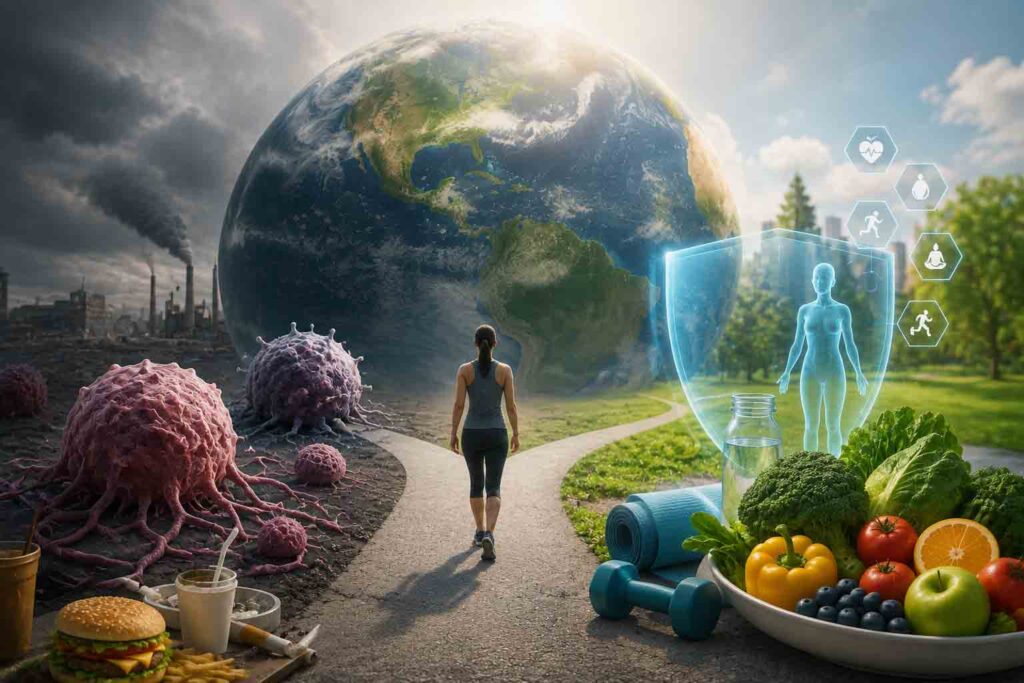
    As the global population ages, cognitive decline and neurodegenerative diseases have emerged as defining public health crises of our time. For decades, many people viewed severe memory loss and cognitive impairment as an unavoidable tragedy of growing older. However, the World Health Organization (WHO) has released a groundbreaking update that radically shifts this narrative from inevitable decline to proactive prevention.

    WHO dementia prevention guidelines. On July 15, 2026, the WHO published the second edition of its global guidelines for the risk reduction of cognitive decline and dementia. Building on years of intensive research and the landmark findings of the Lancet Commission, the latest WHO 2026 guidelines deliver a profoundly hopeful message: up to 45% of all dementia cases worldwide could potentially be prevented or delayed by addressing specific lifestyle and environmental factors.

    This comprehensive guide breaks down the latest WHO dementia prevention guidelines, explores the 14 modifiable risk factors you need to know about, and provides actionable, evidence-based strategies to protect your long-term brain health.
    Why Dementia Is Becoming a Global Health Challenge

    To understand the urgency behind the newly updated WHO dementia prevention guidelines, it is critical to look at the staggering scale of the problem. Dementia is not a single disease but an umbrella term for several progressive brain disorders—the most common being Alzheimer’s disease, which accounts for roughly 60% to 70% of all cases. These conditions impair memory, thinking, behavior, and the ability to perform everyday activities.

    WHO dementia prevention guidelines. Currently, more than 57 million people are living with dementia worldwide, with nearly 10 million new cases diagnosed every single year. As global life expectancies increase, this number is projected to skyrocket. Beyond the devastating emotional toll on individuals and families, dementia places a massive economic burden on global healthcare systems, costing an estimated $1.3 trillion annually. Much of this cost is borne by unpaid family caregivers who sacrifice their own health and income to support their loved ones.

    Because there is currently no cure for Alzheimer’s disease or most other forms of dementia, the global medical community is prioritizing preventative public health strategies. If we can delay the onset of dementia by even just a few years through healthier living, we can drastically reduce the number of people suffering from the condition globally.

    WHO’s New Dementia Prevention Guidelines (2026)

    The WHO first introduced global recommendations for dementia risk reduction in 2019. However, the scientific understanding of the brain has advanced rapidly over the last several years. The updated 2026 guidelines integrate the latest epidemiological data, explicitly confirming that nearly half of all dementia cases are tied to lifestyle, medical, and environmental factors that we have the power to change.

    WHO dementia prevention guidelines. The most notable update in the 2026 publication is the expansion of recognized threats to brain health. While earlier iterations focused heavily on diet, exercise, and cardiometabolic health, the new guidelines officially recognize environmental and sensory factors. For the first time, the WHO has explicitly added air pollution to its dementia prevention guidance, reflecting mounting evidence that long-term exposure to toxic air directly impacts neuroinflammation and cognitive decline.

    By outlining 14 specific, modifiable dementia risk factors, the WHO 2026 report equips policymakers, healthcare providers, and the general public with a clear, science-backed roadmap for healthy aging.

    The 14 Modifiable Risk Factors

    WHO dementia prevention guidelines. According to the latest consensus recognized by the WHO, addressing the following 14 factors across a person’s lifespan can dramatically lower the risk of cognitive decline.

    1. Low Education

    Brain health begins in childhood. Failing to complete secondary education limits what scientists call “cognitive reserve”—the brain’s ability to build dense, resilient neural networks. A higher cognitive reserve allows the brain to sustain age-related damage without showing outward symptoms of memory loss. Lifelong learning and cognitive stimulation at work or through hobbies can help build this reserve even later in life.

    2. Hearing Loss

    Hearing impairment in midlife has emerged as a surprisingly powerful predictor of dementia. When you struggle to hear, your brain has to divert massive amounts of cognitive energy just to decode speech, leaving fewer resources for memory and processing. Hearing loss also frequently leads to social isolation. Correcting hearing loss with clinically prescribed hearing aids can significantly mitigate this risk.

    3. High LDL Cholesterol

    Often referred to as “bad” cholesterol, high levels of LDL in the bloodstream contribute to atherosclerosis (hardening of the arteries). This restricts healthy blood flow to the brain and has been linked to an increased deposition of amyloid plaques, a hallmark of Alzheimer’s disease.

    4. Depression

    Untreated depression, particularly during midlife, takes a physical toll on the brain. Chronic depression elevates stress hormones like cortisol, which can shrink the hippocampus—the brain region strictly responsible for forming and storing memories. Seeking medical and therapeutic treatment for depression is vital for long-term cognitive preservation.

    5. Traumatic Brain Injury (TBI)

    Moderate to severe head injuries, whether from car accidents, falls, or contact sports, physically damage brain tissue and disrupt neural pathways. Sustaining a traumatic brain injury can accelerate the onset of dementia by several years.

    6. Physical Inactivity

    A sedentary lifestyle starves the brain of optimal blood flow. Physical inactivity is closely tied to poor cardiovascular health, reducing the delivery of oxygen and essential nutrients to brain cells.

    7. Diabetes

    Type 2 diabetes is notoriously damaging to the vascular system. Consistently high blood sugar levels cause systemic inflammation and damage the tiny blood vessels in the brain. Furthermore, insulin resistance can impair the brain’s ability to efficiently process glucose, essentially starving brain cells of their primary energy source.

    8. Smoking

    Tobacco use exposes the body to thousands of toxins that damage the cardiovascular system and cause oxidative stress in brain tissue. Smoking accelerates the narrowing of blood vessels, greatly increasing the risk of vascular dementia and Alzheimer’s disease.

    9. Hypertension

    Chronically high blood pressure (hypertension), especially in midlife, places immense strain on the brain’s delicate vascular network. Over time, this pressure can cause silent, microscopic strokes that gradually chip away at cognitive function.

    10. Obesity

    Carrying excess body weight, particularly around the abdomen, drives chronic, low-grade inflammation throughout the body. Obesity is also deeply interconnected with other dementia risk factors like hypertension, diabetes, and physical inactivity.

    11. Excessive Alcohol Consumption

    Heavy drinking is a well-documented neurotoxin. Consuming alcohol in excess shrinks brain volume over time, directly damages neurons, and causes severe memory deficits. Reducing alcohol intake is a universally recommended strategy for protecting brain health.

    12. Social Isolation

    Humans are biologically wired for social connection. Chronic loneliness and social isolation deprive the brain of complex cognitive stimulation (such as reading facial expressions, engaging in conversation, and exercising empathy) while simultaneously increasing the risk of depression.

    13. Air Pollution

    Newly highlighted in the WHO 2026 guidelines, long-term exposure to outdoor and indoor air pollution (specifically fine particulate matter, or PM2.5) has been identified as a critical environmental threat. These microscopic pollutants can cross the blood-brain barrier, triggering neuroinflammation and accelerating the accumulation of toxic proteins in the brain.

    14. Vision Loss

    Similar to hearing loss, untreated visual impairment (such as untreated cataracts or glaucoma) restricts a person’s ability to engage with their environment. Sensory deprivation forces the brain to withdraw, leading to a faster rate of cognitive decline.

    What WHO Recommends

    WHO dementia prevention guidelines. The updated WHO dementia prevention guidelines translate the science of these 14 risk factors into actionable public health advice. To protect cognitive health, the WHO recommends the following comprehensive lifestyle interventions:

    • Regular Physical Activity: Engaging in moderate-intensity aerobic exercise (like brisk walking, swimming, or cycling) paired with strength training is one of the most effective ways to boost brain volume and vascular health.
    • Healthy Diet: A balanced, nutrient-dense diet—such as the Mediterranean diet, which is rich in vegetables, fruits, legumes, whole grains, and lean proteins—helps control weight, blood pressure, and cholesterol.
    • Blood Pressure Control: Aggressively monitoring and managing hypertension from midlife onward is crucial to preventing microvascular damage in the brain.
    • Diabetes Management: Keeping blood sugar levels within a healthy target range through diet, exercise, and prescribed medication protects neural pathways.
    • Hearing and Vision Protection: Attending regular sensory check-ups and using hearing aids or corrective lenses when clinically indicated keeps the brain actively engaged with the surrounding world.
    • Smoking Cessation: Quitting tobacco use at any age immediately begins to lower the risk of cognitive decline and improves systemic vascular health.
    • Maintaining Social Connections: Actively participating in community events, volunteering, or simply spending quality time with friends and family provides essential mental stimulation.
    • Lifelong Learning: Challenging the brain with new skills—such as learning a new language, playing a musical instrument, or taking up a complex hobby—fortifies cognitive reserve.
    • Reducing Exposure to Air Pollution: While largely a policy issue, individuals can reduce risk by utilizing indoor air purifiers, wearing quality masks on high-pollution days, and advocating for cleaner environmental standards.

    Supplements and Dementia Prevention

    WHO dementia prevention guidelines. One of the most heavily debated topics regarding brain health is the use of over-the-counter dietary supplements. The vitamin and supplement industry frequently markets products claiming to boost memory or ward off Alzheimer’s disease. However, the WHO takes a very firm, evidence-based stance on this issue.

    The WHO strongly advises AGAINST the routine use of dietary supplements to prevent dementia.

    Specifically, the guidelines state that there is insufficient scientific evidence to support taking omega-3 fatty acids, vitamin B, vitamin E, or multivitamin-mineral complexes solely for the purpose of reducing dementia risk in people who do not have a clinically diagnosed nutritional deficiency. In some cases, high doses of certain vitamins can even pose health risks that outweigh any hypothetical benefits.

    The WHO emphasizes that humans should obtain these essential nutrients through a well-balanced diet rather than synthetic pills. Supplements should only be introduced into your routine if a medical professional has diagnosed a specific deficiency (such as a severe Vitamin B12 deficiency, which can mimic dementia symptoms if left untreated).

    Additionally, the guidelines explicitly recommend against using menopausal hormone therapy for the purpose of dementia risk reduction, as current evidence does not support its efficacy for brain health and may carry other medical risks.

    Everyday Habits That Support Brain Health

    WHO dementia prevention guidelines. Translating global health directives into your daily routine does not require drastic, overnight transformations. Small, consistent lifestyle adjustments compound over time to support healthy aging. Here are practical ways to incorporate the WHO’s recommendations into your everyday life:

    1. Move More Throughout the Day: You don’t have to run marathons. Aim for 30 minutes of brisk walking most days of the week. Take the stairs, garden, or do household chores with vigor.
    2. Eat for Your Heart and Brain: Prioritize heart-healthy fats (like olive oil and avocados), dark leafy greens, and fatty fish. Limit ultra-processed foods, added sugars, and excess sodium.
    3. Schedule Annual Check-Ups: Don’t skip your routine physicals. Ask your doctor to check your blood pressure, HbA1c (blood sugar), and lipid panel (cholesterol). If the numbers are high, work on a plan to lower them.
    4. Protect Your Head: Always wear a seatbelt in the car, and use a high-quality helmet when cycling, skiing, or participating in contact sports.
    5. Check Your Hearing and Vision: If you find yourself constantly asking people to repeat themselves or turning up the TV volume, get an audiogram. Wearing a hearing aid is a powerful, proven way to protect your brain.
    6. Stay Socially Active: Join a local club, take a group fitness class, or set up weekly phone calls with long-distance friends.
    7. Monitor Indoor Air Quality: Invest in a HEPA air purifier for your home, especially if you live in a dense urban area or near a major roadway, to minimize PM2.5 inhalation.

    Frequently Asked Questions

    1. What are the WHO dementia prevention guidelines for 2026? The 2026 guidelines are an updated set of evidence-based recommendations published by the World Health Organization on July 15, 2026. They detail how addressing 14 modifiable risk factors—such as hypertension, hearing loss, and air pollution—can prevent or delay up to 45% of global dementia cases.

    2. Can air pollution really cause dementia? Yes. Emerging scientific consensus has led the WHO to officially recognize air pollution as a modifiable risk factor. Long-term exposure to fine particulate matter (PM2.5) can cross into the brain, causing neuroinflammation and increasing the likelihood of cognitive decline.

    3. Should I take omega-3 supplements to prevent Alzheimer’s disease? The WHO explicitly advises against taking omega-3 supplements (or vitamins B and E) routinely for dementia prevention. Unless you have a medical deficiency diagnosed by a doctor, you should aim to get your omega-3s naturally through a healthy diet that includes fish, nuts, and seeds.

    4. Does treating hearing loss reduce dementia risk? Yes. Hearing loss places an excessive cognitive load on the brain and can lead to social isolation. Research indicates that using hearing aids when clinically necessary is one of the most effective interventions for protecting midlife and late-life cognitive function.

    5. Is it ever too late to start preventing cognitive decline? It is never too late. While the WHO emphasizes a “life-course approach”—meaning brain health starts in early childhood with good education—making healthy lifestyle changes in your 60s, 70s, and 80s can still significantly delay the progression of cognitive decline and improve your overall quality of life.

    Conclusion

    WHO dementia prevention guidelines. The release of the WHO dementia prevention guidelines in 2026 marks a turning point in how we approach global brain health. By definitively identifying that up to 45% of dementia cases are tied to 14 modifiable risk factors, the World Health Organization has provided a blueprint for profound public health transformation. From managing blood pressure and blood sugar to staying socially engaged and fighting air pollution, the power to influence our cognitive destiny is increasingly in our own hands. By adopting a heart-healthy, socially active, and mentally stimulating lifestyle, we can protect our minds and embrace healthy aging.

    Disclaimer: This article is for informational and educational purposes only and does not constitute medical advice. The information provided is based on public health guidelines from the World Health Organization. Always consult with a qualified healthcare professional before making any changes to your diet, exercise routine, or medical treatment plan, or before starting or stopping any supplements or medications.


    📌 Related Links

    📚 References & Sources

    • WHO / Alzheimer’s Disease International: Global guidelines on dementia risk reduction, epidemiological data, and the 14 modifiable risk factors including air pollution.
    • Alzheimer’s Association / National Institute on Aging: Comprehensive resources on cognitive decline, neurodegenerative diseases, and lifestyle interventions for brain health.
    • CDC: Public health strategies and evidence-based approaches for managing chronic conditions like hypertension and diabetes to prevent vascular dementia.
    💡 함께 읽으면 좋은 우리 블로그 글 (Internal Links)

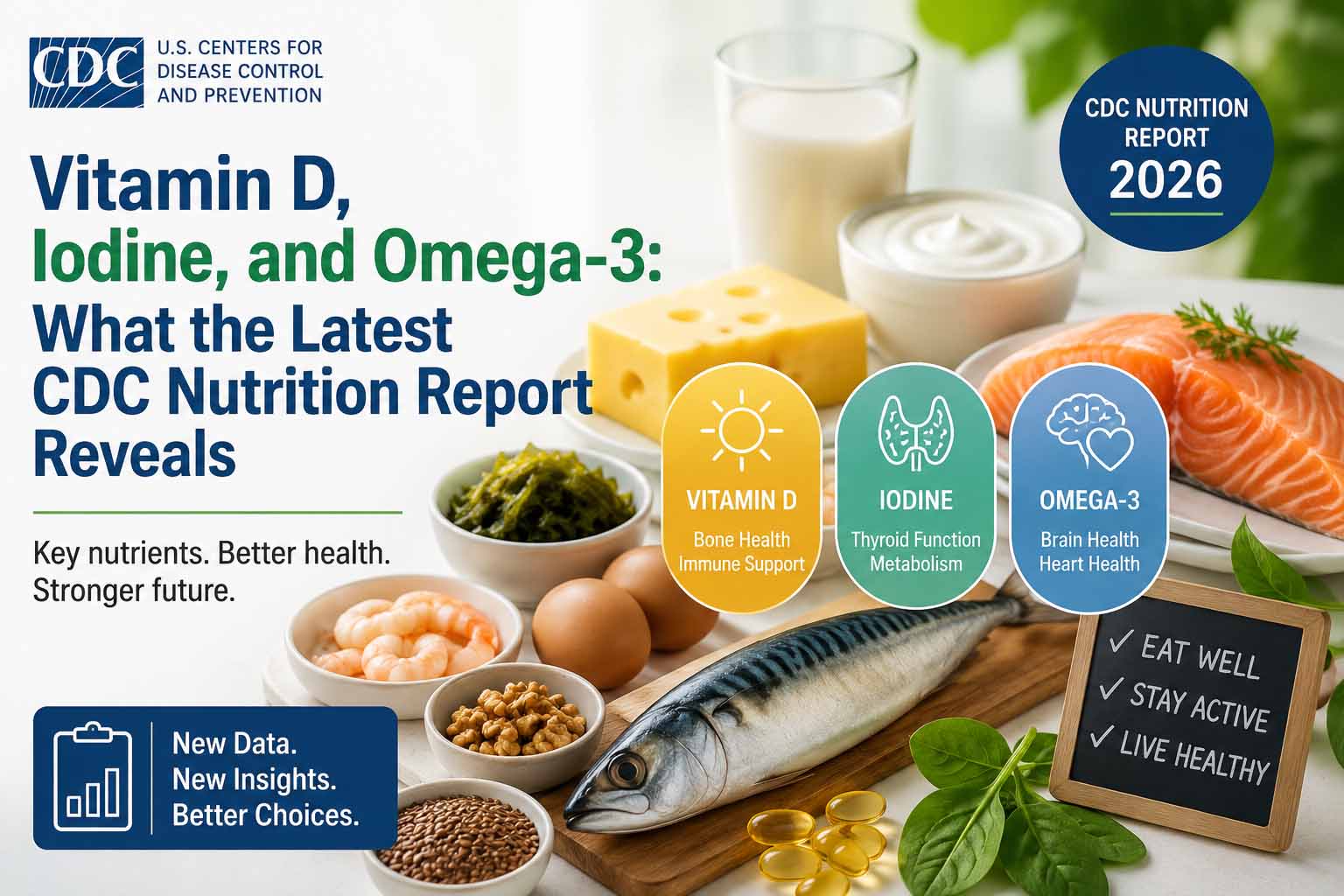
  • Vitamin D, Iodine, and Omega-3: What the Latest CDC Nutrition Report Reveals

    Vitamin D, Iodine, and Omega-3: What the Latest CDC Nutrition Report Reveals

    Public health and nutrition remain at the absolute forefront of preventative medicine. Understanding what our bodies need to function optimally—and identifying where our modern diets fall short—is crucial for reducing the burden of chronic diseases. In June 2026, the Centers for Disease Control and Prevention (CDC) released a monumental update: the National Report on Biochemical Indicators of Diet and Nutrition in the U.S. Population. This exhaustive report analyzes over two decades of data, offering a highly accurate snapshot of the nation’s nutritional status.

    Instead of relying solely on dietary surveys, which can be prone to human error, the CDC measured 131 distinct nutritional biomarkers in blood and urine samples from 1999 to 2023. This biological data provides an objective, scientific look at exactly what is happening inside the human body on a population-wide scale. While the report highlights several public health successes, it also exposes startling trends regarding three critical nutrients: Vitamin D, Iodine, and Omega-3 fatty acids.

    Whether you are a health-conscious adult, a caregiver, or simply looking to age gracefully, understanding these findings is essential. This article breaks down the 2026 CDC Nutrition Report, explores the science behind these vital nutrients, and offers practical, evidence-based strategies to optimize your daily diet.

    Why the CDC Nutrition Report Matters

    The CDC’s periodic nutrition reports serve as a vital compass for public health officials, medical professionals, and everyday citizens. They are fundamentally built upon data gathered from the National Health and Nutrition Examination Survey (NHANES), an ongoing, uniquely comprehensive program that combines detailed health interviews with physical examinations and laboratory tests.

    Purpose of the Report

    The primary purpose of the CDC Nutrition Report is to provide a highly accurate, biochemical assessment of the population’s nutritional status over time. By tracking how nutrient levels rise and fall across different age groups, sexes, and ethnicities, scientists can evaluate the effectiveness of public health initiatives, such as food fortification programs, and identify emerging nutritional crises before they cause widespread medical emergencies.

    Public Health Importance

    Without objective biomarker data, public health recommendations would be little more than guesswork. The 2026 report is particularly significant because it covers nearly 24 years of data, allowing researchers to observe long-term trends. It visually and statistically summarizes how dietary habits, supplement usage, and environmental factors have physically altered our internal biochemistry. This information directly influences the formulation of national dietary guidelines, shapes pediatric care, and guides clinical practices regarding when to recommend dietary supplements.

    Key Findings from the 2026 Release

    The June 2026 release brought several major nutritional shifts into sharp focus:

    • The Omega-3 Deficit: For the first time, the CDC calculated the Omega-3 index across the population. The results were alarming: over half of the U.S. population has an undesirable Omega-3 index, and approximately 98% fall below the optimal level (an index of >8%) required for robust cardiovascular health.
    • The Vitamin D Paradox: Over the past two decades, mean serum Vitamin D concentrations increased by about 20%, driven largely by a massive surge in dietary supplement use. However, this has led to a new problem: the prevalence of excess Vitamin D in the blood increased from less than 1% to 8% among individuals aged six and older.
    • The Iodine Decline: Mean urine iodine concentrations decreased by 10% to 30% since the early 2000s, with young women of reproductive age frequently bordering on insufficiency.
    • Folate and Iron Concerns: While historical folic acid fortification remains a success, the prevalence of folate insufficiency and iron deficiency increased by nearly 6 percentage points in women of reproductive age.

    Vitamin D: Benefits, Risks, and Current Trends

    Vitamin D is unique among vitamins because it functions more like a hormone in the body. While most micronutrients must be acquired exclusively through food, the human body can synthesize Vitamin D when the skin is directly exposed to ultraviolet (UVB) radiation from the sun.

    Why Vitamin D is Important

    Vitamin D is absolutely essential for the maintenance of a healthy skeletal system. Its primary role is to promote calcium absorption in the gut; without adequate Vitamin D, the body can only absorb a fraction of the calcium consumed, leading to weakened, brittle bones (osteoporosis in adults and rickets in children). Beyond bone health, Vitamin D receptors are found throughout the body, playing critical roles in modulating immune function, reducing systemic inflammation, and supporting neuromuscular communication.

    Signs of Deficiency

    Despite the increase in overall population levels noted in the CDC report, deficiency remains a concern for specific groups, including those with darker skin (which naturally blocks UVB rays), older adults, and individuals living in northern latitudes with limited winter sunlight. Symptoms of severe deficiency can be subtle but often include:

    • Chronic fatigue and low energy
    • Frequent bone and joint pain, particularly in the lower back
    • Muscle weakness or cramping
    • Increased susceptibility to respiratory infections
    • Slow wound healing

    Excess Intake Concerns

    The 2026 CDC Nutrition Report highlights a growing, unintended consequence of the wellness industry: Vitamin D toxicity. Because Vitamin D is a fat-soluble vitamin, the body cannot easily flush out excess amounts through urine. Instead, it accumulates in fat tissues.

    The report notes that 8% of the population now exhibits excess levels of Vitamin D, primarily due to heavy supplementation. This condition, known as hypervitaminosis D, causes an abnormal buildup of calcium in the blood (hypercalcemia). This can lead to severe nausea, vomiting, kidney stones, and in extreme cases, irreversible kidney damage and dangerous heart arrhythmias.

    Food Sources

    Relying on diet rather than high-dose supplements is generally the safest way to maintain adequate levels. Excellent natural food sources include:

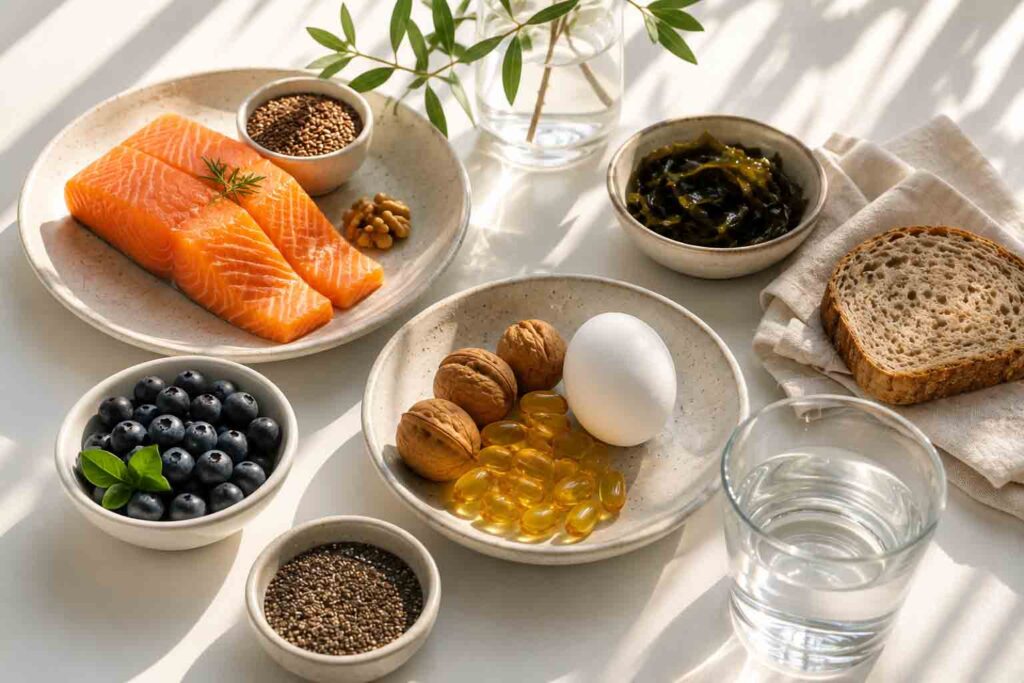
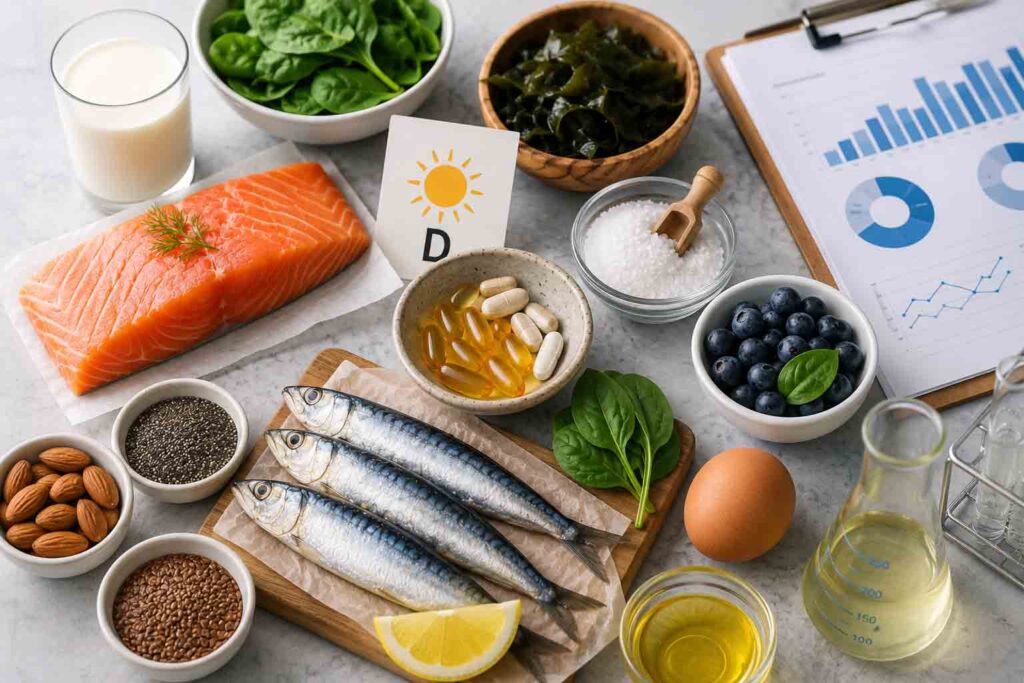
    • Fatty fish (salmon, trout, mackerel)
    • Cod liver oil
    • Egg yolks (specifically from pasture-raised hens)
    • Fortified foods (cow’s milk, plant-based milk alternatives, fortified cereals)

    Safe Supplementation

    If you suspect you are deficient, the most responsible course of action is to have a medical professional perform a simple 25-hydroxyvitamin D blood test. This allows your healthcare provider to recommend a precise, safe dosage rather than blindly consuming high-potency over-the-counter supplements.

    Iodine: An Essential Nutrient Many People Forget

    Iodine rarely receives the same mainstream attention as Vitamin C or Vitamin D, but it is an indispensable trace element. The CDC’s finding that urinary iodine concentrations have dropped by up to 30% over the last twenty years is a quiet but significant public health warning.

    Thyroid Health

    The human body requires iodine for one specific, life-sustaining purpose: the synthesis of thyroid hormones (thyroxine or T4, and triiodothyronine or T3). The thyroid gland, located at the base of the neck, regulates the body’s metabolic rate, heart rate, digestive function, muscle control, and bone maintenance. Without sufficient iodine, the thyroid simply cannot produce these hormones, leading to a sluggish, malfunctioning metabolism.

    Deficiency Risks

    When iodine intake is chronically low, the thyroid gland enlarges as it struggles to capture any available iodine from the blood—a condition known as a goiter. More significantly, inadequate iodine leads to hypothyroidism, characterized by extreme fatigue, unexplained weight gain, feeling cold, and depression.

    The stakes are highest for pregnant women and developing infants. Iodine is critical for fetal neurodevelopment. Severe deficiency during pregnancy can lead to irreversible intellectual disabilities and stunted physical growth in the child. The CDC report’s noting that women of reproductive age are bordering on insufficiency highlights an urgent need for dietary correction.

    Best Food Sources

    The iodine content in food largely depends on the iodine content of the soil and water where the food was grown or raised. The most reliable sources include:

    • Seaweed: Kelp, nori, and wakame are incredibly rich in iodine.
    • Seafood: Cod, tuna, shrimp, and oysters.
    • Dairy Products: Milk, yogurt, and cheese (often due to iodine used in dairy farming sanitization).
    • Iodized Salt: The most common and effective public health intervention globally.

    Recommended Intake

    The recommended dietary allowance for iodine for most adults is 150 micrograms (mcg) per day. For pregnant women, the requirement jumps to 220 mcg, and for breastfeeding women, 290 mcg. Using a half-teaspoon of iodized salt daily is generally enough to meet the adult requirement, but as more people shift to non-iodized sea salts or strictly avoid sodium, accidental iodine deficiency is becoming more common.

    Omega-3 Fatty Acids and Brain & Heart Health

    Perhaps the most striking revelation from the 2026 CDC Nutrition Report involves Omega-3 fatty acids. By utilizing newly collected data on red blood cell fatty acid profiles, the CDC determined that 98% of the American public falls below the optimal threshold for Omega-3 levels.

    EPA and DHA

    Omega-3s are polyunsaturated fats. The most biologically active and crucial forms for human health are eicosapentaenoic acid (EPA) and docosahexaenoic acid (DHA), which are primarily found in marine environments. A third type, alpha-linolenic acid (ALA), is found in plants (like flaxseeds and walnuts), but the human body is notoriously inefficient at converting ALA into the highly beneficial EPA and DHA.

    Benefits of Omega-3s

    EPA and DHA are structural components of cell membranes throughout the body, particularly in the brain and eyes.

    • Heart Health: Omega-3s are renowned for their cardiovascular benefits. They significantly lower triglyceride levels, slightly lower blood pressure, reduce blood clotting, and decrease the risk of strokes and heart failure.
    • Brain Health: DHA is highly concentrated in the brain and is vital for cognitive function. Emerging research continues to link adequate Omega-3 levels with a lower risk of cognitive decline, dementia, and Alzheimer’s disease.
    • Inflammation: These fatty acids interrupt the biological pathways that cause systemic inflammation, offering relief for conditions like rheumatoid arthritis.

    Current Intake Trends

    The CDC’s calculation of the Omega-3 index (the percentage of EPA and DHA in red blood cell membranes) indicates a widespread dietary failure. An optimal index is considered to be 8% or higher, which provides the maximum protective benefit for the heart. With nearly the entire population falling below this mark, it is clear that the standard Western diet is severely lacking in marine-based nutrients.

    Fish vs Supplements

    While fish oil, krill oil, and algae-based DHA supplements are immensely popular and effective at raising the Omega-3 index, health experts generally recommend a “food first” approach. Consuming whole fish provides a matrix of other vital nutrients, including high-quality protein, Vitamin D, selenium, and B vitamins, which work synergistically in the body. Supplements should bridge the gap for those who cannot or will not consume seafood, but they cannot entirely replicate the broad nutritional benefits of whole foods.

    Practical Tips for a Balanced Diet

    Correcting the nutritional deficits highlighted by the CDC does not require extreme dieting or expensive, unproven wellness fads. It requires a return to balanced, whole-food nutrition. Below is an actionable checklist to help you align your daily eating habits with optimal biochemical health.

    Food CategoryNutrient FocusPractical Daily/Weekly Habit
    SeafoodOmega-3s (EPA/DHA), Iodine, Vitamin DAim for at least two servings of fatty fish (like salmon, sardines, or mackerel) per week. If pregnant, ensure the fish is low in mercury.
    Dairy ProductsIodine, Calcium, Fortified Vitamin DIncorporate 1-2 servings of yogurt or milk daily. Check labels to ensure your milk is fortified with Vitamin D.
    EggsVitamin D, Choline, ProteinEat whole eggs (including the yolk, where the Vitamin D resides) several times a week. Opt for pasture-raised if possible.
    VegetablesFolate, Fiber, AntioxidantsFill half your plate with dark leafy greens (spinach, kale) and cruciferous vegetables.
    Nuts & SeedsALA Omega-3s, Magnesium, Healthy FatsSnack on a handful of walnuts or add ground flaxseeds and chia seeds to your morning oatmeal or smoothies.
    Whole GrainsB Vitamins, FiberSwap refined white bread and pasta for quinoa, brown rice, and whole-wheat alternatives.
    SeasoningIodineEnsure the salt in your pantry is explicitly labeled as “Iodized Salt.”

    Frequently Asked Questions

    1. Should everyone take a Vitamin D supplement? Not necessarily. While supplementation is highly beneficial for those with documented deficiencies, the CDC report shows a rising trend of excess Vitamin D in the blood. Because Vitamin D is fat-soluble and can accumulate to toxic levels, it is highly recommended to consult a healthcare professional and get a blood test before starting high-dose supplements.

    2. What foods contain the most iodine? The most potent natural sources of iodine are seaweed and marine fish (such as cod and tuna). In the everyday diet, iodized table salt and dairy products (milk, cheese, yogurt) are the most common and reliable sources.

    3. Are Omega-3 supplements necessary if I don’t eat fish? Yes. Because the body cannot efficiently create EPA and DHA on its own, individuals who consume no seafood (including vegans and vegetarians) are at a high risk for a low Omega-3 index. An algae-based Omega-3 supplement is highly recommended in these cases to support heart and brain health.

    4. Can too much Vitamin D be harmful? Yes. Consuming too much Vitamin D can cause a condition called hypercalcemia, which involves abnormally high levels of calcium in the blood. This can lead to severe digestive distress, kidney stones, and long-term renal damage.

    5. How can I improve my nutrition naturally? Focus on a varied, whole-food diet that limits highly processed foods and added sugars. Incorporate fatty fish twice a week, use iodized salt in moderation, consume plenty of dark leafy greens, and spend a safe, brief amount of time in the sun to naturally stimulate Vitamin D production. Always prioritize getting nutrients from food before turning to pills.

    Final Thoughts

    The release of the 2026 CDC National Report on Biochemical Indicators of Diet and Nutrition is a powerful reminder that our bodies operate on a delicate biochemical balance. While public health interventions like folic acid fortification have successfully protected millions, the modern dietary landscape has introduced new challenges. The sharp decline in iodine levels, the near-universal deficit in Omega-3 fatty acids, and the surprising rise in Vitamin D toxicity due to over-supplementation paint a complex picture of American health.

    The most important takeaway from this extensive, 24-year data analysis is that achieving optimal health is rarely about extremes. It is not about eliminating entire food groups, nor is it about blindly consuming handfuls of synthetic supplements. True nutritional resilience comes from a balanced, varied diet rich in whole foods, mindful sun exposure, and targeted, medically supervised supplementation only when necessary.

    As always, individual nutritional needs vary greatly based on age, genetics, and pre-existing conditions. Readers should consult with licensed healthcare professionals or registered dietitians before making significant changes to their dietary habits or starting new supplement regimens.

    Internal Links

    External References

    The scientific data and nutritional guidelines referenced in this article are derived from the following authoritative public health organizations:

    SEO Requirements

    • SEO Title: CDC Nutrition Report 2026: Vitamin D, Iodine & Omega-3 Facts
    • Meta Description: Discover what the latest CDC Nutrition Report 2026 reveals about Vitamin D excess, falling iodine levels, and the critical Omega-3 deficit impacting health.
    • Suggested URL Slug: cdc-nutrition-report-2026-vitamin-d-iodine-omega-3
    • Focus Keyword: CDC Nutrition Report 2026
    • 20 SEO Tags: CDC Nutrition Report 2026, Vitamin D, Omega-3, Iodine, Healthy Nutrition, Nutrient Deficiency, Balanced Diet, Public Health Nutrition, Healthy Eating, Nutrition Guidelines, 2026 Health News, NHANES data, Vitamin D toxicity, EPA and DHA benefits, thyroid health, heart health diet, iodine deficiency, dietary supplements, food first approach, biochemical indicators.

    📌 Related Links

    📚 References & Sources

    • NIH Office of Dietary Supplements: Official consumer fact sheets detailing the biochemical roles, daily requirements, and health impacts of Vitamin D, Iodine, and Omega-3s.
    • CDC / WHO: Comprehensive public health data, nutritional guidelines, and the 2026 reports on global and national dietary trends.
    • USDA / MedlinePlus: Trusted medical resources and dietary guidelines for maintaining a balanced, nutrient-rich diet.

    💡 함께 읽으면 좋은 우리 블로그 글 (Internal Links)


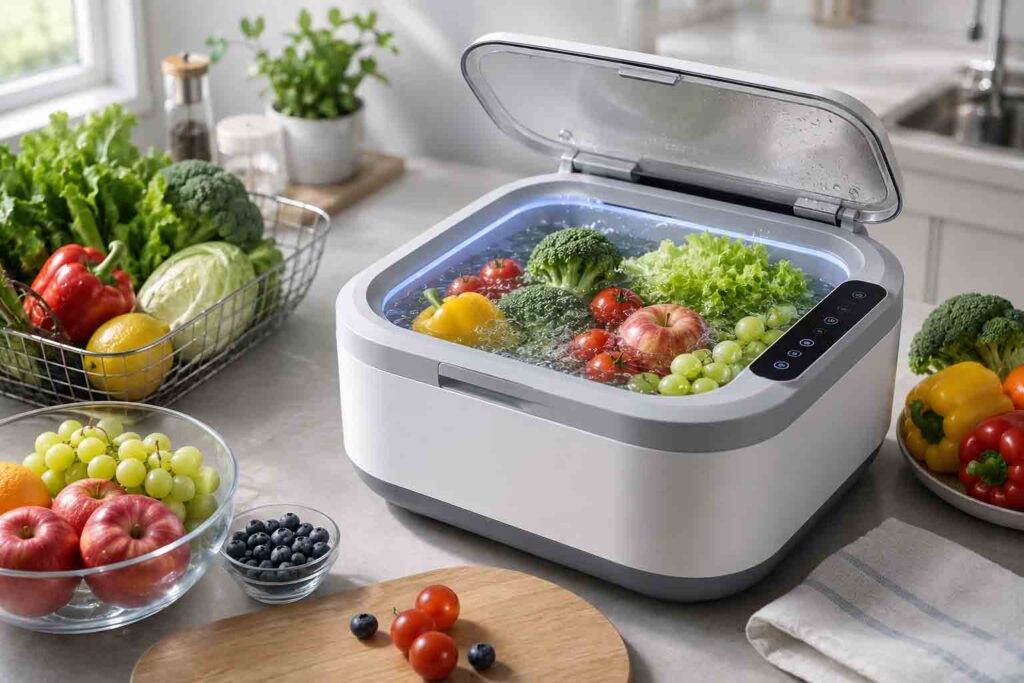
  • 중독 위험을 줄여주는 과일 및 채소 세척기 추천 TOP 5 (Top 5 Fruit and Vegetable Washers to Help Reduce the Risk of Foodborne Illness)

    중독 위험을 줄여주는 과일 및 채소 세척기 추천 TOP 5 (Top 5 Fruit and Vegetable Washers to Help Reduce the Risk of Foodborne Illness)

    1. 서론 (Introduction)

    과일 및 채소 세척기 추천. 신선한 과일과 채소는 건강하고 영양가 높은 식단의 주춧돌입니다. 아삭한 잎채소부터 생기 넘치는 여름 베리류까지, 매일 생식으로 섭취하는 농산물은 필수 비타민, 미네랄, 항산화제, 식이섬유를 제공합니다. 그러나 농장에서 식탁까지 오는 과정은 복잡하며, 이 과정에서 수많은 잠재적 오염 물질에 노출됩니다. 소비자는 종종 신선 식품의 영양가에만 집중하지만, 식품 안전 전문가들은 적절한 세척과 위생의 중요성을 동일하게 강조합니다.

    매년 전 세계 수백만 명의 사람들이 식중독에 걸리며, 그중 상당수는 오염된 생과일이나 채소와 직접적인 관련이 있습니다. 과일과 채소는 고열 조리를 통한 살균 과정 없이 날로 섭취하는 경우가 많아 표면에 존재하는 병원균이 쉽게 인체 소화기로 들어올 수 있습니다. 표토, 농업용수 유출, 운송 중의 취급 과정, 식료품점에서의 대중 노출 등은 모두 박테리아, 바이러스, 기생충, 합성 화학 잔류물이 눈에 보이지 않게 축적되는 원인이 됩니다.

    과일 및 채소 세척기 추천. 이러한 문제를 해결하고 일반적인 수돗물 헹굼 이상의 추가적인 보호막을 제공하기 위해, 전문적인 과일 및 채소 세척기의 인기가 크게 높아지고 있습니다. 이러한 도구는 완고한 흙을 문질러 닦아내는 전통적인 수동 브러시부터 전기 분해, 오존 또는 초음파를 활용하여 미세한 수준까지 세척하는 첨단 전자 기기에 이르기까지 다양합니다. 이 종합 가이드에서는 철저한 농산물 세척이 왜 중요한지 탐구하고, 현대 채소 세척기의 핵심 기술을 분석하며, 시중에 출시된 상위 5개 제품에 대한 심층 리뷰와 가정 내 식품 안전을 극대화할 수 있는 실용적인 전략을 제시합니다.

    2. 이 글에서 다룰 내용 (What You’ll Learn)

    • 핵심적인 숨은 위험: 일반적인 수돗물 헹굼만으로는 끈질긴 병원성 바이오필름, 소수성 화학 농약, 깊이 박힌 흙을 제거하지 못하는 이유.
    • 과학에 기반한 세척 기술 설명: 물리적 마찰, 원심력, 물 전기 분해, 음향 캐비테이션이 음식의 맛을 변질시키지 않고 불순물을 제거하는 정확한 원리.
    • 심층적인 실제 제품 리뷰: 예산형, 일반형, 고급형, 최고급형에 걸친 상위 5개 제품의 구조적 사양과 정확한 사용처에 대한 상세 분석.
    • 한눈에 보는 구매 결정 매트릭스: 종류, 기술, 장단점 및 가격대를 한눈에 파악할 수 있는 전체 제품 비교 표.
    • 가정용 심층 구매 가이드: 주방 수납공간, 가구 규모, 선호하는 농산물, 재질의 내구성 등에 맞춘 최적의 기기 선택 기준.
    • 실용적인 유지 관리 및 안전 수칙: 기기의 미네랄 석회화 방지법, 다중 부품 세척법, 기존 식품 안전 수칙과 세척기를 병행하는 방법.

    3. 올바른 농산물 세척이 중요한 이유 (Why Proper Produce Washing Matters)

    식중독 (Foodborne Illnesses)

    과일 및 채소 세척기 추천. 식중독은 중대하지만 충분히 예방할 수 있는 공중 보건 문제입니다. 병원성 미생물은 생과일과 채소의 다공성 표면, 줄기, 주름, 천연 왁스 코팅 등에 쉽게 달라붙을 수 있습니다. 오염된 식품을 철저히 씻지 않고 섭취하면 급성 위장 장애나 심각하고 생명을 위협하는 전신 감염을 유발할 수 있습니다.

    • 대장균(E. coli), 특히 시가 독소 생성 균주는 심한 위경련, 혈변, 용혈성 요독 증후군을 유발할 수 있습니다.
    • 살모넬라균(Salmonella)은 오염된 관개수나 농업 유출수를 통해 전파되며 고열, 복통, 탈수를 특징으로 하는 살모넬라증을 일으킵니다.
    • 리스테리아균(Listeria monocytogenes)은 냉장 환경에서도 생존하는 매우 강인한 박테리아로, 임산부, 신생아, 노약자 및 면역력 저하자에게 치명적인 위험을 초래합니다.

    잔류 농약 (Pesticide Residues)

    과일 및 채소 세척기 추천. 현대의 관행 농업은 곤충, 잡초, 곰팡이로부터 작물을 보호하기 위해 화학 살충제, 제초제, 살균제에 크게 의존합니다. 규제 기관이 소비자 안전을 위해 최대 잔류 허용 기준을 설정하지만, 시판되는 농산물에는 여전히 낮은 수준의 표면 잔류물이 남아있는 경우가 많습니다. 딸기, 시금치, 케일, 사과처럼 껍질이 얇은 농산물은 상업용 포장 시설에서 세척을 거친 후에도 더 높은 잔류 농약이 검출되곤 합니다.

    특히 많은 농약은 비에 씻겨 내려가는 것을 막기 위해 ‘소수성(기름 기반)’으로 만들어집니다. 따라서 흐르는 물만으로는 쉽게 제거되지 않으며, 표면에서 농약을 떼어내기 위해 표적화된 물리적 마찰이나 분자 수준의 분해가 필요합니다.

    흙과 박테리아 (Dirt and Bacteria)

    과일 및 채소 세척기 추천. 날것의 농산물은 눈에 보이지 않는 병원균과 화학물질 외에도 밭에서 묻어온 물리적 잔해물을 지니고 있습니다. 흙 입자, 먼지, 모래, 새 배설물, 곤충 잔해 등은 잎채소의 깊은 주름이나 멜론과 같은 울퉁불퉁한 표면에 흔히 자리 잡습니다. 이러한 흙을 씻지 않고 칼로 자르게 되면, 칼날이 표면의 흙과 세균 군집을 농산물의 깨끗한 내부 과육으로 직접 밀어 넣어 오염을 일으킵니다.

    FDA 및 CDC 권장 사항

    과일 및 채소 세척기 추천. 미국 식품의약국(FDA)과 질병통제예방센터(CDC)는 가장 중요한 오염 예방 단계가 철저하고 체계적인 ‘세척’이라고 강조합니다.

    • 신선한 농산물을 만지기 전후에는 항상 따뜻한 물과 비누로 20초 이상 손을 씻으십시오.
    • 껍질을 벗기거나 자르기 전에 농산물을 헹구어 칼을 통해 흙과 세균이 식품으로 옮겨가지 않게 하십시오.
    • 흐르는 수돗물 아래에서 농산물을 부드럽게 문질러 씻으십시오. 상업용 화학 세제나 비누는 농산물에 흡수될 수 있으므로 사용하지 마십시오.
    • 멜론, 오이, 감자 등 단단한 농산물은 깨끗한 채소용 브러시를 사용하여 완고한 표면 바이오필름을 물리적으로 제거하십시오.
    • 세척 후에는 깨끗한 천이나 종이 타월로 농산물을 완전히 닦아 표면 수분에 남아있을 수 있는 세균을 추가로 줄이십시오.

    4. 과일 및 채소 세척기의 종류 (Types of Fruit & Vegetable Washers)

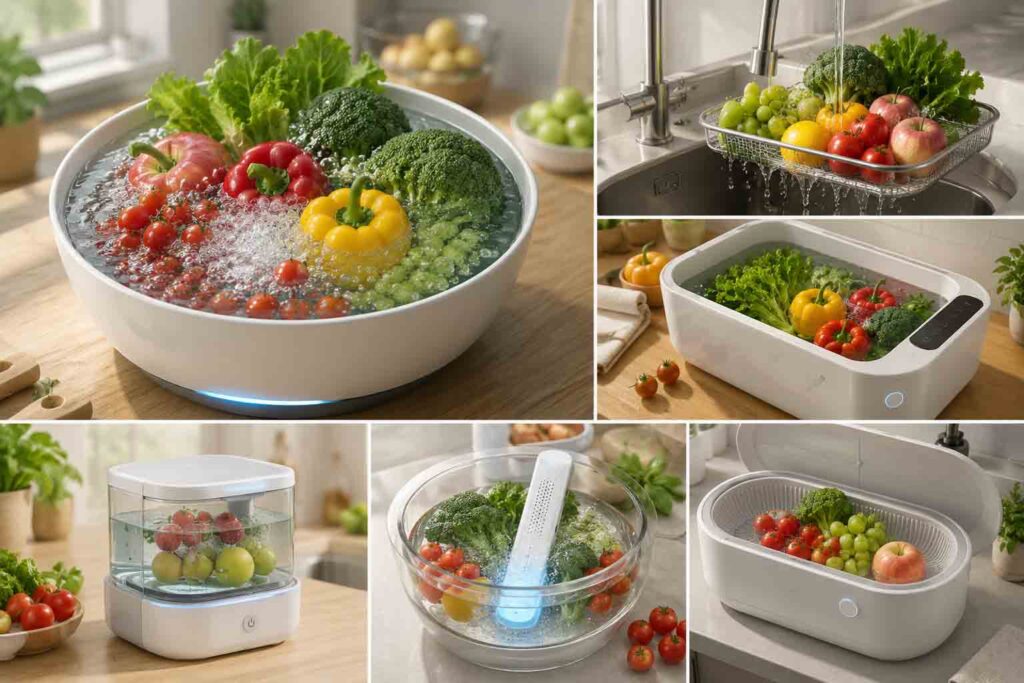
    수동 브러시 (Manual Brushes)

    과일 및 채소 세척기 추천. 식재료 준비 위생을 위한 가장 전통적인 접근 방식입니다. 인력에 의한 물리적 기계적 마찰에 전적으로 의존합니다. 인체공학적 손잡이와 나일론, 천연 식물, 또는 실리콘 강모가 결합되어 밀도가 높고 무거운 뿌리채소나 두꺼운 껍질의 과일에서 마른 진흙, 점토, 천연 잔해물을 긁어내는 데 탁월합니다. 전력이 필요 없고 가격이 저렴하지만, 베리류나 잎채소처럼 부드러운 식재료에는 적합하지 않습니다.

    샐러드 스피너 (Salad Spinners)

    과일 및 채소 세척기 추천. 원심력을 활용하여 대량의 잎채소, 허브, 튼튼한 작물을 씻고 건조합니다. 물을 채워 소용돌이치게 만들면 모래와 표면의 모래알이 분리되고, 내부 바구니를 고속으로 회전시키면 수분이 바깥으로 튕겨 나가면서 식재료가 빠르게 건조됩니다. 건조 과정은 보관 중 부패와 박테리아 증식을 막는 데 필수적입니다.

    전해수 기술 (Electrolysis Technology)

    과일 및 채소 세척기 추천. 주방 화학의 혁신적인 도약입니다. 티타늄과 같은 내구성 있는 재질로 만들어진 전해판을 통해 물에 안전한 저전압 전류를 흐르게 합니다. 이 과정은 물 분자($H_2O$)를 수산화 라디칼($OH$), 수소 이온($H^+$) 등 반응성이 높은 세척제로 분해합니다. 이러한 산화 요소는 화학 농약의 분자 구조를 적극적으로 분해하고 표면 세균의 세포막을 파괴하여 화학 첨가물 없이도 오염 물질을 중화합니다.

    초음파 기술 (Ultrasonic Technology)

    과일 및 채소 세척기 추천. 일반적으로 40,000~50,000Hz 범위의 고주파 음파를 사용하여 비파괴적인 심층 오염 제거를 달성합니다. 초음파 진동자가 수조 내에서 압력 변화를 일으켜 수백만 개의 미세 진공 방울(음향 캐비테이션)을 생성합니다. 이 미세 기포들이 농산물 표면에서 터지면서 국소적인 충격파를 발생시켜, 미세한 먼지 입자, 곤충 알, 곰팡이 포자, 농약 분자를 즉시 떼어냅니다.

    오존 기술 (Ozone Technology)

    과일 및 채소 세척기 추천. 통합 발생기를 통해 세척수에 오존 가스($O_3$)를 직접 주입합니다. 오존은 강력한 산화제로, 유기 오염 물질과 접촉 시 즉각적으로 공격합니다. 불안정한 세 번째 산소 원자가 박테리아와 바이러스의 세포벽에 결합하여 파괴하며, 화학 농약도 무해한 부산물로 분해합니다. 반응이 끝나면 오존은 안전하게 일반 산소($O_2$)로 환원되어 독성 잔류물이나 이상한 냄새를 남기지 않습니다.

    5. 최고의 과일 및 채소 세척기 TOP 5 (Top 5 Fruit & Vegetable Washers)

    1. OXO 굿그립 과일 및 채소 브러시 (OXO Good Grips Brush)

    • 개요: 편안하고 표적화된 수동 스크러빙을 제공하도록 설계된 미니멀하고 상징적인 주방 필수품입니다.
    • 주요 특징: 농산물의 모양에 맞춘 고밀도 나일론 강모, 젖은 손에도 미끄러지지 않는 고무 그립, 작은 서랍에 쏙 들어가는 콤팩트한 디자인.
    • 장점: 매우 저렴하며 유지 비용이 전혀 들지 않음. 식기세척기 사용 가능. 단단한 진흙을 벗겨내는 데 탁월한 촉각적 제어력.
    • 단점: 지속적인 물리적 노력이 필요함. 부드러운 과일이나 잎채소에는 억셈. 분자 수준의 화학 농약 분해 불가.
    • 추천 대상: 감자, 고구마, 당근, 파스닙, 단단한 껍질을 가진 뿌리채소를 주로 손질하며 예산을 중시하는 요리사.
    • 가격대: 저가형 ($10 미만)

    2. 풀스타 채소 스피너 (Fullstar Vegetable Spinner)

    • 개요: 잎채소와 썰어놓은 채소를 대량으로 세척하고 건조하기 위해 설계된 대용량 고강도 기계식 세척기입니다.
    • 주요 특징: 적은 힘으로도 강력한 원심력을 발생시키는 당김 줄(Pull-cord) 메커니즘, 5쿼트 대용량 외부 볼, 이중 배수구가 있는 잠금 뚜껑.
    • 장점: 채소를 매우 빠르게 건조하여 냉장고 보관 수명을 연장함. 여러 포기의 상추를 한 번에 처리할 수 있는 거대한 용량.
    • 단점: 부피가 커서 주방 수납공간을 많이 차지함. 줄 메커니즘 쪽에 물이 고이지 않도록 건조에 신경 써야 함.
    • 추천 대상: 대가족, 밀프렙(식단 준비)을 자주 하는 사람, 매주 다량의 잎채소와 샐러드를 소비하는 사람.
    • 가격대: 일반형 ($20 ~ $30)

    3. 쿠진아트 샐러드 스피너 (Cuisinart Salad Spinner)

    • 개요: 고전적인 미학과 부드러운 톱니바퀴식 기계 성능이 결합된 제품으로, 정밀하고 부드러운 회전 제어를 선호하는 분들에게 적합합니다.
    • 주요 특징: 부드럽게 돌아가는 인체공학적 회전 크랭크 손잡이, 회전을 즉시 멈추게 하는 퀵 스톱 브레이크 버튼, 물의 탁도를 쉽게 확인할 수 있는 투명한 외부 볼.
    • 장점: 크랭크 디자인으로 속도 조절이 예측 가능하여 연약한 허브의 멍을 방지함. 브레이크 버튼이 매우 편리함.
    • 단점: 캐비닛 공간을 많이 차지함. 뚜껑에 기어 트랙이 있어 고온 식기세척기 대신 손세척이 권장됨.
    • 추천 대상: 섬세한 생허브, 마이크로 채소, 부드러운 베리류를 자주 세척하며 인체공학적인 기계식 제어를 중시하는 요리사.
    • 가격대: 일반형 ($25 ~ $35)

    4. 아쿠아퓨어 과일 및 채소 세척기 (AquaPure Cleaner)

    • 개요: 산업 공장에서나 쓰이던 첨단 전해수 기술을 가정용 주방 카운터로 가져온 완전 무선 캡슐형 세척기입니다.
    • 주요 특징: 화학 첨가물 없이 완벽하게 살균하는 특허받은 물 전기 분해 기술, IPX7 방수 등급의 무선 캡슐, 마그네틱 충전 도크, 5분 자동 세척 원버튼 인터페이스.
    • 장점: 수동 브러시로는 불가능한 진정한 화학적 분해 및 미생물 중화 제공. 물에 담가두기만 하면 되는 완전 핸즈프리 방식. 휴대가 간편한 콤팩트 디자인.
    • 단점: 두껍게 굳은 진흙이나 무거운 흙은 물리적으로 벗겨내지 못함. 주기적인 배터리 충전 필요.
    • 추천 대상: 건강을 중시하는 소비자, 유아용 퓨레를 만드는 부모, 눈에 보이지 않는 농약과 세균을 높은 수준으로 제거하고 싶은 사람.
    • 가격대: 고급형 ($80 ~ $120)

    5. 소닉 소크 초음파 세척기 (Sonic Soak Ultrasonic Cleaner)

    • 개요: 현대 세척 과학의 최첨단을 보여주는 제품입니다. 휴대용 지팡이(Wand) 형태의 이 기기는 고주파 음파를 발생시켜 현미경 수준의 오염 물질을 즉시 떼어냅니다.
    • 주요 특징: 초당 최대 50,000회의 초음파 진동을 제공하는 초강력 변환기, 의료용 316 스테인리스 스틸 소재, 정밀한 타이머가 장착된 외부 전원 제어 모듈, 다목적 세척 기능.
    • 장점: 브로콜리나 콜리플라워처럼 빽빽하고 미세한 틈새까지 완벽하게 도달함. 물리적 마찰이 없어 얇고 연약한 식재료에 극도로 부드러움. 장신구나 젖병도 세척할 수 있는 뛰어난 다목적성.
    • 단점: 리뷰된 제품 중 초기 가격이 가장 높음. 콘센트에 계속 연결해야 하므로 무선 모델에 비해 휴대성이 떨어짐. 작동 중 미세한 윙윙거리는 소음 발생.
    • 추천 대상: 첨단 기술 애호가, 대형 주방, 농산물 외에도 다양한 가정용품의 미세한 심층 정화가 필요한 가구.
    • 가격대: 최고급형 ($130 ~ $180)

    6. 제품 비교 표 (Product Comparison Table)

    제품명유형기술 방식전원추천 대상장점단점가격대
    OXO 굿그립 브러시수동 브러시기계적 마찰없음 (수동)단단한 뿌리채소저렴함, 뛰어난 내구성, 식기세척기 가능육체적 노력 필요, 부드러운 과일에 부적합저가형
    풀스타 채소 스피너기계식 스피너원심 분리없음 (당김줄)대량의 잎채소빠른 건조, 5쿼트 대용량부피가 큼, 화학적 분해 불가일반형
    쿠진아트 샐러드 스피너기계식 스피너기어식 원심 분리없음 (회전 크랭크)연약한 허브 및 채소부드러운 크랭크 제어, 퀵 브레이크뚜껑은 손세척 권장일반형
    아쿠아퓨어 세척기전자식 캡슐전해수 기술USB 충전식 배터리농약 및 미생물 감소핸즈프리, 콤팩트, 화학물질 무첨가무거운 표토 흙은 제거 불가고급형
    소닉 소크 세척기초음파 스틱음향 캐비테이션AC 벽면 콘센트미세 틈새 심층 세척가장 깊은 세척, 뛰어난 다목적성가장 비싼 가격, 콘센트 연결 필수최고급형

    7. 구매 가이드 (Buying Guide)

    과일 및 채소 세척기 추천. 자신의 가구에 맞는 세척기를 선택하려면 식습관, 식사량, 주방의 물리적 구조를 분석해야 합니다. 모든 상황에 완벽하게 들어맞는 단일 기기는 없습니다.

    • 농산물 종류별 선택: 두꺼운 흙이 묻은 뿌리채소(감자, 당근 등)는 단단한 나일론 강모가 있는 수동 브러시가 가장 좋습니다. 반면, 잎이 많은 채소(상추, 스위스 차드 등)는 침수 세척과 높은 원심력을 제공하는 스피너가 제격입니다. 브로콜리나 산딸기처럼 틈이 많거나 부서지기 쉬운 과일은 물리적 마찰이 없는 초음파나 전해수 전자 기기를 사용해야 합니다.
    • 가구 규모: 대가족이나 밀프렙을 즐기는 사람은 한 번에 대량을 처리할 수 있는 ‘풀스타 스피너’ 같은 대용량 기계식 모델이 좋습니다. 1인 가구나 소식을 하는 분들은 공간을 덜 차지하는 ‘아쿠아퓨어 캡슐’이나 ‘수동 브러시’가 합리적입니다.
    • 수동 vs 전자식: 수동 모델은 언제든 사용할 수 있고 전력이 필요 없지만 육체적 힘이 들고 분자 수준의 세척은 불가능합니다. 전자식 기기는 농약과 미생물을 강력하게 중화하고 손이 자유롭지만, 충전이 필요하고 초기 비용이 높습니다.
    • 유지 관리 및 보관: 기기 자체의 세척이 쉬워야 합니다. 세척기 뚜껑이나 내부에 물 고임이 발생하면 오염의 원인이 됩니다. 수납공간이 부족하다면 콤팩트한 캡슐형이나 수동 브러시를 우선 고려하세요.

    8. 성능에 대한 올바른 이해 (Performance Expectations)

    과일 및 채소 세척기 추천. 세척기가 할 수 있는 일 (What These Devices CAN Do)

    • 표면의 느슨한 흙 제거: 농산물 외부의 밭 먼지, 모래, 마른 진흙을 완벽하게 제거합니다.
    • 미세 바이오필름 감소: 단순 물 헹굼에 비해 표면 박테리아, 곰팡이 포자, 잔존 바이러스의 양을 현저히 줄입니다.
    • 잔류 농약 분리 보조: 농업용 화학물질, 스프레이 및 합성 보존 왁스를 분해하고 느슨하게 만들어 떨어져 나가게 돕습니다.
    • 보관 수명 연장: 수분을 제거하고 초기 미생물 양을 낮춰 냉장 보관 중 곰팡이 증식을 막아줍니다.

    세척기가 할 수 없는 일 (What They CANNOT Do)

    • 100% 멸균 불가: 어떠한 가정용 기기도 농산물을 완벽하게 멸균할 수는 없습니다.
    • 내부 오염 물질 중화 불가: 식물이 흡수한 침투성 농약이나 오염된 지하수 성분은 표면 세척기로 제거할 수 없습니다.
    • 부패 역전 불가: 이미 부패가 진행되었거나 상한 식품을 다시 신선하게 되돌릴 수는 없습니다.

    9. 유지 관리 팁 (Maintenance Tips)

    • 사용 후 즉시 헹굼: 유기막이 기기 표면에서 마르고 단단해지는 것을 방지하기 위해 사용 직후 흐르는 물로 헹구십시오.
    • 완전 공기 건조: 젖은 세척기를 어둡고 밀폐된 서랍에 보관하지 마십시오. 물기를 닦고 통풍이 잘되는 곳에서 말려야 곰팡이를 예방할 수 있습니다.
    • 전해판 미네랄 석회 제거: 물속 미네랄로 인해 전해판이 하얗게 굳을 수 있습니다. 금속으로 긁지 말고 따뜻한 물과 식초 용액에 15분간 담가 세척하십시오.

    10. 자주 묻는 질문 (FAQ)

    Q1. 세척기에 상업용 화학 세제나 주방 세제를 사용해야 하나요?

    아닙니다. FDA와 CDC는 농산물에 상업용 비누나 세제를 사용하지 말라고 강력히 권고합니다. 농산물은 다공성이어서 이러한 화학 물질을 흡수할 수 있습니다. 수돗물과 기기 자체의 세척력만으로 충분합니다.

    Q2. 사과의 왁스 코팅도 제거할 수 있나요?

    수동 브러시는 완고한 천연 왁스나 식용 인공 왁스를 닦아내는 데 훌륭합니다. 전자 기기는 왁스의 화학적 결합을 느슨하게 해주며, 세척 후 수건으로 닦아내면 말끔히 제거됩니다.

    Q3. 초음파 및 전해수 기술은 인체에 안전한가요?

    네, 제조사의 권장 사항에 따라 사용하면 완전히 안전합니다. 독성 잔류물을 남기지 않으며, 생성된 이온은 곧 안전한 일반 물 분자로 돌아갑니다.

    Q4. ‘미리 세척된(Pre-washed)’ 포장 샐러드도 다시 씻어야 하나요?

    규제 기관에 따르면 “미리 세척됨” 표기 제품은 냉장 보관이 잘 유지되었다면 추가 세척이 필수는 아닙니다. 다만 더 안전하게 먹고 싶다면 스피너로 가볍게 헹구는 것도 좋습니다.

    Q5. 부드러운 베리류에 전자식 세척기를 사용해도 되나요?

    네, 전자 모델(초음파/전해수)은 물리적인 문지름이 없으므로 껍질이 연약한 딸기나 산딸기를 무르지 않게 완벽하게 세척합니다.

    Q6. 전자 모델의 세척 시간은 얼마나 걸리나요?

    대부분의 현대식 세척기는 약 5~10분의 자동 프로그램 사이클을 사용합니다.

    Q7. 초음파 세척기에 농산물 외의 다른 물건도 세척할 수 있나요?

    네. 초음파 스틱은 활용도가 높아 장신구, 시계, 젖병 젖꼭지, 섬세한 직물 등을 안전하게 살균 세척할 수 있습니다.

    11. 최종 결론 (Final Thoughts)

    과일 및 채소 세척기 추천. 고품질의 과일 및 채소 세척기에 투자하는 것은 주방 위생을 최적화하고 식중독균으로부터 가족을 보호하는 훌륭한 선택입니다. 수동 브러시의 단순함, 기계식 스피너의 대용량 효율, 또는 전자 모델의 첨단 세척 기술 중 무엇을 선택하든 요리 습관에 맞는 도구가 가장 좋습니다.

    가장 중요한 점은 이러한 도구가 깨끗한 손씻기, 위생적인 도마 사용 등 ‘기본적인 식품 안전 수칙’을 보완하는 역할을 한다는 것입니다.

    12. 관련 기사 (Related Articles)

    • 가정용 요리사를 위한 주방 교차 오염 예방 가이드
    • 음향 캐비테이션의 이해: 과학이 미시적 수준에서 세척하는 원리
    • 보관 수명을 극대화하는 신선한 과일 및 채소 보관법
    • 유기농 vs 일반 농산물: 화학 잔류물과 식품 안전의 이해

    🥬 추천 식품 안전 제품

    건강한 주방 위생과 안전한 농산물 준비를 돕는 추천 제품들입니다.

    • 초음파 과일 및 채소 세척기[🛒 구매하기 / View Product]
    • 휴대용 초음파 과일 및 채소 세척기[🛒 구매하기 / View Product]
    • BPA-Free 친환경 식품 보관 용기[🛒 구매하기 / View Product]

    Affiliate Disclosure (제휴 안내)

    본 포스팅은 쿠팡 파트너스 활동의 일환으로, 이에 따른 일정액의 수수료를 제공받을 수 있습니다.

    📑 공식 링크 (Official Links)

    📚 자료 출처 (Sources)

    • FDA (U.S. Food and Drug Administration)
    • USDA (U.S. Department of Agriculture)
    • CDC (Centers for Disease Control and Prevention)
    • WHO (World Health Organization)
    • Consumer Reports

    💡 함께 읽으면 좋은 우리 블로그 글 (Internal Links)

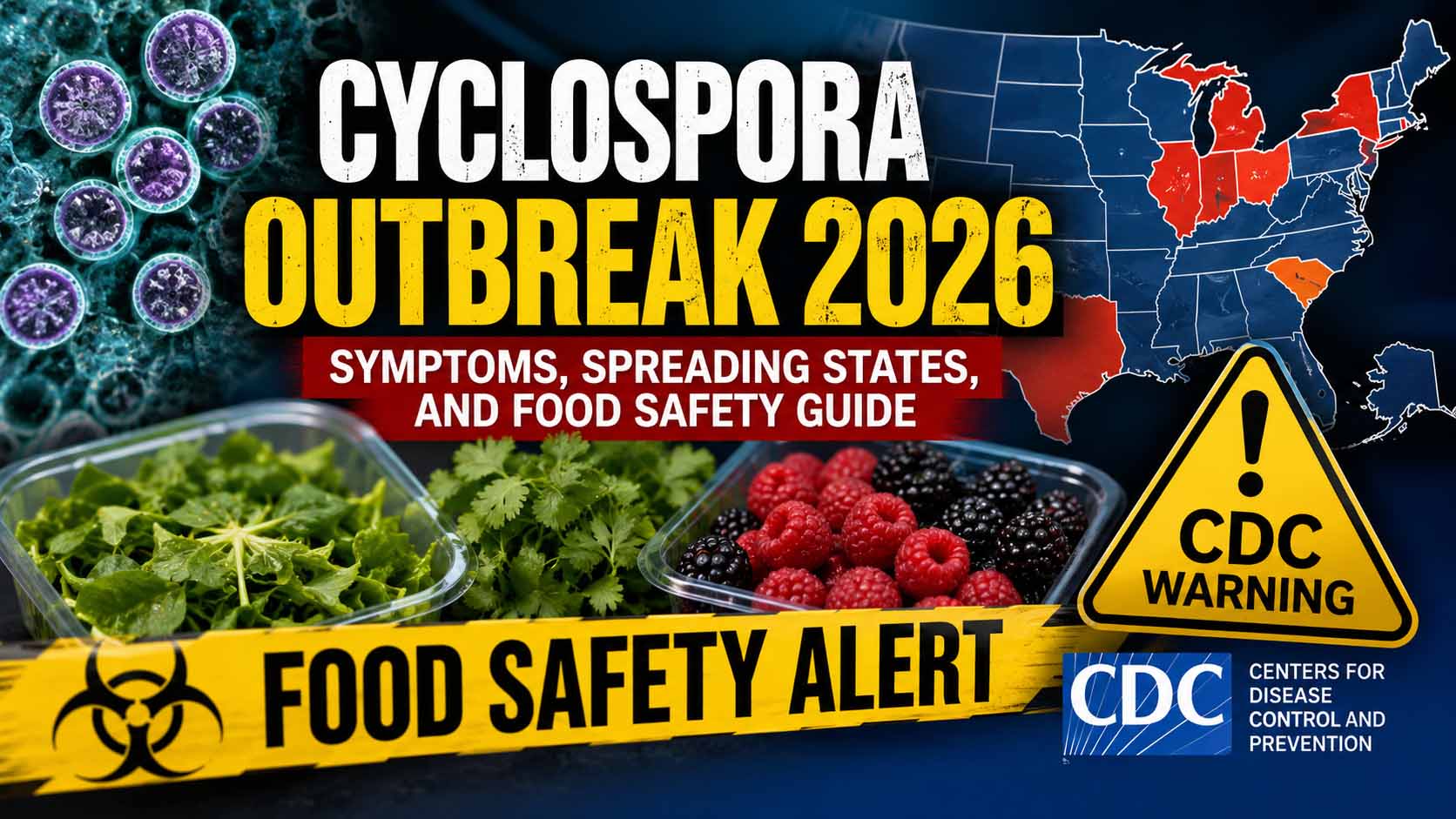
  • Cyclospora Outbreak 2026: Symptoms, Spreading States, and Food Safety Guide

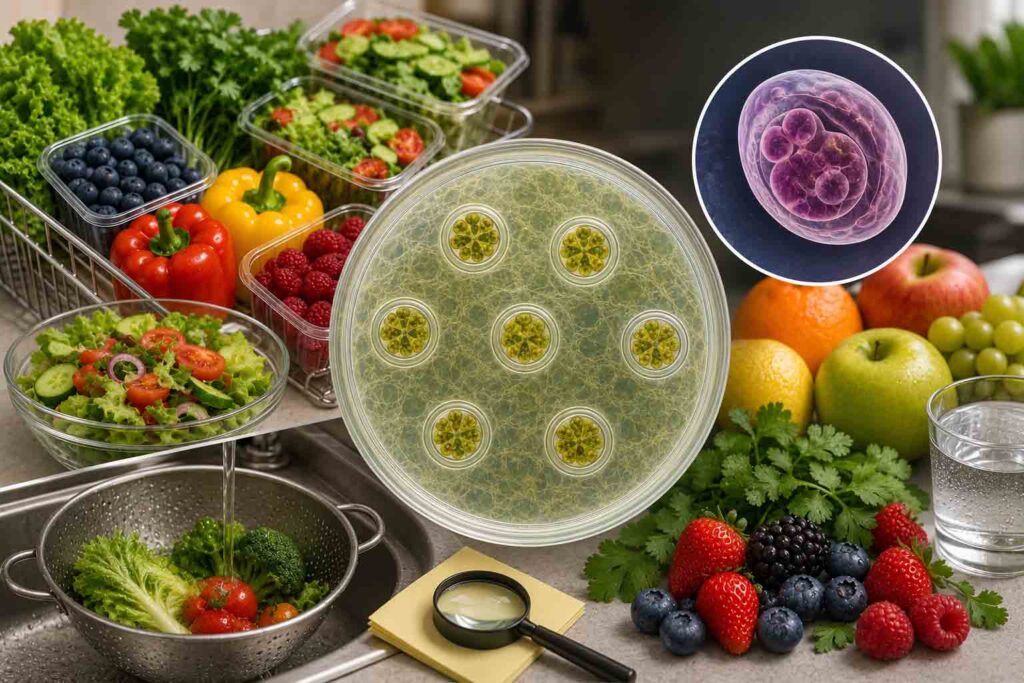
    Cyclospora Outbreak 2026: Symptoms, Spreading States, and Food Safety Guide

    Medical Disclaimer: Cyclospora outbreak 2026. The information provided in this article is for educational and informational purposes only and does not constitute medical advice. If you suspect you have a foodborne illness, please consult a qualified healthcare professional.

    1. Introduction

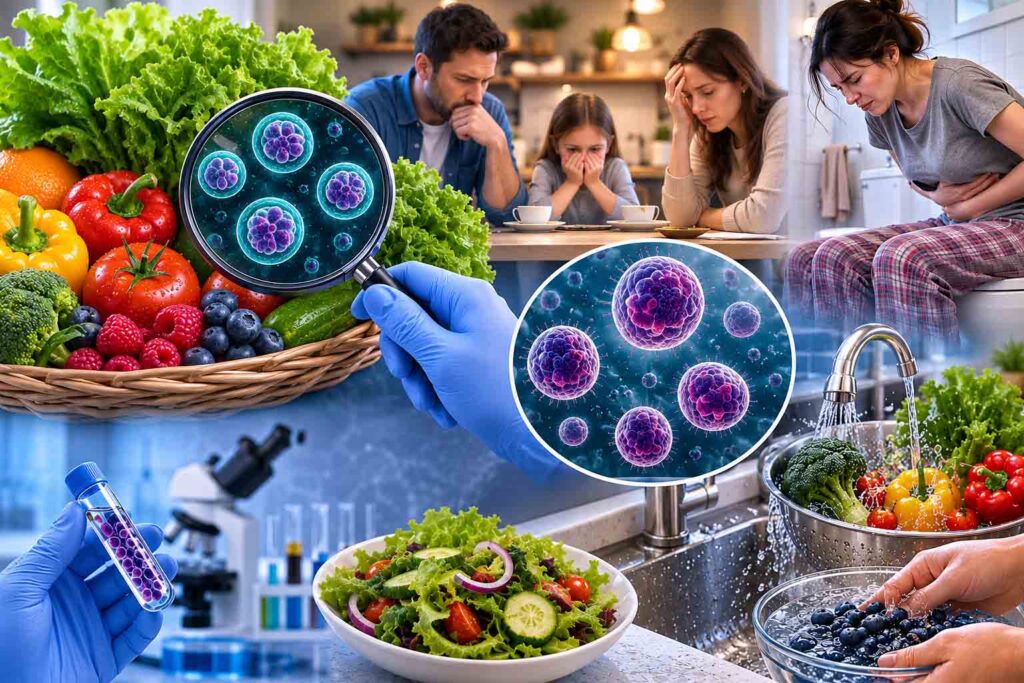
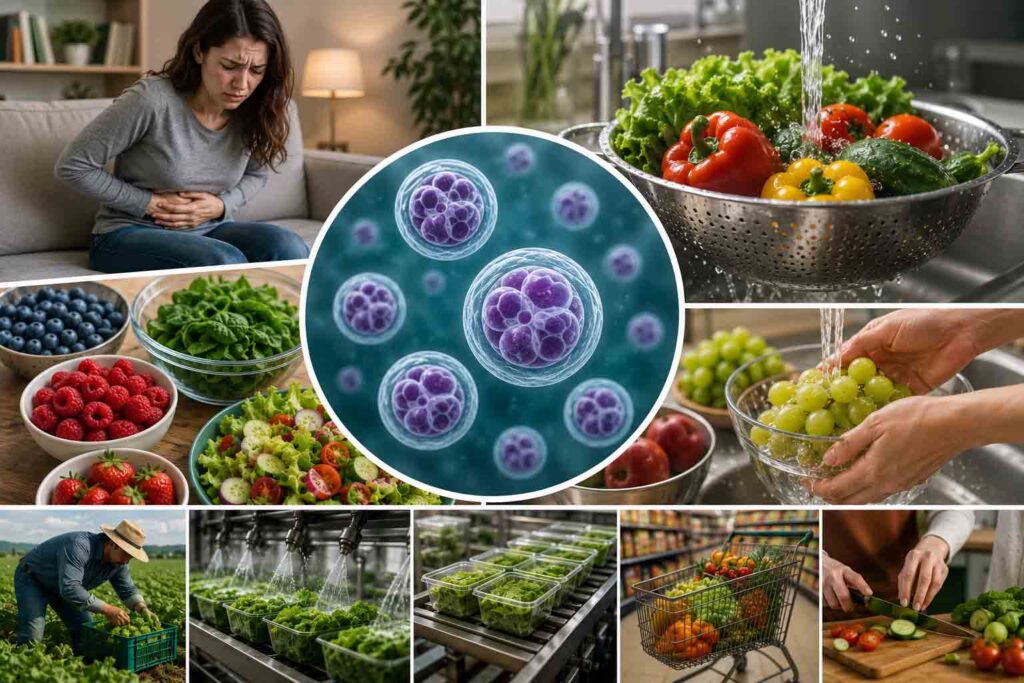
    Cyclospora outbreak 2026. Fresh, raw produce is a fundamental element of nutritional health and modern dietary guidance, but its path from global agricultural centers to local grocery store shelves carries biological risks. The year 2026 has witnessed one of the most significant public health challenges in recent food safety history: a massive, fast-moving multistate outbreak of cyclosporiasis.

    This intestinal infection, caused by the microscopic parasite Cyclospora cayetanensis, has sickened thousands of individuals across the United States. Unlike viral or bacterial foodborne contaminants, Cyclospora infections can produce weeks or even months of exhausting, relapsing gastrointestinal symptoms if left unmanaged. This comprehensive guide provides an objective, evidence-based exploration of the 2026 Cyclospora outbreak, detailing clinical symptoms, high-risk vectors, and a definitive produce purchasing and preparation roadmap.

    2. What You’ll Learn

    • The Biology of Cyclospora: A detailed overview of its specialized life cycle and why it thrives in tropical ecosystems.
    • The Anatomy of the 2026 Outbreak: The current timeline, confirmed cases, specific imported product lines involved, and the regulatory response of the FDA and CDC.
    • Clinical Profiling & Identification: How to distinguish the prolonged symptoms from typical stomach bugs.
    • High-Risk Vectors: A breakdown of specific fruits, herbs, and leafy vegetables historically and currently implicated.
    • Evidence-Based Prevention Systems: Practical strategies for produce washing, thermal inactivation, and safe food handling.

    3. What Is Cyclospora?

    Parasite Overview

    Cyclospora outbreak 2026. Cyclospora cayetanensis is a microscopic, single-celled protozoan parasite that targets the mucosal cells of the human small intestine. First recognized as a significant human pathogen in the late 1970s, it belongs to the phylum Apicomplexa. Humans are the only known natural hosts, meaning animal feces do not play a role in transmitting this specific infection.

    Life Cycle and Transmission

    The parasite is shed in the feces of an infected person in an immature, non-infectious form called an unsporulated oocyst. To become infectious, it must sit in the environment (soil or water) for days to weeks to undergo sporulation. Because of this delay, direct person-to-person transmission is highly unlikely. Human infection occurs via the fecal-oral route through the accidental ingestion of food or water contaminated with mature oocysts.

    Why Outbreaks Happen

    Outbreaks are uniquely tied to systemic factors within modern agricultural and global trade frameworks. When contaminated water is sprayed across vast fields of low-growing produce, the sticky, highly resilient oocysts attach firmly to the surface cuticles and microscopic pores of herbs and leafy greens.

    4. Current 2026 Cyclospora Outbreak

    Timeline and Affected States

    Cyclospora outbreak 2026. The 2026 domestic cyclosporiasis outbreak season began on May 1, 2026. On July 14, 2026, the CDC issued a Health Alert Network (HAN) notice regarding an unprecedented surge. As of mid-July 2026, federal surveillance systems have logged 1,645 laboratory-confirmed domestic infections across 34 U.S. states. A massive primary cluster heavily impacted five states: Michigan, Ohio, Indiana, Kentucky, and West Virginia.

    Current Investigations and Recall

    Traceback investigations by the FDA and CDC identified shredded iceberg lettuce imported from central Mexico—served at multiple Taco Bell restaurant locations across the Midwest—as a primary vehicle. On July 17, 2026, supplier Taylor Farms de Mexico initiated a comprehensive voluntary recall of all iceberg lettuce sourced from central Mexico, encompassing retail lines like the Marketside brand.

    5. Symptoms and Diagnosis

    Common Symptoms

    Cyclospora outbreak 2026. The defining hallmark of a Cyclospora infection is frequent, voluminous, and watery diarrhea. Additional symptoms include:

    • Severe abdominal cramping and physical bloating.
    • Profound loss of appetite and rapid weight loss.
    • Pronounced increased gas and flatulence.
    • Nausea, low-grade fever, and generalized muscle aches.
    • Pervasive, overwhelming fatigue.

    High-Risk Groups

    • Immunocompromised Individuals (e.g., HIV/AIDS, cancer patients).
    • Older Adults (aged 65 and older).
    • Infants and Young Children.

    Diagnosis

    Cyclospora is not detected by routine stool cultures. Patients must explicitly request specialized testing, such as a Gastrointestinal Polymerase Chain Reaction (PCR) multiplex panel or a specialized stool ova and parasite exam utilizing modified acid-fast staining.

    6. Treatment Protocols

    Cyclospora outbreak 2026. The gold-standard, first-line treatment for a confirmed Cyclospora infection is a standard course of oral trimethoprim/sulfamethoxazole (TMP-SMX), commonly known as Bactrim or Septra. The standard prescribed dosage for adults is typically one double-strength tablet twice daily for 7 to 10 days. Aggressive rehydration using structured Oral Rehydration Solutions (ORS) is also critical to manage fluid loss.

    7. Buying Guide and Prevention for Safe Produce

    Foods Commonly Linked to Cyclospora

    • Leafy Greens: Iceberg, romaine, green leaf, and red leaf lettuce.
    • Fresh Herbs: Cilantro and sweet basil.
    • Berries: Raspberries, blackberries, and strawberries.
    • Pre-packaged Salad Mixes: Spring mixes and mesclun blends.

    Prevention Metrics

    1. Produce Washing: Rinse thoroughly under clean, running tap water. Use a dedicated produce brush for firm items. Note: washing alone cannot guarantee 100% removal.
    2. Thermal Processing: Cooking produce to an internal temperature of at least 158°F (70°C) completely destroys the parasite.
    3. Cross-Contamination Avoidance: Keep fresh fruits and vegetables completely separated from raw meats in the refrigerator.

    8. Food Safety & Clinical Summary

    ParameterCyclospora Clinical & Food Safety Profile
    Primary SymptomsVoluminous watery diarrhea, severe abdominal cramps, bloating, fatigue, weight loss.
    Incubation PeriodTypically 7 days (range spans from 2 to 14+ days).
    First-Line TreatmentTrimethoprim/sulfamethoxazole (TMP-SMX / Bactrim); 1 double-strength tab twice daily (7-10 days).
    Supportive MeasuresAggressive rehydration using ORS; IV fluids for severe dehydration.
    Core PreventionRinsing produce under running water, tracking FDA recalls, cooking food to 158°F (70°C).

    9. Frequently Asked Questions (FAQs)

    1. Can Cyclospora be spread directly from person to person?

    No. The parasite requires days or weeks in the environment to mature and become capable of causing illness.

    2. Does freezing fresh produce kill Cyclospora oocysts?

    No. Standard residential freezing is not reliable for destroying the highly resilient oocysts.

    3. Is there a vaccine available?

    No, there is currently no vaccine available to prevent Cyclospora infections in humans.

    10. Final Thoughts

    Cyclospora outbreak 2026. The sweeping 2026 nationwide Cyclospora outbreak serves as a stark reminder of the complexities inherent in our global food supply chains. By combining a reliable awareness of active food recalls with basic hygiene fundamentals—like washing hands, avoiding cross-contamination, and using clean, running water—consumers can continue to enjoy the vital health benefits of fresh fruits and vegetables while effectively minimizing their risk of foodborne illness.

    관련기사

    Logitech – Workspace Solutions
    https://www.logitech.com/

    IKEA – Home Office Ideas
    https://www.ikea.com/

    Microsoft – Work Smarter with Microsoft 365
    https://www.microsoft.com/microsoft-365

    Notion – Productivity Workspace
    https://www.notion.so/

    Steelcase – Workplace Insights
    https://www.steelcase.com/

    참고자료

    • Logitech
    • IKEA
    • Microsoft
    • Notion
    • Steelcase

    💡 함께 읽으면 좋은 우리 블로그 글 (Internal Links)