Category: Health

  • 15 Scientific Ways to Stay Cool Without Air Conditioning: A Practical Guide from Lowering Indoor Temperatures to Perfect Sleep

    15 Scientific Ways to Stay Cool Without Air Conditioning: A Practical Guide from Lowering Indoor Temperatures to Perfect Sleep

    Are you looking for ways to stay cool without air conditioning this summer?

    Meta Description: Discover 15 scientific methods based on thermodynamics and physiology to enjoy a comfortable summer without air conditioning. This expert guide comprehensively covers everything from lowering indoor temperatures, utilizing fans and curtains at 200% efficiency, and tips for overcoming tropical nights, to cooling know-how for non-AC outdoor filming sets.

    During heatwaves when summer temperatures rise rapidly, our dependence on air conditioning reaches its peak. However, excessive use of air conditioning not only leads to massive electricity bills but also severely weakens the body’s immune system by inducing autonomic nervous system disorders, commonly known as air-conditioning sickness. It is generally known that prolonged exposure to artificial cold air in an enclosed space dries out the respiratory mucous membranes and drastically increases the probability of suffering from chronic fatigue and headaches due to extreme temperature differences between indoors and outdoors.

    In actual production fields, there are many synchronous recording environments where external noise or the mechanical background noise of an air conditioner must be perfectly controlled. Consequently, it is common to push through filming in a completely sealed studio in the middle of summer with the cooling system entirely turned off. Many experts emphasize that surviving in such extreme environments requires moving beyond the physical measure of simply blasting cold air. Instead, adopting a scientific approach that understands the thermodynamic structure of the space and controls airflow is a crucial task directly linked to survival.

    This complete guide presents 15 scientific methodologies to establish a comfortable indoor environment without relying on the modern convenience of an air conditioner. From strategies to lower indoor temperatures using Bernoulli’s principle to aerodynamic fan utilization, radiant heat-blocking curtain installations, and physiological sleep tips, we provide highly detailed and practical knowledge. Through this guide, you will establish a perfect standard for smartly managing the heat of both your body and space in any non-AC environment.

    Fundamental Thermodynamic Environmental Design for Lowering Indoor Temperatures

    The very first step to lowering the indoor temperature is to create a structure that blocks heat energy from entering the house and expels trapped internal heat outwards, based on the Second Law of Thermodynamics. Air density changes with temperature, causing convection currents where hot air rises and cold air sinks. It may vary depending on the situation, but simply controlling the direction of window openings and timing strategically can yield the astonishing effect of lowering the average indoor temperature by 2 to 3 degrees Celsius.

    Many people tend to throw all the windows wide open during the day simply because it feels hot. However, this leads to the fatal consequence of defenselessly drawing in the blistering external radiant heat and suffocating air. When midday solar energy is baking the earth’s surface, the outdoor temperature is significantly higher than indoors. Attempting to ventilate indiscriminately at this time is akin to walking straight into a giant oven.

    This section deeply covers four core methods based on architectural physics and environmental engineering: scientific ventilation techniques utilizing air pressure differences, controlling artificial heat sources generated by electronic devices, and evaporative cooling systems utilizing the heat of vaporization. Furthermore, it delivers detailed solutions for heat management problems that occur in the actual workspaces of creators handling high-spec equipment for short-form video editing.

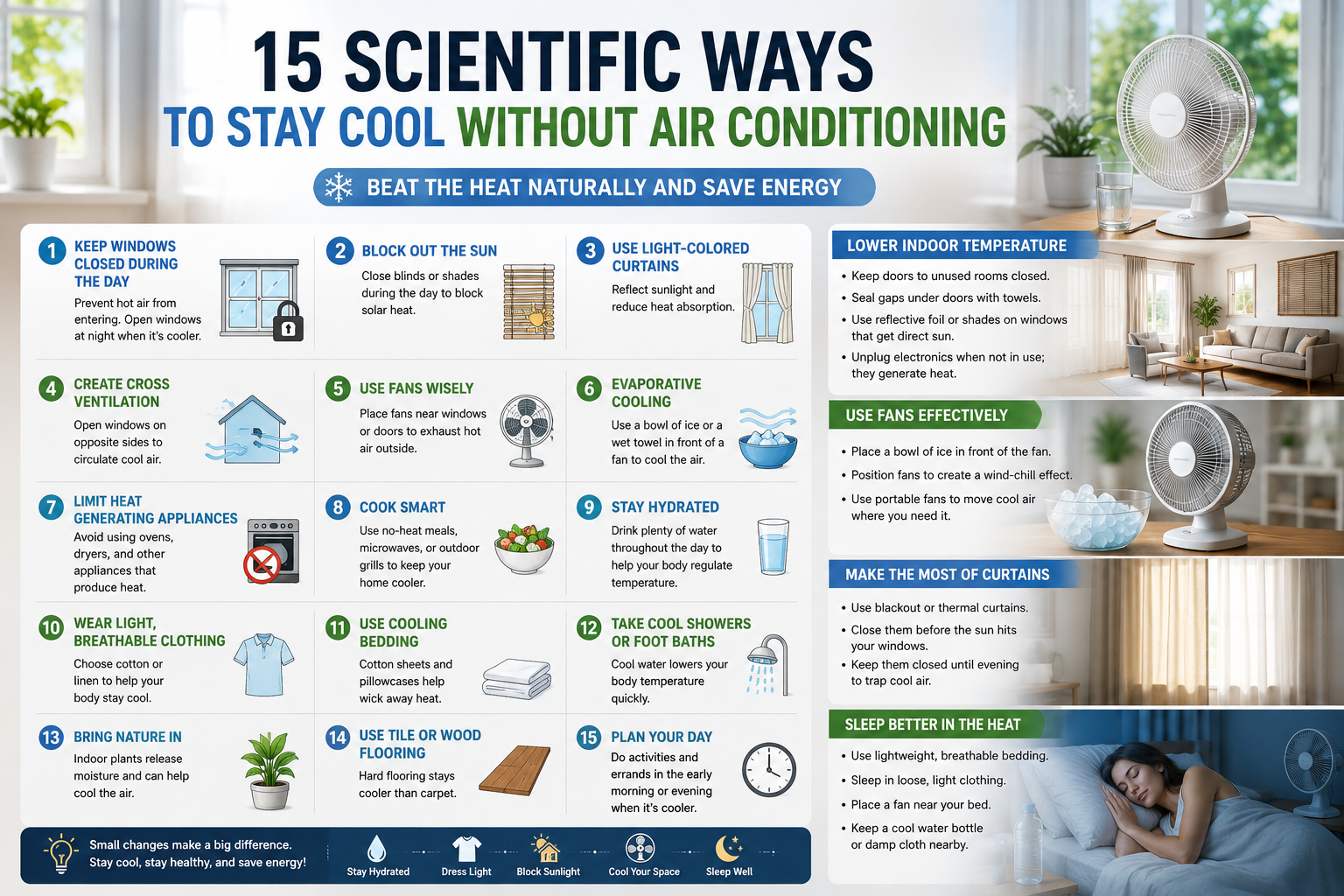
    [Method 1] Applying Bernoulli’s Principle Through Cross Ventilation

    To extract hot indoor air, you must actively apply ‘Bernoulli’s Principle,’ a fundamental concept in fluid dynamics. Bernoulli’s Principle explains the phenomenon where fluid speed increases and pressure decreases as it passes through a narrow passage. To apply this in a house, you must design it so that the window on the windward side (where the wind enters) is opened slightly, while the window on the leeward side (where the wind exits) is opened wide. This creates a bottleneck effect as air enters, rapidly increasing the flow velocity.

    A common mistake beginners make is opening both front and back windows wide equally, leaving the airflow sluggish and inefficient. If you open the windward window only about 15 to 20 cm to increase the pressure, cool outdoor air will forcefully push deep into the house, much like how a stream of water shoots stronger and further when you squeeze the end of a hose.

    According to expert know-how, the ‘golden time’ for this cross ventilation is from the nighttime hours (after 9 PM) when the outdoor temperature drops below the indoor temperature, until the early dawn (before 6 AM). The most scientific ventilation strategy is to completely cool down the heat accumulated in the walls and floors through cross ventilation during these hours, and then tightly close all windows around 8 AM as the sun rises and temperatures climb, trapping the cold air inside.

    [Method 2] Preemptive Blocking of Indoor Heat Sources and Standby Power Control

    Without us realizing it, home appliances act as small heaters constantly emitting heat. In particular, desktop PCs equipped with high-performance graphics cards, large smart TVs, set-top boxes, and the keep-warm function of rice cookers are the main culprits raising the summer indoor temperature by more than 1 degree. This is because any device with electricity flowing through it inevitably generates heat energy due to electrical resistance.

    Looking at actual business application cases, creators who produce 9:16 vertical short-form dance challenges or K-pop content featuring flashy transitions using editing programs like CapCut suffer from severe overheating issues. When rendering heavy 4K video files, the PC’s graphics card and CPU temperatures soar to 80~90 degrees Celsius, turning a small workspace into a literal sauna.

    As a troubleshooting method during production and a practical tip, professionals whose main job is editing utilize scheduling functions to run video rendering tasks during the late-night hours when the indoor temperature is at its lowest. Even in a normal household, you must unplug unused appliances or use power strips with individual switches to 100% block the micro-heat generated by standby power, ensuring the house’s base temperature remains low.

    [Method 3] Controlling Indoor Humidity Using Evaporative Cooling

    The principle where water absorbs surrounding heat energy as it changes state from a liquid to a gas is called the ‘heat of vaporization’ or ‘Evaporative Cooling.’ Mopping the floor with cold water on a hot midday or hanging a wet towel in front of a fan are excellent traditional methods that utilize this evaporative cooling principle to strip heat from the air.

    However, the most fatal mistake beginners make is attempting evaporative cooling in an environment where the indoor humidity has already exceeded 70% and reached saturation, such as during the monsoon season or on cloudy days. If there is no more room for the atmosphere to hold water vapor, the moisture in the towel cannot vaporize. This only causes a sticky discomfort index to skyrocket, paradoxically resulting in the worst-case scenario of raising the perceived temperature.

    Therefore, as a practical tip, the evaporative cooling method must only be strategically used in clear, dry heatwave environments (relative humidity below 50%). As a recent trend, utilizing the AI weather app on your smartphone to check the real-time external humidity, and then lightly spraying water with a spray bottle on the veranda floor or entryway tiles during dry hours can dramatically lower the temperature of the air flowing indoors.

    [Method 4] Microclimate Creation Through Natural Plant Transpiration

    Plants perform ‘Transpiration,’ a process where they release water absorbed through their roots into the atmosphere via the stomata on their leaves. Because this process also utilizes the heat of vaporization of water, the air around the plants becomes cooler than the surroundings. By placing several broad-leaved plants near a window, you form a natural defense barrier and a Microclimate that initially cools the scorching heat entering the house.

    Many experts recommend intensively placing foliage plants with broad leaves and active transpiration, such as Monstera, Rubber Trees, and Areca Palms, on the veranda or living room windows exposed to direct sunlight. Not only are these plants aesthetically pleasing, but they also act as multi-purpose filters, releasing hundreds of milliliters of microscopic moisture per day through their leaves, lowering the ambient temperature by 1~2 degrees, and purifying the indoor air.

    As a precaution, to maximize the cooling effect emitted by plants, you must generously spray water on the front and back of the leaves with a spray bottle twice a day: early in the morning and in the evening after sunset. Wet leaves deflect solar heat and cool the surrounding air much faster. Artificial plants or small succulents with thick leaves that hardly transpire offer zero temperature-lowering effects, so the choice depends on the purpose when selecting plant species.

    Aerodynamic Placement of Fans and 200% Utilization of Fluid Dynamics

    The core weapon for surviving the summer without an air conditioner is undoubtedly the electric fan. However, most people simply point the fan directly at their faces or bodies and let it blow on them. This is an amateur approach that overlooks the heat generated by the fan’s motor and merely seeks temporary coolness by drying the sweat on the skin’s surface. In fluid dynamics, a fan must act as a powerful blower that creates airflow, circulates the heat throughout the entire space, and drives it outside.

    Some studies indicate that if a fan is left running directly on a person in a closed room for a long time, the overall temperature of the room actually rises due to the heat generated by the motor. The person only feels a cooling effect as sweat evaporates; the thermodynamic energy of the space does not decrease at all. Therefore, a fan’s performance differs vastly depending on ‘where’ and ‘in which direction’ it is placed.

    This section deeply analyzes four innovative 100% fan utilization know-hows: the Exhaust technique to force out stagnant hot air, a DIY AC system maximizing endothermic reactions using ice, air circulation tips combining air circulators, and seasonal aerodynamic settings for ceiling fans.

    [Method 5] Exhaust Fan Placement Facing Out the Window

    When the sun sets and the evening arrives, bringing the outdoor temperature lower than the indoor temperature, people often place fans outside the window blowing inward to catch a cool breeze. However, a thermodynamically more efficient method is to turn the fan in the exact opposite direction to build an ‘Exhaust’ system that points ‘out the window.’

    According to expert know-how, hot air trapped in concrete walls and floors during the day does not quickly escape on its own just because a window is opened. If you point the fan from inside the room facing out the window, it forcibly pushes the hot indoor air outside. The resulting pressure difference (negative pressure) formed in the room explosively sucks in fresh, cool outside air through other windows or doors.

    As a practical tip and precaution, do not place the fan flush against the window screen. Instead, place it about 50 cm to 1 m away from the window, facing outwards. This allows it to gather the surrounding air broadly and form a powerful exhaust airflow through the Bernoulli effect. It is the ultimate on-site move to cool down a room filled with hot, stuffy air in just 5 minutes.

    [Method 6] Building a DIY AC System Using Frozen Water Bottles

    When there is no physical air conditioner, the most primal and guaranteed way to generate cold air is a DIY ice AC utilizing an Endothermic Reaction. If you freeze water in two to three 2-liter plastic bottles and line them up behind the fan motor or in front of the grill where the air blows out, the fan’s breeze will drastically drop in temperature as it brushes past the ice bottles, pouring out cold air that rivals a cooler.

    A mistake commonly made by beginners is freezing plain water or failing to place a towel under the bottles. As the ice melts back into water, moisture in the air condenses on the surface of the plastic bottles, causing a massive amount of condensation (water droplets) that can easily turn the floor into a puddle. You must place a wide, deep tray under the bottles to prevent floor damage.

    To add another piece of expert know-how here, when filling the plastic bottles, do not use regular water but rather saltwater loaded with plenty of salt. Saltwater has a lower freezing point than plain water, so it freezes rock-solid at a much lower sub-zero temperature. When it melts, it absorbs significantly more heat from the surroundings, and does so much slower, making the intensity and duration of the cooling effect more than twice as long as plain water.

    [Method 7] Indoor Air Circulation Through the Combined Placement of Circulators and Fans

    Recently, in addition to regular fans, many households are equipped with ‘Air Circulators’ that borrow the aerodynamics of aircraft jet engines. The choice depends on the purpose; unlike a fan that spreads air widely, a circulator is a dedicated air circulation device that gathers air into a vortex and shoots it in a straight line tens of meters away. In an environment without AC, the key is to divide the roles of these two devices and deploy them in combination.

    It is generally known that hot indoor air always gathers towards the ceiling, forming layers. Therefore, if you tilt the head of the circulator a full 90 degrees pointing straight up at the ceiling and run it powerfully, the sauna-like air layer pooled at the ceiling shatters and mixes with the floor air, eliminating the temperature variance throughout the room.

    As a practical tip, while the circulator crushes the hot air on the ceiling and stirs the entire room’s air, the regular fan should be rotated horizontally at the eye level where people stay, such as beds or sofas, to blow away the heat of vaporization on the skin’s surface. This ‘two-track vertical and horizontal air circulation’ is the most scientific solution to defeat a suffocating tropical night in a cramped, stuffy room.

    [Method 8] Seasonal Forward/Reverse Settings for Ceiling Fans

    A recent interior trend sees a rapid increase in households installing large Ceiling Fans in their living rooms or bedrooms. A ceiling fan is a highly efficient cooling auxiliary device that does not take up floor space yet generates massive airflow with its giant blades, dropping the perceived temperature of the entire space by over 2 to 3 degrees. However, many are unaware of the scientific fact that the rotation direction of the blades must be set differently for each season.

    A common mistake made by beginners is setting the ceiling fan to ‘Reverse (Clockwise)’ during the summer. Reverse rotation pulls air up toward the ceiling and forces it down along the walls. This mode is mainly used in winter to circulate the warm heating air gathered at the ceiling. If you use this mode in the summer, it paradoxically dumps the scorching heat from the ceiling right onto people’s heads.

    According to expert know-how, to overcome the summer heatwave, you must operate the ceiling fan’s remote control or main switch to set it to ‘Forward (Counterclockwise)’. Blades rotating counterclockwise forcefully push the air straight down toward the floor, creating direct airflow on the skin and promoting the heat of vaporization to provide an overwhelming sense of refreshment.

    Radiant Heat and Insulation Control Systems Using Curtains and Blinds

    In architectural engineering, the most absolute heat sources that raise indoor temperatures are the sun’s ‘direct sunlight’ and ‘radiant heat’ piercing through the windows. It may vary depending on the situation, but approximately 30 to 40% of the total heat entering a house during summer comes through the glass windows. Solar rays are light energy on their own, but the moment they touch the indoor floors, wallpaper, and furniture surfaces, they convert into heat energy, acting as a giant radiator that slowly bakes the inside of the house.

    Therefore, to stay cool without an AC, it is essential to rigorously track the sun’s rising and setting trajectory and design a defense barrier that fundamentally blocks sunlight before it touches indoor objects. Many people hang thin, transparent chiffon curtains for interior design purposes, but these are mere shells with zero physical effect in defending against the heat energy of direct sunlight. To block heat, you must borrow the power of specialized materials engineering that reflects or traps light and heat.

    This section covers four core defense strategies that perfectly bounce off thermal radiation entering the room: the principle of blackout curtains that drastically lower the Solar Heat Gain Coefficient (SHGC), the insulation effect of honeycomb blinds embracing air layers, window tinting film technology applied directly to glass, and a traditional cooling technique utilizing the balcony floor.

    [Method 9] 100% Direct Sunlight Blocking Using Blackout Curtains

    The most reliable and inexpensive way to prevent the temperature of an empty house or an unoccupied room from skyrocketing during summer days (10 AM – 4 PM) is to draw ‘Blackout Curtains’. Blackout curtains are special fabrics made by compressing multiple layers of textile or applying an acrylic coating on the back, bouncing off over 99% of visible light and infrared rays. This physically blocks external solar radiant heat from infiltrating indoors.

    A mistake beginners frequently make when choosing blackout curtains is unconditionally selecting dark black or navy curtains. Dark colors are advantageous for blocking light, but the fabric surface itself ferociously absorbs solar heat, turning the curtain into a massive heating element. This is precisely why you feel a wave of hot air radiating from the curtain when you get close to the window.

    The expert know-how and practical tip here is to choose an interior color of your liking for the front side facing indoors, but select a blackout curtain with a white or silver coating on the back side facing the window (outdoors) that perfectly reflects light. Because the bright-coated surface reflects solar radiant heat back outside like a mirror, it prevents the curtain itself from getting hot and keeps the indoor temperature cool.

    [Method 10] Applying the Insulation Principle of Honeycomb Blinds’ Air Cells

    Households that dislike the fluttering or dust of curtains prefer blinds. However, standard aluminum or wood blinds have high thermal conductivity, transmitting summer solar heat straight into the room. In a non-AC environment, the ultimate insulating blind most recommended by experts is the ‘Honeycomb Blind,’ which features a hexagonal, honeycomb-shaped cross-section.

    Inside the three-dimensional hexagonal structure of honeycomb blinds, numerous ‘stagnant Air Cells’ that do not mix with external air are formed. Air is one of the greatest natural insulators on Earth. When scorching radiant heat heating up the window tries to enter the room, the hexagonal air cells inside the blinds act as a perfect buffer zone blocking the transfer of heat, dramatically delaying the rise in room temperature.

    As a practical tip, to extract 100% of the honeycomb blind’s insulation effect, you must minimize the gaps between the window frame and the blind. Because most of the heat leaking in from outside enters through the open spaces on both sides of the blind, it is crucial to install it tightly flush inside the window frame (recessed mount) to perfectly cut off the heat’s bypass routes.

    [Method 11] Scientific Application of Window Tinting Films and Bubble Wrap

    In office environments or windows requiring natural light where curtains or blinds cannot be drawn, installing a window tinting film (heat rejection film) that lowers the thermal transmittance of the glass itself is essential. Operating on the same principle as tinting car windows, this is highly advanced nano-engineering technology where a thin film coated with metal particles is attached to the glass to reflect infrared and ultraviolet rays while allowing only visible light to pass indoors.

    The so-called ‘뽁뽁이 (Bubble Wrap),’ widely used for winterproofing, is also extremely effective for summer cooling. This is because the air layer in the bubbles blocks heat conduction. A common mistake beginners make when applying bubble wrap or film is merely wiping the glass roughly and spraying just plain water. If fine dust or grease remains on the glass, severe air bubbles form, ruining the aesthetics, and heat leaks through those gaps, plummeting the insulation effect.

    As a troubleshooting method and expert know-how, before application, you must fill a spray bottle with ‘soapy water mixed with a few drops of neutral detergent (dish soap)’ and drench both the glass window and the film surface. The soapy water acts as a lubricant, allowing you to easily adjust the position even when the film is on the glass. If you push out firmly from the center to the outside with a rubber squeegee, you can achieve a flawless installation integrated perfectly with the glass without a single bubble.

    [Method 12] Blocking Radiant Heat by Spraying Water on Balcony Floors

    An apartment balcony (veranda) or a house’s yard is the first line of defense holding heat before it enters indoors. The geothermal heat from balcony tiles boiling under direct midday sunlight pierces through the window sashes and spikes the living room temperature. If there is no AC indoors, you need physical measures to preemptively lower the floor temperature of this external balcony.

    Looking at actual production field cases, on historical drama sets or traditional Hanok sets where AC installation is impossible, staff hose down the entire yard with massive amounts of water right before ‘Shoot’ is called to prevent actors wearing multiple layers of Hanbok from getting heatstroke. As the water soaks the dirt and roof tiles on the ground and then vaporizes, it takes away the surrounding heat. This is a classic but highly certain cooling technique that instantly drops the perceived temperature of the entire set yard.

    This principle can also be applied in regular homes. Around 2 to 3 PM, the hottest time of the day, drenching the veranda tile floor with a hose or bucket of water allows the evaporating water to forcefully strip away the radiant heat trapped in the tiles. As a practical tip, if you slightly open the veranda window and leave the screen closed, the cooled air from the floor flows into the living room, allowing you to experience an immediate temperature drop. However, it is best to avoid this on days with excessively high humidity.

    Physiological Sleep and Cooling Techniques to Overcome Heatwaves and Tropical Nights

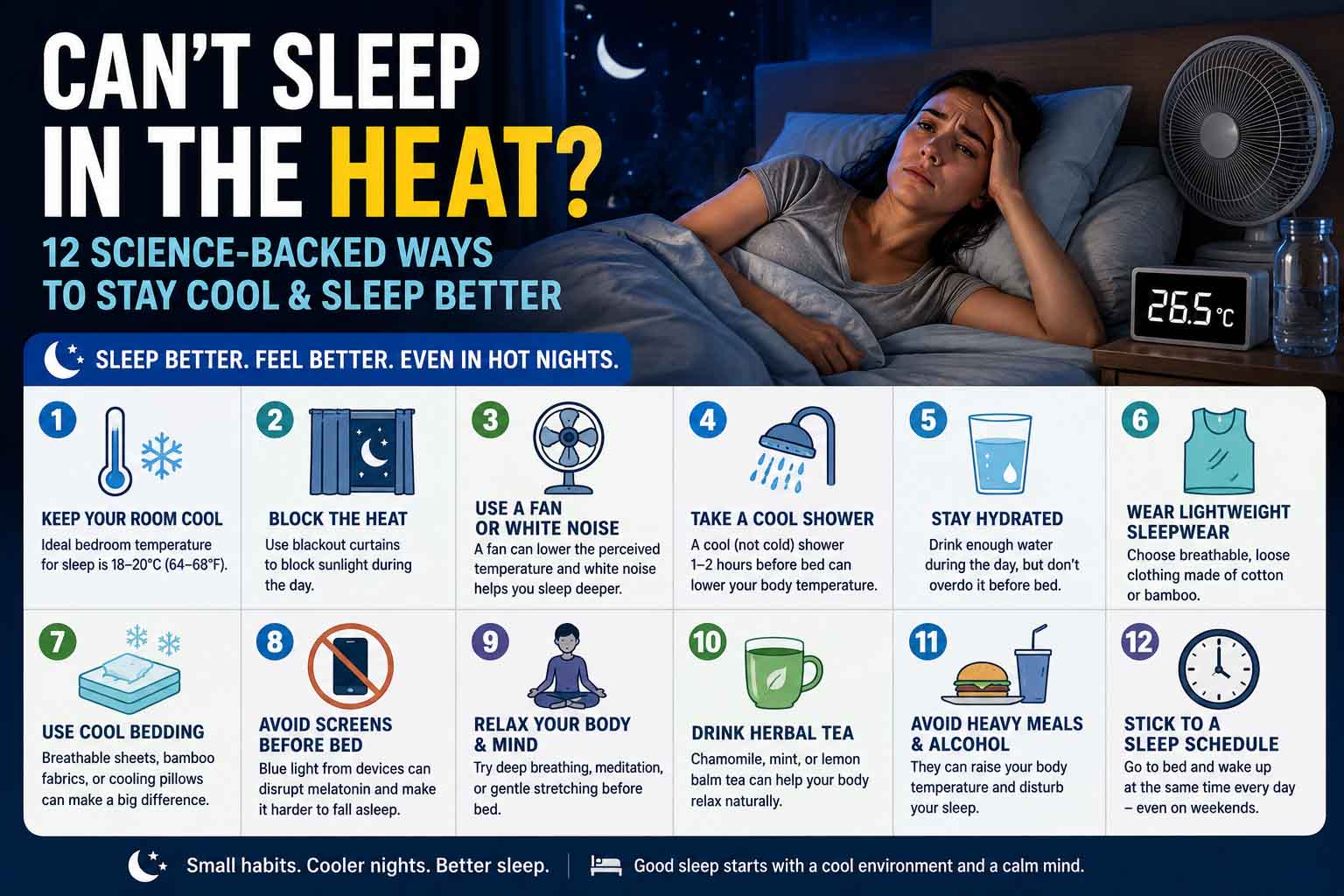
    The biggest hurdle for non-AC survival in summer is not the daytime when the sun is up, but the sleeping hours when the minimum nighttime temperature refuses to drop below 25 degrees Celsius, creating a ‘Tropical Night.’ According to the Circadian Rhythm, the human body is designed to lower the Core Body Temperature by about 0.5 to 1 degree Celsius compared to normal levels during sleep to allow the brain and organs to rest.

    It is generally known that if the ambient temperature is too high and the core body temperature cannot be smoothly dissipated, the brain perceives the body as being in an ’emergency alert state.’ This suppresses the secretion of the sleep hormone melatonin and excites the sympathetic nervous system. As a result, you toss and turn all night or remain in a light sleep, suffering from extreme chronic fatigue and a weakened immune system the next day. To achieve perfect sleep without an AC, you must actively utilize the body’s internal physiological temperature regulation mechanisms beyond merely cooling the space.

    This section covers four in-depth and innovative practical techniques: a step-by-step shower method to strategically lower core body temperature before sleep, the principle of touch cooling (Q-Max) bedding using new materials, localized cooling targeting the body’s Pulse Points, and real survival cases of creators forcing short-form shoots through heatwaves in non-AC studios.

    [Method 13] Step-by-Step Lukewarm Shower to Lower Core Body Temperature Before Sleep

    When you can’t sleep and are sweating during a tropical night, you are engulfed by an instinctual urge to run to the bathroom and take a bone-chillingly cold shower. This is the most common and fatal sleep-disrupting mistake beginners make. When cold water suddenly hits the hot skin surface, the capillaries all over the body constrict rapidly, closing the skin’s pores.

    As a result, only the surface of the skin cools down temporarily, but the hot heat trapped deep inside the body loses its exit route, keeping the core body temperature elevated. Furthermore, the body promotes heat-producing metabolism to return the chilled surface temperature to normal, causing a counterproductive effect where sweat pours out and the body heats up immediately after stepping out of the shower.

    The correct practical tip and expert know-how is to take a shower starting with ‘lukewarm water at 36~37 degrees Celsius, similar to body temperature,’ 1 to 2 hours before bedtime, gradually lowering the temperature step-by-step. Lukewarm water dilates blood vessels and opens pores, gently dissipating the core body heat accumulated deep inside all day out through the skin. As muscle tension releases and the core body temperature drops naturally, the brain finishes preparing to enter perfect sleep mode (melatonin secretion).

    [Method 14] 100% Utilization of the Q-Max of Cooling Bedding Materials

    Sleeping under chemical fiber (polyester) or heavy cotton blankets that cannot absorb sweat in a tropical night environment without AC plunges your sleep quality into an abyss. If sweat cannot escape and gets trapped inside the bedding, it not only causes skin maceration or heat rash but also abnormally raises body temperature. In summer, you must entirely replace your bedding with ‘touch cooling’ materials that rapidly absorb and release heat upon contact with the body.

    In textile engineering, the degree to which the skin feels instantaneous coolness upon touching a fabric is expressed by the ‘Q-Max (Touch Cooling Index)’. A recent market trend is placing high-functional cooling pads made of materials like Duraron, cooling nylon, or rayon, boasting a Q-Max value of 0.3 or higher, on top of the bed mattress. This prevents the dreadful heat trapping phenomenon that occurs between your back and the floor during sleep. These materials have very high thermal conductivity, absorbing body heat and immediately scattering it into the air.

    According to expert know-how, it is best to choose Linen or hemp—materials with the most outstanding breathability on Earth—for your covering blanket. Because there are countless microscopic air holes between the fiber strands, they vaporize the sweat you emit while sleeping as soon as it’s absorbed, maintaining a pleasant crispness. As a practical tip, you must wash your bedding at least once a week to remove sebum and impurities blocking the fiber’s pores to extract 100% performance from cooling materials.

    [Method 15] Strategic Localized Cooling of Pulse Points

    In a non-AC environment where you cannot cool the air of the entire room, a physiological secret to rapidly and decisively drop body temperature is concentrating on the ‘Pulse Points,’ where thick blood vessels pass closest to the skin surface. The back of the neck on both sides (carotid arteries), the inner wrists, under the armpits, and the groin (inguinal region) house major arteries and act as main control towers regulating the temperature of blood flowing throughout the entire body.

    When you feel hot no matter how strong you run the fan, try lightly placing an ice bag, rock-solid ice packs, or cold wet towels on these pulse point areas for just about 5 minutes. As the cooled blood is pumped by the heart and spreads instantly to organs and muscles all over the body, you can experience a thrilling core temperature drop equivalent to plunging your whole body into ice water.

    A precaution and a mistake beginners make is placing ice or ice packs directly on bare skin for a long time without wrapping them in a towel. This can cause localized frostbite or skin necrosis, and the brain may mistake it for extreme cold, triggering an adverse reaction that actually raises the core body temperature. You must wrap the ice in a single layer of dry towel or handkerchief and conduct short, intense cooling sessions not exceeding 10 minutes.

    Cooling Case Studies for Visual Comedy Short-Form Filming in Outdoor and Non-AC Studios

    In the actual production environments of creators, they face a dilemma where they must secure both survival and work quality under the extreme constraints of a non-AC environment. Recently, “dialogue-free slapstick comedies” or short-form content featuring animal characters (cats, dogs, pigs, etc.) with exaggerated actions have dominated platforms like TikTok or Shorts. These are mainly shot in a 9:16 vertical format and demand highly dynamic and relentless movement.

    Looking at actual filming cases, to perfectly exclude the influx of a mechanical AC background noise during audio recording and to maximize only high-quality impact sounds or environmental sounds (sound effects), shoots are often forced to proceed while sweating profusely without an AC in enclosed summer sets or against the backdrop of an outdoor Hanok village under the scorching sun. Performers dressed as Joseon-era scholars or wearing thick animal mascot suits are especially driven to the brink of exhaustion.

    A troubleshooting method and the latest practical tip to overcome these harsh conditions is the introduction of ‘Silent Ice Vests’ and ‘Ultra-Compact Neck Coolers.’ By wearing thin ice vests containing special refrigerants inside thick costumes, the rise in core body temperature is fundamentally suppressed. Furthermore, the survival know-how of on-site staff involves employing a guerrilla-style ventilation tactic: operating giant industrial Exhaust Fans only during the extremely short standby times between ‘Shoot’ and ‘Cut’ to suck the stagnant heat out of the set in just 10 seconds.

    Core Non-AC Survival Checklist for Practical Application

    To comfortably overcome midsummer without an AC, this is the core checklist you must inspect and execute in your home environment immediately.

    □ Are you keeping the windows closed during midday when the outdoor temperature is higher than indoors, and executing Bernoulli cross ventilation only at night and dawn? □ Have you eliminated indoor micro-heating by cutting off the standby power of unused TVs, set-top boxes, PCs, etc.? □ Have you tried expelling hot air by pointing the fan ‘out the window (exhaust type)’ rather than towards a person? □ Did you build a DIY ice AC by placing a tray and frozen plastic bottles mixed with salt behind the fan? □ Are you shattering the hot air layer by pointing the air circulator toward the ceiling (90 degrees)? □ Is the ceiling fan in the living room properly set to the summer mode, ‘Forward (Counterclockwise)’? □ Have you installed blackout curtains with a white (or silver) light-reflecting back side near the windows? □ Did you flawlessly apply window tinting film or bubble wrap to the glass using soapy water, leaving no air bubbles? □ Did you take a step-by-step cool-down shower with ‘lukewarm water,’ not cold water, 1 hour before sleep for a tropical night’s deep sleep? □ Have you entirely replaced your bedding with highly breathable linen blankets and cooling pads with a high Q-Max index?

    Conclusion

    Coolly overcoming heatwaves and tropical nights without an air conditioner is by no means painful endurance. It is a highly scientific practice of accurately understanding and controlling the aerodynamics of space, the Second Law of Thermodynamics, and the human body’s physiological temperature regulation system. Defend against radiant heat during the day with light-reflecting blackout curtains and honeycomb blinds, and forcibly evict stagnant heat at night using cross ventilation based on Bernoulli’s principle and exhaust fan placement. DIY saltwater ice bottle cooling, concentrated pulse point cooling, and lukewarm showers and cooling bedding that manage your core body temperature will keep your condition at its peak in any extreme non-AC setting. We hope you welcome the most natural and healthy summer by following these 15 practical guidelines that smartly utilize environmental and physical mechanisms.

    FAQ

    Q1. Is it really correct to keep the windows closed because it’s too hot during the day? Won’t it be hotter without ventilation?

    During a heatwave midday (11 AM – 4 PM) when the outdoor temperature is higher than indoors, opening windows invites blistering hot air and direct sunlight to pour in, turning your room into a sauna. It is scientific to keep windows and curtains tightly closed during the day to trap cool air, and ventilate late at night or early dawn when the outdoor temperature drops.

    Q2. Why is the exhaust method of pointing a fan out the window cooler?

    Forcibly pushing hot indoor air out the window creates a slight negative pressure (pressure drop) inside the room. To fill this pressure gap, fresh, cool outside air is explosively sucked in through other windows or doors in the house, instantly lowering the temperature of the entire room.

    Q3. Why should I freeze saltwater instead of plain water for ice plastic bottles?

    Saltwater has a lower freezing point than pure water, so it freezes at much colder sub-zero temperatures. When placed in front of a fan, the saltwater ice absorbs significantly more surrounding heat (endothermic reaction) as it melts, making the cold wind effect much stronger and lasting more than twice as long as plain water.

    Q4. Why does a cold shower on a hot summer night interfere with deep sleep?

    When cold water touches your skin, the brain perceives it as extreme cold and tightly closes all capillaries and pores to prevent heat loss. The outside feels cold, but the core heat trapped in bones and muscles cannot escape. Shortly after, sweat pours out and body temperature rises, fatally disrupting sleep (melatonin secretion). A lukewarm shower is the answer.

    Q5. Are there specific colors of blackout curtains I must absolutely avoid buying?

    You must absolutely avoid curtains where the back side facing the window is dark black or navy. Dark colors absorb solar radiant heat directly, turning the entire curtain into a hot heating element. You must choose products with a white or silver-foil coated exterior that reflects 100% of light.

    Q6. What is the biggest difference between an air circulator and an electric fan?

    A regular fan spreads air widely to dry a person’s sweat, while an air circulator applies aircraft engine fluid dynamics to gather air into a vortex and shoot it straight for tens of meters, mixing and circulating the entire air layer of a space. Circulators should be pointed at the ceiling to break up hot air.

    Q7. Is it true that the rotation direction of a ceiling fan is different in summer and winter?

    Yes, exactly. In summer, the blades must turn ‘Counterclockwise (Forward)’ to push air vertically to the floor, creating cool evaporative heat. In winter, they turn ‘Clockwise (Reverse)’ to draw air to the ceiling and push warm air down the walls, increasing heating efficiency.

    Q8. When it’s too hot, where on the body is ice packing the fastest and most effective?

    You must target the ‘Pulse Points’ where the major arteries sending blood throughout the body meet closest to the skin. Simply holding ice or a cold towel to the back of your neck, under your armpits, and the inside of your groin for 5 minutes circulates cooled blood throughout your body, providing an instant cooling effect like jumping into ice water.

    Q9. Does spraying water on the veranda floor in summer help lower the temperature?

    It is very helpful. Veranda concrete tiles heated during the day are a source of radiant heat that holds and spews heat into the living room. Drenching the floor with water at midday causes the water to vaporize, stealing an enormous amount of heat from the tiles (evaporative cooling) and preemptively plummeting the perceived temperature of the veranda and living room.

    Q10. When cross-ventilating, can I just open both front and back windows equally wide?

    You must open the windward window narrowly and the leeward window wide open to apply Bernoulli’s principle, causing the flow velocity to increase rapidly. Just like squeezing the end of a rubber hose makes water shoot out powerfully, cool outdoor air forcefully strikes deep into the house through the narrow gap.

    Q11. Does hanging a wet towel keep you cool even during the monsoon season or on high-humidity days?

    It actually backfires horribly. During the monsoon season when the air is packed with water vapor (humidity over 70%), the moisture in a wet towel cannot evaporate. The heat of vaporization effect becomes zero, and it only explodes the stickiness and discomfort index of the house, turning it into a sauna, so you must absolutely avoid this on humid days.

    Q12. How does the insulation principle of honeycomb blinds differ from regular wood blinds?

    Honeycomb blinds have a cross-section shaped like a hexagonal honeycomb, trapping air inside. The stagnant ‘Air Cell’ has extremely low thermal conductivity, acting as the best insulator on Earth. Even if solar heat passes through the glass, it cannot cross this air layer, dramatically preventing the indoor temperature from rising.

    Q13. How can I flawlessly apply bubble wrap or tinting film to a window without air bubbles?

    After thoroughly cleaning the glass surface, fill a spray bottle with soapy water containing a few drops of ‘dish soap’ and drench the window and film (bubble wrap). The soapy water acts as a lubricant so you can adjust the position freely. Pushing with a rubber squeegee perfectly squeezes out micro-bubbles and moisture, ensuring 100% adhesion to the glass.

    Q14. Are there criteria I should check when choosing a cooling pad or cooling bedding?

    You must check the ‘Q-Max (Touch Cooling Index),’ which measures how instantly you feel coolness when the fabric touches your skin. You should lay a product with a Q-Max index of 0.3 or higher (Duraron, cooling nylon, etc.) on top of your mattress to prevent the heat-trapping phenomenon that occurs on your back while you sleep.

    Q15. Does the room temperature rise even if I leave my computer or TV in standby power mode?

    Yes, even in a standby power state with minimal electricity flowing, constant micro-heating occurs due to the resistance of internal circuits. Especially in a closed room during summer, you must completely unplug unused electronics or cut 100% of the power using a switch-type power strip to lower the base temperature of the space.

    [Site Policies]

    ■ About Us We provide verified, expert information on health, climate change, and field safety protocols.

    ■ Contact www6812@naver.com

    ■ Privacy Policy This website uses cookies to serve personalized ads through Google AdSense. You can disable cookies at any time through your browser settings.

    ■ Disclaimer All information on this site is for informational and educational purposes only and does not substitute professional medical or legal advice. The operator assumes no liability for any actions taken or outcomes resulting from the use of this information.

    📌 함께 보면 좋은 글

    [Related Articles]

    👉 Ultimate Guide: Heatwaves and Heart Health (Click here)

    [References]
    1. U.S. Department of Energy (DOE) – 2026 Energy-Efficient Ways to Cool Your Home
    2. Sleep Foundation – How to Sleep Cool Without Air Conditioning

  • The Ultimate Pet Safety Guide in Heatwaves: Essential Rules to Protect Dogs and Cats

    The Ultimate Pet Safety Guide in Heatwaves: Essential Rules to Protect Dogs and Cats

    When summer temperatures rise, following proper pet safety heatwave guidelines is crucial to protect your dogs and cats.

    Meta Description: A highly detailed, expert-level guide covering scientifically proven methods to protect dogs and cats during extreme summer heatwaves. This ultimate guide explores physiological temperature regulation, indoor/outdoor environmental control, and safety protocols for animal content production sets.

    As the intensity and duration of summer heatwaves continue to escalate globally, protecting our companion animals from the severe impacts of high temperatures has become an urgent priority. It is generally known that dogs and cats possess fundamentally different, and often less efficient, thermoregulatory systems compared to humans. When the external environment reaches extreme heat, their natural ability to cool down through panting and limited sweat glands can quickly become overwhelmed, leading to catastrophic health failures. This is not merely a matter of temporary discomfort; heat stress can rapidly progress to fatal heatstroke, irreversible organ damage, and severe neurological complications.

    Essential Pet Safety Heatwave Tips for Summer Walks

    For modern pet owners, as well as professionals in the digital media industry who frequently work with animal actors, understanding the precise mechanisms of heat exhaustion is absolutely critical. Many experts emphasize that a proactive, multi-layered approach is required to guarantee pet safety during the summer months. This involves not only managing the ambient temperature of their living spaces but also carefully timing physical activities, recognizing the subtle early warning signs of distress, and utilizing modern technology to minimize their exposure to heat-generating environments.

    This comprehensive guide delves deep into the biological realities of canine and feline heat tolerance, offering a scientifically grounded blueprint for summer safety. Structured around real-world scenarios, practical environmental adjustments, and advanced production set guidelines, this document serves as an exhaustive resource. By mastering these variables, which can change depending on the specific breed and situation, you can create a perfectly controlled, safe microclimate for your pets, ensuring their well-being throughout the harshest tropical nights and scorching days.

    Understanding the Biological and Physiological Vulnerabilities of Pets to Heat

    The foundational step in protecting dogs and cats from extreme heat is understanding the biological limitations of their bodies. Unlike humans, who rely on millions of sweat glands distributed across their entire skin surface to achieve rapid evaporative cooling, companion animals have a severely restricted capacity for sweating. Some studies suggest that the primary mechanism for heat dissipation in dogs and cats is through the respiratory tract via panting, making them highly susceptible to environmental conditions where the air is both hot and humid. When the ambient temperature matches or exceeds their internal body temperature, panting becomes dangerously inefficient. Recognizing these physiological constraints allows owners to anticipate dangerous situations long before visible symptoms appear.

    The Science of Panting and the Limits of Evaporative Cooling

    Panting is a complex physiological response where rapid, shallow breathing draws cooler air over the moist surfaces of the nasal passages, tongue, and lungs, allowing heat to dissipate through evaporation. However, this system has severe limitations during high-humidity heatwaves.

    • Expert Know-how: When the relative humidity in the air is exceptionally high, the moisture from the animal’s respiratory tract cannot evaporate effectively. In these conditions, panting merely expends muscular energy, which paradoxically generates more internal heat, accelerating the onset of hyperthermia.
    • Common Beginner Mistake: Assuming that as long as a dog is panting, it is successfully cooling down. In reality, frantic, excessively loud, or uncontrollable panting is a massive red flag indicating that the animal’s primary cooling mechanism is failing to regulate its core temperature.
    • Real-world Case: Veterinary emergency rooms frequently see cases where dogs collapse in shaded, but highly humid, outdoor areas. Owners are often confused because the dog was out of direct sunlight, failing to realize that the high humidity neutralized the dog’s ability to cool off via panting.
    • Practical Tip: Always monitor the “heat index” or “feels like” temperature, which factors in humidity, rather than just the raw temperature. If the humidity exceeds 70%, even moderately warm days require strict indoor confinement with mechanical cooling.

    Identifying the Early and Critical Stages of Heatstroke

    Heatstroke is a rapidly progressing, life-threatening condition that occurs when a pet’s core body temperature exceeds 104°F (40°C). Generally, cellular damage begins at this threshold, and immediate intervention is required to prevent systemic organ failure.

    • Expert Know-how: The earliest signs of heat distress are often subtle. Look for excessively sticky or dry gums, a bright red or purplish tongue, lethargy, and a glassy-eyed expression. If the pet begins to vomit, experience diarrhea, or show signs of ataxia (stumbling and loss of coordination), they have entered the critical stages of heatstroke.
    • Practical Tip: Gently press on your pet’s gums to check the capillary refill time. The area should turn white and return to its normal pink color within two seconds. If it takes longer, or if the gums are dark red, the animal is experiencing severe cardiovascular stress and dehydration.
    • Common Beginner Mistake: Waiting for the pet to stop panting or collapse before seeking medical help. By the time an animal loses consciousness or experiences a seizure, irreversible brain and kidney damage may have already occurred.
    • Production Set Problem Solving: On actual video production sets, handlers constantly monitor the resting respiratory rate of animal actors. If a cat or dog begins open-mouth breathing (especially rare and dangerous in cats) under the studio lights, filming is immediately halted, and the animal is moved to a designated cooling zone.

    Breed-Specific Risks: Brachycephalic and Thick-Coated Pets

    Not all pets experience heat equally. Anatomical structure and coat type play a massive role in an animal’s ability to tolerate high temperatures. Depending on the purpose and breed characteristics, the approach to summer safety must be heavily customized.

    • Expert Know-how: Brachycephalic breeds, such as Pugs, French Bulldogs, Persian cats, and Shih Tzus, have compressed upper airways. This anatomical anomaly drastically reduces the surface area available for evaporative cooling during panting, making them exceptionally prone to fatal heat stress even in mild temperatures.
    • Real-world Case: A French Bulldog walking for just 15 minutes in 80°F (26°C) weather can experience a dangerous spike in body temperature, whereas a longer-snouted breed might handle the same walk with minimal stress. Brachycephalic breeds require almost exclusively indoor, air-conditioned environments during the summer.
    • Practical Tip: For double-coated breeds like Huskies or Golden Retrievers, do not shave their fur completely down to the skin. The undercoat acts as a crucial insulating layer against the sun’s radiant heat and protects the skin from severe sunburn. Instead, utilize rigorous de-shedding techniques to remove the trapped dead undercoat, improving air circulation.
    • Common Beginner Mistake: Believing that a shaved dog is automatically a cool dog. Shaving a double-coated breed actually destroys their natural thermal regulation system and exposes highly sensitive skin to direct ultraviolet radiation.

    Comprehensive Indoor and Outdoor Environmental Management

    Creating a safe environment for pets during a heatwave requires meticulous planning and a proactive approach to temperature control. It is not enough to simply leave a bowl of water out; the physical spaces they inhabit must be strategically altered to prevent heat accumulation. Generally known as microclimate management, this involves utilizing technology, understanding material thermodynamics, and altering daily routines to synchronize with the coolest parts of the day. Whether inside a modern apartment or navigating urban sidewalks, pet owners must act as environmental engineers, ensuring that every zone the pet interacts with is optimized for thermal safety and comfort.

    Strategic Indoor Cooling and Airflow Circulation

    While air conditioning is the most effective tool for indoor temperature management, relying on it blindly without understanding airflow can lead to uneven cooling and wasted energy.

    • Expert Know-how: Set the air conditioner to a comfortable 72-76°F (22-24°C) and utilize oscillating fans or air circulators directed at the ceiling to create a gentle, continuous convection current throughout the room. This prevents cold air from pooling only on the floor and ensures the entire space remains consistently cool.
    • Practical Tip: Place high-quality cooling mats made from phase-change materials or non-toxic cooling gels in the areas where your pet naturally prefers to rest. Avoid placing these mats in direct sunlight, as they can absorb heat and defeat their purpose.
    • Common Beginner Mistake: Leaving a fan on for a dog or cat in a closed, hot room without an air conditioner. Because pets do not sweat significantly across their bodies, blowing hot air over them does not cool them down via evaporation; it merely acts like a convection oven, dangerously raising their body temperature.
    • Real-world Case: In households where owners are away for long hours, smart thermostats are utilized to ensure the indoor temperature does not rise above a safe threshold. If a power outage occurs, these systems send immediate alerts to the owner’s smartphone, allowing for emergency intervention.

    The Hidden Danger of Asphalt and Urban Walking Surfaces

    Urban environments pose a unique and severe threat to dogs during the summer. Materials like asphalt, concrete, and synthetic turf absorb massive amounts of solar radiation, reaching temperatures far exceeding the ambient air temperature.

    • Expert Know-how: Asphalt temperatures can easily reach 140°F (60°C) when the air temperature is only 85°F (29°C). At this temperature, severe, blistering burns to a dog’s paw pads can occur in less than 60 seconds. The pads are sensitive tissues that take a significantly long time to heal once damaged.
    • Practical Tip: Always perform the “Seven-Second Test.” Press the back of your bare hand firmly against the pavement. If it is too hot for you to hold your hand there comfortably for seven full seconds, it is absolutely too hot for your dog to walk on.
    • Common Beginner Mistake: Walking dogs in the early afternoon because the owner happens to be free. All outdoor physical activities must be strictly rescheduled to the early morning hours before sunrise or late at night after the pavement has had several hours to radiate its stored heat away.
    • Production Set Problem Solving: When shooting outdoor commercial content featuring animals, production teams lay down specialized thermal-reflective mats or utilize shaded grass areas exclusively. If a shot requires an animal to traverse pavement, high-quality, breathable protective booties are fitted to the animal to ensure absolute paw safety.

    Vehicle Safety and the Fatal Greenhouse Effect

    The interior of a parked car is arguably the most dangerous environment for any pet during the summer months. The glass windows act as an amplifier for solar radiation, creating a rapid and deadly greenhouse effect.

    • Expert Know-how: Even on a mild 70°F (21°C) day, the temperature inside a parked car can spike to 100°F (38°C) in just 20 minutes, and reach a fatal 115°F (46°C) shortly after. Cracking the windows provides absolutely no significant reduction in this rapid temperature rise.
    • Real-world Case: Tragic incidents frequently occur when owners leave their pets in the car for “just five minutes” to run an errand, only to be delayed. The pet, unable to escape the trapped heat, quickly succumbs to hyperthermia.
    • Practical Tip: The golden rule is universally absolute: never, under any circumstances, leave a pet unattended in a vehicle, regardless of whether the engine is running with the AC on. Mechanical failures or accidental engine shut-offs can turn the car into a death trap in minutes.
    • Common Beginner Mistake: Assuming that parking in the shade makes it safe. The sun’s position shifts rapidly, and a shaded spot can become bathed in direct sunlight within minutes, triggering the greenhouse effect with lethal efficiency.

    Advanced Safety Protocols for Animal Content Production in Summer

    In the modern digital landscape, pets frequently star in online content, from casual social media posts to professional, monetized channels. For creators producing 9:16 vertical short-form content featuring animals like dogs, cats, meerkats, or pigs, the summer heat introduces significant logistical and ethical challenges. The high-intensity lighting, the heat generated by professional camera equipment, and the repetitive nature of filming can severely stress an animal actor. In actual production fields, ensuring the absolute safety and comfort of the animal is paramount. By leveraging cutting-edge AI technologies and adjusting directorial techniques, creators can drastically minimize the time animals spend under hot lights, ensuring both their well-being and the production of high-quality, helpful content.

    Managing Heat and Stress in High-Intensity Studio Environments

    Professional lighting rigs and high-end cameras generate a tremendous amount of localized heat, which can quickly turn a small studio into a stressful environment for an animal.

    • Expert Know-how: When filming indoors during the summer, the studio’s ambient temperature must be aggressively cooled to around 68°F (20°C) prior to the animal entering the set. LED lighting must be used exclusively, as traditional tungsten or halogen lights emit dangerous levels of infrared heat that can rapidly overheat a pet.
    • Real-world Case: A production team shooting a multi-part comedic series featuring a dog in a 9:16 vertical format noticed the animal panting heavily between takes. They immediately instituted a mandatory 15-minute cooling break in a designated dark, AC-chilled room for every 10 minutes of filming.
    • Practical Tip: Keep specialized cooling vests or damp, cool towels in a refrigerator on set. In between takes, gently drape these over the animal’s back and neck to rapidly dissipate any accumulated body heat.
    • Common Beginner Mistake: Forcing an animal to perform repetitive actions under bright lights for extended periods to get the “perfect shot.” This not only endangers the animal’s health but also results in lethargic, unhappy footage that viewers can easily detect.

    AI Utilization and Workflow Automation to Minimize Filming Time

    The most effective way to protect animal actors from summer heat is to drastically reduce the amount of time they need to be on set.

    • Latest Trends & AI Utilization: Many experts in the field now utilize advanced AI tools to automate post-production, thereby requiring less raw footage. By using AI-driven software like CapCut for rapid automated cut editing, creators can rely on shorter, more spontaneous clips rather than forcing animals to endure long, continuous takes.
    • Production Set Problem Solving: Instead of keeping an animal on a hot set while tweaking audio and background scores, professionals utilize generative AI audio platforms like Suno or Mureka to completely design the soundscape during post-production. This allows the physical shoot to wrap up swiftly, prioritizing the animal’s swift return to a cool resting area.
    • Practical Tip: Plan the shoot meticulously using storyboards before bringing the animal on set. Ensure all lighting, focus points, and camera angles are locked in using a stand-in object, so the animal is only brought under the lights for the absolute minimum time required to capture the action.
    • Real Work Application Example: By leveraging AI scriptwriting assistants to pre-plan every precise movement, a creator can reduce a typical three-hour shoot to a highly efficient 45-minute session, completely mitigating the risk of heat exhaustion for the feline or canine star.

    Directorial Adjustments: Silent Slapstick and Auditory Stress Reduction

    Heat stress is compounded by psychological stress. Loud noises, chaotic sets, and confusing vocal commands can elevate an animal’s heart rate, thereby increasing their core body temperature.

    • Expert Know-how: When directing fast-paced, comedic animal content, completely removing text dialogue and focusing entirely on visual reactions is highly effective. This “silent slapstick” format eliminates the need for creators to shout cues or play loud reference audio on set, maintaining a calm, stress-free environment for the pet.
    • Real-world Case: A successful creator specializing in animal comedy mandates a strict “배경 음악 금지, 효과음만 크게” (No background music, loud sound effects only) rule during the audio mixing phase. Because all exaggerated sound effects are added exclusively in post-production, the physical set remains entirely silent, keeping the animal’s autonomic nervous system relaxed and their body temperature stable.
    • Practical Tip: Use purely visual cues or silent hand signals combined with high-value treats to direct the animal’s attention. This prevents auditory fatigue and keeps the animal eagerly engaged without raising their stress hormones.
    • Common Beginner Mistake: Playing loud, energetic music on set to create a “fun vibe” for a shoot. Animals have incredibly sensitive hearing; the combination of summer heat, bright lights, and loud, unpredictable noises can trigger severe anxiety and rapid overheating.

    Emergency Response and Advanced First Aid for Heat Exhaustion

    Despite the most meticulous preventative measures, emergencies can still occur. Recognizing the signs of heatstroke and knowing exactly how to execute safe, effective first aid can mean the difference between life and death for a pet. Generally, the window for intervention is incredibly narrow. The goal of first aid is not to immediately return the pet to a normal temperature, but rather to safely stop the temperature from rising further and begin a controlled, gradual cooling process while in transit to an emergency veterinary clinic. Attempting aggressive cooling techniques without medical knowledge can cause catastrophic physiological shock.

    Immediate Actions and Safe Body Cooling Techniques

    If you suspect your pet is suffering from heatstroke, you must act instantly to lower their body temperature, but you must do so using controlled, scientifically sound methods.

    • Expert Know-how: The immediate priority is to move the pet out of the heat and into a well-ventilated, air-conditioned space. Apply lukewarm—not freezing—water to the areas where blood vessels are closest to the skin surface: the neck, armpits, and groin area. Directing a fan over these moistened areas maximizes safe evaporative cooling.
    • Common Beginner Mistake: Plunging an overheated dog into a bathtub of ice-cold water. Extreme cold causes the superficial blood vessels in the skin to constrict instantly (vasoconstriction), trapping the lethal heat deep inside the body’s core and potentially inducing fatal cardiac shock.
    • Practical Tip: Isopropyl alcohol (rubbing alcohol) can be applied in very small amounts to the paw pads. Alcohol evaporates much faster than water, drawing heat away rapidly. However, use this sparingly and ensure the area is well-ventilated so the pet does not inhale the fumes.
    • Real-world Case: During an outdoor event, a dog collapsed from heat exhaustion. The quick-thinking owner placed cool, wet towels on the dog’s underbelly and positioned a portable fan nearby while calling the vet. By avoiding ice and focusing on gradual evaporation, the owner stabilized the dog enough to survive the transport to the clinic.

    Hydration Protocols and Electrolyte Management

    Dehydration is a constant threat during the summer, severely compromising a pet’s ability to regulate heat. Proper hydration involves more than just offering plain water; it requires understanding cellular absorption and electrolyte balance.

    • Expert Know-how: If a pet is conscious and capable of swallowing, offer small, frequent sips of cool water. Do not allow them to gulp large quantities of water rapidly, as this can trigger severe vomiting, leading to further fluid loss and dangerous aspiration pneumonia.
    • Practical Tip: Keep unflavored, pet-safe electrolyte solutions (or plain coconut water in moderation) on hand during the summer. Adding a small amount to their drinking water can help rapidly replenish the vital minerals lost through excessive panting and subtle paw sweating.
    • Common Beginner Mistake: Forcing water down the throat of a severely lethargic or semi-conscious pet using a syringe. If the animal lacks a proper swallowing reflex, the fluid will enter their lungs, causing a potentially fatal secondary complication.
    • Production Set Problem Solving: On professional animal shoots, hydration stations are placed out of direct sightlines but easily accessible. Handlers use high-moisture treats, like small pieces of chilled, pet-safe melon or wet food pouches, to ensure animals stay hydrated without needing to drink large volumes of water that might cause gastrointestinal upset during physical activity.

    □ Comprehensive Summer Pet Safety Checklist

    • □ Have you tested the pavement with the back of your hand for 7 seconds before walking?
    • □ Is the indoor air conditioner set between 72-76°F (22-24°C) with proper fan circulation?
    • □ Are all outdoor walks strictly rescheduled to early morning or late night?
    • □ Have you ensured your pet is never left in a parked car, even for one minute?
    • □ For video creators: Is the set fully cooled and lit with low-heat LEDs before the animal arrives?
    • □ For video creators: Are you utilizing a ‘silent set’ approach to minimize psychological heat stress?
    • □ Do you have a pet-specific first aid kit containing a digital rectal thermometer and cool compresses?
    • □ Is fresh, cool water available in multiple locations throughout the house?
    • □ Have you brushed out your double-coated dog’s undercoat instead of shaving it?
    • □ Do you know the route to the nearest 24-hour emergency veterinary clinic?

    In conclusion, safeguarding our pets during extreme heatwaves requires a multifaceted strategy that blends environmental control, physiological awareness, and careful behavioral management. By understanding that dogs and cats cannot regulate heat as efficiently as humans, we must take absolute responsibility for their microclimates. Whether adjusting the timing of daily walks to avoid scorching pavement, maintaining optimal indoor airflow, or applying advanced AI and directorial techniques on a production set to minimize an animal actor’s exposure to stress and heat, every detail matters. By strictly adhering to these scientifically proven protocols and utilizing the checklist provided, you can ensure that your beloved companions navigate the summer safely, comfortably, and free from the life-threatening dangers of heat exhaustion.

    FAQ

    Q1. Is it safe to shave my double-coated dog in the summer to keep them cool?

    No, it is highly dangerous. A double coat acts as an essential thermal insulator, protecting the dog from the sun’s radiant heat and preventing severe sunburn. Instead of shaving, engage in rigorous grooming to remove the dead undercoat, which allows air to circulate against the skin naturally.

    Q2. How can I tell if the pavement is too hot for my dog to walk on?

    Always use the “Seven-Second Test.” Place the back of your bare hand firmly against the asphalt. If the heat forces you to pull your hand away before seven seconds have passed, it will severely burn your dog’s sensitive paw pads.

    Q3. Why shouldn’t I use ice water to cool down a dog suffering from heatstroke?

    Ice water causes rapid vasoconstriction, meaning the blood vessels on the skin’s surface tightly close up. This traps the dangerous heat inside the body’s core organs, worsening the heatstroke and potentially sending the dog into deadly shock. Always use lukewarm or cool water instead.

    Q4. Can cats get heatstroke, even if they stay indoors?

    Yes, absolutely. If an apartment lacks proper ventilation or air conditioning, indoor temperatures can easily reach dangerous levels. Cats, especially brachycephalic breeds like Persians, can suffer from heat stress if they are trapped in a hot, stagnant environment.

    Q5. What are the earliest warning signs of heatstroke in a dog?

    The first signs include excessive, uncontrollable panting, dark red or sticky gums, lethargy, and a glassy-eyed stare. If you notice any of these symptoms, immediately move the dog to a cool area and begin gentle cooling measures.

    Q6. Is it safe to leave my dog in the car if I leave the air conditioning running?

    No. Leaving a pet unattended in a vehicle is never safe. Mechanical failures, a stalled engine, or the pet accidentally bumping the controls can turn off the AC, causing the interior to reach fatal temperatures within minutes due to the greenhouse effect.

    Q7. How does humidity affect a dog’s ability to cool down?

    Dogs rely on the evaporation of moisture from their respiratory tract during panting to dissipate heat. When the air is highly humid, this moisture cannot evaporate effectively, rendering panting virtually useless and leading to rapid overheating.

    Q8. What should I do if my pet refuses to drink water during a heatwave?

    Try adding a small amount of low-sodium chicken broth or pet-safe electrolytes to their water bowl to entice them. You can also increase their hydration by feeding them high-moisture canned wet food or offering pet-safe, unsweetened ice cubes to lick.

    Q9. Are cooling mats actually effective for pets?

    Yes, high-quality cooling mats filled with phase-change materials or non-toxic gel are very effective at drawing heat away from a pet’s body. However, they must be kept out of direct sunlight and placed in shaded, indoor areas to function correctly.

    Q10. How can video creators protect animal actors during summer shoots?

    Creators must use low-heat LED lighting, keep the studio heavily air-conditioned, and drastically minimize the animal’s time on set. Utilizing a “silent slapstick” approach without loud on-set audio helps prevent psychological stress, which can elevate core body temperature.

    Q11. Can using AI tools really help with pet safety in content creation?

    Yes. By using AI tools like CapCut for rapid automated editing or generative audio AI for post-production sound, creators require far less physical filming time. This ensures the animal is exposed to studio lights and set stressors for only brief, manageable periods.

    Q12. At what temperature does heatstroke become a critical emergency?

    When a pet’s core body temperature exceeds 104°F (40°C), they are in the danger zone for heatstroke. If it reaches 106°F (41°C) or higher, rapid cellular death and systemic organ failure begin to occur.

    Q13. Should I put sunscreen on my dog or cat?

    Yes, especially for pets with white fur, thin coats, or pink skin exposed on the nose and ear tips. However, you must use sunscreen specifically formulated for pets, as human sunscreens often contain zinc oxide or toxic ingredients that are fatal if ingested when the animal grooms itself.

    Q14. Why is my Brachycephalic (flat-faced) dog struggling so much in mild heat?

    Breeds like Pugs and Bulldogs have compressed airways, drastically reducing the surface area available in their nasal passages for evaporative cooling. They cannot move air efficiently enough to cool down, making them extremely vulnerable even in moderately warm temperatures.

    Q15. If my pet recovers quickly from heat exhaustion, do I still need to see a vet?

    Yes, it is absolutely imperative. Heatstroke can cause severe internal organ damage, blood clotting disorders, or kidney failure that may not show obvious symptoms for 24 to 48 hours. A veterinary professional must perform bloodwork and properly monitor the animal.

    Related Articles

    References

    • ASPCA (American Society for the Prevention of Cruelty to Animals) – Hot Weather Safety Tips
    • RSPCA (Royal Society for the Prevention of Cruelty to Animals) – Dogs in hot weather

    [Site Policies]

    ■ About Us We provide verified, expert information on health, climate change, and field safety protocols.

    ■ Contact www6812@naver.com

    ■ Privacy Policy This website uses cookies to serve personalized ads through Google AdSense. You can disable cookies at any time through your browser settings.

    ■ Disclaimer All information on this site is for informational and educational purposes only and does not substitute professional medical or legal advice. The operator assumes no liability for any actions taken or outcomes resulting from the use of this information.

    📌 Internal Link

    2026 Global Cat Festival Guide: Trends in Korea, USA, and Canada

  • Can’t Sleep Because of the Heat? The Ultimate Guide to 12 Scientifically Proven Methods for Deep Sleep

    Can’t Sleep Because of the Heat? The Ultimate Guide to 12 Scientifically Proven Methods for Deep Sleep

    Deep Sleep Heatwave. Finding a deep sleep heatwave solution is essential for surviving the hot summer nights.

    Deep Sleep Heatwave. Meta Description: A highly detailed guide covering 12 scientifically proven methods to achieve deep sleep despite summer heatwaves and tropical nights. This ultimate guide includes expert know-how on physical temperature control, physiological optimization, and securing sleep time through the latest AI task automation.

    Deep Sleep Heatwave. As the intense summer approaches, the number of people suffering from sleep disorders due to soaring temperatures and high humidity increases rapidly. It is generally known that our bodies must naturally lower their core temperature to enter recovery mode during sleep, but when the external temperature is excessively high, this temperature regulation system malfunctions.

    This goes beyond simple fatigue, leading to a weakened immune system, decreased cognitive function, and chronic stress.

    Proven Deep Sleep Heatwave Strategies

    Deep Sleep Heatwave. Especially for office workers, freelancers, and content creators who must exert high levels of concentration in front of a monitor until late at night, tropical nights are a fatal factor that drastically reduces work efficiency.

    Many experts emphasize that rather than relying on short-term sleeping pills or the excessive use of air conditioning, a comprehensive approach that simultaneously controls the physical environment of the bedroom and regulates the physiological rhythm of the human body is necessary.

    Deep Sleep Heatwave. This guide goes beyond simple tips for beating the heat. It provides a deep analysis of 12 methods to perfectly control and optimize your sleep environment based on scientific evidence. Structured around real-world production fields and various practical cases, it offers specific execution guidelines that you can apply starting tonight.

    By controlling various variables that can change depending on the situation, we hope you regain your perfect sleep cycle.

    Scientific Approach to Bedroom Environment and Physical Temperature Control

    Deep Sleep Heatwave. The most direct factor determining the quality of sleep is the physical environment of the bedroom. The human body must lower its core temperature by about 1 to 1.5 degrees Celsius to initiate sleep, and for this to happen, the temperature of the external environment must be properly controlled.

    Some studies suggest that the most ideal sleep structure is formed when the bedroom temperature is between 18 and 22 degrees Celsius. However, blindly lowering the temperature can cause “air-conditioning sickness” or have the adverse effect of waking you up in the middle of the night. Therefore, a sophisticated approach is required to comprehensively control the direction of airflow, the heat dissipation characteristics of bedding, and indoor heat-generating factors.

    Deep Sleep Heatwave. Depending on the purpose, the choices will vary, but understanding physical thermodynamics and setting up the space is the first step to a good night’s sleep.

    Optimal Combination of AC and Fans & Indirect Airflow Control

    Deep Sleep Heatwave. The core of cooling a bedroom in the summer lies in evaporating sweat from the skin’s surface without rapidly dropping body temperature. Running only the air conditioner can dry out the indoor air and irritate the respiratory mucous membranes, while using only a fan has limitations as it cannot fundamentally lower the indoor temperature.

    • Expert Know-how: Set the air conditioner to 24-26 degrees with the dehumidification function running, and direct the fan or air circulator towards the ceiling or walls to create indirect airflow. Lowering the overall temperature of the room evenly through air circulation (convection) is the key.
    • Common Beginner Mistake: Deep Sleep Heatwave. Fixing the air conditioner or fan so that the wind blows directly onto the sleeping body. This causes an abnormal drop in core body temperature during sleep, leading to muscle contraction and blood circulation disorders, which induces extreme fatigue the next day.
    • Real-World Example: In actual video editing studios, experts who have to catch a quick nap after working all night actively utilize a method of reflecting an air circulator off a wall corner to form a gentle airflow to avoid direct wind in a narrow space.
    • Practical Tip: If you set the air conditioner’s sleep timer to turn off after 2 hours before going to bed, and set the fan to run all night on a gentle or sleep breeze mode, you can prevent waking up due to a drop in body temperature at dawn.

    Utilizing the Heat Dissipation Characteristics of Mattresses and Bedding

    Deep Sleep Heatwave. Bedding forms a microclimate that absorbs and releases heat and sweat generated by the body during sleep. No matter how much you lower the room temperature, if the breathability of the mattress or blanket directly touching your body is poor, the humidity on your skin’s surface will rise, increasing the discomfort index and disrupting sleep.

    • Expert Know-how: In summer, you should choose materials with a bumpy texture that have a small contact area with the skin and excellent heat dissipation, such as linen, modal, or seersucker. It is recommended to place a cooling gel pad or a bamboo cooling mat on top of the mattress to dissipate heat.
    • Common Beginner Mistake: Preferring hotel-style bedding and covering yourself with densely woven cotton materials with an excessively high thread count even in the middle of summer. The denser the weave, the lower the breathability, trapping heat inside.
    • Real-World Example: Deep Sleep Heatwave. Looking at cases of patients at sleep clinics in areas with severe tropical nights, just replacing the bedding material with a functional cooling material that quickly absorbs and dries sweat resulted in a more than 40% reduction in tossing and turning during sleep.
    • Practical Tip: Keep the covering blanket thin, but be sure to cover your stomach and chest to prevent excessive loss of core body temperature. This maintains smooth bowel movements and prevents sleep disturbance due to indigestion.

    Completely Blocking Outside Heat with Blackout Curtains and Insulation

    Deep Sleep Heatwave. To keep the bedroom temperature low, blocking radiant heat entering from the outside is just as important as running cooling devices. Especially for bedrooms with large windows or facing west/south, the heat that enters through the glass windows during the day accumulates in the walls and floors, and slowly radiates out at night, exacerbating the tropical night effect.

    • Expert Know-how: Install thermal insulation film (Low-E film) on the windows or high-functional blackout curtains that block both ultraviolet and infrared rays simultaneously. The most efficient curtain color scheme is a combination of a bright-toned outer lining with high light reflectance and a dark inner lining that completely blocks light.
    • Common Beginner Mistake: Opening the windows and closing the curtains only when night falls. You must preemptively defend against heat absorption into the room by keeping the curtains closed during the hottest part of the day, between 2 PM and 4 PM.
    • Practical Tip: To block even the slightest heat coming in through the window frames, utilizing weather stripping or thermal bubble wrap (air caps) even in the summer is the secret to maximizing cooling efficiency.
    • Actual Work Application Example: Deep Sleep Heatwave. Shift workers with reversed day and night schedules or highly light-sensitive freelancers induce deep sleep by custom-making a thermal blackout board that perfectly fits the window frame size, completely blocking 100% of outside heat and light.

    Managing Indoor Heat Generation in High-Spec Equipment Environments

    Deep Sleep Heatwave. Recently, it has become common to use homes as office spaces or studios. In particular, computers and monitors left on for video editing, 3D rendering, or high-spec gaming emit massive amounts of heat, becoming the main culprits that raise the bedroom temperature.

    • Actual Shooting and Work Example: The task of rendering massive amounts of 9:16 vertical short-form content or exporting 4K resolution videos pushes the GPU and CPU usage to the extreme, instantly raising the room temperature by more than 2-3 degrees. In one-room apartments or studios where the workspace and bedroom are not separated, this heat completely destroys the sleep environment.
    • Problem Solving During Production: Deep Sleep Heatwave. All rendering tasks must be completed at least 2 hours before sleep, or you should utilize cloud-based rendering servers to minimize the heat generated by your local PC. Place the PC main body as far away from the bed as possible or near the window, and adjust it so the exhaust fan does not face the bed.
    • Expert Know-how: Immediately after high-performance work is finished, you must go through a “ventilation then cooling” cycle. Open the windows in the room to create a cross-breeze and forcefully ventilate the stagnant hot air, then close the windows again and run the air conditioner to stabilize the temperature.
    • Common Beginner Mistake: Deep Sleep Heatwave. Leaving rendering or file uploads running all night and trying to sleep right next to it. The combination of mechanical noise, heat generation, and faint lights seriously prevents the brain from entering the deep sleep (slow-wave sleep) stage.

    Physiological Optimization Techniques for Body Temperature Regulation

    Deep Sleep Heatwave. Once you have controlled the physical temperature of your bedroom, the next step is to optimize the physiological temperature regulation mechanisms inside your body. The human biological clock (Circadian Rhythm) reacts most sensitively to light and temperature.

    Deep Sleep Heatwave. It is generally known that to fall asleep, our brain’s hypothalamus dilates peripheral blood vessels, such as those in the hands and feet, to circulate blood from the torso outwards, thereby dissipating core body temperature. In summer, this dissipation process does not occur properly because the surrounding air is hot, making it difficult to fall asleep.

    Therefore, a strategy is needed to intentionally induce a drop in core body temperature and eliminate physiological factors that interfere with sleep. You must comprehensively manage temperature, hydration, nutrition, and sensory organ stress.

    The Paradox of Warm Showers to Induce Core Body Temperature Drop Before Bed

    Deep Sleep Heatwave. Taking a cold shower on a hot summer day can give you temporary coolness, but from a sleep physiology perspective, it can actually act as a poison.

    • Expert Know-how: Take a half-bath or shower with lukewarm water at 38-40 degrees, similar to body temperature, for 10-15 minutes, 90 to 120 minutes before bedtime. Warm water expands the blood vessels on the surface of the skin, temporarily raising body temperature, but once you step out of the bathroom, internal body heat rapidly evaporates through the dilated blood vessels, causing a dramatic drop in core body temperature and inducing strong sleepiness.
    • Common Beginner Mistake: Taking a shower with ice-cold water to cool down. Cold water rapidly constricts the blood vessels on the skin’s surface, blocking the internal body heat from escaping. Eventually, as soon as you lie in bed, your temperature starts to rise again, making you feel even hotter.
    • Practical Tip: Vigorously wiping off moisture with a towel after a shower generates friction heat. Therefore, it is better to lightly pat dry to remove moisture and let natural drying lower body temperature through the heat of vaporization.
    • Real-World Example: Deep Sleep Heatwave. According to experiments in the sleep medicine community, the group that took a warm bath before bed experienced an average reduction of more than 10 minutes in the time it took to fall asleep (sleep latency) compared to the group that did not, and the proportion of deep sleep also increased.

    Restricting Fluid Intake Right Before Sleep and Controlling Nighttime Sweating

    Deep Sleep Heatwave. In summer, hydration is essential due to heavy sweating, but depending on the time and type of intake, the quality of nighttime sleep can change completely.

    • Expert Know-how: To compensate for the moisture excreted through sweat during sleep, it is most ideal to drink about half a cup (approx. 100-150ml) of lukewarm water 1 hour before falling asleep. If you lack hydration, your blood becomes sticky, increasing your heart rate and decreasing your temperature regulation ability.
    • Common Beginner Mistake: Deep Sleep Heatwave. Gulping down a large amount of water or drinking ice-cold water right before bed because you feel thirsty. This induces nocturia, forcing you to go to the bathroom in the middle of your sleep, and cold water stimulates the gastrointestinal tract, exciting the sympathetic nervous system.
    • Practical Tip: Drinking water containing trace amounts of electrolytes (a pinch of salt or lemon juice) rather than plain water is highly effective in increasing the intracellular moisture absorption rate, preventing thirst during sleep.
    • Caution: Deep Sleep Heatwave. Fruits with an overwhelmingly high water content, such as watermelon or melon, which are popular in summer, must be strictly restricted from 3 hours before bedtime to prevent nighttime frequent urination.

    Evening Diet and Nutrient Composition to Aid Melatonin Secretion

    Deep Sleep Heatwave. The food we consume is directly used as raw material in the synthesis process of the sleep hormone, melatonin. Especially in summer, when energy is depleted due to sweating, the evening diet should be structured around nutrients that aid sleep.

    • Expert Know-how: Deep Sleep Heatwave. Include foods rich in tryptophan, a precursor to melatonin, in your dinner, such as chicken breast, bananas, cherries, almonds, and milk. Because it takes time for tryptophan to convert to serotonin and then to melatonin, it is important to finish your meal 3 to 4 hours before bedtime.
    • Real-World Example: Professional athletes and workers in physically demanding professions often drink cherry juice (tart cherry) for dinner in the summer. Tart cherries contain large amounts of natural melatonin, demonstrating an excellent effect in regulating the biological clock and inducing sleep.
    • Common Beginner Mistake: Ordering and eating spicy, salty, and stimulating late-night delivery foods because the heat has ruined your appetite. Capsaicin and excessive sodium trigger gastric acid secretion and raise core body temperature, putting the brain in an aroused state.
    • Practical Tip: Deep Sleep Heatwave. Lying down when food is not fully digested causes blood to rush to the stomach, preventing the core body temperature from dropping. For dinner, try to reduce carbohydrates and eat light meals focused on easily digestible proteins.

    Stabilizing the Autonomic Nervous System through Auditory Fatigue Reduction

    Deep Sleep Heatwave. Auditory stimuli, as well as visual ones, raise our brain’s arousal level and secrete stress hormones, causing a rise in body temperature.

    • Actual Work Application Example: Workers who perform long hours of short-form video editing or sound mixing—where they maximize tension by completely excluding background music and maximizing only sound effects and vocal impact (e.g., following directives like “No background music, loud sound effects only”)—are constantly exposed to sharp, high-frequency ranges, making their autonomic nervous system extremely hypersensitive.
    • Expert Know-how: Deep Sleep Heatwave. After stimulating auditory work, you need at least 1 hour of ‘Sound Detox’ time to soothe the brain’s auditory cortex. Take off all earphones and headphones, and maintain complete silence, or play sounds of nature (sound of rain, waves, etc.) through speakers at a very low volume to relax the sympathetic nervous system.
    • Problem Solving During Production: During editing work, lower the monitoring volume by 20% from your standard level, and periodically wear noise-canceling headphones to block external noise while taking auditory breaks where you listen to absolutely nothing.
    • Common Beginner Mistake: Deep Sleep Heatwave. Turning on podcasts or stimulating YouTube videos while lying in bed to erase the intense sounds lingering in your ears. This keeps the brain constantly in an information-processing state, severely disrupting deep sleep.

    Overcoming Tropical Nights through Brain Rest and Psychological Stability

    Deep Sleep Heatwave. Even if a cool and comfortable environment is created, if the brain remains in an aroused state, deep sleep is impossible. The brain consumes massive amounts of energy and generates heat not only during physical activities but also during high-level cognitive activities, creative conception, and stressful situations. Modern people, in particular, overwork their brains by swimming in an endless sea of information right until they fall asleep.

    Deep Sleep Heatwave. For successful sleep, a psychological relaxation technique that turns the brain to an ‘offline’ state is essential, along with external environmental control.

    Deep Sleep Heatwave. Many experts agree that how you utilize the 1 hour before bed completely dictates the quality of sleep for that night. Let’s look at methods to turn off the brain’s switch through blocking visual stimuli, auditory therapy, and active meditation and breathing.

    The Science of Blue Light Blocking and Minimizing Visual Stimuli

    Deep Sleep Heatwave. Blue light (short-wavelength light) emitted from the displays of digital devices is transmitted to the brain through the retina of the eye, sending a false signal that it is still ‘daytime.’ This is a primary cause of strongly suppressing melatonin secretion.

    • Expert Know-how: Deep Sleep Heatwave. It is best to completely stop using smartphones, tablets, and PCs starting 2 hours before bedtime. If you inevitably have to look at a screen, fully activate the ‘Night Shift’ mode in the device settings to make the screen a reddish tone, and make sure to wear blue light blocking glasses (Amber Glasses).
    • Real-World Example: Deep Sleep Heatwave. Developers in Silicon Valley or those in professions with frequent night shifts commonly use dedicated blue light blocking glasses with amber lenses to physically block short wavelengths from reaching the retina. This is a frequently used technique to trick the biological rhythm so they can immediately enter sleep after leaving work.
    • Common Beginner Mistake: Deep Sleep Heatwave. Turning off all the lights in the room and leaving only the bright smartphone screen on to watch. When the surroundings are dark, the pupils dilate, allowing significantly more blue light to penetrate the eyes, which completely collapses the sleep hormone system.
    • Practical Tip: Deep Sleep Heatwave. Instead of bright, white fluorescent lights on the ceiling, replace bedroom lighting with warm-toned (2700K~3000K) indirect lighting or mood lamps located closer to the floor to gradually release visual tension.

    Relieving Brain Fatigue and Relaxing After High-Intensity Planning Work

    Deep Sleep Heatwave. Parody planning in the form of pantomime or slapstick comedy—which conveys a story purely through visual reactions and motions without dialogue or text—places a tremendous load on the creator’s brain. This is because, rather than general linguistic thinking, you must constantly simulate spatial perception abilities, timing, and character movement trajectories in your head.

    • Problem Solving During Production: Deep Sleep Heatwave. After pushing visual brain activity to the extreme—such as planning a short-form video where a Joseon-era scholar or an animal character from traditional folktales moves rapidly in a cybernetic environment without text, purely through silent slapstick—you need training to block visual associations before bed. Close your eyes and imagine a black screen, or focus your consciousness solely on one very simple, static landscape.
    • Expert Know-how: Deep Sleep Heatwave. Do not agonize late at night over complex work instructions or storyboard revisions (e.g., “Remove dialogue, keep it fast-paced focusing only on visual reactions”). Before bed, write all your ideas down by hand in a notebook to empty the brain’s working memory, undergoing a ‘Brain Dump’ process.
    • Practical Tip: Deep Sleep Heatwave. When the brain continuously tries to generate images, reading an unstimulating paper book or listening to an audiobook to forcefully rest the brain’s visual processor is a huge help for deep sleep.

    Controlling Heart Rate through Meditation and Breathing Techniques

    Deep Sleep Heatwave. When the sympathetic nervous system is activated due to stress or heat, the heart rate quickens and blood pressure rises. To intentionally calm this down, breathing techniques that stimulate the parasympathetic nervous system are highly effective.

    • Expert Know-how: Deep Sleep Heatwave. Practice the ‘4-7-8 Breathing Technique’ devised by Dr. Andrew Weil of Harvard Medical School. Inhale deeply through your nose for 4 seconds while expanding your belly, hold your breath for 7 seconds, and slowly exhale long through your mouth for 8 seconds. Repeat this 4 to 5 times. This supplies more oxygen to the lungs and stimulates the vagus nerve, bringing an immediate relaxation effect.
    • Common Beginner Mistake: Deep Sleep Heatwave. Suffering from the pressure that you must force yourself to sleep, thereby counting sheep or constantly checking the clock. This aggravates sleep anxiety, actually promoting the secretion of adrenaline.
    • Practical Tip: Deep Sleep Heatwave. Combining breathing with Progressive Muscle Relaxation, where you sequentially tense and relax each part of your body, is extremely useful for forgetting physical tension and the heat, and falling asleep. Start from your toes and proceed in the order of calves, thighs, abdomen, shoulders, and face.

    Utilizing White Noise and ASMR for Autonomic Nervous System Stability

    Deep Sleep Heatwave. When sleeping with the windows open due to tropical nights, sudden external noises such as midnight traffic noise or motorcycle exhaust sounds greatly disrupt sleep. Masking these irregular noises is crucial.

    • Expert Know-how: Deep Sleep Heatwave. White Noise or Pink Noise with a constant frequency covers up sharp external noises, helping the brain stay relaxed and maintain sleep stages. The sound of a fan motor or air purifier can serve as excellent substitutes.
    • Real-World Example: Deep Sleep Heatwave. Many modern people who have difficulty sleeping set up ASMR like the sound of a crackling campfire or gentle rain, or low-frequency soundtracks on a sleep timer, utilizing them to boost the proportion of deep Non-REM sleep.
    • Common Beginner Mistake: Deep Sleep Heatwave. Setting the volume too high, or playing audiobooks or podcasts containing spoken dialogue. Sounds involving language force the brain to continuously try to interpret meaning, which acts as an absolute hindrance to sleep.

    Systematic Restructuring of Sleep Hygiene and Lifestyle

    Deep Sleep Heatwave. Sleep is not just an independent event that occurs at night, but rather a report card showing how we lived during the day.

    Deep Sleep Heatwave. Even if you have established both the bedroom environment and psychological stability, you cannot overcome tropical nights if you repeat bad lifestyle habits during the day or if your sleep schedule has collapsed.

    Deep Sleep Heatwave. In particular, professions with irregular commuting hours, like freelancers and content creators, must establish and strictly follow principles of Sleep Hygiene. It is absolutely necessary to implement a strategic lifestyle restructuring that smartly utilizes modern technology, especially AI automation tools, to compress working hours and strongly synchronize your biological clock in everyday life.

    Maintaining a Consistent Sleep Schedule and Synchronizing the Biological Clock

    Deep Sleep Heatwave. Our body’s biological clock (Circadian Rhythm) loves consistency above all else. Melatonin secretion and the temperature regulation system operate most perfectly when you go to bed and wake up at the exact same time every day.

    • Expert Know-how: Deep Sleep Heatwave. You must maintain the exact same wake-up time on weekends and holidays as on weekdays. Sleeping in lowers that night’s Sleep Drive, making it harder to fall asleep at night, which is a core cause of “Social Jetlag” (Monday sickness).
    • Common Beginner Mistake: Taking long naps of 2-3 hours during the day just because you tossed and turned the previous night due to the heat. This preemptively depletes the fatigue substances (adenosine) needed for nighttime sleep, creating a vicious cycle that worsens sleep that very night. Naps must be strictly limited to under 20 minutes and taken before 3 PM.
    • Practical Tip: Deep Sleep Heatwave. Receive bright sunlight through your eyes within 30 minutes of waking up. The moment morning sunlight hits the retina, the brain stops secreting melatonin and sets the biological clock’s timer to secrete melatonin again exactly 14 to 16 hours later.

    Shortening Late-Night Work and Securing Sleep Time Using AI Automation Tools

    Deep Sleep Heatwave. In content production and planning fields, working all night due to deadline pressure is a frequent occurrence. However, sleep deprivation directly leads to a drop in quality.

    • Latest Trends and AI Utilization: Deep Sleep Heatwave. Recently, AI music generation tools like Suno and Mureka, AI scriptwriting assistants like Grok, and automated cut-editing programs like CapCut have advanced tremendously. You must actively introduce these generative AI tools into your pipeline to drastically reduce physical working time.
    • Actual Work Application Example: Deep Sleep Heatwave. Unlike the past when background music was composed and mixed manually, creators can now instantly generate audio tracks of the desired tempo and mood with just a few lines of prompt. By utilizing automatic subtitle functions to cut post-production time by more than 60% compared to traditional methods, producers can now get off work before midnight and secure a stable sleep pattern.
    • Expert Know-how: Deep Sleep Heatwave. Employ a ‘Work-Shift’ strategy where at night, you only set up repetitive, mechanical rendering tasks or initial draft generation prompts via AI tools, and defer final review and revision tasks requiring human creative judgment to the morning hours when your brain is clearest.
    • Problem Solving During Production: Deep Sleep Heatwave. Instead of blindly staying up all night monitoring in case an error occurs in the AI-generated output, setting up an automated system to receive notifications upon errors while you sleep is overwhelmingly advantageous for long-term health and maintaining content quality.

    The Impact of Increased Daytime Physical Activity on Nighttime Core Body Temperature

    Deep Sleep Heatwave. Actively moving your body during the day to consume energy and sufficiently raise your body temperature is, paradoxically, an excellent way to promote sleep by widening the gap when your core body temperature drastically drops at night.

    • Expert Know-how: Deep Sleep Heatwave. Do cardiovascular exercises that make you sweat for more than 30 minutes in the early morning or before dinner (around 5-6 PM). The elevated core body temperature at this time slowly drops over about 3 to 4 hours, naturally inducing sleepiness.
    • Common Beginner Mistake: Sitting in front of the air conditioner all day because it’s hot, or conversely, doing high-intensity workouts late at night (after 9 PM) to avoid the heat. Late-night exercise secretes adrenaline, pushes your body temperature to its peak, keeps the sympathetic nervous system in an aroused state, and completely ruins your sleep.
    • Practical Tip: Deep Sleep Heatwave. During heatwaves when outdoor activities are burdensome, it is highly recommended to properly build physical fatigue indoors through static yet full-body muscle exercises such as foam roller stretching, yoga, and core workouts.

    Strategic Control of Caffeine and Alcohol Intake

    Deep Sleep Heatwave. Coffee and alcohol, essential stimulants for modern people, are the most powerful enemies of sleep during the hot summer.

    • Expert Know-how: Deep Sleep Heatwave. The half-life of caffeine varies by person, but it usually lasts from 5 hours up to a maximum of 8 hours. For the caffeine in your body to be completely broken down and not affect your sleep, you must stop all caffeine intake (including coffee, black tea, energy drinks, cola, and chocolate) after 2 PM.
    • Common Beginner Mistake: The habit of ‘drinking alone’ (having a cold can of beer) right before bed because you can’t fall asleep. Alcohol acts as a nerve depressant and can temporarily make you fall asleep faster; however, in the process of the liver breaking down the alcohol, it arouses the brain, induces thirst, makes you wake up continuously at dawn, and destroys deep REM sleep.
    • Practical Tip: Deep Sleep Heatwave. When lethargy and fatigue rush in during the afternoon and you can’t concentrate, you must establish an alternative routine to refresh yourself, such as washing your face with cold water or drinking decaffeinated herbal teas like peppermint or chamomile, instead of coffee.

    □ Checklist for Perfect Sleep in the Summer

    • □ Is the air conditioner set to 24-26 degrees on dehumidification mode, and the fan set to indirect airflow?
    • □ Did you finish all rendering and high-spec PC work 2 hours before getting into bed?
    • □ 90 minutes before bedtime, did you take a shower with lukewarm water around 38 degrees, not cold water?
    • □ Did you close the blackout curtains during the day to block the influx of outside heat?
    • □ Did you stop using your smartphone before bed and apply a blue light blocker?
    • □ Did you avoid eating late-night snacks or drinking beer late at night just because it’s hot and humid?
    • □ Did you stop tasks that heighten your senses, such as sight and sound, and have some quiet time?
    • □ Are you maintaining the same wake-up time on weekends as you do on weekdays?

    Deep Sleep Heatwave. In conclusion, a good night’s sleep during tropical nights is not simply a matter of luck or physical condition, but depends entirely on how scientifically you control your environment and body.

    Deep Sleep Heatwave. You must fulfill all four areas: controlling the physical bedroom temperature, understanding the physiological body temperature regulation mechanism, inducing psychological brain rest, and properly setting up your daytime lifestyle.

    Deep Sleep Heatwave. We encourage you to apply the 12 methods and checklist presented above one by one, tailored to your own lifestyle patterns and work environment. A small detail difference in improving your sleep environment will completely change your vitality and work performance the next day.

    FAQ

    Q1. What is the most ideal indoor temperature for a bedroom in summer?

    Generally, sleep experts recommend between 18 and 22 degrees Celsius, but in summer, when using thin bedding, maintaining a level of 24 to 26 degrees and creating an indirect airflow with a fan is the most appropriate way to keep the skin surface temperature pleasant.

    Q2. Will taking a cold shower make me sleep better because it’s so hot?

    No. Taking a cold shower causes the blood vessels in your skin to constrict rapidly, preventing the heat inside your body from escaping. Taking a lukewarm shower at 38-40 degrees 90 minutes before bed to dilate blood vessels, then naturally lowering your core body temperature through the heat of vaporization, is a scientific way to sleep soundly.

    Q3. Why am I so tired the next day if I sleep with the air conditioner blowing directly on me?

    If cold wind directly hits your body, your body’s muscles continuously tense and contract to maintain body temperature. Because of this, energy is consumed even during sleep, and blood circulation decreases, causing you to feel extreme muscle pain and fatigue in the morning.

    Q4. How should I hydrate during tropical nights?

    Hydration is essential due to heavy sweating, but a large amount of water right before bedtime causes nighttime urination. It is best to drink only about half a cup of lukewarm water (containing a little electrolyte) 1 hour before falling asleep to prevent thirst.

    Q5. Is it helpful to drink a can of beer when I can’t sleep because of the heat?

    It is absolutely not helpful. Alcohol may shorten the time it takes to fall asleep, but it drastically drops the quality of sleep. Its diuretic effect makes you go to the bathroom, raises body temperature, and disrupts REM sleep, making you more tired the next day.

    Q6. How do you manage the temperature when there is a high-spec PC or work equipment in the room?

    The heat emitted by equipment significantly raises the indoor temperature. After working, it is absolutely necessary to open the windows to ventilate the heat outside, then close the windows again and run the air conditioner to cool the room. Heavy tasks like rendering right before sleep should be avoided.

    Q7. Is there a reason why the blue light from smartphones is more fatal to sleep in summer?

    Tropical nights alone leave the sympathetic nervous system in an excited state, but when blue light reaches the brain as well, melatonin secretion is completely suppressed, collapsing your biological clock. Under adverse conditions, you must minimize even visual stimuli to fall asleep.

    Q8. What bedding material is most suitable for a good night’s sleep in summer?

    You need highly breathable materials that can quickly release heat and sweat. Thin blankets made of linen, modal, or seersucker are good, and laying down a cooling gel pad or cool mat will keep the microclimate between your skin and the mattress pleasant.

    Q9. Why is white noise helpful for sleep during tropical nights?

    In summer, you are likely to leave windows open, or there is mechanical noise from fans and air conditioners. White noise at a constant frequency masks stimulating and irregular outside noises, preventing the brain from reacting to sounds and waking up.

    Q10. Is it harder to fall asleep at night if I take a nap during the day?

    Yes. If you take a long nap, your Sleep Drive (the desire to sleep at night) is depleted. If you are too tired, it is best to take a light nap of no more than 20 minutes before 3 PM.

    Q11. Does the dinner menu affect sleep?

    It has a very big impact. Spicy, salty, and greasy foods cause excessive secretion of stomach acid and raise body temperature. It is best to eat foods rich in tryptophan, like chicken breasts and bananas, 3 to 4 hours before bedtime to help produce melatonin.

    Q12. If I exercise late at night, will I not be able to sleep because of the heat?

    That is correct. Exercise raises your core body temperature and secretes adrenaline. For the sake of sleep, it is ideal to finish your workout at least 3 to 4 hours before bedtime so that you can go to bed just when your elevated core body temperature is slowly dropping.

    Q13. Is it bad to look at the clock when I wake up in the middle of the night because of the heat?

    The moment you check the clock, your brain calculates the time remaining until wake-up and secretes stress hormones. This induces sleep anxiety, so even if you wake up, it is important not to look at the clock, take a deep breath, and close your eyes again.

    Q14. Why is reducing working hours using AI tools important for sleep?

    If you manually edit or plan all night long like in the past, your sleep schedule itself will collapse. You can only maintain a healthy biological rhythm by actively utilizing automation tools to finish work before midnight and keeping the ‘sleep hygiene’ of going to bed at a consistent time.

    Q15. Is it better to close blackout curtains during the day or at night?

    In summer, closing the blackout curtains in advance during the day (2-4 PM) to prevent solar radiant heat from entering the house is far more effective in preemptively preventing the room temperature from rising.

    Internal Link

    2026 Global Cat Festival Guide: Trends in Korea, USA, and Canada

    References

    • National Sleep Foundation (NSF) – The Ideal Room Temperature for Sleep
    • Journal of Physiological Anthropology – Effects of Thermal Environment on Sleep and Circadian Rhythm

    [Site Operating Policy]

    ■ About Us We provide verified professional information related to health, climate change, and field practice.

    ■ Contact www6812@naver.com

    ■ Privacy Policy This website uses visitor cookies to provide personalized Google AdSense advertisements. If you do not wish to, you can block cookie storage through your browser settings.

    ■ Disclaimer All information on this site is for reference and educational purposes only and does not replace professional medical or legal advice. The operator assumes no legal responsibility for any results arising from the use of the information on this site.

    📌 함께 보면 좋은 글

  • Heat Stroke Symptoms: 10 Warning Signs You Should Never Ignore

    Heat Stroke Symptoms: 10 Warning Signs You Should Never Ignore

    Recognizing early heat stroke symptoms is absolutely crucial to staying safe and preventing serious health issues during extreme summer temperatures.

    Meta Description: Discover the critical 10 warning signs of heat stroke that you should never ignore. This comprehensive guide provides expert field safety protocols, real-world prevention strategies for outdoor crews, and life-saving medical insights for navigating extreme heat environments.

    The physical toll of extreme heat is one of the most critical challenges modern professionals and outdoor enthusiasts face today. As global temperatures continue to break historical records, recognizing the definitive signs of heat-related illnesses is no longer just basic medical knowledge; it is an essential survival skill. Heat stroke, the most severe form of hyperthermia, is a life-threatening medical emergency that demands immediate, aggressive intervention to prevent irreversible organ damage or fatality.

    Critical Heat Stroke Symptoms You Should Watch For

    When the human body is pushed beyond its physiological limits, the internal cooling system entirely collapses. This guide is designed to provide highly detailed, practical information on identifying heat stroke symptoms before they become fatal. We will explore not only the clinical signs but also how these symptoms manifest in high-stress outdoor environments, such as active construction sites or intense media production sets.

    It is generally known that recognizing the subtle transition from simple heat exhaustion to full-blown heat stroke can save a life in a matter of minutes. Through this comprehensive manual, you will thoroughly understand the top 10 warning signs of heat stroke, the underlying physiological mechanisms, and the expert-level protocols required to protect your team and yourself in the field.

    Understanding the Severity of Heat Stroke in High-Stress Environments

    Heat stroke occurs when the body’s core temperature rises above 104°F (40°C), leading to central nervous system dysfunction and potential multi-organ failure. Unlike a standard fever caused by an infection, heat stroke is induced by extreme environmental conditions and strenuous physical activity. When the surrounding air temperature exceeds body temperature, the only way the body can cool itself is through the evaporation of sweat.

    However, in environments with high humidity, this evaporative cooling process completely shuts down. In actual production environments, crews working outdoors in heavy gear often fail to realize that their bodies have stopped regulating heat. The rapid escalation from mild discomfort to a life-threatening crisis is what makes heat stroke so incredibly dangerous.

    Many experts emphasize that the initial signs are often masked by the sheer adrenaline of the job. Whether you are an athlete, a construction worker, or a camera operator filming a documentary in the desert, understanding how the environment actively works against your body’s cooling mechanisms is the first step in comprehensive prevention.

    The Physiological Collapse and Central Nervous System Failure

    The defining characteristic of heat stroke, separating it from milder heat illnesses, is the profound impact on the brain and central nervous system. When the core temperature crosses the critical threshold, the proteins and cellular structures within the brain begin to denature. This leads to immediate cognitive impairment, which is often the earliest red flag visible to bystanders.

    A common beginner mistake is assuming that a person suffering from heat illness will simply complain about being hot. In reality, as the central nervous system begins to fail, the victim often loses the capacity to accurately perceive their own body temperature. They might become argumentative, highly confused, or even insist that they are feeling perfectly fine despite exhibiting obvious physical distress.

    An expert know-how utilized by field medics is to ask the suspected victim a series of basic cognitive questions, such as “What day is it?” or “What were we just working on?” If the person struggles to answer or exhibits slurred speech, it must be treated as an immediate neurological emergency, requiring rapid cooling protocols before emergency services arrive.

    Transitioning from Heat Exhaustion to a Medical Emergency

    Understanding the boundary between heat exhaustion and heat stroke is crucial for field safety. Heat exhaustion is characterized by heavy sweating, weakness, and a rapid pulse, as the body frantically tries to shed excess heat. If a worker exhibiting these signs is not immediately removed from the hot environment and hydrated, their condition will aggressively escalate into heat stroke.

    In a real filming case during an outdoor documentary shoot in a tropical climate, a camera operator ignored the signs of heat exhaustion, attributing his extreme fatigue to the heavy cinema camera rig. Within thirty minutes, he collapsed. The production team had to halt all operations and apply ice packs directly to his neck and groin to stabilize his core temperature while waiting for the ambulance.

    A highly practical tip for preventing this transition is the strict implementation of a “buddy system.” Because the victim is often the last person to realize their cognitive decline, colleagues must actively monitor each other. If you notice a team member who was previously sweating profusely suddenly stop sweating and develop dry, flushed skin, you must initiate emergency response procedures immediately.

    AI Utilization and Environmental Monitoring in Field Work

    The latest trend in managing extreme heat on large-scale outdoor projects involves the integration of advanced technology. Environmental monitoring has evolved far beyond simple thermometers. Today, AI-driven weather tracking applications provide hyper-local, real-time data on the wet-bulb globe temperature (WBGT), which factors in heat, humidity, wind, and solar radiation to accurately assess human heat stress.

    When facing problem-solving during production in extreme climates, technical directors now rely on wearable biometric sensors linked to an AI dashboard. These devices track the heart rate, skin temperature, and exertion levels of key personnel. If a crew member’s biometric data indicates an impending thermal crisis, the AI system immediately alerts the safety officer to pull that individual off the set.

    It may vary depending on the situation, but the integration of these AI tools allows production managers to dynamically adjust shooting schedules based on real-time microclimate predictions. This ensures that the most physically demanding tasks are executed only during the safest thermal windows, drastically reducing the overall risk of heat-related emergencies.

    The First 5 Warning Signs of Heat Stroke: Neurological and Physical Red Flags

    Identifying the symptoms of heat stroke requires a keen eye and an understanding of human physiology under extreme stress. The initial warning signs are often deeply neurological, reflecting the brain’s struggle to cope with the boiling internal environment. Ignoring these signs can lead to permanent brain damage or death within an hour.

    It is absolutely vital to understand that heat stroke does not always look like the dramatic collapses seen in movies. It can present as a quiet, confusing deterioration of a person’s mental and physical state. Being able to spot these first five signs is the ultimate defense mechanism for anyone operating in extreme summer heat.

    The following symptoms represent the immediate red flags that dictate a shift from standard first aid to a 911 medical emergency. Any individual exhibiting these signs must be actively cooled while awaiting professional medical transport.

    1. Altered Mental State and Severe Confusion

    The absolute hallmark of heat stroke is an altered mental state. When the brain overheats, neurotransmitter function is severely disrupted. This manifests as profound confusion, delirium, extreme irritability, or entirely irrational behavior. The person may seem intoxicated, stumbling, or completely disconnected from their surroundings.

    A common beginner mistake in field management is dismissing a worker’s sudden irritability or combativeness as simply being “stressed out by the heat.” In reality, aggression and irrationality are primary clinical indicators that the brain is literally cooking. Arguing with the victim is useless; they are experiencing a severe neurological crisis.

    Expert know-how dictates that if a crew member suddenly forgets how to operate familiar equipment—like a veteran grip forgetting how to set up a standard light stand—you must intervene. A practical tip is to immediately move them to an air-conditioned space and physically assess their temperature, as cognitive failure is the most reliable early warning sign of impending systemic collapse.

    2. Lack of Sweating (Anhidrosis) or Dry, Hot Skin

    Sweating is the body’s primary cooling mechanism. In classic, environmentally-induced heat stroke (often seen in the elderly), the body eventually runs out of water or the thermoregulatory center completely fails, causing sweating to stop entirely. The skin becomes alarmingly hot, dry, and red.

    However, in exertional heat stroke (common among athletes and outdoor crews), the person may still have moist skin from previous exertion, but the active production of sweat has ceased. A real filming case involved an action actor performing a strenuous chase scene in high humidity; despite his shirt being soaked, the medical officer noticed his face was completely dry and radiating intense heat.

    A crucial practical tip is to never assume someone is safe just because their clothes are wet. You must check for active sweat production on the face and arms. If the skin feels like a dry furnace, the body’s internal cooling system has suffered a catastrophic failure, and external cooling (like an ice bath) must replace the biological sweating process instantly.

    3. Dangerously High Core Body Temperature

    A core body temperature reaching or exceeding 104°F (40°C) is the primary clinical definition of heat stroke. At this temperature, cellular damage begins to occur at a rapid pace. It is important to note that skin temperature is not an accurate reflection of core temperature; a person can feel relatively warm on the outside while their internal organs are at a critical limit.

    Some studies suggest that for every minute a patient’s core temperature remains above 104°F, the mortality rate increases significantly. In actual production environments, safety officers are now equipped with advanced tympanic (ear) or temporal thermometers to get a closer estimation of core heat, though rectal thermometers remain the clinical gold standard in emergency rooms.

    A beginner mistake is relying on cheap, surface-level forehead scanners in direct sunlight, which often provide wildly inaccurate, falsely low readings due to the wind or sweat. Expert know-how requires taking the individual into a shaded, climate-controlled area before attempting to measure their temperature to ensure the reading reflects their actual physiological state.

    4. Throbbing, Severe Headache

    A sudden, intensely throbbing headache is a severe warning sign that the blood vessels in the brain are dilating to an extreme degree in a desperate attempt to release heat. This is often described by victims as one of the most painful headaches they have ever experienced, frequently accompanied by a feeling of immense pressure behind the eyes.

    When a field worker complains of a splitting headache out of nowhere, it must be treated as a red flag for heat stroke. A highly practical tip is to have the person sit down in the shade immediately and offer them an electrolyte-rich fluid. If the headache is accompanied by any visual disturbances, such as blurred vision or seeing spots, emergency protocols must be triggered.

    During a reality show production in a desert environment, a sound mixer complained of a throbbing headache but tried to push through the scene. The expert audio supervisor immediately halted the recording, recognizing the symptom. By forcing the mixer to rest in an air-conditioned production van, they prevented a full-scale medical emergency that would have otherwise shut down the entire shoot.

    5. Nausea, Vomiting, and Gastrointestinal Distress

    As the body prioritizes sending blood to the skin for cooling, it severely restricts blood flow to the digestive system. This sudden ischemia (lack of blood supply) to the stomach and intestines causes profound nausea, severe stomach cramps, and active vomiting.

    Vomiting is particularly dangerous during a heat emergency because it rapidly accelerates dehydration and the loss of critical electrolytes, creating a vicious, downward cycle. A common beginner mistake is trying to force a vomiting victim to chug large amounts of water. This will only irritate the stomach lining further and induce more vomiting.

    Expert know-how dictates that if a suspected heat stroke victim is vomiting, they must be rolled onto their side into the recovery position to prevent them from inhaling their own vomit (aspiration), especially if their mental state is altered. Fluids should only be administered intravenously by paramedics at this stage, as oral hydration is no longer safe or effective.

    The Next 5 Warning Signs: Cardiovascular and Systemic Failures

    Once heat stroke has firmly taken hold of the body, the symptoms move beyond the brain and digestive system, directly impacting the cardiovascular and respiratory systems. The heart and lungs are forced to work at absolute maximum capacity to compensate for the massive physiological stress, leading to highly visible physical distress.

    Recognizing these systemic failures is critical, especially in remote outdoor locations where emergency medical services may take time to arrive. These signs indicate that the body is in a state of profound shock. Field personnel must maintain a calm, methodical approach to stabilize the victim while continuously monitoring these cardiovascular indicators.

    Platform differences play a role when reporting these incidents; while internal production safety reports require detailed biometric data, public-facing news on extreme weather often focuses on the visible severity of these systemic collapses to educate the masses. Let us examine the final five critical warning signs.

    6. Rapid, Racing Heart Rate (Tachycardia)

    To dissipate heat, the heart must pump massive amounts of blood to the dilated blood vessels near the skin. This places an extraordinary burden on the cardiovascular system. In a heat stroke scenario, a victim’s heart rate can easily skyrocket to 130 to 160 beats per minute, even while they are resting completely still in the shade.

    A practical tip for field workers is to know how to take a manual radial pulse (at the wrist). If a colleague’s pulse feels incredibly fast and unusually strong (bounding), it means their heart is working in overdrive to prevent systemic collapse. If the pulse suddenly becomes fast but very weak and thready, the cardiovascular system is beginning to fail entirely.

    In an actual real-world application, athletes training in extreme heat are monitored continuously for heart rate recovery. If their heart rate fails to drop significantly after five minutes of resting in the shade, it is a glaring indicator of severe heat stress. This expert know-how is easily translated to outdoor film sets, where crew members carrying heavy gear should be subjected to the same heart rate recovery checks during mandatory breaks.

    7. Rapid and Shallow Breathing (Hyperventilation)

    Alongside a racing heart, a heat stroke victim will often exhibit rapid, shallow breathing. The body attempts to exhale heat directly through the lungs, a process similar to how a dog pants. This hyperventilation further depletes the body of carbon dioxide, which can lead to tingling in the extremities and exacerbate feelings of dizziness and panic.

    A common beginner mistake is instructing the victim to breathe into a paper bag to stop the hyperventilation. In a heat stroke scenario, this is highly dangerous, as it restricts their oxygen intake when their organs are already under massive metabolic stress. Instead, expert know-how requires moving the victim into the coolest available environment and speaking to them in a calm, soothing voice to help them manually regulate their breathing rate.

    During a highly demanding outdoor broadcast, a camera operator began hyperventilating due to the extreme heat reflecting off the concrete. The production safety team immediately applied cold, wet towels to his chest and back while coaching his breathing. This rapid problem-solving during production stabilized his oxygen levels and prevented a full loss of consciousness.

    8. Flushed, Extremely Red Skin

    As the body attempts to dump heat, it opens up all the capillaries just beneath the surface of the skin, a process called vasodilation. This turns the skin a very bright, flushed red. In lighter-skinned individuals, this is immediately apparent. In darker-skinned individuals, the flushing can often be observed on the palms of the hands, the soles of the feet, or the inside of the lips.

    It may vary depending on the situation, but this redness is often one of the first visual cues that an individual is in danger. A practical tip is to press your finger firmly into the red skin for a second and release it. If the skin turns white (blanches) and takes a long time to return to red, it indicates severe dehydration and compromised capillary refill.

    Real filming cases often involve lighting technicians working close to hot, high-intensity lamps. The combination of ambient summer heat and equipment radiation can cause severe skin flushing. Expert crews utilize reflective heat shields and mandate the wearing of breathable, light-colored, long-sleeved clothing to mitigate direct thermal radiation and prevent this massive vasodilation.

    9. Muscle Weakness, Cramps, and Loss of Motor Control

    While heat cramps are often an early sign of heat exhaustion, profound muscle weakness and a total loss of fine motor control are serious indicators of heat stroke. As electrolytes like sodium and potassium are completely depleted, the electrical signals that command the muscles begin to misfire.

    The victim may find themselves completely unable to stand up, or their hands may cramp into claw-like shapes (carpopedal spasms). A common beginner mistake is aggressively massaging the cramped muscles. This can actually cause severe tissue damage when the muscles are in an extreme state of chemical imbalance.

    Expert know-how dictates that stretching must be entirely passive and gentle. In actual production environments, if a grip or rigger suddenly loses the hand strength required to safely secure a piece of heavy equipment, they must be relieved of duty immediately. The loss of motor control in a hazardous work environment is a recipe for catastrophic secondary accidents.

    10. Fainting, Syncope, or Seizures

    The most dramatic and terrifying sign of heat stroke is a complete loss of consciousness or the onset of thermal seizures. Syncope (fainting) occurs when the dilated blood vessels cause a sudden drop in blood pressure, depriving the brain of oxygen. Seizures occur because the brain tissue is actively misfiring due to the extreme thermal and chemical stress.

    If a person collapses or begins seizing, it is an absolute, undeniable, life-or-death emergency. A practical tip is to clear the area of any sharp objects or hazards to prevent the seizing victim from injuring themselves. Never place anything in a seizing person’s mouth.

    The choice depends on the purpose of your safety protocol, but universally, the immediate action must be aggressive, whole-body cooling. Medical professionals state that survival rates plummet if the core temperature is not drastically reduced within the first thirty minutes of a heat-induced collapse. Emergency responders must be called the very second an individual loses consciousness in a high-heat environment.

    Immediate Action Protocols and Problem Solving During Field Work

    Recognizing the 10 warning signs is only half the battle; knowing exactly how to execute a rapid response is what saves lives. When heat stroke is identified, every single second counts. The objective is to rapidly lower the victim’s core body temperature while waiting for professional medical assistance.

    Standard first aid protocols often fall short when dealing with the sheer intensity of heat stroke. Field crews must be trained in aggressive cooling techniques. This requires having the right equipment on standby and a clear chain of command to execute the emergency action plan without hesitation.

    In actual production environments, the safety officer must take immediate charge. The workflow of the entire set must stop, and all available resources must be redirected to stabilizing the victim. Here is the expert-level protocol for handling a heat stroke emergency in the field.

    Rapid External Cooling Techniques (The Ice Bath Protocol)

    The gold standard for treating exertional heat stroke in the field is cold water immersion. If a large tub or a specialized medical cooling tarp is available, the victim should be submerged in ice water up to their neck. This rapidly conducts heat away from the body’s core.

    If a tub is not available, which is often the case in remote locations, expert know-how dictates the use of the “tarp-assisted cooling” method. The victim is placed on a waterproof tarp, and crew members lift the corners to create a makeshift hammock while pouring coolers of ice water over the victim’s torso.

    A common beginner mistake is worrying about causing hypothermia and therefore using lukewarm water. In a heat stroke crisis, the fire inside the body is so intense that ice water is absolutely necessary. You must cool the victim aggressively until their core temperature drops below 102°F (38.9°C), or until they begin to shiver, at which point the cooling should be scaled back to prevent an overshoot.

    Strategic Placement of Ice Packs and Evaporative Cooling

    If total water immersion is impossible, the next best problem-solving method is the strategic placement of chemical ice packs or wet, frozen towels. These must be placed directly over the areas where major arteries run close to the skin’s surface: the neck, the armpits, and the groin.

    Simultaneously, you must maximize evaporative cooling. Strip the victim of all heavy gear, vests, and unnecessary clothing. Spray their exposed skin continuously with cool water while aiming multiple high-velocity fans directly at them. The rapid evaporation of the water acts as artificial sweat, pulling heat away from the skin.

    In a real filming case taking place in a dense urban environment, a crew member suffered heat stroke on a concrete rooftop. The team had no ice bath, but they utilized the set’s high-powered wind machines (usually used for special effects) and sprayed the victim with drinking water from a cooler. This rapid improvisation successfully stabilized the victim’s temperature until the paramedics navigated the city traffic.

    Managing the Airway and Communicating with Emergency Services

    While cooling is the primary physical intervention, maintaining the victim’s airway is paramount, especially if they are unconscious or seizing. As mentioned previously, place the unconscious victim in the lateral recumbent (recovery) position on their left side. This prevents the tongue from blocking the airway and allows any vomit to drain safely out of the mouth.

    When communicating with emergency services, a highly practical tip is to explicitly use the term “suspected heat stroke” rather than “heat exhaustion” or “overheating.” This specific terminology immediately escalates the priority level of the dispatch and allows the incoming paramedics to prepare intravenous chilled saline solutions en route.

    Assign one specific crew member to stand at the entrance of the location or on the main road to physically guide the ambulance to the exact spot on the set. Time lost trying to find the victim in a sprawling outdoor location can be fatal.

    Utilizing Latest Trends and Technologies for Heat Stroke Prevention

    The modern approach to field safety has shifted from reactive treatment to highly proactive prevention, driven largely by technological advancements. Preventing heat stroke requires manipulating the work environment and optimizing the physical resilience of the team before the temperature ever reaches a critical level.

    By integrating the latest trends in wearable tech and AI, productions and outdoor operations can create a highly controlled safety net. Understanding how to leverage these tools is what separates amateur setups from world-class, professional organizations.

    It is generally known that the upfront investment in heat safety technology pays for itself by preventing costly medical evacuations, halted productions, and most importantly, the loss of human life.

    Wearable Biometric Trackers and Smart Fabrics

    The deployment of wearable biometric trackers has revolutionized field safety. Devices worn on the upper arm or chest continuously monitor a worker’s physiological strain index (PSI). These devices track subtle changes in heart rate variability and estimated core temperature, transmitting this data via Bluetooth to a central iPad monitored by the safety officer.

    Additionally, the use of smart fabrics and active cooling gear is a major trend. Phase-change material (PCM) cooling vests maintain a steady 58°F (14°C) against the body for hours, drastically reducing thermal strain without shocking the system with freezing temperatures.

    Many experts mandate the use of these vests for camera operators who must carry heavy, heat-generating equipment on their shoulders for extended periods. When the vest’s cooling elements melt, they are simply swapped out for fresh ones from a designated on-set icebox, ensuring continuous thermal protection throughout the shooting day.

    AI-Driven Scheduling and Microclimate Forecasting

    As mentioned, AI plays a massive role in modern scheduling. High-end productions utilize AI software that analyzes hyper-local weather forecasts, topographical data, and the specific physical demands of the daily call sheet to generate an optimized shooting schedule.

    If the AI predicts a severe spike in the wet-bulb temperature at 2:00 PM, the software automatically reschedules the physically intense action sequences or heavy rigging tasks to the early morning hours, reserving the peak heat hours for indoor, air-conditioned work or mandatory rest periods.

    This level of problem-solving during production eliminates the human error of a director trying to “push through” a dangerous heat wave to get a shot. By relying on objective, AI-driven data, the production guarantees the safety of the crew while maintaining maximum operational efficiency.

    Expert Survival and Field Reporting Checklist

    To ensure absolute safety in extreme heat environments, professional teams must strictly adhere to a standardized safety protocol. Below is the essential checklist utilized by expert field managers and production safety officers.

    □ Verify Mandatory Hydration Stations: Ensure coolers with ice water and electrolyte solutions are placed within 50 feet of all active working zones.

    □ Establish Active Cooling Zones: Set up dedicated, heavily shaded tents equipped with high-velocity fans, portable AC units, and seating.

    □ Confirm Emergency Medical Gear: Verify the presence and readiness of an ice bath tub, chemical cold packs, and a temporal thermometer on site.

    □ Implement the Buddy System: Assign every crew member a specific partner to monitor for neurological signs of heat stress (confusion, irritability).

    □ Monitor AI Weather Dashboards: Check the wet-bulb globe temperature (WBGT) hourly and enforce mandatory work-rest ratios when limits are exceeded.

    □ Pre-Cooling Protocols: Mandate that workers consume an ice slurry drink (crushed ice and sports drink) 30 minutes before engaging in heavy physical labor.

    □ Briefing on the 10 Warning Signs: Conduct a mandatory morning safety briefing detailing the specific symptoms of heat stroke and the immediate ice-cooling response plan.

    Conclusion

    Heat stroke is a devastating, highly lethal medical emergency that strikes when the body’s natural cooling mechanisms are completely overwhelmed by extreme environmental stress. By recognizing the 10 critical warning signs—ranging from altered mental states and a lack of sweating to a racing heart and complete loss of motor control—you are equipped to intervene before irreversible damage occurs.

    In high-stakes outdoor environments, such as construction sites and media production sets, relying on modern technology, AI environmental monitoring, and aggressive field cooling protocols is non-negotiable. Memorize these symptoms, strictly enforce the safety checklists, and always prioritize proactive cooling and hydration. The ability to spot the subtle onset of heat stroke and execute a rapid, clinical response is the ultimate safeguard against the escalating threats of a warming world.

    FAQ

    Q1. What is the absolute first sign of heat stroke I should look for?

    The most critical early warning sign is an altered mental state. If a person suddenly becomes highly confused, unusually irritable, irrational, or begins slurring their speech in a hot environment, you must assume they are entering a heat stroke crisis.

    Q2. Can a person have heat stroke even if they are still sweating?

    Yes. Exertional heat stroke, common in outdoor workers and athletes, can occur while the skin is still damp from earlier exertion. If their core temperature is dangerously high and their mental state is altered, it is heat stroke, regardless of whether there is still sweat on their skin.

    Q3. Why shouldn’t I give a heat stroke victim water to drink?

    If a person is suffering from severe heat stroke, their mental state is usually compromised, and their digestive system has essentially shut down. Giving them fluids orally poses a massive risk of choking, vomiting, and aspiration (inhaling fluid into the lungs). Hydration must be done intravenously by medical professionals.

    Q4. How fast does an ice bath lower the core body temperature?

    Cold water immersion is highly effective and can lower a patient’s core body temperature by approximately 0.35°F to 0.4°F per minute. The goal is to rapidly drop the core temperature below 102°F within the first 15 to 30 minutes of collapse.

    Q5. What is the difference between heat exhaustion and heat stroke?

    Heat exhaustion involves heavy sweating, weakness, and a normal or slightly elevated body temperature, where the person remains mentally coherent. Heat stroke is a total failure of the cooling system, marked by a core temperature above 104°F, a complete change in mental status, and often dry, flushed skin.

    Q6. Is it safe to use a standard fan to cool someone with heat stroke?

    A fan alone is entirely insufficient for treating heat stroke. Fans only work well if the person’s skin is wet and the ambient air is cooler than their body. You must combine the fan with active water spraying to create artificial evaporative cooling, alongside placing ice packs on major arteries.

    Q7. Can certain medications increase the risk of heat stroke?

    Yes. Medications such as antihistamines, diuretics, beta-blockers, and some antidepressants actively interfere with the body’s ability to stay hydrated, regulate heart rate, or produce sweat, significantly increasing the risk of heat-related illnesses.

    Q8. What does “wet-bulb globe temperature” (WBGT) mean for field safety?

    WBGT is a highly accurate measurement of heat stress in direct sunlight that takes into account temperature, humidity, wind speed, and solar radiation. It is the gold standard used by the military and professional sports to determine safe work-rest cycles.

    Q9. If someone recovers from heat stroke, are there long-term effects?

    Surviving a severe heat stroke can leave a person highly sensitive to heat for months or even years. In extreme cases, it can cause permanent damage to the liver, kidneys, or brain if the core temperature was elevated for too long before treatment.

    Q10. Why is a throbbing headache a sign of heat stroke?

    The intense headache is caused by extreme vasodilation. The blood vessels in the head expand dramatically in a desperate attempt to shed heat, causing severe pressure and pain, often accompanied by visual disturbances.

    Q11. How does high humidity prevent the body from cooling down?

    The body cools itself when sweat evaporates off the skin, pulling heat away into the air. In high humidity, the air is already saturated with moisture, preventing the sweat from evaporating. The sweat simply drips off, providing zero cooling effect while depleting the body of water.

    Q12. Should I give someone with heat cramps a salt tablet?

    Many experts advise against plain salt tablets, as they can cause severe stomach irritation and nausea. Instead, provide a balanced electrolyte beverage or an oral rehydration solution that contains the proper ratio of sodium, potassium, and carbohydrates.

    Q13. Can wearing dark clothing really cause heat stroke?

    Dark clothing absorbs a massive amount of solar radiation, directly transferring that heat to the wearer’s body. In actual production environments, crews are mandated to wear light-colored, highly breathable fabrics that reflect the sun’s rays to minimize thermal load.

    Q14. What should I do if a heat stroke victim begins to seize?

    Do not try to hold them down or put anything in their mouth. Clear the area of hard or sharp objects to prevent injury. As soon as the seizure stops, roll them onto their side (recovery position) to protect their airway and continue aggressive external cooling methods.

    Q15. Are phase-change cooling vests effective for outdoor crews?

    Yes, they are highly effective. Unlike ice vests, which can shock the system and cause blood vessels to constrict (trapping heat), phase-change materials maintain a steady, moderate cool temperature (usually around 58°F) that safely draws heat away from the core over several hours.

    [Site Policies]

    ■ About Us We provide verified, expert information on health, climate change, and field safety protocols.

    ■ Contact www6812@naver.com

    ■ Privacy Policy This website uses cookies to serve personalized ads through Google AdSense. You can disable cookies at any time through your browser settings.

    ■ Disclaimer All information on this site is for informational and educational purposes only and does not substitute professional medical or legal advice. The operator assumes no liability for any actions taken or outcomes resulting from the use of this information.

    Internal Link

    2026 Global Cat Festival Guide: Trends in Korea, USA, and Canada

    References

    • World Health Organization (WHO) – Information on Heatwaves and Health
    • American Red Cross – Heat Wave Safety Guidelines

    📌 함께 보면 좋은 글

  • 건강수명을 늘리는 10가지 생활습관 가이드

    건강수명을 늘리는 10가지 생활습관 가이드

    건강하고 활기찬 노후를 맞이하기 위해 건강수명 연장 습관을 들이는 것은 매우 중요합니다.

    나이가 들어갈수록 주변에서 “아프지 않고 건강하게 늙는 것이 최고의 축복이다”라는 말을 자주 듣게 됩니다. 의학과 과학기술의 지속적인 발전으로 인류의 평균수명은 이전에 비해 크게 연장되었고, 100세 시대라는 말이 익숙해진 오늘날에는 단순한 수명 연장보다 ‘어떠한 상태로 삶을 유지하는가’에 대한 관심이 더욱 높아지고 있습니다. 단순히 생존 기간을 늘리는 것보다 건강한 상태로 독립적인 일상을 영위하는 것이 중요한 과제로 떠오르고 있기 때문입니다.

    건강수명 연장 습관 이러한 맥락에서 의학계와 예방의학 전문가들이 공통으로 강조하는 핵심 지표가 바로 건강수명(Healthspan)입니다. 평균수명(기대수명)이 한 사람이 태어나서 사망할 때까지의 전체 생존 기간을 의미한다면, 건강수명은 중대한 질병이나 장애 없이 건강하게 살아가는 기간을 뜻합니다. 통계 자료에 따르면 평균수명과 건강수명 사이에는 수년에서 10년 이상의 격차가 존재하는 것으로 알려져 있어, 일상 속 예방 관리를 통해 이 격차를 줄이는 접근이 적극적으로 권장됩니다.

    건강수명 연장 습관, 기대수명과 건강수명의 개념 비교

    두 지표의 차이를 명확히 이해하면 생활습관 관리의 방향성을 설정하는 데 큰 도움이 됩니다.

    구분평균수명 (Lifespan)건강수명 (Healthspan)
    정의생존하게 되는 전체 기간질병 없이 건강하게 지내는 기간
    주요 초점생명 유지 및 기간 자체삶의 질 및 신체적 독립성 유지
    관련 접근법질병 치료 및 사후 케어사전 예방 및 후성유전학적 습관 개선

    건강수명 연장 습관: 무병장수 10계명

    연구에 따르면 유전적 요인 외에도 매일의 생활습관이 신체 건강 상태를 유지하는 데 유의미한 영향을 미치는 것으로 보고됩니다. 일상에서 실천할 수 있는 대표적인 10가지 습관입니다.

    • 규칙적인 유산소 운동: 빠르게 걷기, 자전거 타기, 수영 등의 유산소 운동을 주 150분 이상 실천하는 것은 심혈관 건강을 유지하고 혈류 개선에 도움을 줄 수 있습니다.
    • 근력 운동을 통한 근감소 예방: 노화에 따른 근육량 감소는 대사 건강 및 관절 보호에 악영향을 줍니다. 주 2회 이상의 적절한 근력 운동은 뼈 밀도 유지 및 신체 지지력 강화에 긍정적인 역할을 합니다.
    • 충분하고 규칙적인 수면: 하루 7~8시간의 규칙적인 수면은 대사 노폐물 배출과 신체 세포 회복을 돕는 매우 유용한 과정입니다.
    • 영양 균형을 갖춘 식단: 가공식품이나 정제당 섭취를 조절하고 식이섬유, 비타민, 미네랄이 풍부한 채소와 통곡물 중심의 식단을 구성하는 것이 권장됩니다.
    • 적절한 단백질 섭취: 근육 및 면역 세포 유지에 필요한 단백질을 매 끼니 적절히 분배하여 섭취하는 것이 근손실 예방에 도움을 줄 수 있습니다.
    • 지속적인 스트레스 관리: 만성 스트레스는 자율신경계 불균형을 유발할 수 있으므로 명상, 산책, 취미 활동 등을 통해 긴장을 완화하는 루틴이 필요합니다.
    • 금연 실천: 흡연은 체내 산화스트레스를 높이고 혈관 건강에 치명적인 영향을 줄 수 있으므로 금연을 실천하는 것이 혈관 유지를 돕는 최선의 방법입니다.
    • 절주 및 음주량 조절: 알코올 분해 과정에서 발생하는 대사산물 부담을 줄이기 위해 과도한 음주를 피하고 충분한 간의 휴식기를 두는 것이 권장됩니다.
    • 적정 체중 및 BMI 유지: 복부 내장지방 축적은 대사증후군 위험을 높일 수 있으므로 적절한 식이 조절과 활동으로 체중을 관리하는 것이 좋습니다.
    • 정기적인 건강검진: 미세한 신체 변화를 사전에 확인하고 만성 질환을 초기 단계에서 관리할 수 있도록 주기적인 검진을 받는 것이 큰 도움이 됩니다.

    건강수명 연장 습관, 노화를 늦추는 생물학적 핵심 요소

    건강수명 연장 습관, 현대 생명과학 연구에서는 세포 수준에서 노화를 유발하는 다양한 기전들을 밝혀내고 있습니다. 대표적인 관여 요소는 다음과 같습니다.

    • 미토콘드리아 건강: 세포의 에너지(ATP)를 생성하는 미토콘드리아의 기능 유지는 전신 활력에 중요한 요소입니다. 유산소 운동과 절제된 식습관이 미토콘드리아 건강에 긍정적 영향을 줄 수 있습니다.
    • NAD+ 조효소 수준: NAD+는 세포 대사와 DNA 수리 과정에 관여하는 물질로, 연령 증가에 따라 체내 수준이 감소하는 경향이 있습니다. 규칙적인 운동이 이 수치 유지에 도움을 줄 수 있다는 연구가 지속되고 있습니다.
    • 텔로미어 보존: 염색체 말단을 보호하는 텔로미어는 세포 분열에 따라 짧아집니다. 스트레스 완화, 충분한 수면 등은 텔로미어 단축 속도를 완화하는 데 연관성이 있는 것으로 알려져 있습니다.
    • 활성산소 관리: 대사 과정에서 발생하는 유해산소(산화스트레스)를 적절한 항산화 물질 섭취와 유산소 운동으로 조절하는 것이 신체 보호에 유용합니다.

    건강수명 연장 습관, 장수 지역(블루존)의 공통 생활 패턴

    세계적으로 건강하게 장수하는 인구 비율이 높은 지역인 ‘블루존(Blue Zones)’ 사람들의 일상에서는 몇 가지 공통적인 특징이 관찰됩니다.

    블루존 핵심 요소특징 및 실천 형태현대 생활 적용 방법
    식물 중심 식단통곡물, 콩류, 제철 채소 위주의 식사육류 비중을 조정하고 정제되지 않은 식품 선택
    자연스러운 신체 활동정원 가꾸기, 걸어 다니기 등 일상적인 움직임계단 이용, 산책 등 일상 속 활동량 증대
    사회적 유대감가족 및 지역사회와의 친밀한 관계 유지주변 사람들과의 정기적인 대화 및 교류
    충분한 휴식삶의 속도를 조절하고 휴식 시간 확보정기적인 기상·취침 시간 준수 및 명상

    건강수명 연장 습관, 자주 묻는 질문 (FAQ)

    Q1. 고령의 나이에 운동을 시작해도 건강수명에 도움이 되나요?

    네, 운동을 시작하는 시기와 상관없이 규칙적인 신체 활동은 심폐 기능과 근육량을 유지하는 데 긍정적인 영향을 줄 수 있습니다. 무리하지 않고 낮은 강도부터 점진적으로 늘려가는 것이 좋습니다.

    Q2. 영양제 섭취만으로 균형 잡힌 식단을 대신할 수 있나요?

    영양 보충제는 보조적인 역할을 할 뿐, 천연 식품이 가진 파이토케미컬이나 식이섬유 등의 복합적인 영양을 완전히 대체하기는 어렵습니다. 식품을 통한 균형 잡힌 영양 섭취가 우선되는 것이 좋습니다.

    Q3. 근력 운동은 기구를 이용한 고강도 운동만 해당하나요?

    그렇지 않습니다. 맨몸 스쿼트, 런지, 플랭크 또는 가벼운 고무 밴드 운동으로도 노년기 근육 자극과 뼈 건강 유지에 충분한 도움을 받을 수 있습니다.

    Q4. 주말에 부족한 수면을 모아서 자는 것이 효과적인가요?

    일시적인 피로 해소에 약간의 도움은 될 수 있으나, 매일 일정한 생체 리듬을 유지하는 것이 전반적인 건강 관리에 더욱 권장되는 방법입니다.

    건강수명 연장 습관, 핵심 요약

    • 건강수명 관리는 단기적인 치료보다 일상 속에서 반복하는 생활습관의 영향을 크게 받습니다.
    • 유산소 및 근력 운동, 정갈한 식습관, 충분한 수면, 금연과 절주 등 기본적 요소가 신체 기능 유지를 돕습니다.
    • 블루존 사례에서 보듯 자연스러운 신체 활동과 긍정적인 사회적 관계 역시 신체 건강 보호에 기여할 가능성이 있습니다.
    • 작은 습관부터 차근차근 실천해 나가는 정성이 건강하고 독립적인 삶을 이어가는 바탕이 됩니다.

    📚 참고하면 좋은 공식 자료 및 출처

    📚 자료 출처

    • National Institute on Aging 공식 자료: 건강수명(Healthspan)과 기대수명(Lifespan)의 개념 및 격차 분석
    • Harvard Health Publishing: 신체 활동이 건강수명과 텔로미어 보존에 미치는 후성유전학적 영향 연구
    • NIH Office of Dietary Supplements: 비타민, 미네랄 등 필수 영양소가 신체 기능과 항산화에 미치는 공식 데이터
    • 블루존(Blue Zones) 장수 연구 통계: 세계 장수촌의 식물 중심 식단 및 일상적 생활 패턴 분석

    🔗 함께 보면 좋은 글

    본 문서에 포함된 정보는 교육 및 정보 제공 목적으로만 작성되었으며, 의학적 진단, 조언 또는 치료를 대체할 수 없습니다. 건강 상태나 질환에 관해서는 반드시 의사 등 전문 의료진과 상의하시기 바랍니다. 본 사이트의 정보를 바탕으로 취한 행동에 대해 어떠한 법적 책임도 지지 않습니다.

  • 활성산소란 무엇인가? 몸이 녹스는 이유와 항산화의 진실 (2026 최신 가이드)

    활성산소란 무엇인가? 몸이 녹스는 이유와 항산화의 진실 (2026 최신 가이드)

    활성산소란 무엇인가? 몸이 녹스는 이유와 항산화의 진실 (2026 최신 가이드)

    깎아둔 사과를 공기 중에 오래 두면 표면이 갈색으로 변하고, 비를 맞은 자전거 체인에 붉은 녹이 스는 현상을 본 적이 있으실 것입니다. 이는 모두 산소와 결합하여 물질이 변하는 ‘산화(Oxidation)’ 과정입니다. 놀랍게도 우리가 숨을 쉬며 살아가는 이 순간, 우리 몸속에서도 이와 똑같은 산화 과정이 끊임없이 일어나고 있습니다.

    활성산소 항산화 생명 유지를 위해 반드시 필요한 산소가, 역설적이게도 우리 몸의 세포를 늙고 병들게 만드는 가장 치명적인 무기로 돌변할 수 있습니다. 현대 의학과 생명과학이 인간의 노화와 만성질환의 근본적인 원인을 추적할 때 반드시 마주하게 되는 개념, 바로 ‘활성산소(Free Radicals)’입니다. 눈에 보이지 않지만 매초 우리 몸을 갉아먹는 활성산소의 정체는 무엇이며, 어떻게 관리해야 건강한 일상을 지켜낼 수 있는지 상세히 알아보겠습니다.

    활성산소란?

    활성산소의 정의

    활성산소는 호흡을 통해 몸속으로 들어온 산소가 에너지를 만드는 대사 과정에 쓰인 뒤, 본래의 안정적인 상태를 잃고 화학적으로 매우 불안정하고 공격적인 상태로 변한 산소 화합물을 의미합니다. 의학 용어로는 ‘반응성 산소종(Reactive Oxygen Species, ROS)’이라고 부릅니다.

    활성산소 항산화 일반 산소와의 차이

    활성산소 항산화 우리가 들이마시는 일반적인 산소(O2) 분자는 짝수 개의 전자를 가지고 있어 매우 안정적인 구조를 유지합니다. 하지만 활성산소는 대사 과정에서 전자를 하나 잃어버린 ‘짝없는 전자(Unpaired Electron)’를 가진 상태가 됩니다.

    자연계의 모든 물질은 짝을 이루어 안정을 찾으려는 성질이 있습니다. 따라서 불안정해진 활성산소는 어떻게든 부족한 전자를 채우기 위해 주변에 있는 정상적인 세포막, 단백질, 심지어 유전 정보를 담은 DNA에까지 무차별적으로 달라붙어 전자를 빼앗아 옵니다. 이 과정에서 전자를 빼앗긴 정상 세포는 기능이 망가지고 병들게 되는데, 이것이 바로 우리 몸이 ‘녹스는’ 현상의 실체입니다.

    활성산소 항산화 왜 우리 몸에서 생성될까?

    활성산소 항산화가 무조건 외부에서 들어오는 독성 물질인 것만은 아닙니다. 사실 활성산소의 약 90%는 우리 몸의 세포 안에 있는 에너지 발전소인 ‘미토콘드리아’에서 자연스럽게 생성됩니다. 영양분을 태워 우리가 살아갈 에너지(ATP)를 만드는 과정에서 자동차의 배기가스처럼 필연적으로 소량의 활성산소가 누출되는 것입니다.

    또한, 우리 몸의 면역 세포(백혈구, 대식세포 등)는 외부에서 세균이나 바이러스가 침입했을 때 이를 죽이기 위한 강력한 무기로 활성산소를 의도적으로 생성하여 분비하기도 합니다. 즉, 적정량의 활성산소는 생명 유지와 면역 방어에 필수적인 역할을 수행합니다.

    활성산소 항산화는 왜 증가할까?

    활성산소는 자연스럽게 발생하지만, 우리 몸에는 이를 해독하는 ‘항산화 효소’가 있어 항상 균형을 유지합니다. 문제는 이 균형이 깨질 때 발생합니다. 일상생활 속에서 활성산소의 생성을 폭발적으로 증가시키는 원인들은 다음과 같습니다.

    유발 요인활성산소 증가 기전인체에 미치는 주요 영향
    노화체내 항산화 효소 생성 능력 감소전반적인 세포 노화 및 대사 저하
    스트레스교감신경 항진 및 대사 가속으로 인한 과생성면역력 붕괴 및 만성 피로 유발
    흡연/미세먼지화학물질 및 중금속의 직접적인 산화 공격폐 손상 및 전신 염증 수치 상승
    과식/음주대사 과부하 및 항산화 물질 대량 소모내장지방 축적 및 간 기능 저하
    자외선빛 에너지에 의한 피부 세포 내 산소 변이기미, 주름 생성 및 광노화 촉진
    • 노화: 20대를 정점으로 체내 자체 항산화 효소(SOD 등)의 분비량이 급격히 감소해 해독 능력이 떨어집니다.
    • 스트레스: 코르티솔 등의 호르몬이 대사 속도를 가속하여 활성산소가 폭발적으로 쏟아져 나옵니다.
    • 흡연: 담배 한 개비를 피울 때마다 약 100조 개의 활성산소가 유입되는 가장 파괴적인 행위입니다.
    • 수면 부족: 잠을 잘 때 분비되는 강력한 항산화 물질인 ‘멜라토닌’ 생성을 방해해 산화 타격이 누적됩니다.

    활성산소 항산화가 많아지면 나타나는 변화

    체내에 활성산소가 과도하게 쌓여 항산화 방어선을 뚫고 세포를 공격하는 상태를 ‘산화스트레스(Oxidative Stress)’라고 합니다.

    • 세포 손상: 세포막의 지질을 산화시켜 구멍을 내고, 심하면 DNA 사멸 및 돌연변이를 일으켜 암세포 발전 가능성을 높입니다.
    • 피부 노화: 콜라겐과 엘라스틴을 무자비하게 끊어 깊은 주름을 만들고, 기미와 검버섯을 생성합니다.
    • 혈관 건강: 혈관 내벽에 상처를 입히고 LDL 콜레스테롤을 산화시켜 동맥경화, 심근경색의 위험을 높입니다.
    • 면역 및 뇌 기능 저하: 아군 면역 세포를 공격해 자가면역 질환의 원인이 되며, 뇌세포를 타격해 알츠하이머 등 퇴행성 뇌 질환의 핵심 기전으로 작용합니다.

    활성산소 항산화란 무엇인가?

    내 몸을 녹슬게 하는 활성산소에 맞서 싸우는 방패가 바로 ‘항산화(Antioxidant)’입니다.

    항산화 물질은 매우 관대한 성질을 가지고 있어서, 불안정한 활성산소에게 자신이 가진 전자를 기꺼이 내어줍니다. 전자를 선물 받은 활성산소는 얌전한 물이나 산소 분자로 돌아가게 됩니다. 중요한 것은 전자를 내어준 항산화 물질 자신은 독성을 띠지 않고 안정된 상태를 유지한다는 점입니다.

    항산화 성분주요 기능풍부하게 함유된 식품
    비타민 C혈액 등 수용성 환경에서 활성산소 직접 중화파프리카, 브로콜리, 딸기, 키위
    비타민 E세포막(지용성)의 지질 과산화 방지 및 보호아몬드, 호두, 잣, 올리브유
    베타카로틴세포 손상 방지 및 체내에서 비타민 A로 전환당근, 시금치, 호박, 고구마
    폴리페놀강력한 항염 작용 및 DNA 산화 손상 보호카카오, 블루베리, 녹차, 포도
    글루타치온간 해독 및 다른 항산화 물질 재활용 촉진십자화과 채소, 마늘, 양파

    활성산소 항산화를 줄이는 생활습관

    • 규칙적인 중강도 운동: 땀이 살짝 나는 운동은 미세한 산화스트레스를 유발해, 우리 몸이 자체 항산화 효소(SOD)를 대폭 늘리도록 자극합니다(호르메시스 효과). 반면 과도한 운동은 활성산소를 폭증시키니 주의해야 합니다.
    • 충분한 수면: 밤 10시~새벽 2시 사이 어두운 환경에서 자야 비타민 E보다 강력한 멜라토닌이 분비되어 뇌세포를 청소합니다.
    • 무지개색 식습관: 영양제 단일 성분보다, 다양한 색깔의 채소와 과일에 든 천연 ‘파이토케미컬’의 복합적인 항산화 시너지가 훨씬 뛰어납니다.
    • 절주와 금연: 활성산소 유입 밸브를 원천 차단하고 간의 항산화 방어 체계를 보호하는 가장 확실한 처방입니다.

    최신 연구 동향: 활성산소 항산화와 노화의 새로운 관점

    과거에는 활성산소를 100% 나쁜 독성 물질로 여겨 무조건 없애야 한다는 이론이 지배적이었습니다. 그러나 최근에는 활성산소가 세포 내부의 ‘신호 전달 물질’로 작용하여, 외부 스트레스에 대비하도록 경고 알람을 울리는 데 꼭 필요하다는 사실이 밝혀지고 있습니다.

    따라서 고용량 비타민 알약 등 과도한 항산화제의 무분별한 섭취는 오히려 운동의 이로운 효과(자체 방어력 강화 신호)를 상쇄할 수 있으므로, 식단과 생활습관으로 부족할 때만 보조적으로 활용하는 것이 주류 의학계의 의견입니다.

    자주 묻는 질문 (FAQ)

    Q1. 활성산소 항산화 영양제는 매일 꼭 먹어야 하나요?

    신선한 채소와 통곡물 위주의 식단을 유지한다면 고용량 보충제를 굳이 먹을 필요는 없습니다. 다만 극심한 스트레스나 불규칙한 생활에 노출될 때만 전문가 조언에 따라 보조적으로 섭취하세요.

    Q2. 수소수를 마시는 것이 활성산소 항산화 제거에 효과가 있나요?

    수소가 특정 활성산소를 물로 배출한다는 실험 결과는 있으나, 마시는 수소수가 전신 세포에 유의미한 임상 효과를 내는지에 대해서는 아직 주류 의학계의 대규모 검증이 더 필요합니다.

    Q3. 활성산소 항산화를 0으로 없애면 늙지 않나요?

    절대 그렇지 않습니다. 완벽히 제거하면 세균을 죽일 무기를 잃고 세포 생존 신호가 끊깁니다. 핵심은 ‘제거’가 아니라 적절한 수준의 ‘균형(Balance)’입니다.

    마무리

    현대인이 겪는 대다수의 만성질환 이면에는 ‘활성산소’라는 그림자가 있습니다. 호흡하는 한 활성산소의 발생은 피할 수 없지만, 이를 병으로 방치할지 방어력을 키우는 자극제로 삼을지는 오롯이 생활습관에 달려있습니다. 식탁을 채소로 채우고, 가볍게 산책하며, 푹 자는 평범한 실천들이 우리 몸의 가장 강력한 항산화 방어벽을 구축해 줄 것입니다.

    📌 관련 링크

    📚 자료 출처

    • NIH Office of Dietary Supplements (ODS): 항산화제(Antioxidants) 팩트 시트 및 영양소 기준치
    • Harvard Health Publishing: 항산화 보충제의 효능 및 과대광고(Beyond the Hype)에 대한 의학적 분석
    • Cell Press: 반응성 산소종(ROS)과 세포 노화 기전에 관한 최신 생명과학 논문
    • PubMed: 산화스트레스가 인체 만성 질환에 미치는 영향 관련 임상 데이터

    🔗 함께 보면 좋은 글

  • 텔로미어란 무엇인가? 세포 노화와 수명의 비밀

    텔로미어란 무엇인가? 세포 노화와 수명의 비밀

    텔로미어 세포 노화 우리의 건강 수명을 결정짓는 핵심 열쇠, 텔로미어 세포 노화의 원리와 비밀을 지금부터 완벽하게 파헤쳐 보겠습니다.

    텔로미어 세포 노화 인류가 오랜 시간 품어온 가장 큰 열망 중 하나는 바로 ‘건강하게 오래 사는 것’입니다. 과거에는 노화를 시간이 흐름에 따라 어쩔 수 없이 겪어야 하는 자연의 섭리로만 여겼습니다. 그러나 현대 생명과학의 눈부신 발전은 노화의 근본적인 원인을 세포 단위에서 밝혀내고 있으며, 그 중심에는 ‘텔로미어(Telomere)’라는 생물학적 시계가 존재합니다.

    우리가 왜 늙어가는지, 그리고 어떤 사람들은 왜 동년배에 비해 훨씬 더 젊고 활기찬 신체를 유지하는지에 대한 해답이 바로 이 작은 DNA 구조 안에 숨어 있습니다. 세포의 수명을 결정짓는 타이머이자, 건강수명(Healthspan)을 연장하기 위한 열쇠로 주목받고 있는 텔로미어에 대해 깊이 있게 살펴보겠습니다.

    텔로미어란?

    텔로미어의 정의

    텔로미어는 그리스어로 ‘끝(Telos)’과 ‘부위(Meros)’가 합쳐진 단어로, 우리 몸의 세포핵 속에 있는 염색체의 양 끝단을 감싸고 있는 보호 캡(보호 덮개) 구조를 의미합니다. 일상생활에서 흔히 볼 수 있는 ‘신발 끈의 끝부분에 씌워진 플라스틱 캡’을 떠올리면 이해하기 쉽습니다. 플라스틱 캡이 신발 끈이 닳아 풀어지는 것을 막아주듯, 텔로미어는 염색체가 손상되거나 다른 염색체와 엉겨 붙는 것을 방지하는 중요한 역할을 합니다.

    염색체와의 관계

    텔로미어 세포 노화 우리 몸을 구성하는 수십조 개의 세포 속에는 유전 정보가 담긴 DNA가 실타래처럼 뭉쳐진 염색체가 존재합니다. 세포가 분열하여 새로운 세포를 만들어낼 때마다 이 염색체 역시 복제 과정을 거치게 됩니다. 그런데 DNA 복제 효소의 구조적 한계로 인해, 염색체의 끝부분은 완벽하게 복제되지 못하고 분열을 거듭할 때마다 아주 조금씩 닳아 없어지게 됩니다.

    이때 소중한 유전 정보가 담긴 DNA 본체가 깎여 나가는 것을 막기 위해, 아무런 유전 정보를 담고 있지 않은 무의미한 염기 서열(TTAGGG)이 반복적으로 연결되어 희생양 역할을 자처하는 부위가 바로 텔로미어입니다. 즉, 텔로미어는 염색체의 끝에서 자신을 희생하여 핵심 유전 정보를 보호하는 방패입니다.

    왜 중요한가?

    텔로미어 세포 노화 생물학계에서 엄청난 주목을 받는 이유는 이것이 ‘세포의 수명’을 결정짓는 절대적인 기준표 역할을 하기 때문입니다. 1960년대 해부학자 레너드 헤이플릭(Leonard Hayflick)은 인간의 체세포가 무한히 분열하는 것이 아니라, 약 50~70회 정도 분열한 뒤에는 성장을 멈추고 노화 상태에 빠진다는 사실을 발견했습니다. 이를 ‘헤이플릭 한계(Hayflick Limit)’라고 부릅니다.

    텔로미어 세포 노화 세포가 분열할 때마다 텔로미어의 길이는 점차 짧아지며, 텔로미어가 더 이상 짧아질 수 없는 한계점(임계 길이)에 도달하면 세포는 분열을 멈추고 생명력을 잃게 됩니다. 결국 텔로미어의 길이가 남아 있는 정도가 우리 신체의 남은 젊음과 수명을 대변하는 생물학적 타이머인 셈입니다.

    • 핵심 내용 요약: 텔로미어는 염색체 양 끝을 보호하는 생물학적 캡으로, 세포가 분열할 때마다 길이가 점차 짧아집니다. 텔로미어가 다 닳아 없어지면 세포는 더 이상 분열하지 못하고 노화하여 수명을 다하게 되며, 이는 곧 우리 신체의 전반적인 노화로 이어집니다.

    텔로미어는 왜 짧아질까?

    텔로미어 세포 노화 길이는 태어날 때 가장 길며, 나이가 들어감에 따라 자연스럽게 짧아집니다. 하지만 단순히 나이와 세포 분열 횟수만이 텔로미어를 소모시키는 것은 아닙니다. 우리가 일상생활에서 무심코 반복하는 다양한 환경적, 후성유전학적 요인들이 텔로미어의 단축 속도를 급격히 가속할 수 있습니다.

    단축 가속 요인체내 주요 발생 기전텔로미어에 미치는 영향
    산화스트레스체내 잉여 활성산소 축적으로 인한 DNA 공격텔로미어 염기 서열의 직접적인 파괴 및 절단
    만성염증면역 세포의 과활성화 및 염증성 사이토카인 분비면역 세포의 잦은 분열 유도 및 텔로미어 고갈
    만성 스트레스스트레스 호르몬(코르티솔)의 지속적인 과다 분비텔로미어 복구 효소(텔로머레이즈) 활성 억제
    비만/운동부족대사 증후군, 인슐린 저항성 증가, 내장지방 축적전신 염증 수치 상승으로 인한 간접적 단축 유발
    흡연/음주독성 화학물질 유입 및 체내 항산화 물질 고갈극심한 산화 손상 유발로 텔로미어 길이 급감
    • 자연적인 세포 분열: 상처 회복 등 필수적인 세포 분열 과정에서 발생하는 불가피한 희생입니다.
    • 수면 부족: 세포를 수리하는 시간을 빼앗고 코르티솔 분비를 비정상적으로 유지시켜 복구 능력을 떨어뜨립니다.

    텔로미어 세포 노화 짧아지면 나타나는 변화

    텔로미어가 임계치 이하로 짧아져 제 기능을 상실하면, 우리 몸은 이를 ‘DNA가 손상되었다’고 인식합니다.

    구분텔로미어가 긴 건강한 세포텔로미어가 짧아진 노화 세포
    세포 분열 능력왕성하고 정상적인 분열 및 재생 가능분열 중지 (헤이플릭 한계 도달)
    염증 반응정상적인 면역 반응 조절 가능염증 유발 물질(SASP) 지속 분비
    DNA 안정성유전 정보가 안전하게 보호됨염색체 불안정, 돌연변이 위험 증가
    신체적 징후높은 활력, 탄력 있는 피부, 빠른 회복력만성 피로, 깊은 주름, 관절/혈관 기능 쇠퇴
    질병 취약성외부 감염 및 만성질환 방어력 우수심혈관 질환, 대사 증후군, 뇌 질환 취약
    • 세포 노화 (좀비 세포의 생성): 죽지 않고 염증 유발 물질을 뿜어내어 건강한 세포까지 병들게 합니다.
    • 피부 노화: 콜라겐 생성이 중단되어 진피층이 얇아지고 주름과 처짐이 발생합니다.
    • 면역력 저하: 백혈구와 T세포가 제대로 증식하지 못해 바이러스 방어력이 현저히 떨어집니다.
    • 핵심 내용 요약: 텔로미어가 짧아지는 것은 신체 장기를 수리할 수 있는 ‘재생 부품’이 고갈되는 것을 의미하며, 만성질환 발병의 근본적인 도화선이 됩니다.

    텔로미어 세포 노화 건강하게 유지하는 생활습관

    우리 몸에는 텔로미어를 다시 길게 이어 붙이는 ‘텔로머레이즈(Telomerase)’라는 복구 효소가 존재합니다. 생활습관 개선을 통해 이 효소의 활성도를 높일 수 있습니다.

    생활습관 개선텔로미어 보호 메커니즘기대 효과
    중강도 유산소 운동자체 항산화 방어 체계 강화 및 산화스트레스 감소생물학적 노화 지연 및 심폐 기능 젊음 유지
    지중해식 식단 섭취오메가-3 및 항산화 물질이 활성산소 중화세포막 보호 및 염증 수치 저하에 도움
    하루 7~8시간 숙면멜라토닌 분비 촉진을 통한 세포 재생 시스템 가동텔로미어 복구 환경 조성 및 면역력 강화
    명상 및 심호흡코르티솔(스트레스 호르몬) 수치 안정화텔로머레이즈(복구 효소) 활성도 증가에 긍정적
    체중 감량 (내장지방)염증성 사이토카인 분비 차단세포 노화 가속 방지 및 대사 질환 예방

    최신 연구 동향

    • 텔로미어 연구: 텔로머레이즈 효소를 활성화해 텔로미어를 연장하려는 시도가 있으나, 자칫 암세포로 돌변할 수 있어 안전하게 연장하는 정밀 조절 기술이 연구 중입니다.
    • 건강수명과의 관계: 텔로미어 단축 속도를 늦춰 치매나 심혈관 질환 발병을 수십 년 뒤로 미루고 건강수명(Healthspan)을 늘리는 데 초점을 맞추고 있습니다.
    • 현재까지 밝혀진 사실: 운동, 식단, 스트레스 관리 등 건강한 생활습관이 텔로미어 단축을 지연시키는 가장 안전하고 확실한 방법임이 과학적으로 입증되었습니다.

    자주 묻는 질문(FAQ)

    Q1. 병원이나 기관에서 나의 텔로미어 길이를 검사해 볼 수 있나요?

    네, 가능합니다. 혈액 검사나 타액 검사를 통해 백혈구의 텔로미어 길이를 측정하고, 동년배 평균과 비교해 자신의 ‘생물학적 나이’를 산출하는 서비스가 있습니다.

    Q2. 텔로미어를 길게 만들어준다는 건강기능식품은 효과가 있나요?

    특정 약초 추출물이 텔로머레이즈를 활성화한다는 세포 실험 결과는 있으나, 인체에 유의미하고 안전하게 작용하는지는 아직 의학계 의견이 분분합니다. 전문가 상담 후 보조적으로만 접근하세요.

    Q3. 심한 스트레스를 받으면 하룻밤 새에도 텔로미어가 짧아질 수 있나요?

    하룻밤 새 물리적으로 절단되지는 않습니다. 다만 극심한 스트레스가 만성화되면 코르티솔 폭풍이 발생해 수개월~수년에 걸쳐 일반적인 속도보다 훨씬 빠르게 마모됩니다.

    Q4. 이미 닳아버린 텔로미어를 다시 길게 만들 수 있나요?

    생활습관 개선 시 텔로머레이즈가 활성화되어 소폭 회복하는 현상은 관찰되었으나, 젊은 시절로 완벽히 되돌리긴 어렵습니다. 목적은 더 짧아지지 않도록 ‘방어’하고 ‘지연’시키는 것입니다.

    Q5. 텔로미어의 길이는 100% 유전으로 결정되는 것인가요?

    초기 길이는 유전적 영향을 크게 받지만, 후천적 생활습관과 환경 요인에 의해 단축 속도가 결정되므로 꾸준한 관리가 훨씬 중요합니다.

    마무리

    현대 과학이 밝혀낸 텔로미어는 우리 삶이 담긴 통장 잔고와 같습니다. 매일 조금씩 잔고를 소비하지만, 얼마나 빠르게 바닥날 것인지는 전적으로 우리의 실천에 달려 있습니다. 꾸준한 운동, 항산화 식단, 깊은 수면과 마음의 여유라는 처방전을 통해 텔로미어를 든든하게 지켜내시길 바랍니다.

    📌 관련 링크

    📚 자료 출처

    • NIH Office of Dietary Supplements (ODS): 항산화 식단이 텔로미어 보존에 미치는 영향 데이터
    • PubMed: 텔로미어 길이와 건강수명 간의 상관관계 임상 논문 모음
    • Harvard Health Publishing: 텔로머레이즈 효소 활성화 연구 및 수면/스트레스의 영향 분석

    🔗 함께 보면 좋은 글

  • 건강식품 고르는 법: 단백질·식이섬유·장 건강 제대로 알아보기

    건강식품 고르는 법: 단백질·식이섬유·장 건강 제대로 알아보기

    마트의 진열대나 온라인 쇼핑몰을 둘러보다 보면 수많은 건강 관련 제품들을 마주하게 됩니다. 제품의 포장지마다 큼직하게 적힌 ‘고단백’, ‘고식이섬유’, ‘프로바이오틱스’, ‘프리바이오틱스’, ‘장 건강’, ‘슈퍼푸드’ 등의 화려한 문구들은 소비자의 눈길을 사로잡기 충분합니다.

    하지만 이런 문구가 눈에 띈다고 해서 그 제품이 무조건 건강에 좋거나, 지금 내 몸에 꼭 필요한 제품이라는 의미는 아닙니다. “건강에 좋다고 하는 제품이 너무 많은데, 도대체 무엇을 기준으로 골라야 할까?” 이것은 오늘날 수많은 소비자가 공통으로 겪고 있는 현실적인 고민입니다.

    건강식품을 현명하게 선택하려면 겉면에 적힌 화려한 광고 문구에 시선을 빼앗기기보다, 제품의 정확한 종류, 영양정보, 원재료, 그리고 공식적인 표시사항을 먼저 꼼꼼히 확인하는 습관을 들이는 것이 중요합니다. 이 글에서는 건강에 관심이 많지만 어떤 제품을 선택해야 할지 막막한 분들을 위해, 실생활에서 바로 적용할 수 있는 건강식품 선택 가이드를 상세히 알아보겠습니다.

    건강식품, 무엇을 보고 골라야 할까?

    건강 관련 제품을 고를 때 가장 먼저 피해야 할 행동은 유명 브랜드의 인지도나 쇼핑몰의 인기 판매 순위만 보고 무작정 구매하는 것입니다. 그보다 앞서 ‘내가 지금 왜 이 제품을 찾고 있는지’ 그 목적을 스스로 명확히 생각해야 합니다.

    목적에 따라 확인해야 할 최우선 정보가 완전히 달라질 수 있기 때문입니다.

    • 평소 식사에서 부족한 부분을 보완하려는 경우: 평소 채소 섭취가 부족하다면 비타민이나 무기질, 식이섬유가 풍부한 제품을 찾아야 합니다.
    • 간편한 식품을 찾는 경우: 바쁜 아침 식사 대용이라면 당류가 지나치게 높지 않으면서도 포만감을 줄 수 있는 식품 유형인지 확인해야 합니다.
    • 단백질이 포함된 식품을 찾는 경우: 근육 건강이나 영양 보충을 원한다면 총 단백질 함량뿐만 아니라 지방과 콜레스테롤 수치도 함께 확인해야 합니다.
    • 식이섬유가 포함된 식품을 찾는 경우: 소화나 장 건강 관리가 목적이라면 인공 첨가물보다는 자연 유래 식이섬유가 얼마나 들어 있는지 살펴봐야 합니다.

    결국 가장 좋은 제품이란 남들이 많이 사는 제품이 아니라, 현재 나의 식습관과 부족한 영양을 채워줄 수 있는 ‘목적에 맞는 제품’입니다.

    단백질, 무조건 많을수록 좋은 걸까?

    최근 몇 년 사이 단백질 식품 시장이 크게 성장하면서 과자, 음료, 빵 등 거의 모든 식품군에서 ‘고단백’ 제품을 쉽게 찾아볼 수 있게 되었습니다.

    단백질은 우리 몸의 근육을 형성하고 유지하는 것뿐만 아니라, 머리카락, 피부, 손톱을 구성하고 면역 항체와 각종 호르몬을 만드는 등 생명 유지에 없어서는 안 될 필수 영양소입니다. 일상생활에서 단백질을 얻을 수 있는 대표적인 자연식품으로는 육류, 생선, 달걀, 우유 및 유제품, 콩과 두부, 견과류 등이 있습니다.

    그렇다면 시중에 파는 가공식품에 단백질이 많이 들어있을수록 무조건 몸에 좋은 것일까요? 그렇지 않습니다. ‘고단백’이라는 문구 하나만 보고 제품을 덥석 선택하는 것은 피해야 합니다.

    예를 들어 단백질이 15g 들어있는 단백질 바(Protein Bar)가 있다고 가정해 봅시다. 만약 이 제품에 설탕이나 액상과당 같은 당류가 30g이나 들어있고 포화지방이 가득하다면, 이는 건강식품이라기보다는 단백질이 조금 첨가된 달콤한 간식에 가깝습니다. 따라서 제품 전체의 영양정보와 원재료를 함께 확인하여, 단백질을 섭취하려다 불필요한 당과 지방까지 과다 섭취하는 일이 없도록 주의해야 합니다.

    또한, 사람마다 체중, 활동량, 나이, 건강 상태가 다르므로 개인별로 필요한 영양 섭취량은 다를 수 있습니다. 특정 섭취량이 모든 사람에게 똑같이 권장되는 것은 아니므로, 자신의 몸 상태에 맞는 적정량을 섭취하는 것이 바람직합니다.

    요즘 많이 보이는 식이섬유란?

    식이섬유는 사람의 소화효소로는 소화 및 분해되지 않고 몸 밖으로 배출되는 고분자 탄수화물입니다. 과거에는 몸에 흡수되지 않아 영양가가 없는 성분으로 여겨졌지만, 현재는 장 건강과 전반적인 신체 대사에 깊이 관여하는 매우 중요한 성분으로 인정받고 있습니다.

    식이섬유를 풍부하게 얻을 수 있는 일반적인 자연식품은 다음과 같습니다.

    • 채소류 (양배추, 브로콜리 등)
    • 과일류 (사과, 배, 바나나 등)
    • 콩류 (강낭콩, 렌틸콩 등)
    • 통곡물 (현미, 귀리, 보리 등)
    • 견과류 및 해조류

    주의할 점은 ‘식이섬유 함유’라는 문구가 특정 가공식품 전체가 무조건 건강하다는 면죄부가 될 수는 없다는 것입니다. 설탕 덩어리 젤리나 기름에 튀긴 과자에 인공 식이섬유 성분을 약간 첨가해 놓고 건강식품인 것처럼 광고하는 경우도 있습니다. 제품을 구매할 때는 식이섬유 함량뿐만 아니라 당류, 포화지방, 나트륨 등 다른 영양정보와 원재료를 종합적으로 살펴보아야 합니다.

    식이섬유와 장 건강은 어떤 관계가 있을까?

    사람의 장 속에는 수조 마리에 달하는 장내 미생물이 살고 있으며, 이 미생물 생태계의 균형은 우리 몸 전체의 건강과 밀접하게 연결되어 있습니다.

    우리가 섭취한 식이섬유는 소화기관을 통과하며 분해되지 않은 채 장까지 도달하게 됩니다. 이때 장내에 살고 있는 유익한 미생물들이 이 식이섬유를 분해하고 발효시켜 자신의 먹이로 삼습니다. 유익균이 식이섬유를 먹고 활동하면 장내 환경이 산성으로 유지되어 유해균이 번식하기 어려운 환경이 조성됩니다.

    하지만 어려운 의학적, 영양학적 용어를 굳이 외울 필요는 없습니다. 쉽게 말해 식이섬유는 ‘내 장 속에 살고 있는 착한 미생물들에게 주는 질 좋은 식량’이라고 이해하시면 됩니다.

    물론 특정 성분 하나나 제품 하나가 장 건강을 하루아침에 완전히 개선하거나 질병을 예방·치료해 줄 수는 없습니다. 장 건강 역시 훌륭한 제품 하나에 의존하기보다는, 평소 수분 섭취를 늘리고 걷기 등 가벼운 운동을 병행하며 스트레스를 관리하는 전체적인 생활 습관이 함께 뒷받침되어야 합니다.

    프로바이오틱스와 프리바이오틱스, 무엇이 다를까?

    유산균 관련 제품을 고를 때 가장 헷갈리는 두 용어가 바로 ‘프로바이오틱스’와 ‘프리바이오틱스’입니다. 이름은 비슷하지만 두 가지는 전혀 다른 역할을 합니다.

    • 프로바이오틱스 (Probiotics): 적정량을 섭취했을 때 우리의 건강에 이로움을 주는 ‘살아있는 미생물(유익균)’ 그 자체를 뜻합니다. 식품의약품안전처는 일부 균주에 대해 장내 유익균 증식 및 유해균 억제, 배변 활동에 도움을 줄 수 있다는 기능성을 인정하고 있습니다.
    • 프리바이오틱스 (Prebiotics): 인체에서 소화되지 않는 식이 성분으로, 장내 유익균의 성장과 활성을 돕는 ‘영양 공급원(먹이)’을 뜻합니다. 주로 과일, 채소, 통곡물에 들어있는 식이섬유와 프락토올리고당, 이눌린 등이 이에 해당합니다.

    알기 쉽게 비유하자면, 프로바이오틱스는 밭에 심는 ‘좋은 씨앗(식물)’이고, 프리바이오틱스는 그 씨앗이 잘 자라도록 밭에 뿌려주는 ‘좋은 비료(양분)’입니다.

    프로바이오틱스 vs 프리바이오틱스 비교표

    비교 항목프로바이오틱스 (Probiotics)프리바이오틱스 (Prebiotics)
    주요 특징장에 정착하여 유익한 역할을 하는 살아있는 균 자체유익균이 장에서 잘 살 수 있도록 돕는 균의 먹이
    식품에서 확인하는 방법락토바실러스, 비피도박테리움 등 다양한 균주 이름프락토올리고당, 이눌린, 갈락토올리고당, 식이섬유 등
    제품 구매 시 확인할 점보장균수(유통기한까지 살아남는 균의 수)와 균주의 종류당류가 지나치게 많이 섞이지 않은 성분인지 확인

    이 두 가지를 아예 하나로 합쳐서 만든 제품을 ‘신바이오틱스(Synbiotics)’라고 부르기도 합니다.

    건강식품 고르는 법: 단백질·식이섬유·장 건강 제대로 알아보기

    건강식품 고르는 법을 제대로 알고 계신가요? 마트의 진열대나 온라인 쇼핑몰을 둘러보다 보면 수많은 건강 관련 제품들을 마주하게 됩니다. 제품의 포장지마다 큼직하게 적힌 ‘고단백’, ‘고식이섬유’, ‘프로바이오틱스’, ‘프리바이오틱스’, ‘장 건강’, ‘슈퍼푸드’ 등의 화려한 문구들은 소비자의 눈길을 사로잡기 충분합니다. 하지만 올바른 건강식품 고르는 법을 모른다면 마케팅 상술에 넘어가기 쉽습니다.

    1. 광고 문구의 함정: 꼼꼼한 건강식품 고르는 법

    이런 문구가 눈에 띈다고 해서 그 제품이 무조건 건강에 좋거나, 지금 내 몸에 꼭 필요한 제품이라는 의미는 아닙니다. “건강에 좋다고 하는 제품이 너무 많은데, 도대체 무엇을 기준으로 골라야 할까?” 이것은 올바른 건강식품 고르는 법을 찾고자 하는 오늘날 수많은 소비자가 공통으로 겪고 있는 현실적인 고민입니다.

    2. 성분표와 표시사항 확인: 똑똑한 건강식품 고르는 법

    건강식품을 현명하게 선택하려면 겉면에 적힌 화려한 광고 문구에 시선을 빼앗기기보다, 제품의 정확한 종류, 영양정보, 원재료, 그리고 공식적인 표시사항을 먼저 꼼꼼히 확인하는 습관을 들이는 것이 가장 중요한 건강식품 고르는 법입니다. 이 글에서는 건강에 관심이 많지만 어떤 제품을 선택해야 할지 막막한 분들을 위해, 실생활에서 바로 적용할 수 있는 건강식품 고르는 법과 선택 가이드를 상세히 알아보겠습니다.

    3. 내 몸에 꼭 맞는 건강식품 고르는 법

    그렇다면 건강식품, 무엇을 보고 골라야 할까요? 단백질과 식이섬유, 그리고 장 건강을 위한 제품을 고를 때는 본인의 평소 식단과 부족한 영양소를 정확히 파악하는 것이 건강식품 고르는 법의 핵심입니다. 무작정 남들이 좋다고 하는 것을 사기보다는, 내 몸의 상태를 객관적으로 분석하여 꼭 필요한 성분만 섭취하는 현명한 건강식품 고르는 법을 실천해 보세요.건강기능식품과 일반 건강식품은 다르다

    한국의 소비자들이 가장 자주 혼동하는 부분입니다. 마트나 온라인에서 ‘건강식품’이라는 말은 흔하게 쓰이지만, 법적·제도적으로 ‘건강기능식품’과 ‘일반식품(일반 건강식품 포함)’은 엄격하게 구분됩니다.

    식품의약품안전처(식약처)의 기준에 따르면, 건강기능식품은 인체에 유용한 기능을 가진 원료나 성분을 사용하여 제조한 식품으로, 동물시험이나 인체적용시험 등 과학적 근거를 바탕으로 식약처로부터 그 ‘기능성’을 공식적으로 인정받은 제품만을 의미합니다. 이런 제품 포장에는 반드시 『건강기능식품』이라는 문구와 공식 인증 마크가 표시되어 있으며, 영양기능정보가 상세히 적혀 있습니다.

    반면, 일상적으로 우리가 몸에 좋다고 부르는 ‘건강식품’, ‘자연식품’, ‘천연식품’ 등의 명칭은 건강기능식품과는 다릅니다. 기능성 원료를 사용하지 않았거나 함량이 부족하여 식약처로부터 기능성을 인정받지 못한 제품은 단순한 일반식품(예: 기타가공품, 액상차 등)으로 분류됩니다. 이러한 일반식품은 제품 겉면에 건강기능식품 마크를 달 수 없습니다.

    또한 한 가지 명심해야 할 점은, 건강기능식품이 의약품과 동일하지 않다는 것입니다. 건강기능식품의 목적은 질병의 직접적인 치료나 예방이 아니라, 인체의 정상적인 기능을 유지하거나 생리기능 활성화를 통해 전반적인 건강을 ‘유지하고 개선’하는 데 도움을 주는 것입니다.

    제품 앞면보다 영양정보를 먼저 보세요

    현명한 소비자는 화려한 이미지와 광고 문구가 가득한 제품의 ‘앞면’ 대신, 작고 빼곡한 글씨가 적힌 제품의 ‘뒷면(또는 옆면)’을 먼저 봅니다. 이곳에는 우리가 꼭 알아야 할 진실이 담겨 있습니다.

    1. 제품의 식품 유형: 이 제품이 식약처가 인정한 ‘건강기능식품’인지, 아니면 캔디류, 혼합음료, 기타가공품 같은 ‘일반식품’인지 확인할 수 있습니다.
    2. 원재료명: 제품을 만드는 데 사용된 모든 재료가 적혀 있습니다. 법적으로 가장 많이 들어간 재료부터 순서대로 적히므로, 앞쪽에 설탕이나 물엿이 있다면 주의해야 합니다.
    3. 영양정보: 칼로리와 필수 영양소의 함량을 보여줍니다.
    4. 표시 기준량: 1회 섭취 참량인지, 총 내용량 기준인지 반드시 확인해야 합니다. (예: 1회 제공량 30g당 영양소인지, 전체 300g 기준인지 파악).
    5. 단백질: 제품을 한 번 먹을 때 얻을 수 있는 실제 단백질 함량(g)을 확인합니다.
    6. 식이섬유: 과대광고를 피하기 위해 실제 식이섬유가 몇 g 포함되어 있는지 수치로 확인합니다.
    7. 당류: 맛을 내기 위해 설탕이나 과당이 과도하게 들어있지는 않은지 살핍니다. 당류가 높다면 다른 영양소가 좋아도 섭취에 주의가 필요합니다.
    8. 나트륨: 나트륨 섭취를 조절해야 하는 분들이라면 나트륨 일일 권장량 대비 비율(%)을 꼭 점검하세요.
    9. 알레르기 정보: 우유, 대두, 밀, 땅콩 등 자신에게 알레르기를 유발할 수 있는 성분이 포함되거나 같은 제조 시설에서 만들어졌는지 확인합니다.
    10. 건강기능식품 표시 여부: 공식 건강기능식품 마크가 있는지 눈으로 직접 확인합니다.

    이런 건강 광고 문구는 한 번 더 확인하세요

    소비자의 마음을 흔들기 위해 온라인 쇼핑몰이나 소셜 미디어에서는 때로 자극적인 문구들이 사용됩니다. 다음과 같은 표현을 접했을 때는 즉시 구매하기보다 한 발짝 물러서서 제품의 실제 표시사항과 근거를 확인해야 합니다.

    • “이것 하나면 충분합니다” / “만병통치” : 단 하나의 식품이 인체의 모든 건강 문제를 해결해 줄 수는 없습니다.
    • “누구에게나 좋습니다” : 개인의 체질, 질환, 알레르기 유무, 임산부 및 어린이 여부에 따라 섭취하면 안 되는 성분도 존재합니다.
    • “먹기만 하면 해결됩니다” / “단기간에 놀라운 변화” : 건강식품은 질병을 기적처럼 치료하는 의약품이 아닙니다. 식약처에서도 만병통치약처럼 광고하거나 질병 치료에 효과가 있는 것처럼 장담하는 것은 허위·과대광고로 규정하고 있습니다.

    지나치게 단순하거나 과장된 표현은 소비자를 오도할 수 있습니다. 이런 광고를 보면 반드시 공식 영양정보 탭으로 넘어가 원재료와 기능성 인정 여부를 교차 검증하는 습관을 들여야 합니다.

    온라인 건강식품 후기는 어디까지 믿어야 할까?

    온라인 쇼핑을 할 때 다른 사람들의 구매 후기와 별점은 결정적인 참고 자료가 됩니다. “이거 먹고 화장실을 잘 갑니다”, “피로가 싹 가시는 기분이에요” 같은 후기들은 확실히 마음을 움직입니다.

    하지만 사용자 후기는 제품의 포장 상태, 배송 속도, 맛과 냄새 등을 파악하는 데는 큰 도움이 되지만, 건강상의 ‘효능’을 판단하는 절대적인 기준으로 삼아서는 곤란합니다. 개인의 건강 상태와 위장 환경, 평소 식습관은 사람마다 천차만별이므로 누군가의 긍정적인 경험이 나에게도 똑같이 적용된다는 보장은 없습니다. 또한 위약 효과(플라시보 효과)가 작용했을 수도 있습니다.

    따라서 리뷰와 별점만 보고 구매를 결정하기보다는, 제품 표시사항, 원재료명, 영양정보, 제조 및 판매원 정보, 공식 제품 설명 등을 최우선으로 검토하고, 후기는 보조적인 참고 수단으로만 활용하는 것이 지혜롭습니다.

    가격이 비싸면 더 좋은 건강식품일까?

    소비자들은 종종 “비싼 게 제값을 하겠지”라는 생각으로 가장 고가의 제품을 장바구니에 담습니다. 하지만 높은 가격이 반드시 자신에게 더 적합하고 우수한 제품임을 의미하지는 않습니다.

    제품의 가격에는 원료비뿐만 아니라 유명 연예인을 내세운 마케팅 비용, 화려한 포장비, 유통 수수료 등이 대거 포함되어 있습니다. 무작정 가격만 비교하기보다는 다음 사항들을 함께 비교해 보세요.

    • 제품 용량과 실제 함량: 전체 용량이 아니라, 1회 섭취량 당 내가 원하는 유효 성분(단백질, 프로바이오틱스 수 등)이 얼마인지 계산해 봅니다.
    • 원재료의 품질: 저렴한 인공 첨가물이 주를 이루는지, 양질의 부원료가 배합되어 있는지 살핍니다.
    • 식품 유형과 영양정보: 비싼 일반 혼합음료보다는, 합리적인 가격의 인증받은 건강기능식품이 목적에 부합할 수 있습니다.
    • 자신의 섭취 목적: 굳이 불필요한 성분들이 가득 섞여 가격만 높아진 프리미엄 제품보다는, 나에게 꼭 필요한 단일 성분만 충실하게 들어있는 가성비 제품이 더 나을 수 있습니다.

    건강식품 구매 전 체크리스트

    실제 온·오프라인 쇼핑 시 스마트폰에 저장해 두고 하나씩 점검해 볼 수 있는 필수 체크리스트 10가지입니다.

    • □ 내가 이 제품을 찾는 뚜렷한 목적(영양 보충, 장 건강 등)이 무엇인지 확인했는가?
    • □ 이 제품이 식약처 인증을 받은 ‘건강기능식품’인지, 아니면 ‘일반식품’인지 확인했는가?
    • □ 나에게 맞지 않거나 원하지 않는 성분이 앞쪽에 있는지 ‘원재료명’을 확인했는가?
    • □ 1회 섭취량을 기준으로 한 ‘영양정보’를 정확히 확인했는가?
    • □ 유효 성분뿐만 아니라 당류, 나트륨, 포화지방 등 다른 영양성분의 함량도 확인했는가?
    • □ 나에게 위험할 수 있는 ‘알레르기 유발 성분’ 유무를 확인했는가?
    • □ 앞면의 화려한 이미지나 과장된 광고 문구만 보고 성급히 판단하고 있지는 않은가?
    • □ 타인의 주관적인 ‘후기’만으로 제품의 실제 효능을 단정 짓고 있지는 않은가?
    • □ 단순히 비싼 제품을 고르기보다, 1회 섭취량 기준의 ‘가성비와 실제 내용량’을 비교했는가?
    • □ 쇼핑몰의 소개 글 외에, 제조사가 제공하는 ‘공식 제품 표시사항’ 원본을 꼼꼼히 읽어보았는가?

    결국 가장 중요한 것은 일상적인 식생활

    건강 관련 가공식품이나 영양 제품들이 아무리 훌륭하게 발전했다 하더라도, 매일 밥상에 오르는 건강하고 균형 잡힌 식사를 완전히 대신할 수는 없습니다.

    단백질 보충제 한 잔을 마신다고 해서, 식이섬유 쿠키를 먹는다고 해서, 혹은 최신 유행하는 장 건강 영양제를 챙겨 먹는다고 해서 평소의 나쁜 식습관이 모두 상쇄되는 것은 아닙니다. 특정한 건강 키워드를 유행처럼 맹목적으로 쫓아가기보다는, 신선한 채소와 질 좋은 단백질, 통곡물 등 다양한 자연식품이 포함된 전체적인 식생활을 바로잡는 것이 언제나 최우선이 되어야 합니다.

    시중의 수많은 건강 관련 제품들은 식사를 통해 미처 채우지 못한 부족한 부분을 메워주거나, 바쁜 일상 속에서 편리함을 더해주는 훌륭한 ‘보조적 수단’일 뿐이라는 관점을 꼭 기억하시길 바랍니다.

    건강식품을 현명하게 고르는 가장 쉬운 방법

    지금까지 살펴본 내용들을 짧고 명확하게 정리해 보겠습니다.

    1. 광고보다 표시사항 확인: 앞면의 문구보다 뒷면의 ‘식품 유형’, ‘원재료명’, ‘영양정보’를 신뢰하세요.
    2. 필요한 목적부터 정하기: 남들이 좋다는 제품이 아니라 내 식습관에서 부족한 것이 무엇인지 먼저 파악하세요.
    3. 원재료와 영양정보 비교: 좋은 성분뿐만 아니라 불필요한 당류나 나트륨이 과다하지 않은지 깐깐하게 비교하세요.
    4. 후기와 광고를 절대적인 정보로 생각하지 않기: 후기는 참고만 하고, 질병을 예방·치료한다는 식의 과장 광고는 걸러내세요.
    5. 자신에게 필요한 제품인지 판단하기: 공식 건강기능식품 마크 확인 여부와 가성비를 따져 가장 합리적인 결정을 내리세요.

    이 다섯 가지 원칙만 기억해도 수많은 제품 홍수 속에서 현명한 소비자로 거듭날 수 있습니다.

    결론

    건강식품을 가장 잘 고르는 방법은, 시장에서 가장 비싼 제품이나 유명 연예인이 광고하는 가장 인기 있는 제품을 무작정 장바구니에 담는 것이 아닙니다. 자신의 생활 패턴과 몸 상태를 점검하여 진짜로 필요한 성분이 무엇인지 파악하고, 제품의 뒷면을 돌려 객관적인 영양정보와 원재료를 차분히 읽어내는 ‘작은 습관’을 갖는 것입니다.

    단백질, 식이섬유, 유산균 등 특정 성분 하나에 지나치게 얽매이기보다는, 긍정적인 마음가짐과 균형 잡힌 일상적 식생활을 중심에 두시길 바랍니다. 그 튼튼한 토대 위에서 스스로 확인한 신뢰할 수 있는 정보를 바탕으로 보조적인 건강식품을 선택한다면, 여러분의 건강 관리는 더욱 흔들림 없이 탄탄해질 것입니다.

    자주 묻는 질문 (FAQ)

    Q1. 건강기능식품과 일반 건강식품은 같은 건가요?

    아닙니다. 건강기능식품은 식약처로부터 과학적 근거를 바탕으로 유용한 기능성을 공식 인정받은 제품으로 전용 마크가 있습니다. 반면 일반 건강식품은 법적 용어가 아니며, 특정 기능성을 표시할 수 없는 일반식품으로 분류됩니다.

    Q2. 단백질이 많이 들어 있으면 무조건 좋은 제품인가요?

    꼭 그렇지는 않습니다. 단백질 함량이 높더라도, 맛을 내기 위해 설탕 같은 당류나 포화지방이 지나치게 많이 첨가되어 있다면 오히려 건강에 부담을 줄 수 있습니다. 제품 전체의 영양성분을 확인해야 합니다.

    Q3. 식이섬유가 들어 있는 대표적인 음식은 무엇인가요?

    신선한 채소류(양배추, 브로콜리), 과일류(사과, 바나나), 콩류, 현미나 귀리 같은 통곡물, 그리고 견과류와 해조류에 풍부하게 자연적으로 들어 있습니다.

    Q4. 프로바이오틱스와 프리바이오틱스는 무엇이 다른가요?

    프로바이오틱스는 장내에서 이로운 역할을 하는 ‘살아있는 유익균(미생물)’ 자체를 의미하며, 프리바이오틱스는 이 유익균들이 장에서 잘 자랄 수 있도록 먹이가 되어주는 인체 내 비소화성 ‘영양 공급원(식이 성분)’을 뜻합니다.

    Q5. 온라인 건강식품 후기를 믿어도 될까요?

    배송 상태나 포장, 섭취 편의성을 확인하는 데는 유용합니다. 하지만 건강상의 효능은 사람의 체질마다 다르게 나타나므로, 타인의 긍정적인 후기만을 근거로 효능을 맹신하는 것은 바람직하지 않습니다.

    Q6. 건강식품을 구매할 때 가장 먼저 확인해야 할 것은 무엇인가요?

    제품 뒷면의 공식 표시사항입니다. 이 제품이 건강기능식품인지 일반식품인지 확인하는 ‘식품 유형’, 무엇으로 만들었는지 보여주는 ‘원재료명’, 당류와 나트륨 등을 확인할 수 있는 ‘영양정보’를 가장 먼저 읽는 습관이 중요합니다.

    📌 관련 링크

    📚 자료 출처

    • 질병관리청 국가건강정보포털: 건강식품과 건강기능식품의 차이점 및 올바른 섭취 매뉴얼
    • 식품안전나라: 식약처 인증 마크 확인법, 원재료명 및 영양정보(당류, 나트륨 등) 판별 가이드
    • National Institutes of Health (NIH) / 국립보건연구원: 단백질, 식이섬유, 프리/프로바이오틱스 섭취에 따른 장 건강 및 대사 기능 가이드라인

    🔗 함께 보면 좋은 글

  • CDC Heart Health: Everyday Habits That Lower Your Risk of Heart Disease

    CDC Heart Health: Everyday Habits That Lower Your Risk of Heart Disease

    Meta Description: Discover expert-backed heart health tips based on CDC and AHA guidelines. Learn everyday habits for heart disease prevention, managing blood pressure, and lowering cholesterol.

    The human heart is an engineering marvel. Beating approximately 100,000 times a day, this vital muscle pumps roughly 2,000 gallons of blood through a vast, 60,000-mile network of blood vessels. It delivers life-sustaining oxygen and essential nutrients to every cell in your body. Yet, despite its resilience, the heart is deeply vulnerable to the cumulative effects of our daily choices.

    According to the U.S. Centers for Disease Control and Prevention (CDC) and the American Heart Association (AHA), cardiovascular disease remains the leading cause of death globally. In the United States alone, one person dies every 33 seconds from cardiovascular disease. These global health statistics are sobering, but they come with a powerful and empowering caveat: up to 80% of premature heart disease and strokes are entirely preventable.

    The key to preventive health lies in understanding your risks and making conscious, sustainable lifestyle changes. You do not need to overhaul your entire life overnight. Instead, building a healthy heart is about consistency. In this comprehensive guide, we will explore the core tenets of CDC heart health, break down the major risk factors, and provide actionable, everyday habits to help you lower your risk and embrace a vibrant, healthy lifestyle.

    Why Heart Health Matters

    When we talk about heart health, we are not just talking about extending your lifespan; we are talking about preserving your “healthspan”—the number of years you live free from debilitating disease and physical limitations.

    Your cardiovascular system is the central highway of your body. When your heart functions optimally, you have the energy to play with your children, the stamina to travel, and the physical capacity to maintain your independence as you age. Conversely, when cardiovascular health declines, it creates a domino effect. Poor blood circulation impairs cognitive function, damages the kidneys, reduces mobility, and significantly lowers your overall quality of life.

    Heart disease is often a silent progression. Conditions like high blood pressure and elevated cholesterol rarely show visible symptoms until they cause a catastrophic event, such as a heart attack or stroke. By prioritizing heart disease prevention today, you are investing in a future where you remain active, independent, and resilient.

    Major Risk Factors

    To protect your heart, you must first understand what threatens it. The CDC and AHA categorize cardiovascular risks into two groups: non-modifiable risks (like age, gender, and family genetics) and modifiable risks (lifestyle and environmental factors you can change). Focusing on the modifiable risk factors is the cornerstone of preventive health.

    High Blood Pressure (Hypertension)

    Often referred to as the “silent killer,” high blood pressure forces your heart to work overtime to pump blood through your body. Over time, this excessive force damages the delicate inner lining of your arteries, making them stiff and narrow. This condition, known as atherosclerosis, drastically increases the risk of a heart attack or stroke.

    High Cholesterol

    Cholesterol is a waxy substance your body needs to build cells, but too much of the wrong kind is dangerous. Low-density lipoprotein (LDL), or “bad” cholesterol, can build up as hard plaques in your artery walls. High-density lipoprotein (HDL), or “good” cholesterol, helps carry LDL away from the arteries. When LDL levels are high and HDL levels are low, the risk of arterial blockages skyrockets.

    Smoking

    Tobacco use is catastrophic for cardiovascular health. The chemicals in cigarette smoke damage blood vessels, lower your good cholesterol, and make your blood more likely to clot. Smoking also reduces the amount of oxygen your blood can carry, forcing your heart to beat faster and work harder.

    Diabetes

    People with diabetes are twice as likely to have heart disease or a stroke than those without it. Chronically high blood sugar levels damage blood vessels and the nerves that control your heart. Diabetes is also closely linked with other risk factors, including obesity and high blood pressure.

    Obesity

    Carrying excess body weight, particularly visceral fat around the abdomen, puts immense mechanical strain on the heart. Obesity is a driving force behind insulin resistance, systemic inflammation, high blood pressure, and abnormal cholesterol levels.

    Physical Inactivity

    The heart is a muscle, and like any muscle, it requires regular exercise to stay strong and efficient. A sedentary lifestyle weakens the heart, reduces blood flow, and contributes to weight gain and metabolic dysfunction.

    Unhealthy Diet

    Diets high in sodium, saturated fats, trans fats, and added sugars are the primary culprits behind poor cardiovascular health. High sodium intake directly spikes blood pressure, while unhealthy fats drive up LDL cholesterol levels.

    Chronic Stress

    While short-term stress is a normal biological response, chronic stress keeps your body flooded with cortisol and adrenaline. This constant state of “fight or flight” elevates your heart rate, spikes your blood pressure, and often leads to unhealthy coping mechanisms like overeating, smoking, or excessive alcohol consumption.

    Everyday Habits That Protect Your Heart

    Transforming your cardiovascular health does not require extreme diets or exhausting marathon training. According to CDC heart health guidelines, adopting simple, consistent daily habits is the most effective way to lower your risk of heart disease.

    Eat a Heart-Healthy Diet

    Healthy nutrition is your first line of defense. The AHA recommends dietary patterns like the Mediterranean Diet or the DASH (Dietary Approaches to Stop Hypertension) Diet.

    • Focus on Whole Foods: Fill half your plate with colorful fruits and vegetables. They are rich in fiber, potassium, and antioxidants that protect blood vessels.
    • Choose Lean Proteins: Opt for poultry, beans, legumes, and fish. Fatty fish like salmon and mackerel are high in Omega-3 fatty acids, which lower triglycerides and reduce inflammation.
    • Embrace Whole Grains: Swap refined white carbohydrates for oats, brown rice, quinoa, and 100% whole wheat to manage blood sugar and lower cholesterol.
    • Watch the Sodium: The CDC recommends consuming less than 2,300 milligrams of sodium per day (ideally closer to 1,500 mg for most adults). Read nutrition labels carefully, as up to 70% of sodium in the American diet comes from packaged and restaurant foods.

    Exercise Regularly

    Regular physical activity trains your heart to pump more blood with less effort. The AHA recommends at least 150 minutes of moderate-intensity aerobic exercise (such as brisk walking, swimming, or cycling) or 75 minutes of vigorous-intensity aerobic exercise (like running) every week. Additionally, incorporate muscle-strengthening activities at least two days a week. Resistance training improves your body’s ability to use insulin and regulates blood sugar, taking the pressure off your cardiovascular system.

    Maintain a Healthy Weight

    Losing just 5% to 10% of your body weight can result in significant improvements in blood pressure, blood cholesterol, and blood sugar. Instead of focusing on restrictive fad diets, focus on sustainable calorie control, portion management, and consistent physical activity.

    Get Enough Sleep

    Sleep is no longer considered a luxury; it is a biological necessity for a healthy heart. The AHA recently added sleep to its “Life’s Essential 8” checklist for cardiovascular health. Adults should aim for 7 to 9 hours of uninterrupted sleep per night. During deep sleep, your heart rate slows, and your blood pressure drops, giving your cardiovascular system a much-needed period of recovery and repair.

    Manage Stress

    You cannot eliminate stress from modern life, but you can change how your body responds to it. Incorporate stress-management techniques into your daily routine. Mindfulness meditation, deep breathing exercises, yoga, and spending time in nature are proven ways to lower cortisol levels, reduce resting heart rate, and stabilize blood pressure.

    Avoid Tobacco

    If you smoke, quitting is the single best thing you can do for your heart. The benefits are almost immediate. Within 20 minutes of quitting, your heart rate and blood pressure drop. Within a year, your risk of coronary heart disease is cut in half compared to a smoker’s. Avoid secondhand smoke as well, as it carries similar cardiovascular risks.

    Limit Alcohol

    Excessive alcohol consumption can raise blood pressure, increase triglycerides, and add empty calories that lead to weight gain. If you choose to drink, do so in moderation. The CDC defines moderation as up to one drink per day for women and up to two drinks per day for men.

    Stay Hydrated

    Proper hydration makes the heart’s job easier. When you are dehydrated, your blood volume decreases, causing your blood to become thicker. This forces your heart to pump harder to push blood through your vessels. Make water your primary beverage, aiming for a pale yellow urine color as an indicator of good hydration.

    Warning Signs You Should Never Ignore

    Even with the best preventive health measures, emergencies can happen. Knowing the warning signs of a heart attack can be the difference between life and death. The CDC urges everyone to recognize these symptoms and call emergency services (like 911 in the U.S.) immediately if they occur.

    • Chest Pain or Discomfort: Most heart attacks involve discomfort in the center or left side of the chest that lasts for more than a few minutes or goes away and comes back. It can feel like uncomfortable pressure, squeezing, fullness, or pain.
    • Shortness of Breath: This can occur with or without chest discomfort and often happens when you are resting or doing minimal physical activity.
    • Dizziness or Lightheadedness: Feeling faint, dizzy, or breaking out in a cold sweat are common warning signs.
    • Pain in the Arm, Jaw, or Back: Pain or discomfort can radiate to one or both arms, the back, neck, jaw, or stomach.
    • Unusual Fatigue: Profound, unexplained exhaustion, particularly in women, can be an early indicator of a heart attack, sometimes occurring days before the actual event.

    Note: Women may experience heart attacks differently than men. While chest pain is still the most common symptom, women are more likely to experience shortness of breath, nausea, vomiting, and back or jaw pain.

    Regular Health Screenings

    You cannot manage what you do not measure. Because the primary drivers of cardiovascular disease are “silent,” regular health screenings are the only way to truly know your risk. The AHA refers to this as “knowing your numbers.”

    Blood Pressure

    Blood pressure is measured using two numbers: systolic (the pressure when your heart beats) and diastolic (the pressure when your heart rests). A normal blood pressure reading is less than 120/80 mm Hg. Adults should have their blood pressure checked at least once a year, or more frequently if it is elevated.

    Cholesterol

    A fasting lipoprotein panel measures your total cholesterol, LDL (bad) cholesterol, HDL (good) cholesterol, and triglycerides. High LDL cholesterol forms dangerous plaques in your arteries. Healthy adults should have their cholesterol checked every 4 to 6 years starting at age 20, and more frequently after age 40 or if they have other risk factors.

    Blood Sugar

    High blood glucose levels indicate prediabetes or diabetes. A fasting blood sugar test or an A1C test (which measures your average blood sugar over the past 2 to 3 months) can identify insulin resistance early. The CDC recommends regular screening for diabetes starting at age 35, or earlier if you are overweight.

    Body Weight

    Checking your Body Mass Index (BMI) and measuring your waist circumference during annual checkups helps your doctor assess your risk for metabolic syndrome. A waist circumference of more than 40 inches for men and 35 inches for women indicates a higher risk of heart disease.

    Frequently Asked Questions

    1. What is a normal blood pressure reading? According to the CDC and AHA, a normal blood pressure reading is less than 120 systolic and less than 80 diastolic (120/80 mm Hg). Elevated blood pressure is a systolic reading between 120-129 and a diastolic reading less than 80. Hypertension (high blood pressure) begins at 130/80 mm Hg.

    2. Can I improve my heart health if I already have heart disease? Absolutely. Adopting a healthy lifestyle, participating in cardiac rehabilitation, taking prescribed medications, and working closely with your cardiologist can halt or even reverse the progression of cardiovascular disease and prevent future heart attacks.

    3. Are eggs bad for my cholesterol? For decades, dietary cholesterol was thought to heavily influence blood cholesterol. However, modern science shows that saturated fats and trans fats have a much greater impact on raising your blood cholesterol. For most healthy people, eating eggs in moderation is perfectly safe and can be part of a heart-healthy diet.

    4. How much exercise do I actually need to protect my heart? The American Heart Association recommends at least 150 minutes of moderate-intensity aerobic activity per week. You can break this down into 30 minutes a day, five days a week. Even light activities, such as brisk walking, gardening, or dancing, provide significant cardiovascular benefits.

    5. What is the best diet for a healthy heart? There is no single “magic” diet, but dietary patterns like the Mediterranean Diet and the DASH Diet are consistently ranked as the best for cardiovascular health. Both emphasize whole grains, fruits, vegetables, lean proteins, and healthy fats (like olive oil and nuts) while strictly limiting sodium, added sugars, and highly processed foods.

    Conclusion

    Heart disease may be the leading cause of death worldwide, but it does not have to be your destiny. The science of heart disease prevention is clear: your daily habits wield extraordinary power over your cardiovascular health.

    By actively monitoring your blood pressure and cholesterol, embracing a nutrient-dense diet, prioritizing daily movement, managing your stress, and getting adequate sleep, you build an internal environment where your heart can thrive. Remember, healthy aging and preventive health are lifelong journeys. You do not have to be perfect; you just need to be consistent. Start by making one small change today—whether it is taking a 15-minute walk after dinner, swapping a sugary soda for water, or scheduling that overdue doctor’s appointment. Your heart will thank you for years to come.

    Disclaimer: This article is intended for educational and informational purposes only and does not constitute medical advice, diagnosis, or treatment. Always consult with a qualified healthcare provider, cardiologist, or registered dietitian before making significant changes to your diet, exercise routine, or medical treatment plan.


    📌 Related Links

    📚 References & Sources

    • CDC / American Heart Association: Official guidelines on cardiovascular disease prevention, managing blood pressure, and Life’s Essential 8 daily habits.
    • NIH / MedlinePlus: Comprehensive medical information on cardiovascular health, risk factors, and healthy living practices.
    • WHO: Global facts, statistics, and prevention strategies for cardiovascular diseases (CVDs).

    💡 함께 읽으면 좋은 우리 블로그 글 (Internal Links)

  • WHO Healthy Aging Guide: Simple Habits for a Longer Life

    WHO Healthy Aging Guide: Simple Habits for a Longer Life

    Meta Description: Discover the WHO healthy aging guidelines to enhance your longevity and wellness. Learn simple, evidence-based daily habits for a longer, more active life.

    The global population is experiencing a remarkable demographic shift. Thanks to advancements in modern medicine, public health initiatives, and improved living conditions, humans are living longer than ever before. However, this triumph of longevity brings a new, critical challenge: ensuring that our extended years are lived with vitality, purpose, and good health. It is no longer just about adding years to our lives; it is about adding life to our years.

    The World Health Organization (WHO) has declared the period from 2021 to 2030 the “Decade of Healthy Ageing,” emphasizing a global shift in how we approach getting older. Getting older should not be viewed as an inevitable decline into illness and dependency. Instead, with the right lifestyle choices and a focus on preventive health, we can actively shape how we age.

    In this comprehensive guide, we will explore the WHO’s framework for healthy aging, unpack the daily habits that promote longevity, and provide actionable, evidence-based strategies to help you maintain your physical and mental independence for decades to come.

    What Is Healthy Aging?

    When many people think of aging healthily, they imagine living completely free of disease. However, the World Health Organization offers a more realistic, empowering, and holistic definition.

    According to the WHO, healthy aging is “the process of developing and maintaining the functional ability that enables wellbeing in older age.”

    This definition is revolutionary because it shifts the focus away from merely counting medical diagnoses. You can have a chronic health condition—such as well-managed hypertension or arthritis—and still experience healthy aging, provided you maintain your “functional ability.”

    Functional ability means having the physical and mental capacity to do the things you value. It includes your ability to:

    • Meet your basic needs (getting dressed, cooking, managing finances).
    • Learn, grow, and make decisions.
    • Be mobile and navigate your environment.
    • Build and maintain relationships.
    • Contribute to society and your community.

    Healthy aging is about preserving your intrinsic capacity (your physical and mental reserves) and creating environments that support you as you age.

    Why Healthy Aging Is Important

    The pursuit of active aging is not just a personal goal; it is a global public health priority. Adopting a healthy lifestyle today yields profound benefits for your future self, your family, and society as a whole.

    Increasing Life Expectancy

    By 2030, one in six people in the world will be aged 60 years or over. As global life expectancy rises, the gap between “lifespan” (how long you live) and “healthspan” (how long you live in good health) becomes glaringly apparent. Embracing preventive health habits ensures that your healthspan closely matches your lifespan, saving you from spending your final decades in a state of frailty.

    Quality of Life

    Longevity without quality of life can be a heavy burden. Healthy aging allows you to continue engaging in hobbies, traveling, playing with grandchildren, and enjoying the simple pleasures of life without being constantly sidelined by pain, exhaustion, or illness.

    Maintaining Independence

    One of the greatest fears associated with growing older is losing independence and becoming a burden on loved ones. Preserving your physical strength, mobility, and cognitive function allows you to live safely in your own home for as long as possible, maintaining your autonomy and dignity.

    Preventing Chronic Diseases

    While genetics play a role, the vast majority of non-communicable diseases (NCDs)—such as heart disease, stroke, type 2 diabetes, and certain cancers—are heavily influenced by lifestyle. Adopting healthy habits significantly reduces your risk of developing these debilitating and costly conditions.

    Healthy Habits Recommended by WHO

    The foundation of healthy aging is built on daily, consistent choices. The WHO emphasizes that it is never too early, or too late, to adopt behaviors that support wellness and longevity.

    Regular Physical Activity

    The human body is designed to move. Physical inactivity is a leading risk factor for global mortality and a primary driver of functional decline. The WHO recommends that adults achieve at least 150 to 300 minutes of moderate-intensity aerobic physical activity (such as brisk walking, swimming, or cycling) per week.

    Additionally, adults should perform muscle-strengthening activities (like lifting weights, using resistance bands, or bodyweight exercises) on two or more days a week. Preserving muscle mass is critical for maintaining metabolism, supporting joints, and preventing frailty.

    Balanced Nutrition

    A healthy diet protects against malnutrition and non-communicable diseases. The WHO advises a diet rich in fruits, vegetables, legumes, nuts, and whole grains.

    To support healthy aging, nutrition should focus on:

    • Limiting free sugars: To less than 10% (ideally 5%) of total energy intake.
    • Reducing sodium: Consuming less than 5 grams of salt per day to prevent hypertension and protect cardiovascular health.
    • Choosing healthy fats: Replacing saturated and trans fats with unsaturated fats found in olive oil, avocados, and fatty fish.

    Quality Sleep

    Sleep is the body’s ultimate restorative process. During deep sleep, your brain clears out metabolic waste and your body repairs damaged cellular tissues. Chronic sleep deprivation accelerates biological aging, increases systemic inflammation, and elevates the risk of cognitive decline. Prioritize 7 to 8 hours of uninterrupted, high-quality sleep by maintaining a consistent bedtime, limiting caffeine in the afternoon, and keeping your bedroom cool and dark.

    Stress Management

    Chronic, unmanaged stress takes a severe physical toll on the body. Prolonged elevation of the stress hormone cortisol suppresses the immune system, increases blood pressure, and accelerates the shortening of telomeres (the protective caps on the ends of your chromosomes associated with aging). Incorporate daily stress-reduction techniques such as mindfulness meditation, deep breathing exercises, or spending time in nature.

    Staying Socially Connected

    The WHO recently highlighted social isolation and loneliness as a pressing global health threat, carrying health risks equivalent to smoking 15 cigarettes a day. Maintaining strong social connections lowers the risk of depression, boosts immune function, and provides a critical support network. Actively invest in friendships, participate in community groups, or volunteer to stay engaged.

    Avoiding Tobacco

    Tobacco use is a primary driver of preventable death globally. Smoking damages blood vessels, reduces lung capacity, and vastly increases the risk of cancer, cardiovascular disease, and respiratory illnesses. Quitting smoking at any age immediately begins to reverse vascular damage and adds healthy years to your life.

    Limiting Alcohol

    The WHO is clear that there is no “safe” level of alcohol consumption. Alcohol is a toxic, psychoactive, and dependence-producing substance. Heavy drinking accelerates brain atrophy, damages the liver, and increases the risk of various cancers. Limiting or entirely eliminating alcohol intake is a powerful step toward preventive health.

    Keeping Your Brain Healthy

    Cognitive decline is not an inevitable part of aging. The brain is incredibly plastic and can form new neural connections well into old age—provided you give it the right stimulus and environment.

    Lifelong Learning

    Just as your muscles need resistance to grow, your brain needs challenge to stay sharp. Lifelong learning builds “cognitive reserve,” which helps the brain compensate for age-related changes. Learn a new language, take up a complex musical instrument, read challenging literature, or engage in strategic games like chess. Novelty is the key to brain health.

    Physical Exercise

    What is good for the heart is good for the brain. Aerobic exercise increases blood flow, delivering oxygen and essential nutrients to brain tissue. Exercise also stimulates the release of Brain-Derived Neurotrophic Factor (BDNF), a protein that supports the survival of existing neurons and encourages the growth of new synapses.

    Social Interaction

    Engaging in conversation requires complex cognitive processing. You must listen, interpret facial expressions, retrieve vocabulary, and formulate responses in real-time. Frequent social interaction is one of the most effective ways to keep the brain agile and ward off dementia.

    Managing Blood Pressure and Diabetes

    The brain relies on a vast, delicate network of blood vessels. Chronic hypertension (high blood pressure) and uncontrolled diabetes damage these microvessels, leading to silent strokes and vascular dementia. Keeping your blood pressure, blood sugar, and cholesterol in check through diet, exercise, and medication is vital for protecting your cognitive function.

    Preventing Falls and Maintaining Mobility

    For older adults, a simple fall can be a catastrophic, life-altering event. Falls are a leading cause of fatal and non-fatal injuries, often resulting in hip fractures that permanently strip away independence. Maintaining mobility is a cornerstone of the WHO’s active aging strategy.

    Strength Training

    Sarcopenia—the age-related loss of muscle mass and strength—makes everyday tasks difficult and destabilizes the body. Engaging in regular strength training builds the muscular armor needed to support your skeletal structure, making you more resilient against trips and stumbles.

    Balance Exercises

    Balance relies on a complex interaction between your inner ear, your eyes, and the proprioceptive sensors in your joints. This system degrades without practice. Incorporate balance-specific exercises into your routine, such as Tai Chi, yoga, or simple daily habits like standing on one leg while brushing your teeth.

    Home Safety

    Many falls happen in the comfort of one’s own home due to environmental hazards. To age safely in place:

    • Remove loose throw rugs and electrical cords from walkways.
    • Ensure all rooms, stairwells, and hallways are brightly lit.
    • Install grab bars in the bathroom near the toilet and shower.
    • Wear supportive, non-slip footwear indoors.

    Vision and Hearing Checks

    Impaired vision limits your ability to see obstacles, while untreated hearing loss reduces your spatial awareness and balance. Schedule annual eye exams to check for cataracts, glaucoma, and macular degeneration, and undergo regular audiogram testing. Wearing prescribed glasses and hearing aids is a direct investment in fall prevention.

    Healthy Aging Starts Earlier Than You Think

    A common misconception is that healthy aging is something you only need to worry about once you turn 60. In reality, the WHO advocates for a “life-course approach” to aging. The health of your future self is actively being built by the choices you make today.

    In your 20s and 30s, you are building peak bone mass and establishing the metabolic set-points that will govern your midlife. In your 40s and 50s, unhealthy habits begin to compound, leading to the early stages of arterial plaque buildup, insulin resistance, and joint degradation.

    By adopting a healthy lifestyle early, you maximize your intrinsic capacity, giving yourself a much higher starting point from which to age. However, the human body is incredibly forgiving. Even if you adopt these WHO healthy aging habits in your 60s or 70s, you can still significantly improve your functional ability, reduce medication dependency, and enhance your quality of life.

    Frequently Asked Questions

    1. What is the WHO definition of healthy aging? The WHO defines healthy aging as the process of developing and maintaining the functional ability that enables wellbeing in older age. It focuses on what a person can do and their quality of life, rather than just the absence of disease.

    2. How much exercise is needed for active aging? The WHO recommends that adults engage in at least 150 to 300 minutes of moderate-intensity aerobic activity per week, plus muscle-strengthening activities on at least two days a week. For older adults, adding multicomponent physical activity that emphasizes functional balance is highly recommended.

    3. Does diet really affect how quickly we age? Yes. A diet high in ultra-processed foods, sugar, and unhealthy fats accelerates cellular aging by driving systemic inflammation and oxidative stress. A balanced diet rich in whole foods, antioxidants, and healthy fats protects your cells, supports brain health, and prevents chronic disease.

    4. How does social connection impact longevity? Social isolation causes chronic stress, which elevates cortisol levels, increases blood pressure, and suppresses the immune system. Strong social connections buffer stress, provide emotional support, and are consistently linked to longer, healthier lifespans.

    5. Is it too late to start healthy habits if I am already over 65? It is never too late. Research shows that older adults who adopt healthy habits—such as quitting smoking, starting an exercise program, or improving their diet—can rapidly improve their cardiovascular health, boost their mood, and increase their functional mobility.

    Conclusion

    Healthy aging is not a genetic lottery or a stroke of luck; it is a proactive, lifelong journey. The World Health Organization’s guidelines remind us that growing older does not have to mean a loss of independence or a decline in wellbeing. By prioritizing regular physical activity, balanced nutrition, quality sleep, and social connection, we can actively protect our intrinsic capacity.

    Whether you are in your 30s building your foundational health or in your 70s looking to preserve your mobility, the daily choices you make hold tremendous power. Start small, build sustainable healthy habits, and take control of your preventive health today. By doing so, you are not just adding years to your life—you are ensuring those years are vibrant, active, and deeply fulfilling.

    Disclaimer: This article is for educational and informational purposes only and does not constitute medical advice. The content is based on general public health guidelines provided by the World Health Organization. Always consult with a qualified healthcare provider before making significant changes to your diet, exercise routine, or lifestyle, especially if you have existing health conditions.

    📌 Related Links

    📚 References & Sources

    • WHO: Global health guidelines, initiatives for the “Decade of Healthy Ageing,” and frameworks for maintaining functional ability in older age.
    • CDC / National Institute on Aging (NIH): Comprehensive resources on preventive health, age-related lifestyle interventions, and managing chronic diseases.
    • MedlinePlus: Trusted medical information on senior health, fall prevention, and physical and cognitive maintenance.

    💡 함께 읽으면 좋은 우리 블로그 글 (Internal Links)

  • The Essential Nutrients You Might Be Missing: A CDC Nutrition Guide

    The Essential Nutrients You Might Be Missing: A CDC Nutrition Guide

    Meta Description: Discover why Vitamin D, Iodine, and Omega-3 are essential nutrients many still lack. Learn how to improve your diet with CDC nutrition guidelines and healthy eating tips.

    Despite having access to an abundance of food, modern populations face a profound public health paradox: we are often overfed yet undernourished. The U.S. Centers for Disease Control and Prevention (CDC) regularly monitors the American diet through national surveys and biochemical assessments. Time and time again, CDC nutrition data reveals a startling truth. While severe scurvy or rickets might be rare in the modern era, chronic, low-level deficiencies in specific essential nutrients remain incredibly common.

    Among the most frequently identified gaps in healthy nutrition are Vitamin D, Iodine, and Omega-3 fatty acids. These biological building blocks are critical for everything from bone density and metabolic regulation to cognitive function and cardiovascular health. Unfortunately, the standard Western diet, heavy in ultra-processed foods and low in nutrient-dense whole foods, often fails to provide adequate amounts of these vital compounds.

    In this comprehensive guide, we will explore the science behind these three essential nutrients, examine why public health experts are concerned about current intake levels, and provide actionable, evidence-based advice for building a balanced diet that supports a long, vibrant life.

    Why Essential Nutrients Matter

    To understand the importance of a balanced diet, we must first understand what makes a nutrient “essential.” In the fields of biology and public health, essential nutrients are defined as compounds that the human body cannot manufacture on its own—or cannot manufacture in sufficient quantities—to sustain life and optimal health. Therefore, they must be obtained entirely through our diet or, in certain cases, environmental exposure.

    Essential nutrients are broadly categorized into macronutrients (proteins, carbohydrates, and fats) and micronutrients (vitamins and minerals). While macronutrients provide the caloric energy necessary to fuel our daily activities, micronutrients act as the crucial spark plugs for our cellular machinery.

    Vitamins and minerals facilitate millions of chemical reactions in the body every single second. They are required to convert food into usable energy, repair damaged DNA, produce neurotransmitters that regulate our mood, and build the physical architecture of our bones and tissues. When you consistently fail to consume enough essential nutrients, these biological processes begin to slow down or malfunction.

    At first, a deficiency might present as vague fatigue, brain fog, or a weakened immune system. Over time, however, the prolonged absence of essential nutrients can lead to severe chronic illnesses, accelerating the aging process and diminishing your overall quality of life. This is why public health organizations continuously emphasize healthy eating over simply counting calories.

    Vitamin D

    Vitamin D stands out among essential nutrients because it behaves more like a hormone than a traditional vitamin. Every cell in the human body has a receptor for Vitamin D, highlighting its fundamental importance to our overall well-being.

    Benefits

    The most well-known role of Vitamin D is the regulation of calcium and phosphorus in the blood. When you consume calcium, your gut cannot absorb it efficiently without the presence of Vitamin D. By facilitating this absorption, Vitamin D ensures that your skeletal system remains strong and dense, actively preventing bone disorders like osteopenia and osteoporosis.

    Beyond bone health, Vitamin D is a critical modulator of the immune system. It helps immune cells identify and destroy pathogens like viruses and bacteria, which is why healthy Vitamin D levels are associated with a lower risk of respiratory infections. Furthermore, emerging research links adequate Vitamin D to improved mood regulation and a reduced risk of depression.

    Common Deficiency Symptoms

    Because Vitamin D plays such a widespread role in the body, a lack of it can cause a wide array of symptoms. Unfortunately, these symptoms are often subtle and easily attributed to the stress of daily life. Common signs of deficiency include:

    • Chronic fatigue and low daytime energy
    • Bone and lower back pain
    • Muscle weakness, aches, or frequent cramps
    • Getting sick often or taking longer to recover from common colds
    • Slow wound healing after surgery or minor injuries
    • Mood changes, particularly persistent sadness or seasonal affective disorder (SAD)

    Best Food Sources

    Finding Vitamin D in nature can be challenging, as very few foods contain it in high amounts. A healthy eating strategy must intentionally incorporate these specific sources:

    • Fatty Fish: Salmon, trout, mackerel, and sardines are some of the most potent natural sources.
    • Cod Liver Oil: A traditional supplement that provides a massive dose of both Vitamin D and Vitamin A.
    • Egg Yolks: The yolk is where the fat-soluble vitamins, including Vitamin D, reside.
    • Mushrooms: Certain mushrooms exposed to ultraviolet light can synthesize Vitamin D2.
    • Fortified Foods: To combat public health deficiencies, many countries fortify cow’s milk, plant-based milk alternatives, orange juice, and breakfast cereals with Vitamin D.

    Safe Sunlight Exposure

    The human body is brilliantly designed to synthesize its own Vitamin D when bare skin is exposed to the ultraviolet B (UVB) rays of the sun. However, balancing safe sun exposure with the risk of skin cancer is a delicate task.

    For most people with lighter skin tones, exposing the face, arms, and legs to midday sunlight for 10 to 15 minutes a few times a week is sufficient to produce adequate Vitamin D. People with darker skin tones naturally have more melanin, which acts as a protective sunblock; therefore, they may require significantly more time in the sun to synthesize the same amount of the vitamin. It is important to note that UVB rays cannot penetrate glass, so sitting by a sunny window will not stimulate Vitamin D production.

    Recommended Intake

    According to official health guidelines, the Recommended Dietary Allowance (RDA) for Vitamin D is 600 International Units (IU) per day for adults up to age 70, and 800 IU per day for adults over 70. However, many medical professionals suggest that higher daily intakes may be necessary for individuals with limited sun exposure or malabsorption issues.

    Iodine

    Iodine is a trace mineral that is absolutely non-negotiable for human survival. Despite its critical importance, iodine deficiency remains a widespread public health issue globally, and CDC nutrition monitoring shows that certain demographics in the United States are teetering on the edge of insufficiency.

    Importance for Thyroid Health

    Your thyroid is a small, butterfly-shaped gland located at the base of your neck. It serves as the master controller of your body’s metabolism. To do its job, the thyroid must produce two specific hormones: thyroxine (T4) and triiodothyronine (T3).

    Iodine is the core building block of these hormones. Without sufficient dietary iodine, your thyroid simply cannot manufacture T3 and T4. When these hormone levels drop, your entire metabolic engine slows down, affecting your heart rate, body temperature, digestion, and how efficiently you burn calories.

    Deficiency Risks

    When the body senses a lack of iodine, the pituitary gland secretes excess Thyroid Stimulating Hormone (TSH) to force the thyroid to work harder. This overstimulation causes the thyroid gland to physically enlarge, resulting in a visible swelling in the neck known as a goiter.

    Prolonged deficiency leads to hypothyroidism. Symptoms include unexplained weight gain, extreme fatigue, dry skin, thinning hair, severe intolerance to cold temperatures, and brain fog.

    The most severe risks of iodine deficiency occur during pregnancy. A developing fetus relies entirely on the mother’s thyroid hormones for brain and nervous system development. Even mild iodine deficiency during pregnancy can lead to lower IQ and cognitive impairments in the child, while severe deficiency can result in irreversible intellectual disability and stunted physical growth.

    Food Sources

    The amount of iodine in whole foods is highly dependent on the iodine content of the soil and water where the food was grown or raised. The best dietary sources include:

    • Seaweed: Kelp, nori, kombu, and wakame are incredibly rich in iodine, absorbing it directly from ocean water.
    • Seafood: Cod, tuna, shrimp, and oysters are excellent natural sources.
    • Dairy Products: Milk, yogurt, and cheese are significant sources in the American diet, largely due to iodine-containing supplements in cattle feed and iodine-based sanitizers used in the dairy industry.
    • Iodized Salt: The introduction of iodized table salt in the 1920s was one of the most successful public health interventions in history. Using a high-quality iodized salt at home is an easy way to ensure adequate intake.

    Recommended Intake

    The RDA for iodine for most adults is 150 micrograms (mcg) per day. Because of the critical demands of fetal development, pregnant women require 220 mcg per day, and breastfeeding women need 290 mcg per day.

    Omega-3 Fatty Acids

    While vitamins and minerals often steal the spotlight, certain fats are equally vital to a balanced diet. Omega-3 fatty acids are a class of polyunsaturated fats that form the structural foundation of our cell membranes, particularly in the brain and eyes.

    Brain Health

    The human brain is composed of nearly 60% fat, and a significant portion of that is a specific Omega-3 fatty acid known as docosahexaenoic acid (DHA). DHA is crucial for maintaining the fluidity and integrity of neural cell membranes, allowing brain cells to communicate rapidly and efficiently. A healthy nutrition plan rich in Omega-3s is associated with improved memory, sharper cognitive function, and a reduced risk of age-related cognitive decline and neurodegenerative diseases.

    Heart Health

    Omega-3s are renowned in the medical community for their profound cardiovascular benefits. They help to significantly lower triglyceride levels in the blood, slightly lower blood pressure, and prevent blood platelets from clumping together, which reduces the risk of deadly blood clots. Regular consumption of Omega-3s is strongly correlated with a reduced risk of heart attacks, strokes, and abnormal heart rhythms.

    Anti-inflammatory Benefits

    Chronic inflammation is now recognized as a root cause of many modern diseases, including type 2 diabetes, arthritis, and certain cancers. Omega-3 fatty acids are powerful anti-inflammatory agents. They interact with the immune system to reduce the production of molecules and substances linked to inflammation, such as inflammatory eicosanoids and cytokines.

    Best Dietary Sources

    To optimize your intake, you must understand the three main types of Omega-3s: Eicosapentaenoic acid (EPA), Docosahexaenoic acid (DHA), and Alpha-linolenic acid (ALA).

    • EPA and DHA Sources: Fatty marine fish (salmon, mackerel, sardines, anchovies, and herring), oysters, and algae.
    • ALA Sources: Flaxseeds, chia seeds, walnuts, hemp seeds, and soybeans.

    Fish vs Plant Sources

    It is crucial to distinguish between marine and plant sources of Omega-3s. The human body requires EPA and DHA for optimal brain and heart health. Plant foods provide ALA. While ALA is healthy, the human body is incredibly inefficient at converting ALA into the active EPA and DHA forms (the conversion rate is typically less than 5%). Therefore, relying solely on walnuts and chia seeds will not provide the same biochemical benefits as consuming fatty fish. For those who do not eat seafood, an algae-based EPA/DHA supplement is highly recommended.

    Who Is Most at Risk of Deficiency?

    While anyone consuming a poor diet can develop nutritional gaps, certain demographics are at a significantly higher risk for deficiencies in Vitamin D, Iodine, and Omega-3s.

    Older Adults

    As we age, our bodies become less efficient at extracting essential nutrients from food. Additionally, the skin’s ability to synthesize Vitamin D from sunlight decreases dramatically in older age. Combined with a natural decline in appetite, older adults frequently require targeted dietary interventions to maintain bone and brain health.

    Pregnant Women

    Pregnancy places immense metabolic demands on the female body. The developing fetus requires massive amounts of iodine for thyroid and brain development, Omega-3s (specifically DHA) for nervous system architecture, and Vitamin D for skeletal growth. Prenatal vitamins are vital to close these gaps.

    Children

    During periods of rapid physical and cognitive growth, children require a dense supply of essential nutrients. A lack of Vitamin D during childhood can cause severe bone deformities, while inadequate iodine and Omega-3s can permanently hinder neurological development and academic performance.

    Vegetarians and Vegans

    A well-planned plant-based diet offers many health benefits, but it inherently lacks natural dietary sources of EPA and DHA (which come from fish) and is often low in iodine (found in dairy and seafood) and Vitamin D. Vegetarians and vegans must be highly diligent about consuming fortified foods, iodized salt, and appropriate algae-based supplements to achieve healthy nutrition.

    People with Limited Sun Exposure

    Individuals who live in northern latitudes with long, dark winters, office workers who spend peak daylight hours indoors, and people who wear clothing that covers their entire bodies for religious or cultural reasons are at a very high risk for severe Vitamin D deficiency.

    Healthy Eating Tips

    Transforming public health data into daily habits doesn’t have to be complicated. By making intentional choices at the grocery store, you can easily secure the essential nutrients your body craves. Here are practical tips for achieving a balanced diet:

    • Embrace the “Food First” Philosophy: Try to get your nutrients from whole foods before turning to pills. Whole foods contain a complex matrix of fiber, antioxidants, and co-factors that help your body absorb vitamins more effectively.
    • Eat Seafood Twice a Week: Make fatty fish like salmon or sardines a regular part of your dinner rotation. If fresh fish is too expensive, canned wild-caught salmon and sardines are highly nutritious and budget-friendly alternatives.
    • Check Your Salt: Sea salt, Himalayan pink salt, and kosher salt have become popular in modern cooking, but they usually lack iodine. Keep a standard container of iodized table salt in your pantry specifically for daily seasoning to protect your thyroid.
    • Snack on Seeds and Nuts: Keep a jar of walnuts, chia seeds, or ground flaxseeds on your counter. Sprinkle them over oatmeal, yogurt, or salads to boost your intake of plant-based ALA Omega-3s and dietary fiber.
    • Look for Fortified Labels: When buying milk, plant-based milk alternatives, or breakfast cereals, take a moment to read the nutrition label. Choose brands that explicitly state they are fortified with Vitamin D.
    • Get Outside Safely: Aim for brief, daily walks in the sunshine. Exposing your arms and face to the sun for just 10 to 15 minutes before applying sunscreen can significantly boost your natural Vitamin D production.

    Frequently Asked Questions

    1. Can I get all my essential nutrients from a multivitamin? While a high-quality multivitamin can act as a nutritional safety net, it cannot replace a balanced diet. Multivitamins often lack sufficient quantities of bulky nutrients like calcium or Omega-3 fatty acids, and they do not provide the dietary fiber and antioxidant compounds found in whole fruits and vegetables.

    2. How do I know if I lack essential nutrients? Many mild deficiencies cause general symptoms like fatigue, brain fog, or frequent colds. The only way to know for sure is to ask your healthcare provider for a blood test. A simple blood panel can accurately measure your levels of Vitamin D, thyroid function (related to iodine), and other crucial biomarkers.

    3. Does cooking with iodized salt destroy the iodine? Iodine can degrade over time when exposed to moisture and heat, but adding iodized salt to your meals during or after cooking will still provide a significant amount of the mineral. To preserve the iodine content in your salt shaker, store it in a cool, dry, dark place rather than right next to a steaming stove.

    4. What is the difference between fish oil and krill oil? Both are excellent sources of EPA and DHA Omega-3s. Fish oil is extracted from fatty fish like salmon or anchovies, while krill oil comes from tiny, shrimp-like crustaceans. Some studies suggest that the Omega-3s in krill oil are bound to phospholipids, making them slightly easier for the human body to absorb, but both are effective for healthy nutrition.

    5. Can you consume too much Vitamin D? Yes. Because Vitamin D is a fat-soluble vitamin, your body stores excess amounts in fat tissue rather than flushing it out in urine. Consuming massive doses of Vitamin D supplements for prolonged periods can lead to vitamin toxicity, which causes calcium to build up in the blood, potentially damaging the heart and kidneys. Always follow recommended dosages.

    Conclusion

    The latest CDC nutrition data provides a vital roadmap for understanding where the modern diet succeeds and where it falls dangerously short. Vitamin D, Iodine, and Omega-3 fatty acids are not just buzzwords; they are essential nutrients that dictate the health of our bones, the speed of our metabolism, and the clarity of our minds.

    Public health begins with personal choices. By understanding the biochemical roles these nutrients play, recognizing the symptoms of deficiency, and making small, intentional adjustments to your daily meals, you can bridge these nutritional gaps. Remember that healthy eating is not about restrictive dieting; it is about abundance, variety, and providing your cellular machinery with the high-quality fuel it needs to thrive.

    Disclaimer: This article is intended for informational and educational purposes only. It does not constitute medical advice, diagnosis, or treatment. Always consult with a qualified healthcare provider or a registered dietitian before making significant changes to your diet or beginning any new dietary supplement regimens.

    📌 Related Links

    📚 References & Sources

    • CDC / USDA: National dietary guidelines, public health data on nutrient deficiencies, and strategies for maintaining a balanced diet.
    • NIH Office of Dietary Supplements: Scientific research and official fact sheets detailing the biochemical roles of Vitamin D, Iodine, and Omega-3 fatty acids.
    • WHO / MedlinePlus: Global health standards for healthy eating, disease prevention, and the physiological impact of essential nutrients.

    💡 함께 읽으면 좋은 우리 블로그 글 (Internal Links)

  • WHO Warns Global Cancer Cases Could Nearly Double by 2050: What You Need to Know

    WHO Warns Global Cancer Cases Could Nearly Double by 2050: What You Need to Know

    Meta Description: The WHO projects global cancer cases could reach 35 million by 2050. Discover the driving factors behind these global cancer statistics and how to reduce your risk.

    Cancer has long been one of the most formidable public health challenges of our time, but a recent warning from the World Health Organization (WHO) has put the future trajectory of this disease into sharp perspective. According to the latest epidemiological models and global cancer statistics, the world is facing a staggering surge in new cancer diagnoses over the next few decades.

    As we look toward the middle of the 21st century, the numbers paint a concerning picture of global health. However, this projection is not an inescapable fate. The WHO emphasizes that a significant percentage of these future cases can be mitigated through aggressive public health initiatives, early cancer detection, and the widespread adoption of a healthy lifestyle.

    In this comprehensive guide, we will break down the latest WHO cancer cases 2050 projection, explore the primary risk factors driving this surge, and provide actionable, evidence-based strategies to help you protect your long-term health and embrace healthy aging.

    Why Cancer Cases Are Rising Worldwide

    To understand the alarming forecasts for the coming decades, we must first look at the interconnected factors driving the current global increase in cancer incidence. The surge is not the result of a single cause, but rather a complex convergence of demographic shifts, environmental changes, and modern lifestyle habits.

    First and foremost is the reality of an aging global population. Cancer is fundamentally a disease of aging; as cellular DNA replicates over decades, the likelihood of genetic mutations increases. Because advancements in modern medicine have successfully extended human lifespans and reduced mortality from infectious diseases, more people are living long enough to develop age-related conditions like cancer.

    Additionally, globalization has led to rapid lifestyle transitions. Populations in rapidly developing nations are increasingly adopting behaviors previously associated with high-income Western countries. This includes consuming diets high in ultra-processed foods, leading increasingly sedentary lives, and experiencing higher rates of obesity.

    Environmental factors also play a critical role. Rapid urbanization has exposed billions of people to higher levels of air pollution, industrial chemicals, and environmental toxins. Finally, profound healthcare inequalities persist. In many parts of the world, a lack of access to early screening and preventative care means that precancerous conditions are not caught in time, ultimately driving up global cancer statistics.

    WHO’s Latest Cancer Projection

    The figures released by the World Health Organization serve as a profound wake-up call for health ministries, medical professionals, and everyday citizens alike. Currently, the world sees approximately 20.6 million new cancer cases each year. However, according to the WHO cancer cases 2050 forecast, this number is projected to skyrocket to around 35 million new cases annually by the middle of the century.

    This represents a staggering increase of over 70% in just a few decades. While the absolute number of cases will rise globally, the burden will not be distributed equally. The WHO highlights that low- and middle-income countries (LMICs) will experience the most dramatic proportional increases.

    There are several reasons why LMICs are expected to bear the brunt of this crisis. These nations are currently undergoing the most rapid demographic and lifestyle transitions. Furthermore, many of these countries face a “double burden” of disease. They are still battling high rates of infection-related cancers (such as those caused by HPV and Hepatitis) while simultaneously experiencing a surge in lifestyle-related cancers. Unfortunately, these regions often have the least robust healthcare infrastructures, lacking the necessary resources for widespread early cancer detection, advanced oncology treatments, and palliative care.

    Major Risk Factors for Cancer

    While genetics play a role in cancer development, the WHO consistently emphasizes that a vast number of cancer cases are tied to modifiable risk factors. Understanding these triggers is the first step in cancer prevention.

    Tobacco Use

    Tobacco remains the single greatest preventable cause of cancer worldwide. It is responsible for approximately 25% of all cancer deaths globally. Cigarette smoke contains dozens of known carcinogens that damage DNA. Tobacco use is not only the primary driver of lung cancer but is also heavily linked to cancers of the mouth, throat, esophagus, bladder, and pancreas.

    Alcohol Consumption

    There is a widespread misconception that moderate drinking is safe or even beneficial. However, the WHO has clearly stated that there is no safe level of alcohol consumption when it comes to cancer risk. When the body metabolizes alcohol, it produces acetaldehyde, a toxic chemical that damages DNA and proteins. Alcohol is a major risk factor for cancers of the breast, liver, colon, and esophagus.

    Obesity

    Excess body weight is a silent but potent driver of oncological disease. Adipose (fat) tissue is biologically active; it produces excess hormones (like estrogen) and inflammatory proteins that encourage cells to divide and multiply more rapidly. Obesity is strongly linked to endometrial, breast, kidney, and colorectal cancers.

    Physical Inactivity

    A sedentary lifestyle contributes to obesity, but a lack of movement is an independent risk factor as well. Regular physical activity helps regulate blood sugar, lowers insulin levels, and boosts the immune system, all of which create an environment in the body that is hostile to cancer development.

    Poor Diet

    Diets high in ultra-processed foods, refined sugars, and red or processed meats (like bacon, hot dogs, and deli meats) significantly elevate cancer risk. Conversely, diets lacking in dietary fiber, fruits, and vegetables deprive the digestive system of the protective mechanisms needed to ward off cellular damage, particularly in the colon.

    Air Pollution

    The air we breathe has a direct impact on our cellular health. Outdoor air pollution, specifically fine particulate matter (PM2.5) from vehicle exhaust and industrial emissions, has been classified as a human carcinogen. Chronic exposure to polluted air is a recognized driver of lung cancer, even in individuals who have never smoked a cigarette.

    UV Exposure

    Excessive exposure to ultraviolet (UV) radiation, whether from the sun or artificial sources like tanning beds, is the primary cause of skin cancers, including deadly melanomas. UV rays penetrate the skin and cause direct damage to the cellular DNA, prompting uncontrolled cell growth.

    Viral Infections (HPV, Hepatitis B)

    Infections are responsible for approximately 15% of all cancers worldwide, with higher rates in developing nations. The Human Papillomavirus (HPV) is the leading cause of cervical cancer, while chronic infections with Hepatitis B and Hepatitis C viruses are primary drivers of liver cancer.

    Which Cancers Are Most Common?

    To better understand the global cancer statistics, it is helpful to look at the most frequently diagnosed types of cancer worldwide.

    Breast Cancer

    Breast cancer is the most commonly diagnosed cancer globally and the leading cause of cancer death among women. While risk increases with age and family history, lifestyle factors such as alcohol consumption and obesity significantly elevate the risk. Widespread mammography screening has been vital in reducing mortality rates in high-income countries.

    Lung Cancer

    Lung cancer remains the leading cause of cancer mortality overall. The overwhelming majority of lung cancer cases are directly attributable to smoking and secondhand smoke, though air pollution is playing an increasingly prominent role. Because lung cancer often presents no symptoms until it has reached an advanced stage, it is particularly deadly.

    Colorectal Cancer

    Cancers of the colon and rectum are rising globally, notably among younger adults. This trend is heavily associated with modern dietary habits, particularly the high consumption of processed meats, low intake of dietary fiber, physical inactivity, and rising obesity rates.

    Prostate Cancer

    Prostate cancer is the most common cancer among men in many parts of the world. Because it is highly correlated with advanced age, the aging global population guarantees that prostate cancer numbers will continue to rise. Fortunately, when caught early, it has a very high survival rate.

    Liver Cancer

    Liver cancer is highly lethal and is predominantly driven by chronic Hepatitis B and C infections, as well as heavy alcohol consumption and conditions like fatty liver disease. It disproportionately affects populations in low- and middle-income countries.

    What WHO Recommends for Cancer Prevention

    The projected increase to 35 million cases by 2050 is a worst-case scenario that assumes no intervention. The WHO stresses that between 30% and 50% of all cancer cases are currently preventable. To promote healthy aging and disease prevention, the WHO recommends the following pillars of cancer prevention:

    • Quit Smoking: Stopping tobacco use is the most impactful health decision a person can make. Quitting at any age significantly lowers the risk of developing and dying from cancer.
    • Limit Alcohol: The WHO recommends minimizing alcohol intake or avoiding it entirely. The less alcohol consumed, the lower the risk of developing several major cancers.
    • Maintain a Healthy Weight: Keeping your body mass index (BMI) within a healthy range reduces systemic inflammation and balances hormone levels, cutting the risk of at least 13 different types of cancer.
    • Exercise Regularly: Aim for at least 150 minutes of moderate-intensity aerobic physical activity, or 75 minutes of vigorous-intensity physical activity, every week.
    • Eat More Fruits and Vegetables: Transition to a predominantly plant-based diet. High intakes of whole grains, legumes, fruits, and vegetables provide antioxidants and fiber that protect cellular health. Limit consumption of red meat and avoid processed meats entirely.
    • Get Recommended Vaccinations: Public health campaigns for vaccination are powerful tools. The HPV vaccine can virtually eliminate the risk of cervical cancer, and the Hepatitis B vaccine offers lifelong protection against the primary cause of liver cancer.
    • Participate in Cancer Screening Programs: Follow local public health guidelines for routine screenings (such as mammograms, colonoscopies, and Pap smears).
    • Protect Skin from Excessive Sun Exposure: Use broad-spectrum sunscreen, wear protective clothing, seek shade during peak sunlight hours, and avoid artificial tanning devices.

    Early Detection Saves Lives

    Cancer prevention is about stopping the disease from developing in the first place, but early cancer detection is about finding it before it has the chance to spread. The WHO highlights early detection as a critical component of global cancer control.

    Early detection consists of two main strategies: early diagnosis and screening. Early diagnosis focuses on detecting symptomatic patients as early as possible. This requires public awareness of cancer warning signs—such as unexplained weight loss, persistent coughs, unusual bleeding, or changes in moles—and ensuring that healthcare systems are equipped to evaluate these symptoms rapidly.

    Screening, on the other hand, involves testing healthy individuals who have no symptoms but fall into high-risk age demographics. Common examples include mammography for breast cancer, HPV testing for cervical cancer, and colonoscopies for colorectal cancer.

    When cancer is identified in its earliest stages, it is significantly more likely to respond to treatment. Early-stage cancers can often be treated with less invasive procedures, resulting in higher survival rates, better quality of life for the patient, and vastly reduced treatment costs for healthcare systems.

    Practical Daily Habits to Reduce Cancer Risk

    Translating the WHO’s global public health directives into everyday life is entirely achievable. Building a cancer-preventative lifestyle comes down to consistent, daily habits.

    Start by auditing your diet. Make a habit of filling half your plate with colorful vegetables at every meal. Swap out processed snacks for nuts or fresh fruit, and replace red meat with plant-based proteins like beans and lentils a few times a week.

    Incorporate movement into your daily routine. You don’t need to spend hours at the gym; taking a brisk 30-minute walk after dinner, opting for the stairs instead of the elevator, or cycling to work all contribute to your weekly exercise goals.

    Rethink your beverage choices. Replace sugary sodas and alcoholic beverages with water, herbal teas, or black coffee. When attending social events, consider opting for zero-proof mocktails to reduce your alcohol consumption.

    Finally, make preventative healthcare a non-negotiable part of your calendar. Schedule your annual checkups, stay up to date on your vaccinations, apply SPF daily regardless of the weather, and never ignore unusual, persistent changes in your body.

    Frequently Asked Questions

    1. Why are the WHO cancer cases 2050 projections so high? The projection that global cases will reach 35 million by 2050 is primarily driven by the aging of the global population and overall population growth. Additionally, changes in lifestyle, such as increased obesity rates, higher consumption of processed foods, and exposure to environmental pollutants, are accelerating cancer incidence, particularly in developing nations.

    2. Is cancer completely preventable? Not all cancers are preventable, as genetics and age are significant factors that we cannot control. However, the WHO estimates that between 30% and 50% of all cancer cases can be prevented by adopting healthy lifestyle habits and avoiding known risk factors like tobacco and excessive alcohol.

    3. Which cancer is the most common globally? Currently, breast cancer is the most commonly diagnosed cancer worldwide, closely followed by lung cancer. However, lung cancer remains the leading cause of cancer-related deaths globally due to its aggressive nature and the fact that it is often diagnosed at a later stage.

    4. Does air pollution really cause cancer? Yes. The WHO has recognized outdoor air pollution, specifically fine particulate matter (PM2.5), as a Group 1 carcinogen. Breathing polluted air over long periods damages the cellular lining of the lungs, significantly increasing the risk of developing lung cancer.

    5. Can vaccines prevent cancer? Yes, certain vaccines are highly effective at preventing infection-driven cancers. The Human Papillomavirus (HPV) vaccine prevents the infections that cause nearly all cervical cancers, and the Hepatitis B vaccine prevents the chronic liver infections that lead to liver cancer.

    Conclusion

    The WHO’s projection that global cancer cases could reach 35 million by 2050 is a sobering reality check. It highlights the urgent need for robust public health infrastructure, equitable access to medical care, and global cooperation in addressing environmental hazards.

    However, this forecast should empower us rather than cause despair. As individuals, we are not helpless in the face of these statistics. By understanding the major risk factors and taking proactive steps—such as quitting smoking, exercising, eating a balanced diet, and participating in early cancer detection programs—we can drastically reduce our personal risk. Healthy aging is a lifelong journey, and the choices we make today build the foundation for a healthier tomorrow.

    Disclaimer: The information provided in this article is intended for educational and informational purposes only. It does not constitute medical advice, diagnosis, or treatment. Always consult with a qualified healthcare provider regarding any questions you may have about a medical condition, cancer screening, or lifestyle changes.

    📌 Related Links

    📚 References & Sources

    • WHO / IARC: Official global cancer statistics, 2050 epidemiological projections, and identification of environmental and lifestyle carcinogens.
    • American Cancer Society / National Cancer Institute: Evidence-based strategies for early detection, screening protocols, and comprehensive data on major cancer types.
    • CDC: Public health initiatives and guidelines for minimizing modifiable risk factors such as tobacco use, obesity, and physical inactivity.

    🔗 Related Posts